
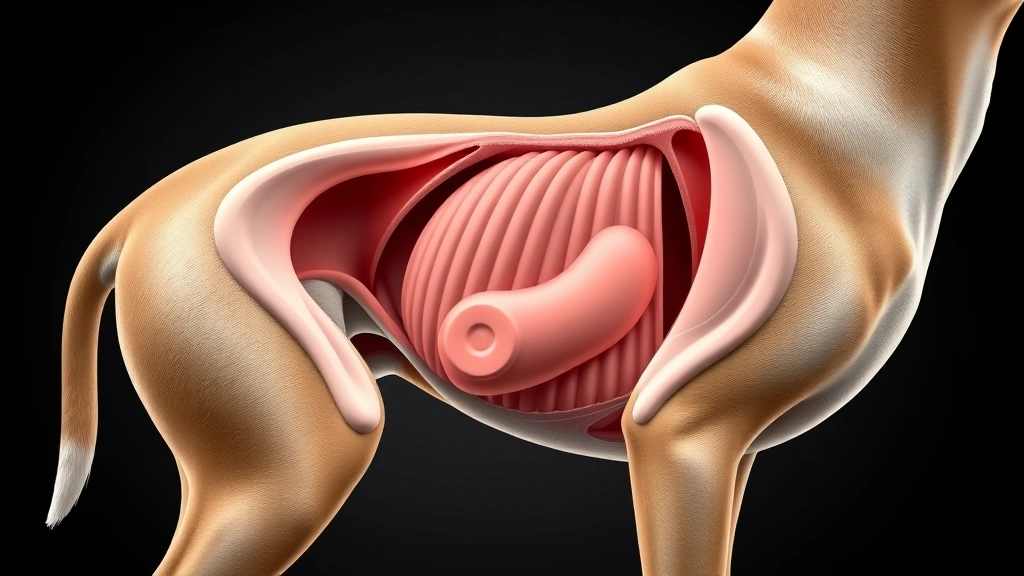
If you’ve ever wondered where is a dog’s stomach located, you’re not alone—and honestly, it’s way more interesting than you’d think. Unlike humans who have a stomach sitting right under the ribcage, your pup’s digestive system is a quirky little adventure waiting to be understood. Whether your dog is acting weird after eating or you’re just curious about what’s happening inside that furry belly, this guide will walk you through the anatomy of your dog’s stomach and why it matters for their health.
Table of Contents
- The Anatomy of a Dog’s Stomach: Where Exactly Is It?
- How Big Does a Dog’s Stomach Get?
- The Journey: From Mouth to Stomach
- Understanding Canine Digestion and Stomach Health
- Common Stomach Problems in Dogs
- Signs Your Dog’s Stomach Might Be Upset
- Feeding Practices That Support Stomach Health
- When to Worry: Serious Stomach Conditions
- The Role of the Stomach in Overall Dog Health
- Frequently Asked Questions
- Conclusion: Taking Care of Your Dog’s Hidden Digestive Powerhouse
The Anatomy of a Dog’s Stomach: Where Exactly Is It?
A dog’s stomach is located in the cranial left abdominal cavity, tucked behind the rib cage and sitting mostly on the left side of their body. If you were to draw a line from your dog’s last rib down toward their hip, that’s roughly where their stomach hangs out. It’s a J-shaped organ that can expand significantly when your pup scarfs down their kibble like they haven’t eaten in weeks. The stomach is held in place by ligaments and sits between the esophagus (which brings food down from the mouth) and the small intestine (where the real nutrient absorption party happens).
The tricky part? Your dog’s stomach is mostly hidden behind those protective ribs, which is why you can’t just poke around and find it. It’s nestled in there like a furry secret, protected and out of sight. This positioning is actually pretty smart from nature’s perspective—it keeps this vital organ safe from injury.
How Big Does a Dog’s Stomach Get?
Here’s where things get wild: a dog’s stomach can expand to hold anywhere from 1 to 2 liters of food and liquid, depending on the size of your pooch. A small Chihuahua’s stomach might max out around 200-300 milliliters, while a large Golden Retriever could stretch theirs to hold nearly 2 liters. That’s like the difference between a shot glass and a water bottle. This expandability is why your dog can seem to inhale an entire bowl of food in seconds—their stomach is basically a stretchy balloon waiting to be filled.
What’s important to know is that this stretching ability, while convenient for quick meals, is also why digestive issues can develop if your dog overeats or eats too quickly. A bloated stomach isn’t just uncomfortable; it can be dangerous.
The Journey: From Mouth to Stomach
When your dog takes a bite of food, it doesn’t immediately head straight to the stomach. First, it gets chewed (or in many dogs’ cases, barely chewed at all—they’re not exactly known for their table manners). The food then travels down the esophagus, a muscular tube that connects the mouth to the stomach. This journey takes only a few seconds, and then—splash—the food lands in the stomach.
Once in the stomach, gastric juices start working their magic. These juices contain hydrochloric acid and enzymes that break down proteins and fats. Your dog’s stomach is incredibly acidic—much more so than a human’s—which helps them digest bones, raw meat, and other things that would make our stomachs revolt. This is one of the reasons dogs can handle diets that would make us sick.
Understanding Canine Digestion and Stomach Health
Dogs have a much shorter digestive tract than humans, which means food moves through their system faster. What takes us hours to digest might take your dog just 4-8 hours. This speedy process is why dogs are natural scavengers—their bodies are built for quick digestion and nutrient absorption.
The stomach’s job is to store food temporarily and break it down into a soupy mixture called chyme. Once this happens, the stomach gradually releases the chyme into the small intestine in controlled amounts. If your dog has stomach issues, understanding this process helps explain why certain symptoms appear. A stomach that’s not functioning properly can’t do its job efficiently, leading to nausea, vomiting, or constipation.
Common Stomach Problems in Dogs
Now that you know where your dog’s stomach is and how it works, let’s talk about what can go wrong. Dogs are notorious for eating things they shouldn’t—socks, grass, that mysterious something they found in the yard. This can lead to gastroenteritis, an inflammation of the stomach lining that causes vomiting and diarrhea.
Bloat, or gastric dilatation-volvulus (GDV), is a more serious condition where the stomach fills with gas and potentially twists. This is a medical emergency and is more common in large, deep-chested breeds. If your dog suddenly seems uncomfortable, drools excessively, or can’t vomit, get to the vet immediately.
Ulcers, food sensitivities, and even stress can affect your dog’s stomach health. Some dogs develop sensitive stomachs that react poorly to certain ingredients, leading to chronic digestive issues. If you’re dealing with a picky pup, dietary choices matter more than you’d think.
Signs Your Dog’s Stomach Might Be Upset
Your dog can’t tell you their stomach hurts, so you need to watch for signs. Common indicators include:
- Vomiting or dry heaving
- Loss of appetite
- Excessive drooling
- Lethargy or unusual behavior
- Diarrhea or constipation
- Excessive gas or gurgling sounds from the abdomen
- Hunched posture or signs of pain
If your dog shows any of these signs for more than a day or two, it’s time to call the vet. Sometimes it’s nothing serious, but stomach issues can escalate quickly, so better safe than sorry.
Feeding Practices That Support Stomach Health
Knowing where your dog’s stomach is and how it works helps you make better feeding decisions. Instead of one large meal, consider splitting your dog’s daily food into two smaller meals. This reduces the load on the stomach and helps with digestion. It also helps prevent bloat, which is a real concern for larger dogs.
Feed your dog at a consistent time each day—their stomach actually prepares for meals when it knows they’re coming. Avoid feeding your dog right before or after intense exercise, as this can increase the risk of bloat. And please, resist the urge to give your pup table scraps. Medications and remedies can help with occasional stomach upset, but prevention is always better than treatment.
When to Worry: Serious Stomach Conditions
While most stomach issues are minor and resolve on their own, some conditions require veterinary attention. Pancreatitis, liver disease, and inflammatory bowel disease can all manifest as stomach problems. These conditions are more common in older dogs or those with certain genetic predispositions.
If your dog has chronic vomiting, persistent diarrhea, or seems to be in pain, diagnostic tests like ultrasounds or blood work might be necessary. Your vet can examine your dog and determine what’s actually going on in that hidden abdominal cavity.
The Role of the Stomach in Overall Dog Health
Your dog’s stomach isn’t just about digestion—it’s a key player in their overall health. A healthy stomach means better nutrient absorption, stronger immunity, and a happier pup. The gut microbiome in dogs is just as important as it is in humans, and feeding practices that support a healthy stomach environment can have far-reaching benefits.
Probiotics, fiber, and high-quality proteins all contribute to stomach health. Some dogs benefit from digestive enzymes or special diets formulated for sensitive stomachs. The key is finding what works for your individual dog and sticking with it.
Frequently Asked Questions
Can you feel a dog’s stomach?
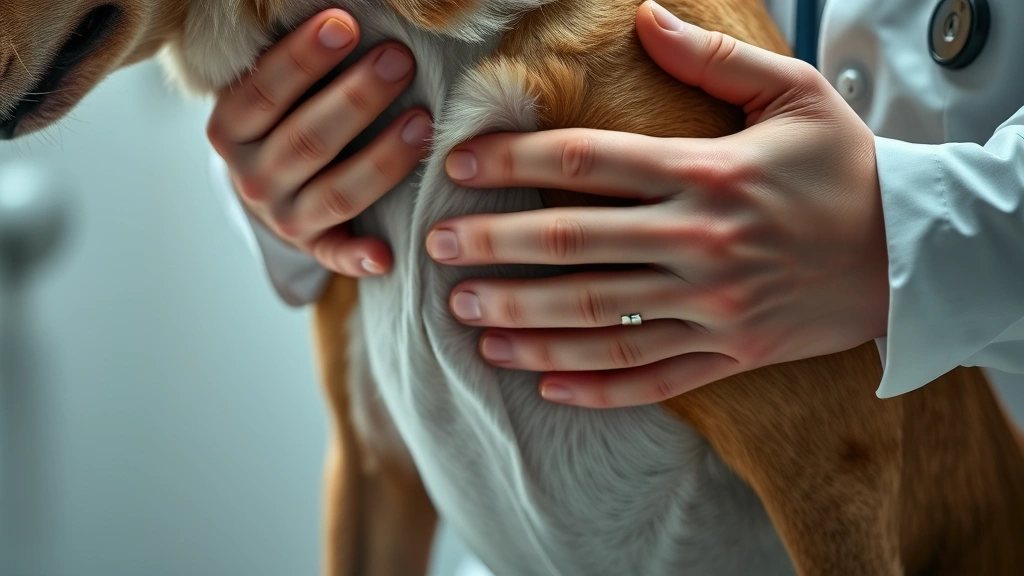
You can sometimes feel your dog’s stomach if you gently palpate their abdomen, but it’s not always obvious, especially in fluffy dogs or those with more body fat. If your dog’s stomach feels hard, distended, or painful when you touch it, that’s a sign something might be wrong and warrants a vet visit.
How long does food stay in a dog’s stomach?
Typically, food stays in a dog’s stomach for about 2-4 hours before moving into the small intestine. However, this can vary based on the type of food, the dog’s age, and their overall digestive health. High-fat foods may take longer to digest.
What should I do if my dog vomits?
If your dog vomits once and seems otherwise normal, monitor them. If vomiting continues, your dog seems lethargic, or they won’t eat, contact your vet. Persistent vomiting can lead to dehydration and requires professional evaluation.
Is it normal for dogs to have stomach sounds?
Some stomach gurgling and sounds are normal as food moves through the digestive system. However, loud, frequent, or concerning sounds—especially paired with other symptoms—might indicate an issue worth discussing with your vet.
Can stress affect my dog’s stomach?
Absolutely. Just like humans, dogs can develop stomach issues from stress and anxiety. Changes in routine, new environments, or separation anxiety can trigger digestive upset. If you notice this pattern, talk to your vet about stress management strategies.
Conclusion: Taking Care of Your Dog’s Hidden Digestive Powerhouse
Now you know where your dog’s stomach is—tucked safely behind those ribs on the left side of their abdomen—and why it matters. This J-shaped organ is the unsung hero of your dog’s digestive system, working 24/7 to break down food and keep your pup healthy. By understanding the basics of canine stomach anatomy and function, you’re better equipped to spot problems early and make feeding decisions that support long-term health.
Remember, every dog is unique. What works for one pup might not work for another. Pay attention to your individual dog’s needs, maintain consistent feeding schedules, and don’t hesitate to reach out to your vet if something seems off. Your dog’s stomach—and your dog—will thank you for the attention and care.





