

When it comes to finding the perfect furry companion, white dogs offer a stunning aesthetic appeal that turns heads at the dog park and makes for Instagram-worthy moments. But beyond their gorgeous snowy coats, white dog breeds bring incredible personalities, loyalty, and temperaments that make them fantastic family pets. Whether you’re drawn to their elegant appearance or searching for a breed that matches your family’s lifestyle, this guide covers the best white dog breeds that are absolutely crushing it in 2024.
Table of Contents
- Why White Dogs Make Excellent Family Companions
- Samoyed: The Smiling Polar Bear
- Labrador Retriever (White Variety): America’s Sweetheart
- Great Pyrenees: The Gentle Giant Guardian
- Bichon Frise: Small But Mighty
- West Highland White Terrier: Spirited and Spunky
- Poodle (White Standard or Miniature): The Intelligent Overachiever
- Dogo Argentino: The Loyal Protector
- Maltese: Elegance in a Tiny Package
- White German Shepherd: Working Intelligence
- Grooming Requirements for White Dogs: Keeping That Coat Pristine
- Health Considerations for White Dog Breeds
- Training and Socialization: Building the Perfect White Companion
- Choosing the Right White Dog for Your Family
- Frequently Asked Questions
- Summary: Your Perfect White Dog Awaits
Why White Dogs Make Excellent Family Companions
There’s something undeniably charming about white dogs. They’re like walking clouds of fluff and love. But it’s not just about looks—many white dog breeds were specifically developed for family living, protection, and companionship. White-coated pups often have friendly dispositions, high intelligence, and adaptability to various living situations. Plus, they tend to stand out in a crowd, which means more attention at the dog park (whether your pup wants it or not). The key to choosing the right white dog breed is understanding your family’s energy level, living space, and grooming commitment.
Samoyed: The Smiling Polar Bear
If you’ve ever seen a Samoyed, you know exactly why they’re called the “smiling Sammies.” These fluffy white giants were bred by Siberian nomads to herd reindeer and keep families warm—yes, literally sleep on them. Samoyeds are incredibly social, gentle, and patient with kids, making them one of the best long haired dogs for families. They’re moderately energetic and love outdoor activities, but they’re equally happy lounging on the couch. Fair warning: their double coat sheds like it’s going out of style, so invest in a good vacuum.
Labrador Retriever (White Variety): America’s Sweetheart
While Labs come in three colors, the white variety deserves special mention for families seeking a reliable, trainable companion. These athletic, intelligent dogs excel as service animals, therapy dogs, and family pets. White Labs are food-motivated (which helps with training), incredibly loyal, and have seemingly endless patience with children. They need regular exercise and mental stimulation, but their eagerness to please makes training a breeze. According to the American Kennel Club, Labs consistently rank as one of America’s most beloved breeds.
Great Pyrenees: The Gentle Giant Guardian
Great Pyrenees are massive white dogs originally bred to protect livestock in the Pyrenees Mountains. Don’t let their size intimidate you—these gentle giants are affectionate, calm, and surprisingly patient with kids. They’re independent thinkers (bred to make decisions without human guidance), so training requires consistency and patience. If you have a low energy dog breeds preference but want a larger companion, Pyrenees are content with moderate exercise and lots of family time. They do shed considerably and need regular grooming to keep that magnificent white coat looking pristine.
Bichon Frise: Small But Mighty
Don’t underestimate these cotton-ball cuties. Bichon Frises are small white dogs with enormous personalities packed into compact frames. They’re hypoallergenic (relatively speaking), incredibly playful, and adaptable to apartment living or sprawling estates. Bichons are excellent for families with allergies and require regular grooming to maintain their signature poodle-like coat. These pups are social butterflies and thrive on human interaction—they’re not ideal if you plan to leave them alone for extended periods. Their cheerful disposition and trainability make them fantastic for first-time dog owners.
West Highland White Terrier: Spirited and Spunky
Westies are feisty little white dogs with outsized personalities. Originally bred to hunt small game in Scotland, these terriers are confident, independent, and surprisingly stubborn. They’re perfect for active families who appreciate a dog with attitude and charm. Westies are excellent with children and make wonderful watchdogs despite their small stature. They require regular grooming and moderate exercise, plus mental stimulation to prevent boredom-related mischief. If you want a white dog that’s low-maintenance in size but high in entertainment value, a Westie might be your match.
Poodle (White Standard or Miniature): The Intelligent Overachiever
Poodles consistently rank among the most intelligent dog breeds, and their white varieties are no exception. These athletic, elegant dogs excel in obedience training, agility competitions, and family settings. Standard Poodles are great for active families, while Miniature Poodles suit apartment dwellers. Poodles are hypoallergenic and require regular professional grooming every 4-6 weeks. They’re social, eager to please, and bond deeply with their families. For families seeking a white dog that’s both beautiful and brilliant, Poodles deliver on all fronts.
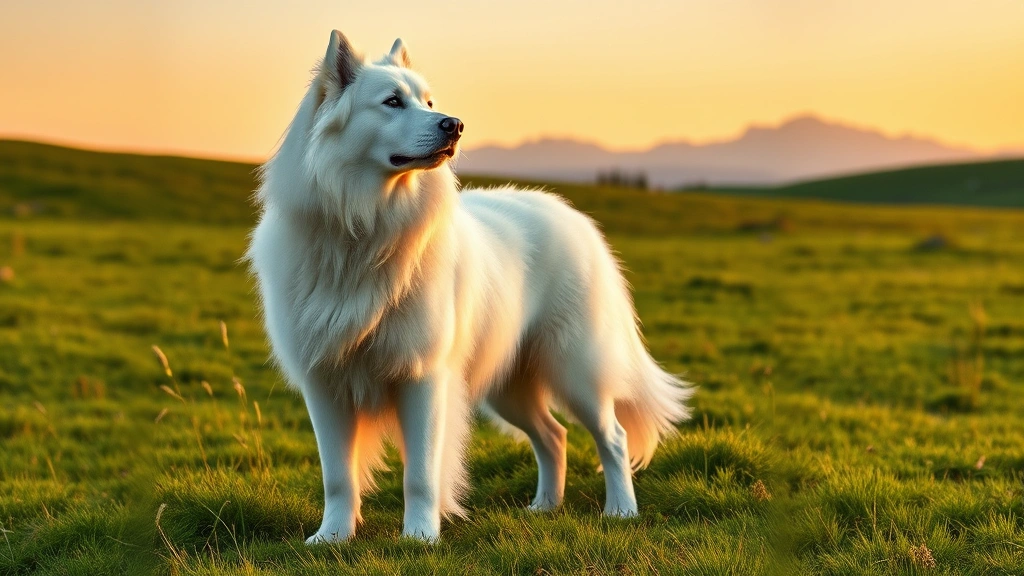
Dogo Argentino: The Loyal Protector
Dogo Argentinos are striking white dogs bred in Argentina for hunting and protection. These muscular, athletic dogs are incredibly loyal to their families and excellent with children when properly socialized. They require an experienced dog owner, consistent training, and plenty of exercise. Dogos are confident, fearless, and protective—qualities that make them wonderful family guardians. They have short coats requiring minimal grooming, which is a bonus compared to other white dog breeds. Check local regulations, as some areas have breed restrictions for this powerful white dog.
Maltese: Elegance in a Tiny Package
Maltese dogs are among the oldest toy breeds, with a history dating back thousands of years. These tiny white dogs are gentle, affectionate, and surprisingly sturdy despite their delicate appearance. They’re perfect for families in apartments or smaller homes and require minimal exercise. Maltese dogs do need regular grooming to maintain their silky white coats, and they can be prone to separation anxiety. Their small size makes them excellent companions for elderly family members or those seeking a lap dog that’s genuinely interactive and responsive.
White German Shepherd: Working Intelligence
White German Shepherds are the same intelligent, loyal breed as their darker counterparts but with a striking white coat. These dogs are incredibly versatile—excelling as service animals, police dogs, and devoted family companions. They require significant exercise, mental stimulation, and consistent training. White German Shepherds bond intensely with their families and are naturally protective without being aggressive. They’re not ideal for first-time dog owners or families unable to commit to regular training and socialization. For experienced dog owners seeking a white dog with serious working credentials, this breed is unmatched.
Grooming Requirements for White Dogs: Keeping That Coat Pristine
Owning a white dog means committing to regular grooming and maintenance. Most white dog breeds require brushing 2-3 times weekly to prevent matting and reduce shedding. Many owners find professional grooming every 4-8 weeks essential for maintaining coat health and appearance. White coats show dirt and staining more readily than darker colors, so regular baths (monthly or as needed) are important. According to PetMD, proper grooming isn’t just about aesthetics—it’s crucial for detecting skin issues, parasites, and maintaining overall health. Invest in quality grooming tools and establish a routine early.
Health Considerations for White Dog Breeds
White-coated dogs, particularly those with predominantly white fur, can be prone to specific health issues. Deafness occurs at higher rates in white dogs due to the genes responsible for white coloring. Hip dysplasia, elbow dysplasia, and eye problems are common in larger white breeds. Regular veterinary check-ups, genetic testing before breeding, and responsible breeder selection are essential. If you’re considering a white dog from a lazy dog breeds category or any breed, ensure the breeder conducts health screenings. University veterinary programs and breed clubs provide excellent resources on breed-specific health concerns.
Training and Socialization: Building the Perfect White Companion
Regardless of breed, white dogs require consistent training and early socialization. Puppies should be exposed to various people, environments, and experiences before 16 weeks of age. Positive reinforcement training works exceptionally well for most white dog breeds, encouraging desired behaviors through rewards rather than punishment. Consistency among family members is crucial—everyone must enforce the same rules and commands. For larger white dog breeds, establishing yourself as a calm, confident leader prevents dominance issues. Professional trainers can be invaluable, particularly for first-time dog owners or strong-willed breeds.
Choosing the Right White Dog for Your Family
Selecting the perfect white dog breed requires honest assessment of your lifestyle, living situation, and commitment level. Consider energy levels: active families might prefer Samoyeds or Standard Poodles, while those seeking Kangal dog price information or other guardian breeds should research thoroughly. Evaluate grooming requirements—are you prepared for regular professional grooming or extensive home maintenance? Consider your experience level: first-time owners should avoid dominant or independent breeds like Dogo Argentinos or Great Pyrenees. Think about your living space, yard availability, and time commitment. The best white dog is one whose needs align perfectly with your family’s capabilities and lifestyle.

Frequently Asked Questions
Are white dogs more prone to health issues?
White dogs, particularly those with predominantly white coats, can be prone to deafness and certain genetic conditions. However, responsible breeding practices and regular veterinary care minimize these risks significantly. Always purchase from reputable breeders who conduct health screenings.
Do all white dogs require extensive grooming?
Most white dog breeds require regular grooming to maintain coat health and appearance. However, breeds like Dogo Argentinos with short coats need less maintenance than Poodles or Samoyeds. Research your specific breed’s grooming needs before committing.
Are white dogs good for families with allergies?
Some white dog breeds like Poodles and Bichon Frises are considered hypoallergenic or low-shedding, making them better for allergy sufferers. However, no dog is truly hypoallergenic. Spend time with the breed before committing if allergies are a concern.
What’s the best white dog for apartment living?
Smaller white dog breeds like Maltese, Bichon Frises, and Miniature Poodles adapt well to apartment living. Larger breeds like Great Pyrenees or Samoyeds need more space and outdoor access, though they can adapt with sufficient exercise and mental stimulation.
How do I keep my white dog’s coat from yellowing?
Regular bathing with quality dog shampoo, protection from excessive sun exposure, and proper grooming help maintain white coat brightness. Some owners use whitening shampoos specifically formulated for white dogs. Avoid letting your pup spend extended time in chlorinated pools or dirty areas.
Summary: Your Perfect White Dog Awaits
White dogs offer families an incredible combination of stunning aesthetics and genuine companionship. Whether you’re drawn to the gentle giant presence of a Great Pyrenees, the intelligent elegance of a Poodle, the spirited charm of a Westie, or the unwavering loyalty of a white German Shepherd, there’s a white dog breed perfectly suited to your family. Success requires honest self-assessment about your lifestyle, commitment to grooming and training, and careful breeder selection. With proper care, socialization, and love, your white dog will become a cherished family member who brings joy, laughter, and unconditional affection for years to come. Start your research today, visit local breeders and rescues, and prepare to welcome your perfect snowy companion into your home.





