

Why can’t dogs eat grapes is one of the most important questions every dog owner should ask themselves, because the answer could literally save your pup’s life. While grapes might seem like a harmless, healthy snack for humans, they’re actually one of the most dangerous foods lurking in your fruit bowl for our four-legged friends. Let’s dig into this toxic truth and understand exactly what makes grapes so dangerous for dogs.
Table of Contents
- The Mysterious Toxin: What Makes Grapes Poisonous to Dogs?
- Grape and Raisin Toxicity: Understanding Canine Kidney Disease
- Early Warning Signs: Recognizing Grape Poisoning Symptoms
- Raisins Are Even More Concentrated Danger
- Grape Seed Extract and Other Grape Products: What’s Safe?
- Breed Susceptibility: Are Some Dogs More Vulnerable?
- What To Do If Your Dog Eats Grapes: The Emergency Protocol
- Safe Fruit Alternatives: What Can Dogs Actually Enjoy?
- Preventing Accidental Exposure: Household Management Tips
- Frequently Asked Questions
- The Bottom Line: Grapes Are Never Worth The Risk
The Mysterious Toxin: What Makes Grapes Poisonous to Dogs?
Here’s the thing that keeps veterinarians up at night: scientists still don’t know exactly which compound in grapes causes toxicity in dogs. It’s like nature’s most frustrating mystery wrapped in purple skin. Researchers have investigated tartaric acid, mycotoxins, and various other substances, but the culprit remains elusive. What we do know is that something in grapes—whether it’s the skin, the seeds, or the flesh—triggers a severe reaction in canine kidneys.
The toxicity isn’t dose-dependent in a predictable way either. This unpredictability is what makes grapes particularly terrifying for pet owners. Some dogs might eat a few grapes and show no symptoms, while others could suffer serious kidney damage from the same amount. It’s like Russian roulette with fruit, and nobody wants to play that game with their beloved companion.
Grape and Raisin Toxicity: Understanding Canine Kidney Disease
When dogs consume grapes or raisins, the primary target is their kidneys. The toxin causes acute kidney injury, which can progress to complete kidney failure if left untreated. Within 24-72 hours of ingestion, affected dogs may develop vomiting, diarrhea, lethargy, and loss of appetite. By the time symptoms appear, the damage might already be significant.
What’s particularly insidious about grape toxicity is that it can lead to chronic kidney disease even in dogs that survive the initial poisoning. Some dogs never fully recover their kidney function, meaning they’ll require specialized diets and frequent veterinary monitoring for the rest of their lives. It’s a long-term consequence that extends far beyond the initial grape-eating incident.
Early Warning Signs: Recognizing Grape Poisoning Symptoms
If your dog has eaten grapes, knowing the warning signs could mean the difference between a quick recovery and a tragedy. Watch for these symptoms within the first few hours to days after ingestion:
- Vomiting and retching
- Diarrhea (sometimes bloody)
- Abdominal pain or discomfort
- Loss of appetite
- Lethargy and weakness
- Excessive thirst and urination
- Bad breath (sign of kidney dysfunction)
- Tremors or seizures (in severe cases)
Don’t wait for all these symptoms to appear. If you even suspect your dog ate grapes, contact your veterinarian immediately. Time is genuinely critical in these situations, and early intervention with activated charcoal or gastric lavage can prevent absorption of the toxin.
Raisins Are Even More Concentrated Danger
If grapes are dangerous, raisins are their more concentrated, weaponized cousins. Because raisins are dehydrated grapes, they contain a higher concentration of whatever toxic compound causes the problem. This means a smaller amount of raisins can cause the same damage as a larger quantity of fresh grapes. A handful of raisins could potentially be more dangerous than a bunch of grapes, making raisins a particular concern in homes with curious dogs.
Raisins hide in unexpected places too—they’re in cereals, granola bars, trail mix, cookies, and baked goods. Many dog owners unknowingly expose their pets to raisin toxicity through these common human foods. Always check ingredient labels, and keep these items secured away from your pup’s reach.
Grape Seed Extract and Other Grape Products: What’s Safe?
Here’s where it gets confusing: grape seed extract is actually marketed as a health supplement for dogs in some circles. However, veterinarians generally recommend avoiding it due to the unknown nature of grape toxicity. If the fresh fruit itself is toxic, why risk it with concentrated extracts? The safest approach is complete avoidance of all grape-derived products.
Red wine, grape juice, and other grape-derived beverages are also off-limits. While the alcohol content in wine is another concern entirely, the grape component itself presents a toxicity risk. When in doubt, keep anything grape-related away from your dog’s mouth.
Breed Susceptibility: Are Some Dogs More Vulnerable?
One of the frustrating aspects of grape toxicity is that it doesn’t discriminate by breed, size, or age. Both small Chihuahuas and large Great Danes can suffer kidney damage from grapes. However, smaller dogs might show symptoms more quickly because the toxin is more concentrated in their smaller bodies. Senior dogs and those with pre-existing kidney issues may be at higher risk for severe complications.
Some veterinary research suggests that certain individual dogs may have genetic predispositions to grape sensitivity, similar to how some people have food allergies while others don’t. This individual variation is another reason why you can’t assume your dog will be fine just because another dog ate grapes without incident.
What To Do If Your Dog Eats Grapes: The Emergency Protocol
Stay calm, but act fast. Here’s your action plan:
- Contact your veterinarian or emergency vet clinic immediately—don’t wait to see if symptoms develop
- Have information ready: approximate number of grapes, time of ingestion, and your dog’s weight
- Don’t induce vomiting at home unless specifically instructed by your vet
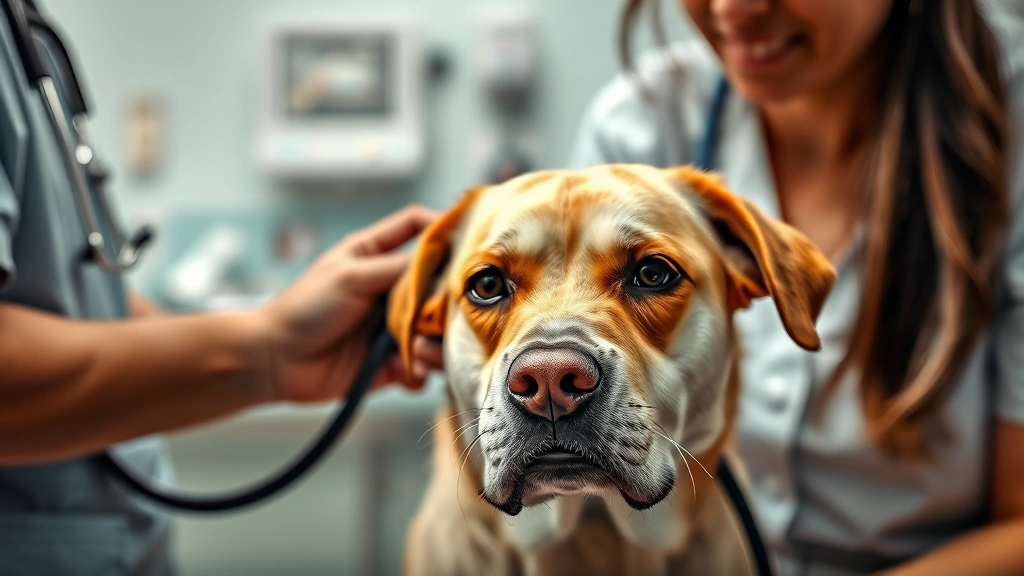
- Head to the clinic where they can perform gastric lavage or administer activated charcoal within the first few hours
- Expect bloodwork and urinalysis to assess kidney function
- Follow up with additional testing over the next 48-72 hours to monitor kidney values
Early decontamination within 2-4 hours of ingestion significantly improves outcomes. This is why calling your vet immediately, rather than watching and waiting, is so critical. The cost of emergency treatment is far less than the cost of treating acute kidney failure.
Safe Fruit Alternatives: What Can Dogs Actually Enjoy?
Your dog doesn’t need to miss out on fruity treats just because grapes are off the menu. Plenty of dog-safe fruits exist that provide similar nutritional benefits. Apples (without seeds), bananas, blueberries, watermelon, and strawberries are all excellent choices. Just remember to remove any seeds and offer fruits in moderation as treats, not meal replacements.
When introducing any new food, start with small amounts to ensure your dog’s digestive system tolerates it well. Some fruits are high in natural sugars, so they shouldn’t make up a significant portion of your dog’s daily caloric intake. Think of fruits as occasional treats, not dietary staples.
Preventing Accidental Exposure: Household Management Tips
Prevention is infinitely easier than emergency treatment. Keep grapes and raisins in secure locations—preferably in your refrigerator’s crisper drawer or a high cabinet where your dog can’t access them. If you have kids, teach them never to share grapes or grape-containing foods with the dog, no matter how much those puppy-dog eyes persuade them.
When guests visit, remind them about the grape danger. Well-meaning visitors might not realize that offering your dog a snack could be life-threatening. Post a reminder on your refrigerator or in your kitchen as a visual cue. It takes just one moment of inattention for a curious dog to grab a fallen grape from the floor.
Be especially vigilant during holidays when grapes and raisins appear in festive dishes, baked goods, and snack platters. The holiday season sees a spike in pet poisoning cases, many preventable with proper awareness and management.
Frequently Asked Questions
Can dogs eat one grape?
No, even a single grape carries risk. While some dogs might eat one grape without apparent harm, the unpredictability of grape toxicity means there’s no truly “safe” amount. The safest approach is zero grapes, period.
How many grapes does it take to poison a dog?
There’s no established minimum toxic dose because toxicity varies dramatically between individual dogs. Some dogs have shown kidney damage from as few as 3-4 grapes, while others ate more without immediate symptoms. This unpredictability is precisely why veterinarians recommend complete avoidance.
Are all grapes toxic, including green grapes?
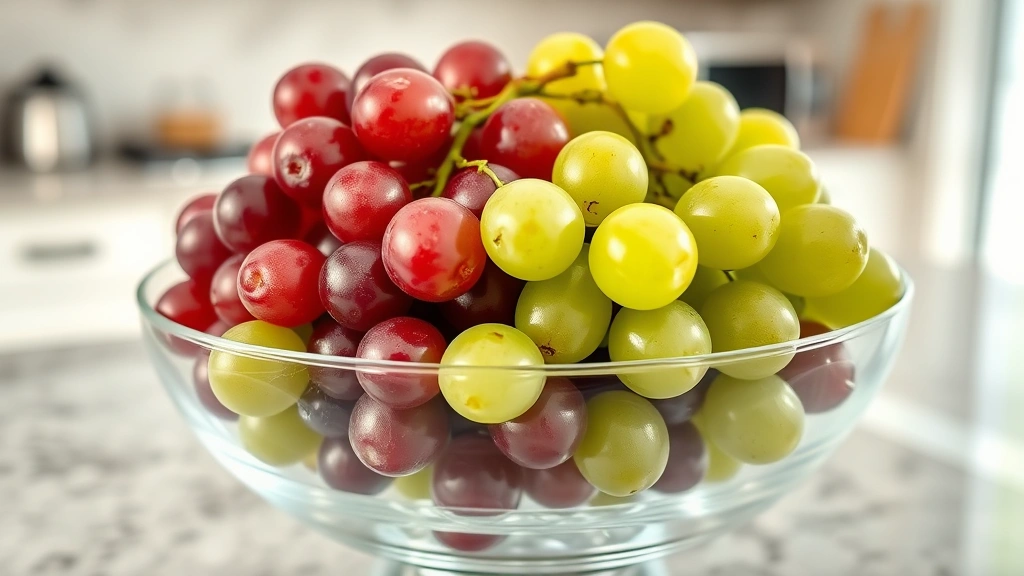
Yes, all varieties of grapes appear to be toxic to dogs—red, green, white, seedless, seeded, organic, and conventional. The color or type doesn’t matter; the toxin affects all grapes equally. Similarly, all types of raisins (including golden raisins) are dangerous.
What if my dog ate grapes 3 days ago and seems fine?
Delayed symptoms can still develop. Some dogs show signs immediately, while others might not display symptoms for several days. If it’s been less than 72 hours, contact your vet for bloodwork to assess kidney function. Even if your dog seems fine, internal kidney damage might be occurring silently.
Is grape juice safe for dogs?
No. Grape juice contains the same toxic compound as whole grapes, potentially in even higher concentrations. Keep all grape-derived beverages away from your dog, including wine, juice, and smoothies containing grapes.
Can dogs have grape-flavored treats?
Artificially grape-flavored treats are likely safe since they don’t contain actual grapes. However, always check ingredient labels carefully. If the treat contains any real grape product, avoid it entirely. When in doubt, choose a different flavor.
What’s the prognosis for dogs who’ve eaten grapes?
Prognosis depends on the amount consumed, time to treatment, and individual dog factors. Dogs treated within 2-4 hours of ingestion have better outcomes. Some dogs recover fully, while others develop chronic kidney disease requiring lifelong management. Early veterinary intervention dramatically improves survival rates.
The Bottom Line: Grapes Are Never Worth The Risk
Why can’t dogs eat grapes comes down to one simple truth: the risk far outweighs any potential benefit. Your dog doesn’t need grapes to be happy and healthy. They have plenty of other delicious, safe fruit options available. The mysterious nature of grape toxicity—where we still don’t fully understand the mechanism of poisoning—makes this one area where complete avoidance is the only sensible strategy.
Keep grapes and raisins out of your home or secured in places your dog absolutely cannot access. Educate family members and visitors about the danger. If your dog does consume grapes, treat it as a medical emergency and contact your veterinarian immediately. The few minutes you spend calling your vet could literally save your dog’s life and prevent years of kidney disease complications.
Your dog depends on you to keep them safe, and that means being vigilant about what foods enter your home and what your pup might sneak off the counter. When it comes to grapes, the answer is always no—and your dog will thank you for it.





