
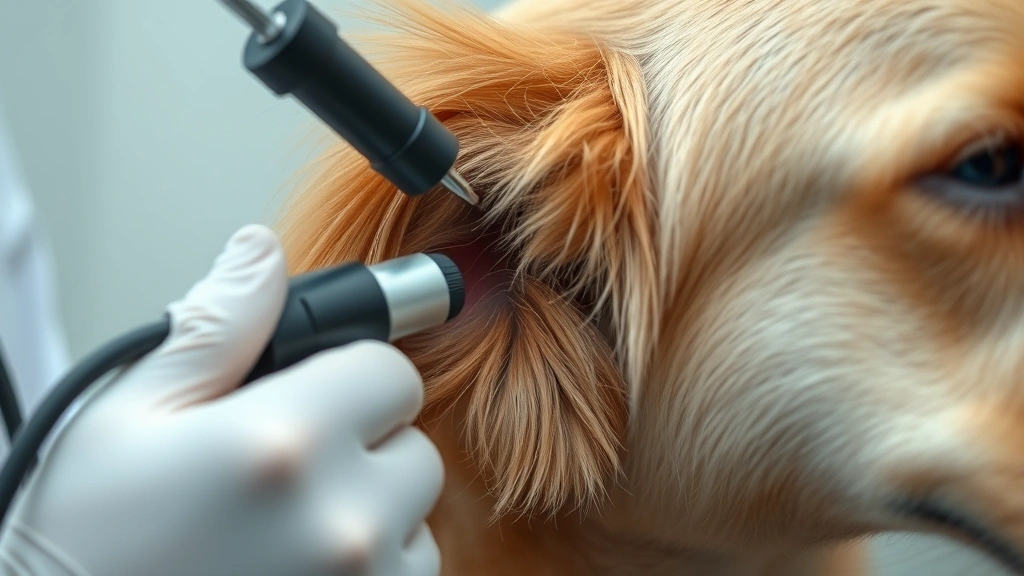
If you’ve ever gotten a whiff of your dog’s ears and wondered why do dogs ears stink, you’re not alone—and honestly, you’re probably dealing with one of the most common pet problems out there. That funky, yeasty, or downright rotten smell coming from your pup’s ear canal isn’t just unpleasant; it’s usually a red flag that something needs attention. The good news? Most ear odor issues are totally fixable once you understand what’s causing them.
Table of Contents
- The Anatomy of a Stinky Dog Ear: Why They’re Odor Factories
- Cause #1: Yeast Infections (The Most Common Culprit)
- Cause #2: Bacterial Infections and Ear Mites
- Cause #3: Allergies (The Underlying Troublemaker)
- Cause #4: Excessive Ear Wax and Debris Buildup
- Cause #5: Foreign Objects and Infections
- Quick Fixes: What You Can Do at Home
- When to Call the Vet: Red Flags You Can’t Ignore
- Prevention: Stop the Stink Before It Starts
- Understanding Ear Health for Different Breeds
- Natural vs. Medical Treatments: Finding the Right Balance
- Frequently Asked Questions
- Summary: Taking Action Against Stinky Dog Ears
The Anatomy of a Stinky Dog Ear: Why They’re Odor Factories
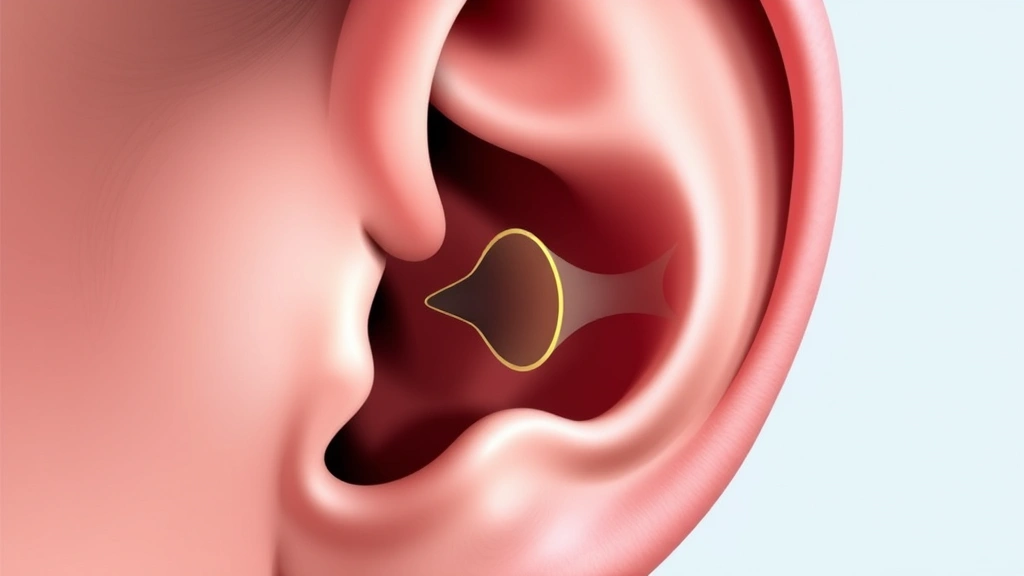
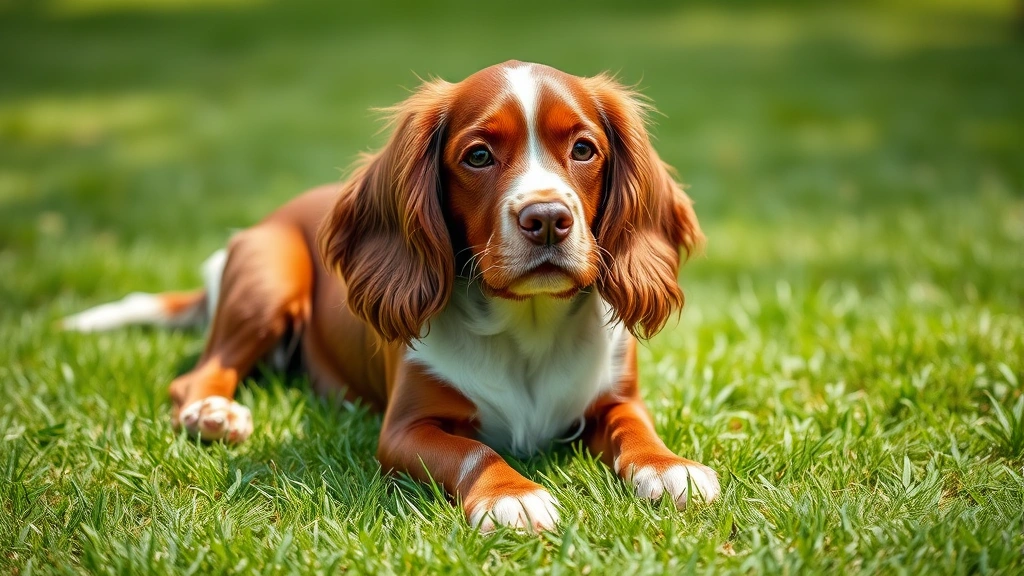
Before we dive into the causes, let’s talk about why dog ears are basically petri dishes for funk. Unlike human ears, dog ears have a long, L-shaped ear canal that creates the perfect warm, moist environment for bacteria and yeast to throw a party. Add in the fact that many dogs have floppy ears that trap moisture and debris, and you’ve got a recipe for disaster. Breeds like Cocker Spaniels, Basset Hounds, and Labrador Retrievers are notorious for ear problems because their ear flaps basically seal in moisture like a biological Tupperware container.
Cause #1: Yeast Infections (The Most Common Culprit)
Yeast infections are the MVP of dog ear stink. A healthy ear has some yeast present naturally, but when the balance gets disrupted—usually due to moisture, allergies, or antibiotics killing off good bacteria—yeast multiplies like crazy. The smell? Think of a corn chip factory mixed with a gym locker room. It’s that distinctive musty, slightly sweet odor that makes you go “ugh.” Yeast thrives in warm, moist environments, which is why swimmers and dogs who get their ears wet during baths are especially prone. If you notice your dog scratching at their ears constantly or shaking their head like they’re trying to launch their brain into orbit, yeast infection is likely the villain.

Cause #2: Bacterial Infections and Ear Mites
While yeast gets most of the attention, bacteria can be equally stinky. Bacterial ear infections often smell worse than yeast—think rotten or pus-like odors that make you want to light a candle immediately. These infections happen when bacteria like Pseudomonas or Staphylococcus colonize the ear canal, often triggered by moisture, allergies, or foreign objects. Ear mites, those microscopic parasites that spread like gossip in a dog park, create a waxy, crusty buildup that smells absolutely rank. If your dog has ear mites, you’ll also notice a dark, coffee-ground-like discharge in the ear canal. The itching is intense enough that your dog might scratch until they cause secondary infections, making the whole situation worse.
Cause #3: Allergies (The Underlying Troublemaker)
Here’s the thing about allergies: they’re often the root cause of ear problems, not the problem itself. When dogs have food allergies or environmental allergies, their immune system goes haywire, causing inflammation in the ear canal. This inflammation traps moisture, disrupts the natural balance of bacteria and yeast, and boom—stinky ears. Dogs with limited ingredient dog food sensitivities are especially prone to this. If your dog has itchy ears plus itchy paws, a scratchy throat, or recurring ear infections, allergies are probably the underlying cause. Addressing the allergy is often the key to preventing ear problems from coming back.
Cause #4: Excessive Ear Wax and Debris Buildup
Some dogs just produce more ear wax than others, and when it accumulates, it creates a breeding ground for bacteria and yeast. Add in dirt, pollen, dead skin cells, and water trapped in the ear canal, and you’ve got a smelly stew. This is especially problematic for dogs with mange on dogs or other skin conditions that cause excessive flaking. Dogs who love swimming or frequent baths are particularly vulnerable. The moisture softens the ear wax, making it stick around longer and creating an ideal environment for microbial growth. Regular ear cleaning can prevent this buildup, but many dog owners don’t realize how important it is until the smell becomes unbearable.
Cause #5: Foreign Objects and Infections
Sometimes a stinky ear isn’t about infection at all—it’s about something stuck in there. Grass awns, seeds, debris, or even small toys can lodge in the ear canal and cause irritation, inflammation, and secondary infections. The smell comes from the inflammation and infection that develops around the foreign object. If your dog suddenly starts shaking their head violently or pawing at one ear more than the other, a foreign object might be the culprit. This is a situation that warrants a vet visit because trying to remove it yourself could push it deeper or cause damage.

Quick Fixes: What You Can Do at Home
If your dog’s ear stink is mild and you’ve ruled out serious infections, here are some safe home remedies. First, witch hazel is safe for dogs and can help dry out moist ears—just apply a small amount with a cotton ball after baths. Second, regular ear cleaning with a vet-approved cleanser (not water) helps prevent buildup. Mix equal parts white vinegar and rubbing alcohol for a homemade solution that kills bacteria and yeast while drying the ear. Third, turmeric is good for dogs and has anti-inflammatory properties that can help reduce ear inflammation when added to their diet. Fourth, keep those ear flaps clean and dry—especially after swimming or bathing. Fifth, consider diatomaceous earth safe for dogs for parasitic issues, though always consult your vet first.

When to Call the Vet: Red Flags You Can’t Ignore
Some ear situations require professional help. If your dog has visible discharge (especially if it’s green, yellow, or bloody), severe itching that causes bleeding or hair loss, or if the smell is absolutely overwhelming, get to the vet. Also seek help if the problem persists for more than a week despite home treatment, if your dog has a fever or seems lethargic, or if only one ear is affected (suggesting a foreign object). Chronic ear infections might indicate an underlying allergy or immune issue that needs professional diagnosis. Your vet can do a cytology test to identify exactly what’s causing the problem—whether it’s yeast, bacteria, mites, or something else entirely—and prescribe the appropriate treatment.

Prevention: Stop the Stink Before It Starts
The best medicine is prevention. Dry your dog’s ears thoroughly after baths and swimming—use a soft cloth or even a blow dryer on low heat. Clean ears weekly or bi-weekly depending on your dog’s breed and activity level. Trim excess hair around the ear opening to improve air circulation. Feed a high-quality diet (allergies often start with poor nutrition), and consider adding omega-3 supplements to support skin and ear health. Avoid inserting anything deep into the ear canal—the ear is self-cleaning, and you’re more likely to push debris deeper than remove it. If your dog is prone to ear infections, ask your vet about preventative cleaning solutions or medications. For breeds with floppy ears, ear covers during baths can be a game-changer.
Understanding Ear Health for Different Breeds
Not all dog ears are created equal. Dogs with upright ears like German Shepherds have better air circulation and fewer ear problems. Dogs with floppy ears like Spaniels, Beagles, and Dachshunds are prone to moisture trapping. Dogs with hairy ear canals like Poodles and Schnauzers need regular plucking to maintain airflow. If you have a breed predisposed to ear problems, accept that preventative care is non-negotiable. It’s not a luxury—it’s basic maintenance, like brushing teeth. Your groomer can help with ear hair removal, or your vet can show you how to do it safely at home.

Natural vs. Medical Treatments: Finding the Right Balance
While home remedies and natural solutions can help with mild cases, don’t underestimate the value of professional veterinary care. Sometimes that funky smell is a sign of a serious infection that requires prescription ear drops, oral antibiotics, or antifungal medications. Your vet might recommend medicated ear cleansers that are way more effective than vinegar solutions. For chronic issues, they might prescribe longer-term solutions or investigate underlying allergies. Think of it this way: if your home remedy hasn’t worked in a week, it’s time to call in the professionals. Delaying treatment often makes the problem worse and more expensive to fix.

Frequently Asked Questions
What does a yeast infection smell like in dog ears?
Yeast infections typically smell like corn chips, musty basement, or slightly sweet and funky—often described as “Frito paws” when it affects the feet too. It’s a distinctive smell that once you recognize it, you’ll never forget it.
Can I use vinegar to clean my dog’s ears?
Yes, a 50/50 mix of white vinegar and water (or rubbing alcohol) can help dry and disinfect ears. However, avoid using it if the ear is already inflamed or if there’s a perforated eardrum. Always consult your vet first, especially if your dog is already showing signs of infection.
How often should I clean my dog’s ears?
For healthy ears, weekly cleaning is good maintenance. Dogs prone to ear infections might need twice-weekly cleaning. Dogs with healthy ears and upright ear shapes might only need monthly cleaning. Your vet can recommend a schedule based on your dog’s individual needs.
Is ear odor always a sign of infection?
Not always. Sometimes it’s just excess wax or debris. However, a strong, unpleasant smell usually indicates either yeast or bacterial overgrowth, which is technically an infection even if it’s mild. When in doubt, have your vet check it out.
Can allergies cause stinky ears?
Absolutely. Allergies cause inflammation that traps moisture and disrupts the natural ear environment, creating conditions perfect for yeast and bacteria to multiply. Treating the underlying allergy often solves the ear problem.
What’s the difference between ear mites and yeast infections?
Ear mites cause a dark, waxy, coffee-ground-like discharge and intense itching. Yeast causes a musty smell and yellow or brown discharge. Bacterial infections smell worse and produce pus-like discharge. Your vet can identify which one with a quick ear swab.
Summary: Taking Action Against Stinky Dog Ears
So, why do dogs ears stink? Usually, it’s a combination of factors—moisture, yeast or bacteria, allergies, or debris buildup—that create the perfect storm for odor. The good news is that most ear problems are preventable with regular cleaning, proper drying, and attention to underlying health issues. Start with home prevention strategies: dry ears after water exposure, clean regularly, and monitor for signs of infection. If the smell persists or worsens, don’t wait—get your vet involved. They can identify the exact cause and prescribe effective treatment. Remember, your dog’s comfort is worth the effort. Those adorable floppy ears might be cute, but they require some TLC to stay fresh and healthy. Your nose—and your pup—will thank you.





