
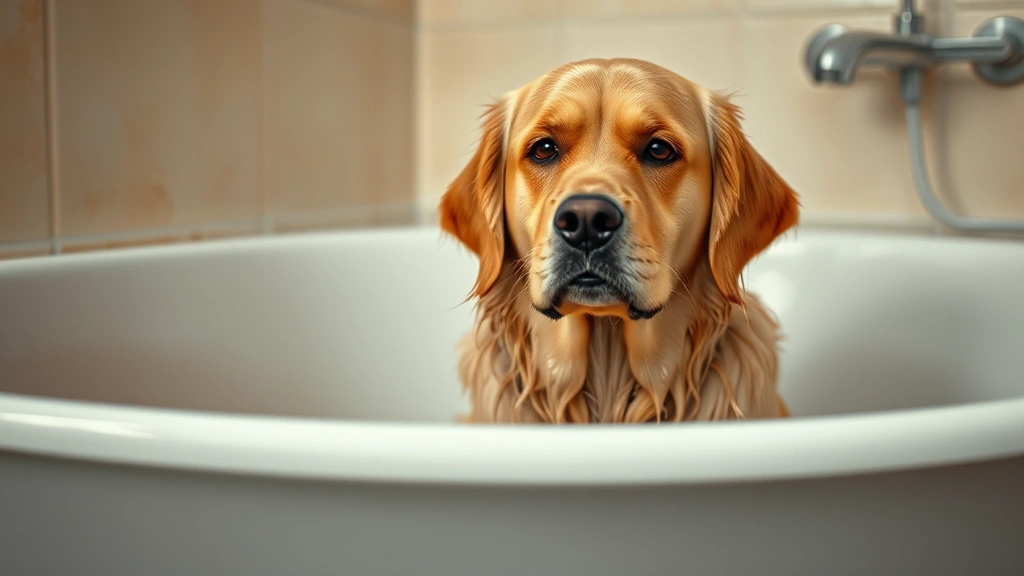
If you’ve ever wondered why do dogs hate baths, you’re not alone—this is one of the most common frustrations pet owners face. That panicked look, the desperate escape attempts, the dramatic whining—it’s enough to make you think your pup has never seen water before. But here’s the thing: there are legitimate reasons your furry friend acts like you’re torturing them with a simple bath. Understanding these reasons can help you transform bath time from a wrestling match into something your dog might actually tolerate (or dare I say, enjoy?).
Table of Contents
- 1. Loss of Control and Vulnerability
- 2. Water Temperature Sensitivity and Sensory Overload
- 3. Fear of Water Getting in Eyes, Ears, and Nose
- 4. Previous Negative Experiences and Learned Behavior
- 5. Disruption of Natural Oils and Scent Identity
- Why Bath Anxiety Gets Worse Over Time
- Practical Solutions to Make Baths Less Stressful
- Alternative Bathing Methods to Consider
- When to Seek Professional Help
- Frequently Asked Questions
- Final Thoughts: Bath Time Doesn’t Have to Be a Battle
1. Loss of Control and Vulnerability
Dogs are creatures of habit and control. When you plop them in a bathtub, you’re essentially removing their ability to escape or control the situation. Unlike their natural instinct to shake off water and move freely, a bath confines them in an unfamiliar environment where they can’t call the shots. This loss of control triggers anxiety in many dogs. They feel vulnerable, trapped, and dependent on you for their safety—which goes against every instinct in their canine DNA. It’s similar to how humans might feel claustrophobic in a tight space. Your dog isn’t being dramatic; they’re experiencing genuine stress from the loss of autonomy.
2. Water Temperature Sensitivity and Sensory Overload
Dogs have incredibly sensitive skin and sensory perception. What feels like a comfortable warm shower to you might feel scorching hot to your pup. Additionally, the sensation of water hitting their skin, the sound of running water, and the smell of shampoo create a perfect storm of sensory overload. Dogs rely heavily on their sense of smell to navigate the world, and bath products can be overwhelming and disorienting. The American Kennel Club recommends using lukewarm water and being mindful of water pressure when bathing your dog. Even small adjustments to water temperature and pressure can make a significant difference in your dog’s bath experience.
3. Fear of Water Getting in Eyes, Ears, and Nose
Imagine not being able to control where water goes when it hits your face. That’s exactly what your dog experiences during a bath. Water in the eyes causes irritation, water in the ears can lead to infections, and water in the nose triggers a gag reflex. These aren’t irrational fears—they’re legitimate safety concerns from your dog’s perspective. Many dogs develop a genuine phobia of baths after one bad experience where water got into their sensitive facial areas. This is why technique matters enormously when bathing your pup.
4. Previous Negative Experiences and Learned Behavior
Dogs have excellent memories, especially when it comes to negative experiences. If your dog had one traumatic bath—maybe water went up their nose, or they slipped on a slippery tub—that single incident can create lasting anxiety around baths. Even worse, if they’ve learned that running away or acting panicked gets them out of bath time, they’ll repeat that behavior every single time. This learned behavior becomes deeply ingrained, and reversing it requires patience and positive reinforcement. PetMD suggests that desensitization and counter-conditioning are effective strategies for dogs with bath anxiety.
5. Disruption of Natural Oils and Scent Identity
Dogs communicate through scent. Their natural body oils and smell are part of their identity and how they interact with their environment. When you bathe your dog, you’re essentially erasing their scent signature. Some dogs find this deeply disturbing because they temporarily lose their olfactory identity. Additionally, the removal of natural oils can make their skin feel uncomfortable until these oils regenerate. This is why some dogs act strange or anxious immediately after a bath—they literally don’t feel like themselves. Understanding this can help you appreciate why your dog might resent the whole bathing process so much.
Why Bath Anxiety Gets Worse Over Time
Here’s something many dog owners don’t realize: bath anxiety often escalates with each negative experience. Your dog’s stress response becomes more pronounced, and their avoidance behavior becomes more dramatic. This creates a vicious cycle where bath time becomes increasingly stressful for both you and your pup. The longer you allow this pattern to continue, the harder it becomes to reverse. This is why tackling bath anxiety early and using positive reinforcement strategies is crucial.
Practical Solutions to Make Baths Less Stressful
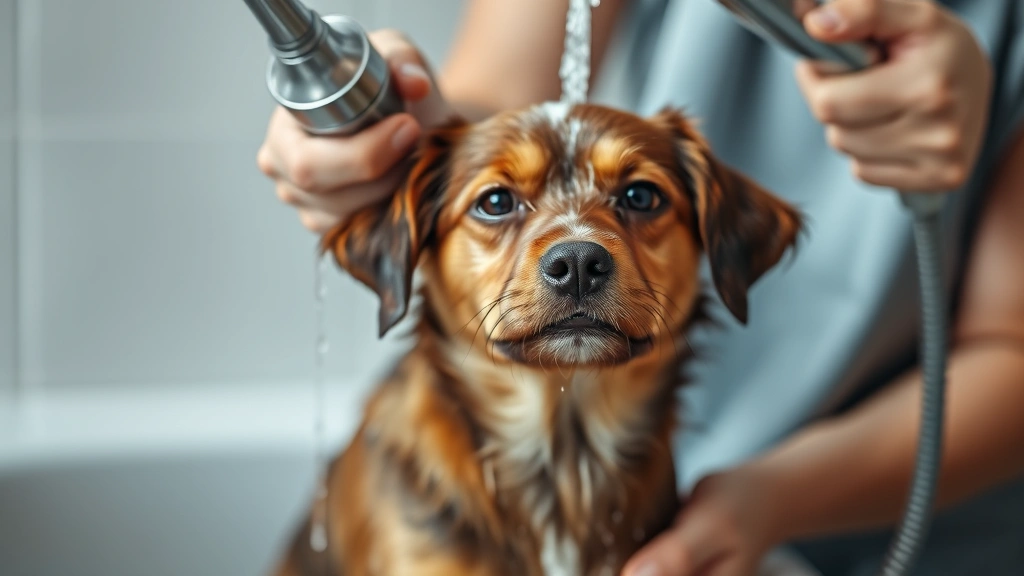
Now that you understand why dogs hate baths, let’s talk solutions. Start by making bath time a positive experience through desensitization. Begin by simply letting your dog explore the empty bathtub without water. Reward them with treats and praise. Gradually introduce water sounds, then water on their paws, then their body. Use lukewarm water (test it on your wrist first), and never spray directly in their face. Consider using a handheld showerhead for better control. UC Davis School of Veterinary Medicine recommends patience-based approaches over force-based methods. Some owners find that non-slip mats, treats during the bath, and keeping sessions short (under 10 minutes) dramatically improve their dog’s bath experience.
Alternative Bathing Methods to Consider
If traditional bathing isn’t working, explore alternatives. Waterless dog shampoos and dry cleaning wipes can reduce the need for full baths. Some dogs respond better to outdoor bathing with a hose, which feels less confining. Others do well with professional groomers who have experience handling anxious dogs and specialized equipment. You might also try calming supplements or anxiety wraps specifically designed for dogs before bath time. Every dog is different, and what works for one might not work for another.
When to Seek Professional Help
If your dog’s bath anxiety is severe—to the point where they’re injuring themselves trying to escape or showing signs of extreme panic—it’s time to consult a veterinary behaviorist. Severe anxiety isn’t something you should try to force through alone. A professional can assess whether there’s an underlying medical issue (like skin sensitivity or ear problems) contributing to the anxiety and recommend appropriate interventions, which might include anti-anxiety medication during the bathing process.
Frequently Asked Questions
How often should I bathe my dog?
Most dogs only need a bath every 4-12 weeks, depending on their breed, coat type, and activity level. Over-bathing can strip natural oils and worsen skin issues. Check with your veterinarian about the ideal bathing schedule for your specific dog.
What’s the best age to start bathing a puppy?
You can start bathing puppies around 8 weeks old, but keep it brief and gentle. Early positive experiences with water can help prevent bath anxiety later in life. Always use lukewarm water and be extra careful around their face.
Can I use human shampoo on my dog?
No. Human shampoo has a different pH balance and can irritate your dog’s skin. Always use dog-specific shampoo formulated for their skin pH. If your dog has sensitive skin, consult your vet about medicated options.
Is it normal for dogs to shake uncontrollably during baths?
Yes, shaking is a common stress response in dogs during baths. It’s their way of coping with anxiety and discomfort. This is another reason to keep baths short and as calm as possible.
Should I force my dog to take a bath?
Forcing your dog through a bath will only reinforce their anxiety and make future baths worse. Instead, use gradual desensitization and positive reinforcement to build tolerance over time. Patience yields better long-term results.
Final Thoughts: Bath Time Doesn’t Have to Be a Battle
Understanding why dogs hate baths is the first step toward making bath time more manageable. Your dog isn’t being stubborn or dramatic—they’re experiencing genuine anxiety rooted in loss of control, sensory overload, and past experiences. By approaching bath time with empathy, patience, and strategic techniques, you can significantly reduce your dog’s stress and anxiety. Remember that progress takes time, and every small step forward counts. Whether you’re dealing with a puppy who’s never had a bad bath experience or an adult dog with deep-seated bath anxiety, there’s hope. With consistency and positive reinforcement, many dogs can learn to tolerate—and even enjoy—bath time. Your veterinarian and professional groomers can also be valuable allies in this journey. Keep trying different approaches until you find what works best for your unique pup, and celebrate the small victories along the way.





