
So your pup just had an explosive bathroom situation, and now you’re wondering why do dogs have diarrhea in the first place. Welcome to one of the most unglamorous aspects of dog ownership! While it’s definitely not fun to clean up, understanding what causes diarrhea in dogs can help you prevent future incidents and keep your furry friend’s digestive system running smoothly.
Table of Contents
- Understanding Canine Digestive Issues
- Cause #1: Dietary Indiscretions and Food Changes
- Cause #2: Parasites and Intestinal Worms
- Cause #3: Bacterial or Viral Infections
- Cause #4: Food Sensitivities and Allergies
- Cause #5: Stress and Anxiety
- Quick Fixes for Mild Diarrhea
- When to Call Your Veterinarian
- Prevention Strategies for Diarrhea
- Frequently Asked Questions
- Summary: Getting to the Bottom of It
Understanding Canine Digestive Issues
Dogs get diarrhea for tons of reasons—some totally benign, others worth a vet visit. The thing is, a dog’s digestive system is surprisingly sensitive, kind of like that friend who can’t eat anything spicy without regret. Unlike humans who can usually bounce back from a questionable food choice, dogs often need a bit more TLC when their gut goes haywire. Diarrhea isn’t just an inconvenience; it’s your pup’s way of saying something’s off internally.
Cause #1: Dietary Indiscretions and Food Changes
The number one culprit behind canine diarrhea? Your dog ate something they shouldn’t have. Dogs are basically furry garbage disposals with four legs and a wagging tail. They’ll scarf down anything from spoiled food to grass clippings without a second thought. Sudden food changes are equally problematic—switching dog food brands too quickly can wreak havoc on their digestive tract.
When introducing new food, do it gradually over 7-10 days, mixing the old food with the new stuff in increasing proportions. And if your pup has a sensitive stomach, consider sticking with bland foods like rice during recovery periods. Some owners also swear by Greek yogurt for dogs as a probiotic boost, though always check with your vet first.
Cause #2: Parasites and Intestinal Worms
Here’s something that’ll make your skin crawl: parasites are incredibly common in dogs, especially puppies and rescue pups. Giardia, roundworms, hookworms, and whipworms love setting up shop in your dog’s intestines. The scary part? Your dog can pick these up from contaminated water, soil, or even other dogs at the park. Parasitic diarrhea often looks watery and might have a foul smell that’s even worse than normal dog poop.
If you suspect parasites, get a fecal exam done at your vet’s office. They’ll identify exactly what’s causing the problem and prescribe appropriate medication. Prevention is key here—keep your dog on regular deworming schedules and clean up after them promptly.
Cause #3: Bacterial or Viral Infections
Bacterial infections like E. coli or Salmonella can turn your dog’s digestive system into a disaster zone. Viral infections aren’t much better—parvovirus and coronavirus both cause severe diarrhea and are serious business. These infections often come with other symptoms like vomiting, lethargy, and loss of appetite. If your dog seems unusually sick alongside the diarrhea, don’t mess around; get them to a vet immediately.
According to the American Kennel Club, viral and bacterial infections require professional treatment and shouldn’t be self-diagnosed. Your vet can run tests to determine the exact cause and provide the right medication.
Cause #4: Food Sensitivities and Allergies
Some dogs have the digestive equivalent of a diva attitude. Food allergies and sensitivities can cause chronic diarrhea, itching, and skin issues. Common culprits include chicken, beef, wheat, and dairy. If your dog consistently has loose stools but is otherwise healthy, an elimination diet might help identify the problem food.
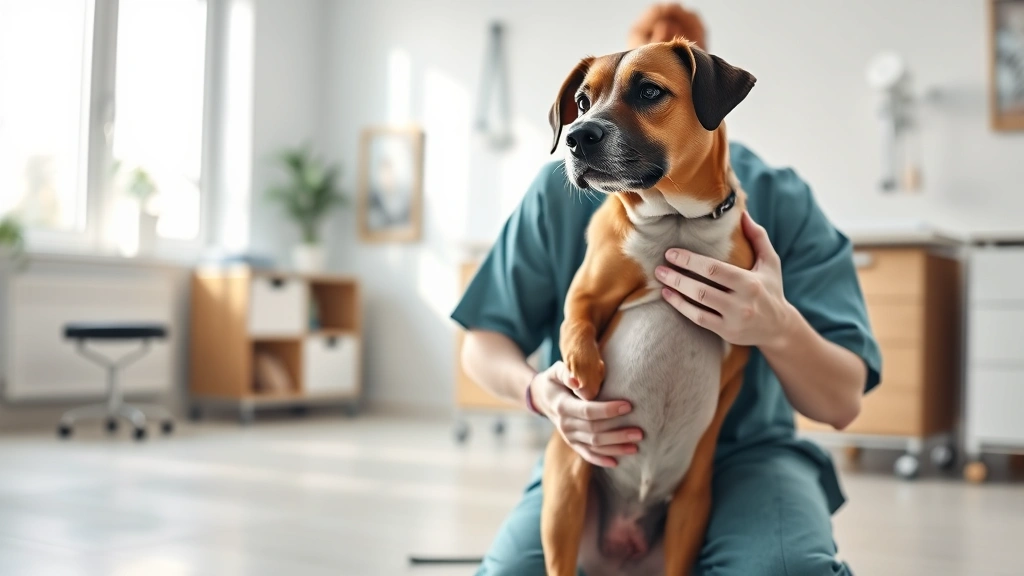
Here’s where understanding whether milk is good for dogs becomes relevant—many adult dogs are lactose intolerant, and dairy can trigger diarrhea. If you suspect food allergies, work with your vet to create an elimination diet plan.
Cause #5: Stress and Anxiety
Believe it or not, dogs can literally worry themselves into diarrhea. Major life changes like moving, introducing a new pet, or even thunderstorms can stress your pup out enough to cause digestive upset. This is sometimes called stress colitis, and it’s totally real. If your dog’s diarrhea coincides with a stressful event and they’re otherwise healthy, reducing stress and maintaining routine usually helps.
Quick Fixes for Mild Diarrhea
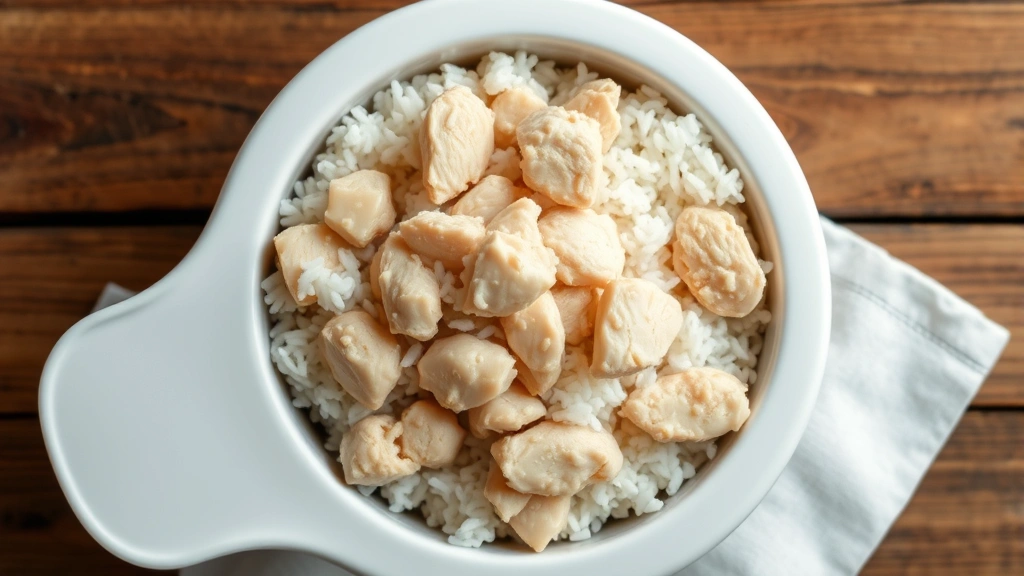
If your dog’s diarrhea is mild and they’re acting normal, here’s what you can do at home. First, consider a temporary fast—skip one meal to give their digestive system a break. Then introduce bland, easy-to-digest foods. Plain rotisserie chicken without seasoning paired with white rice is the classic combo for a reason. Keep portions small and feed multiple times daily.
Hydration is critical. Diarrhea causes fluid loss, which can lead to dehydration. Make sure fresh water is always available. Some vets recommend Pedialyte for dogs to replace electrolytes, but check with your vet before giving it.
When to Call Your Veterinarian
Not all diarrhea requires professional help, but some situations absolutely demand it. Call your vet if diarrhea lasts more than 48 hours, contains blood, is accompanied by vomiting, or if your dog seems lethargic. Puppies, senior dogs, and dogs with pre-existing health conditions should see a vet sooner rather than later. Also, if your dog is straining but nothing comes out, get them checked immediately—that’s a potential emergency.
According to PetMD’s digestive health guide, persistent diarrhea can indicate underlying issues that need professional diagnosis.
Prevention Strategies for Diarrhea
An ounce of prevention is worth a pound of cleanup. Keep your dog on a consistent diet and introduce new foods slowly. Maintain regular deworming schedules and keep vaccinations current. Avoid giving table scraps and human food, no matter how sad those puppy eyes look. Keep your dog away from contaminated water sources and pick up after them promptly to prevent reinfection from parasites.
Regular vet checkups catch issues before they become major problems. A healthy gut microbiome also helps—some vets recommend probiotics for dogs prone to digestive issues.
Frequently Asked Questions
How long should dog diarrhea last?
Mild diarrhea often resolves within 24-48 hours with home care. If it persists beyond two days or gets worse, contact your vet. Chronic diarrhea lasting weeks or months indicates an underlying issue that needs professional evaluation.
Is it normal for dogs to have diarrhea sometimes?
Occasional diarrhea is pretty normal, especially if your dog got into something they shouldn’t have. However, frequent or recurring diarrhea isn’t normal and warrants a vet visit to rule out parasites, infections, or food sensitivities.
Can I give my dog over-the-counter anti-diarrhea medication?
Some over-the-counter meds like bismuth subsalicylate can help, but never give anything without vet approval. Some medications can actually make certain conditions worse, particularly if there’s an infection present.
What’s the best food for a dog with diarrhea?
Bland, easily digestible foods work best: plain boiled chicken, white rice, and plain pumpkin are excellent choices. Avoid fatty foods, dairy, and high-fiber foods until their system stabilizes.
Can stress cause diarrhea in dogs?
Absolutely. Dogs experience anxiety and stress just like humans do, and their digestive systems respond accordingly. Maintaining routine and providing a calm environment helps manage stress-related diarrhea.
Summary: Getting to the Bottom of It
So why do dogs have diarrhea? The answer is usually one of five main culprits: dietary issues, parasites, infections, food sensitivities, or stress. Most cases of mild diarrhea resolve with home care—rest, bland food, and plenty of water. However, don’t ignore persistent or severe diarrhea; your vet can identify the root cause and provide proper treatment. Remember, your dog can’t tell you what’s wrong, so you’re their advocate. When in doubt, get them checked out. Your pup will thank you, and your carpet will definitely appreciate it.





