
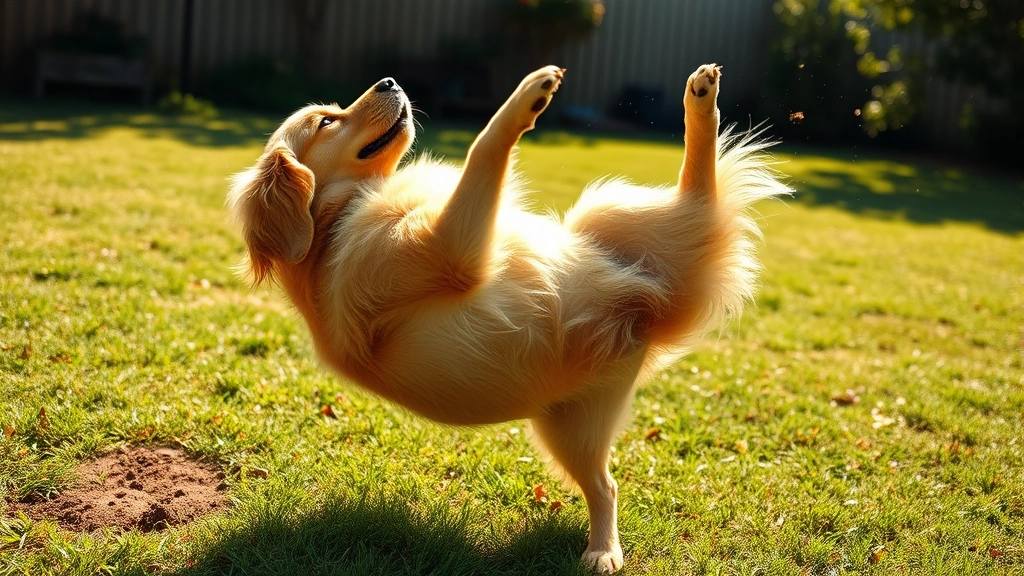
Have you ever wondered why do dogs kick after they pee? That adorable (and sometimes hilarious) back-leg scratching motion isn’t just a random quirk—it’s actually a fascinating piece of canine behavior rooted in instinct, communication, and territorial marking. Let’s dig into this peculiar habit that has dog owners chuckling for generations.
Table of Contents
- The Ancient Instinct Behind the Kick
- Scent Marking and Communication
- Dominance and Status Signaling
- The Cleanup Misconception
- Individual Personality and Breed Differences
- Environmental Factors That Influence Kicking Behavior
- Medical and Behavioral Considerations
- Training and Managing the Kicking Habit
- The Social Dynamics of Pee Kicking
- Why Some Dogs Kick More Than Others
- Understanding Your Dog’s Communication
- Frequently Asked Questions
- Conclusion: Appreciating Your Dog’s Natural Instincts
The Ancient Instinct Behind the Kick
When your dog does that characteristic kick after peeing, they’re tapping into something ancient and primal. Dogs inherited this behavior from their wolf ancestors, who used ground-scratching to mark territory more effectively. By kicking dirt, grass, or whatever surface they’re on, they’re not just leaving urine behind—they’re creating a visual marker that says “this is mine.” It’s like adding a big neon sign to their scent mark.
This behavior is particularly strong in male dogs, though females do it too. The kicking action spreads the scent across a larger area, making the territorial message louder and clearer to other dogs in the neighborhood. Pretty clever, right?
Scent Marking and Communication
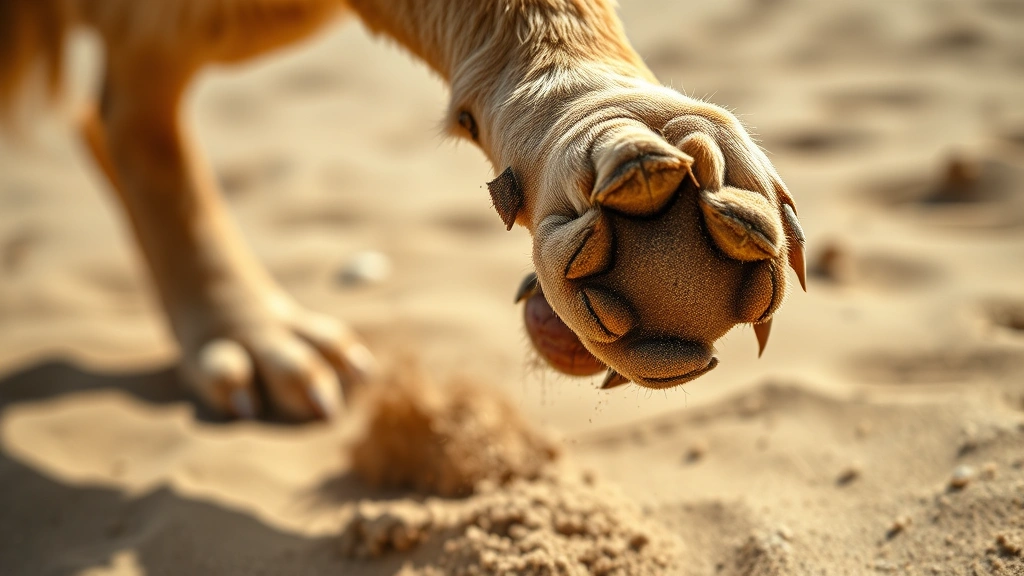
Beyond the visual component, dog kicking after peeing serves as an enhanced scent communication system. Dogs have scent glands in their paws, and when they kick, they’re releasing additional pheromones onto the ground. This creates a multi-sensory message to other dogs: “I was here, I’m healthy, and this territory is claimed.”
Think of it as a dog’s version of graffiti, but with smell instead of paint. Other dogs can read this message and get information about the kicker’s age, health status, and reproductive condition. It’s basically a social media post in the dog world, and your pup is making sure everyone sees it.
Dominance and Status Signaling
The intensity and frequency of post-pee kicking can also indicate your dog’s confidence level and social status. Dogs that are more dominant or confident tend to kick harder and more deliberately. It’s a way of asserting their position in the pack hierarchy, even if that “pack” is just your household and the neighborhood.
If you have multiple dogs, you might notice that one dog’s kicking style is more vigorous than another’s. This could reflect their relative confidence levels. It’s another layer of the complex communication system dogs use to establish social order.
The Cleanup Misconception
Many people assume dogs kick after peeing to cover up their waste, similar to how cats bury their litter. However, that’s actually a misconception. Dogs aren’t trying to hide their urine—quite the opposite! They want to advertise it. The kicking is meant to draw attention to the spot, not conceal it. If your dog wanted to hide, they’d probably do a much better job than that half-hearted scratch.
This is why your dog will often kick in the middle of the sidewalk or in your living room (ugh), rather than in a secluded spot. They’re not being sneaky; they’re being bold. Check out our article on dog behavior tips for more insights into canine psychology.
Individual Personality and Breed Differences
Not all dogs kick with the same enthusiasm. Some pups are vigorous kickers, while others barely scratch at all. These differences often come down to individual personality and, to some extent, breed tendencies. Terriers, for example, are bred to be feisty and territorial, so they might kick with more gusto than a laid-back lazy dog breed.
Your dog’s kicking style is part of their unique personality. Some dogs do a dramatic, exaggerated kick that sends grass flying everywhere. Others do a subtle, almost apologetic little scratch. Both are normal, and both serve the same purpose—just with different levels of enthusiasm.
Environmental Factors That Influence Kicking Behavior
The surface your dog is standing on can affect how much they kick. Dogs on grass or dirt tend to kick more vigorously because they can actually move the material and create a visible mark. Dogs on concrete or pavement might kick less noticeably because there’s less to move around. Some dogs will even kick multiple times or in slightly different spots to maximize their marking.
Weather also plays a role. On days when the ground is wet or muddy, your dog might kick with even more enthusiasm because the material moves more easily and the scent spreads further. It’s all about optimization from your pup’s perspective.
Medical and Behavioral Considerations
While post-pee kicking is completely normal, excessive or obsessive kicking could occasionally indicate a problem. If your dog is kicking so much that they’re injuring their paws or showing signs of anxiety, it might be worth mentioning to your vet. Some dogs with urinary tract issues or other health problems might display abnormal marking behavior.
Additionally, if your dog suddenly stops kicking when they used to do it regularly, that could signal a change in their confidence or health status. Most of the time, though, kicking is just normal, healthy dog behavior. If you’re concerned about other behavioral changes, like coughing and gagging, it’s always best to consult your veterinarian.
Training and Managing the Kicking Habit
If your dog’s post-pee kicking is getting out of hand—especially indoors where it’s causing damage or mess—you can work on redirecting the behavior. Most dogs won’t stop kicking entirely (and you probably shouldn’t expect them to), but you can train them to do it in appropriate areas.
Redirect them to a designated outdoor spot where kicking is welcome. Reward them for peeing and kicking in the right place with treats and praise. Keep in mind that this is deeply ingrained behavior, so don’t expect perfection. Some compromise is usually necessary.
The Social Dynamics of Pee Kicking
When multiple dogs share the same territory, their kicking behaviors create an ongoing conversation. One dog pees and kicks, leaving their mark. Another dog comes along, sniffs the spot, and might pee and kick right on top of it, essentially saying “my mark is stronger.” This can go on indefinitely, which is why you might notice certain spots in your neighborhood that seem to be popular pee destinations.
This behavior is especially pronounced in unneutered males, though spayed and neutered dogs still engage in it to some degree. The hormonal component influences the intensity and frequency of the behavior.
Why Some Dogs Kick More Than Others
Genetics, hormones, and individual personality all contribute to how much and how enthusiastically your dog kicks. A young, intact male dog with a confident personality might be a vigorous kicker, while an older, neutered dog might barely scratch. Neither is abnormal—they’re just expressing their natural instincts at different intensities.
Some long-haired dogs might appear to kick less dramatically simply because their longer fur obscures the motion, even if they’re kicking just as much as a short-haired dog.
Understanding Your Dog’s Communication
By understanding why your dog kicks after peeing, you’re getting insight into how they communicate with the world. It’s a reminder that our dogs aren’t just cute companions—they’re complex creatures with their own social systems, hierarchies, and ways of leaving their mark on the world. Literally.
The next time you see your pup doing that characteristic back-leg kick, you can appreciate that they’re not just being silly. They’re engaging in behavior that’s been refined over thousands of years of evolution. They’re claiming territory, advertising their presence, and communicating with every other dog in the neighborhood. Pretty impressive for such a simple-looking action.
Frequently Asked Questions
Is it normal for female dogs to kick after peeing?
Yes, absolutely. While male dogs tend to kick more frequently and vigorously, female dogs also engage in this behavior. It’s a normal part of canine communication for both sexes, though hormonal factors can influence the intensity.
Can I stop my dog from kicking after they pee?
You can redirect the behavior to appropriate locations, but completely eliminating it is difficult because it’s deeply instinctual. Most veterinarians recommend allowing the behavior in outdoor spaces while training your dog to avoid it indoors through positive reinforcement.
What do the scent glands in dog paws do?
The scent glands in your dog’s paws release pheromones when they kick. These chemical signals communicate information about your dog’s identity, health, and status to other dogs. It’s one of the many ways dogs “talk” to each other.
Do neutered and spayed dogs still kick after peeing?
Yes, spayed and neutered dogs still kick, though the behavior is often less intense than in intact dogs. The behavior is instinctual and remains even after surgical alteration, though hormones do influence the frequency and vigor.
Why does my dog kick harder in certain locations?
Dogs often kick more vigorously in locations where they encounter other dogs’ scent marks or in areas they consider particularly important for territorial marking. They might also kick harder on surfaces where their efforts are more visible or effective.
Conclusion: Appreciating Your Dog’s Natural Instincts
Understanding why do dogs kick after they pee helps us appreciate the complex instincts that drive our canine companions. This behavior isn’t a quirk or a mistake—it’s a sophisticated form of communication that has served dogs well for thousands of years. From territorial marking to social status signaling, that simple back-leg kick carries a lot of meaning in the dog world.
So the next time your pup does their post-pee kick, whether it’s an enthusiastic, grass-flying extravaganza or a subtle little scratch, remember that they’re engaging in perfectly normal, healthy behavior. They’re just being dogs, and honestly, that’s pretty wonderful. Embrace the quirks, enjoy the moments, and maybe keep a sense of humor about the occasional indoor kicking incident. After all, it’s just your dog’s way of saying, “This is my house, and I’m proud of it!”





