

So you’re sitting on the couch, minding your own business, when your furry best friend decides your ear is the most delicious thing they’ve encountered all day. Why do dogs lick my ears? It’s a question that’s probably crossed your mind more than once, especially if you’ve got a particularly ear-obsessed pup at home. The truth is, there’s actually a lot going on behind those adorable (or slightly annoying) licks, and understanding the reasons can help you better connect with your canine companion.
Table of Contents
- The Pack Mentality: Social Bonding Through Licking
- Attention-Seeking Behavior and Playfulness
- Grooming Instincts: Cleanliness and Care
- Medical Concerns: When Ear Licking Becomes Excessive
- Taste and Scent: Following Their Nose
- Ear Licking and Anxiety: A Soothing Behavior
- Submission and Respect: Showing You’re the Boss
- Breed-Specific Tendencies: Some Dogs Are Just More Licky
- How to Manage Excessive Ear Licking
- Training Your Dog: Setting Boundaries
- When to Consult a Veterinarian
- The Bottom Line: Understanding Your Dog’s Communication
- Frequently Asked Questions
The Pack Mentality: Social Bonding Through Licking
Dogs are pack animals by nature, and licking is one of their primary ways of showing affection and strengthening social bonds. When your dog licks your ears, they’re essentially saying, “Hey, you’re part of my pack, and I care about you.” In the wild, mother dogs lick their puppies to clean them and show love, and this behavior carries into adulthood. Your dog sees you as a valued member of their pack, and ear licking is their way of reinforcing that connection. It’s basically their version of a hug, except wetter and slightly more uncomfortable for you.
Attention-Seeking Behavior and Playfulness
Let’s be honest: dogs are attention junkies. If your pup has figured out that licking your ears gets a reaction from you—whether it’s laughter, gentle pushing away, or verbal engagement—they’ll keep doing it. Dogs are incredibly smart and quickly learn which behaviors elicit responses from their humans. The ears are a particularly effective target because they’re sensitive and usually get a pretty immediate reaction. If you’ve been rewarding this behavior with attention (even negative attention counts), your dog has learned that ear licking is a reliable way to engage with you.
Grooming Instincts: Cleanliness and Care
One of the most endearing reasons dogs lick ears is their natural grooming instinct. In a pack setting, dogs groom each other as a sign of trust and care. When your dog licks your ears, they might genuinely believe they’re helping you out by keeping you clean. It’s their way of saying, “Let me take care of you.” This behavior is especially common in multi-dog households where you might notice dogs grooming each other’s ears and faces. Your dog simply sees you as someone worth grooming, which is actually pretty sweet when you think about it. You can learn more about positive reinforcement techniques by exploring our Lick Mat for Dogs guide, which discusses healthy licking behaviors.
Medical Concerns: When Ear Licking Becomes Excessive
Sometimes, excessive ear licking can indicate an underlying health issue. If your dog is obsessively licking your ears or their own ears, it could signal allergies, ear infections, or other dermatological problems. Dogs with yeast infections, mites, or bacterial infections often experience itching and discomfort, leading to compulsive licking behavior. If you notice your dog is licking ears more than usual or seems distressed, it’s worth consulting your veterinarian. According to the American Kennel Club, persistent ear licking can sometimes indicate allergies or parasites that need professional attention. Don’t dismiss frequent ear licking as just cute behavior—it could be your dog’s way of telling you something’s wrong.
Taste and Scent: Following Their Nose
Dogs experience the world primarily through smell and taste, and your ears produce oils and scents that are genuinely interesting to your pup. The waxy secretions in human ears have a unique smell and taste that dogs find appealing. Additionally, if you’ve been wearing perfume, cologne, or even just have interesting sweat and salt buildup from the day, your ears become a fascinating sensory experience for your dog. It’s not gross to them—it’s just data. Your dog is literally tasting and smelling you as a way of understanding their environment and confirming your identity. This is why dogs often focus on specific body parts; they’re drawn to areas with the most interesting chemical profiles.
Ear Licking and Anxiety: A Soothing Behavior
Just like humans might fidget when nervous, dogs sometimes engage in repetitive behaviors like ear licking to self-soothe. If your dog is anxious, stressed, or dealing with separation anxiety, they might lick your ears as a calming mechanism. The repetitive motion and the closeness to you can be incredibly comforting for an anxious pup. This is similar to how a lick mat for dogs can provide therapeutic benefits through the repetitive licking motion. If your dog only licks your ears during stressful situations—like during thunderstorms or when you’re about to leave—anxiety might be the culprit. In these cases, addressing the underlying anxiety through training, environmental changes, or professional help might reduce the behavior.

Submission and Respect: Showing You’re the Boss
In dog hierarchy, licking around the face and ears is often a sign of submission and respect. When your dog licks your ears, they’re acknowledging you as a trusted authority figure in their life. This behavior stems from their ancestral wolf pack behavior, where lower-ranking members would lick the faces of higher-ranking members as a sign of deference. Your dog isn’t trying to dominate you; they’re showing you respect and accepting your role as their pack leader. It’s actually a compliment, even if it doesn’t always feel like one when you’ve got a wet ear.
Breed-Specific Tendencies: Some Dogs Are Just More Licky
Certain breeds are naturally more prone to licking than others. Breeds like Labrador Retrievers, Golden Retrievers, and Spaniels were historically bred to retrieve game using their mouths, which makes them naturally more oral-focused. These breeds tend to be “lickier” in general and might be more inclined to lick your ears as part of their personality. Understanding your dog’s breed tendencies can help you contextualize their behavior. If you’ve got a breed that’s known for being mouthy and affectionate, ear licking might just be par for the course. It doesn’t mean there’s anything wrong; it’s just how some dogs are wired.
How to Manage Excessive Ear Licking
If the ear licking has gone from cute to annoying (or concerning), there are several strategies you can employ. First, avoid reinforcing the behavior with attention—don’t laugh, push them away dramatically, or engage in any way that might be rewarding. Instead, calmly redirect their attention to an appropriate activity like a toy or chew. You might also try gently moving away when they approach your ears, or using a command like “leave it” if your dog knows that instruction. Consistency is key; everyone in your household needs to respond the same way to the behavior. For more insights into managing dog behaviors, check out our article on false pregnancy in dogs, which discusses behavioral changes in canines.
Training Your Dog: Setting Boundaries
If you want to discourage ear licking altogether, training is your best bet. Teach your dog a “no lick” or “leave it” command and reward them generously when they comply. Positive reinforcement works far better than punishment; rewarding the behavior you want to see is more effective than punishing the behavior you don’t. You can also provide alternative outlets for their licking instincts. According to PetMD, providing appropriate chew toys and lick mats can redirect this natural behavior into acceptable channels. Redirect their licking energy toward toys, puzzle feeders, or designated lick mats, which satisfies their urge to lick without targeting your ears.
When to Consult a Veterinarian
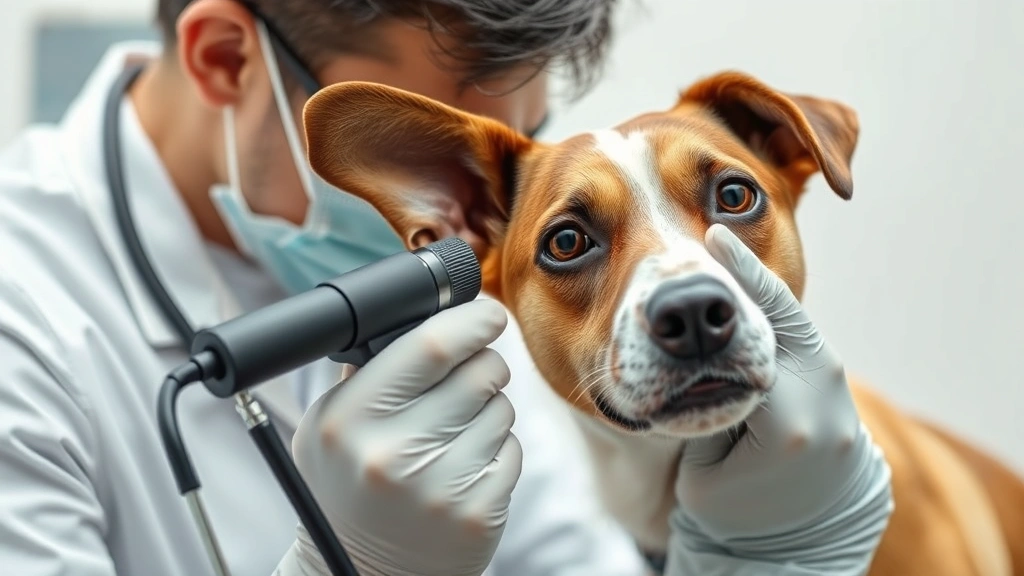
If your dog’s ear licking seems obsessive, compulsive, or is accompanied by other symptoms like head shaking, scratching, or odor, it’s time to call your vet. Excessive licking can indicate ear mites, yeast infections, allergies, or other medical conditions that require professional treatment. A veterinarian can perform an otoscopic exam and potentially take samples to identify any infections or parasites. Don’t assume it’s just a behavioral quirk if it seems abnormal. Your vet can rule out medical causes and provide appropriate treatment if needed. According to research from veterinary schools, many cases of excessive licking have underlying medical causes that shouldn’t be ignored.
The Bottom Line: Understanding Your Dog’s Communication
Your dog licks your ears for a variety of reasons—affection, attention-seeking, grooming instincts, anxiety relief, or sometimes medical issues. Most of the time, it’s a sign that your dog loves you and considers you part of their pack. While it might be a bit gross or annoying, it’s ultimately your dog’s way of communicating and bonding with you. By understanding the “why” behind the behavior, you can better respond to your dog’s needs and strengthen your relationship. Whether you encourage it or discourage it is entirely up to you, but knowing what’s driving the behavior is the first step to understanding your furry friend on a deeper level.
Frequently Asked Questions
Is it safe to let my dog lick my ears?
Generally, it’s safe, though not everyone enjoys it. However, if your dog has an ear infection or other health issues, their saliva could potentially transfer bacteria. If you’re concerned about hygiene or your dog has a medical condition, it’s best to discourage the behavior and consult your vet.
Why does my dog only lick my ears and not my partner’s?
Dogs often develop preferences for specific people based on scent, familiarity, and past interactions. If you spend more time with your dog or have a particular scent they find appealing, they might target your ears specifically. They might also sense that you’re more receptive to the behavior.
Can excessive ear licking be a sign of a serious problem?
Yes, obsessive ear licking—whether directed at you or their own ears—can indicate allergies, infections, parasites, or anxiety. If the behavior seems compulsive or is accompanied by other symptoms, definitely schedule a veterinary appointment to rule out medical issues.
How can I stop my dog from licking my ears without hurting their feelings?
Dogs are resilient! Redirecting their behavior to appropriate outlets (toys, lick mats) and rewarding them when they don’t lick your ears won’t hurt their feelings. They’ll simply learn that other behaviors earn them rewards and attention.
Do all dog breeds lick ears equally?
No, some breeds are naturally more oral-focused and prone to licking. Retrievers, Spaniels, and other mouth-oriented breeds tend to be lickier in general. However, individual personality and training also play significant roles.





