

If you’ve ever wondered why do dogs lick other dogs ears, you’re not alone—this quirky canine behavior baffles dog owners everywhere. One minute your pup is peacefully napping, and the next they’re giving their buddy’s ear a full-on tongue bath like it’s the most important job in the world. But here’s the thing: ear licking isn’t random doggy weirdness. It’s actually packed with meaning, from social bonding to health concerns that might need your attention.
Table of Contents
- The Pack Mentality: Social Bonding Through Ear Licking
- Ear Licking as a Sign of Affection and Submission
- Attention-Seeking Behavior and Playfulness
- Medical Concerns: When Ear Licking Becomes Problematic
- Skin Conditions and Allergies Behind the Licking
- The Role of Scent and Territorial Marking
- Grooming Behavior and Hygiene Habits
- Age and Developmental Stages in Ear Licking
- When to Worry: Signs That Ear Licking is Excessive
- How to Manage and Redirect Ear Licking Behavior
- Frequently Asked Questions
- Summary: Understanding Your Dog’s Ear Licking Habits
The Pack Mentality: Social Bonding Through Ear Licking
Dogs are pack animals, and ear licking is basically their version of a friendship bracelet exchange. When one dog licks another’s ears, they’re engaging in what behaviorists call “affiliative behavior.” This is canine code for “Hey, I like you, and we’re cool.” In the wild, wolves and wild dogs groom each other as a way to strengthen pack bonds and establish social hierarchies. Your domestic pup is doing the same thing—they’re saying your other dog is part of their inner circle. It’s actually kind of sweet when you think about it. Understanding dog happiness includes recognizing these bonding behaviors as signs of contentment and trust between canine companions.
Ear Licking as a Sign of Affection and Submission
Here’s where it gets interesting: ear licking can also signal submission and respect. In dog hierarchies, lower-ranking pack members often lick the ears of higher-ranking dogs as a way of showing deference. It’s not aggressive or threatening—it’s actually a way of maintaining peace in the pack. If your dog is the more submissive one doing the licking, they’re essentially saying, “You’re the boss, and I respect that.” This behavior helps prevent conflicts and keeps the social order smooth. It’s their way of keeping things chill and avoiding unnecessary drama.
Attention-Seeking Behavior and Playfulness
Sometimes dogs lick ears simply because they want attention or they’re in the mood to play. If your dog is doing the licking and the other dog seems to be enjoying it (or at least tolerating it), this could be pure playfulness. Dogs have different ways of initiating play, and ear licking can be one of them. It’s especially common in younger dogs or dogs with high energy levels. They might be saying, “Hey buddy, let’s do something fun!” If you notice this behavior happening during playtime or when your dogs are excited, it’s probably just them having a good time together.
Medical Concerns: When Ear Licking Becomes Problematic
Now, here’s where we need to talk about the less fun stuff. Excessive ear licking can sometimes indicate that something’s medically wrong. Dogs might obsessively lick another dog’s ears if they sense an infection, inflammation, or parasites. Ear infections are super common in dogs, and they can be caused by bacteria, yeast, or allergies. If you notice one dog constantly targeting the same ear on another dog, or if there’s redness, swelling, discharge, or a funky smell coming from the ear, it’s time to call your vet. Your dog might be trying to “help” by licking away infection, but they’re actually just spreading bacteria around. Additionally, parasites like ear mites can trigger this behavior. Tick-borne illnesses and other parasitic conditions can make ears itchy and uncomfortable, prompting excessive licking.
Skin Conditions and Allergies Behind the Licking
Allergies and skin conditions are major culprits behind obsessive ear licking. Dogs with food allergies, environmental allergies, or contact dermatitis often experience itchy ears. When one dog sees another dog scratching or licking their ears, they might start licking too—either out of curiosity or because they’re picking up on the discomfort. Conditions like mange on dogs can cause severe itching and ear problems. If your dog has allergies, they might be more prone to ear issues, and their buddy might pick up on this and start excessive licking. Watch for signs like redness, hair loss, or constant scratching. These are red flags that warrant a vet visit.
The Role of Scent and Territorial Marking
Dogs have an incredible sense of smell, and ears produce a lot of scent. When your dog licks another dog’s ears, they’re also gathering information about that dog’s health, diet, and emotional state. It’s like reading a newspaper written in smell. Additionally, by licking ears, dogs might be leaving their own scent behind, which is a subtle way of marking territory and establishing that “this is my friend” vibe. The ears are a prime real estate location for scent glands, so licking them serves dual purposes: gathering intel and leaving a calling card.
Grooming Behavior and Hygiene Habits
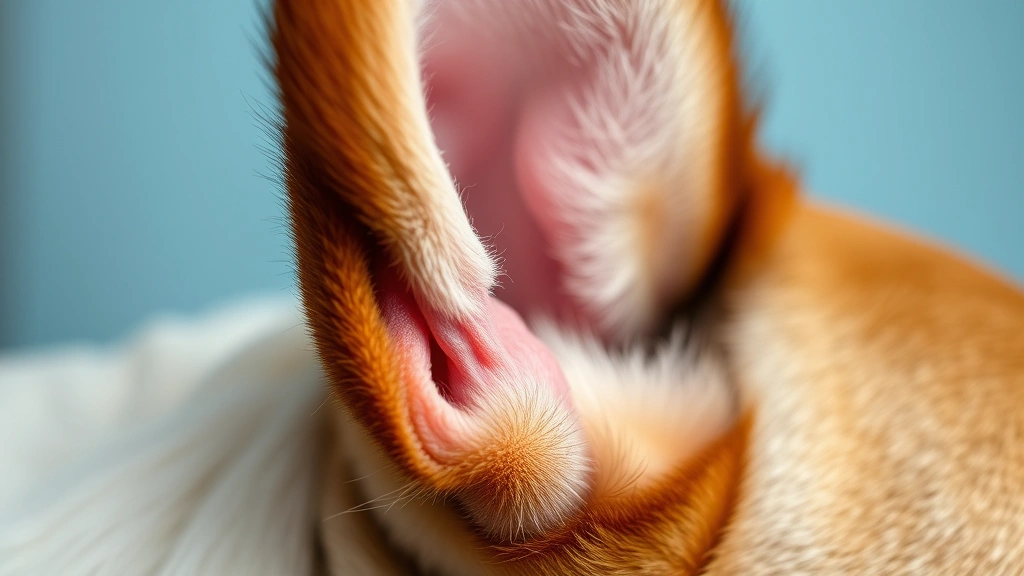
Grooming is a fundamental dog behavior, and ears are notoriously hard for dogs to clean themselves. When one dog licks another’s ears, they might genuinely be trying to help with grooming and hygiene. This is especially true if you have a dog with floppy ears or excessive ear hair. The licker might see themselves as a helpful friend, doing their buddy a solid by keeping their ears clean. Of course, dogs aren’t exactly professional groomers, so this “help” might not always be effective or welcome. But the intent is usually good—they’re just being helpful in their own doggy way.
Age and Developmental Stages in Ear Licking
Puppies and younger dogs are more likely to engage in ear licking than older dogs. This is partly because they’re still learning social skills and haven’t quite figured out the boundaries of appropriate behavior. Puppies might lick ears as part of their play and exploration phase. As dogs mature, this behavior often decreases, though it can continue in dogs that are particularly social or affectionate. If you have a puppy, don’t be alarmed if they’re licking everything in sight—it’s just part of growing up and figuring out how to interact with their world.
When to Worry: Signs That Ear Licking is Excessive
So how do you know when ear licking crosses the line from cute to concerning? Excessive ear licking usually means something’s wrong. Warning signs include:
- One dog obsessively licking the same ear repeatedly
- Visible redness, swelling, or discharge from the ear
- A foul odor coming from the affected ear
- The licked dog showing signs of pain or discomfort
- Hair loss around the ears from constant licking
- The licked dog trying to escape or showing aggression
If you’re seeing any of these signs, schedule a vet appointment. Your vet can rule out infections, parasites, allergies, and other medical issues. It’s better to be safe than sorry when it comes to your pup’s health. Safe home remedies might help, but professional diagnosis is essential first.
How to Manage and Redirect Ear Licking Behavior
If the ear licking is just normal bonding behavior and not excessive, you probably don’t need to do anything. Let your dogs be dogs. However, if it’s becoming a problem, here are some strategies:
- Provide distractions: Offer toys, puzzle feeders, or chew items to redirect their attention
- Increase exercise: A tired dog is less likely to engage in obsessive behaviors
- Create separation: If one dog is constantly licking the other, give them separate spaces during the day
- Use positive reinforcement: Reward your dog when they interact with their buddy without licking ears
- Consult a trainer: A professional dog trainer can help with behavioral issues
Remember, punishment usually doesn’t work and can actually increase stress and anxiety, making the behavior worse.

Frequently Asked Questions
Is it normal for dogs to lick each other’s ears?
Yes, it’s completely normal! Ear licking is a common dog behavior that usually indicates affection, bonding, or grooming. However, excessive licking can signal medical issues like infections or allergies, so monitor the frequency and intensity.
Can ear licking spread infections between dogs?
Absolutely. If one dog has an ear infection, the licking dog can spread bacteria or yeast to themselves or other dogs. This is why it’s important to get ear infections treated quickly and prevent excessive licking during the healing process.
Why do dogs lick ears more than other body parts?
Ears produce a lot of scent and are difficult for dogs to clean themselves. They’re also a sensitive area that can be itchy or uncomfortable, making them a focus point for grooming and attention. Plus, the ear area has scent glands that dogs find interesting.
Should I stop my dog from licking other dogs’ ears?
If it’s occasional and gentle, there’s no need to stop it. But if it’s excessive, obsessive, or causing discomfort to the other dog, you should redirect the behavior and check with your vet to rule out medical issues.
What does it mean if my dog only licks one specific dog’s ears?
This usually means your dog has bonded particularly strongly with that dog or sees them as lower in the social hierarchy. It could also mean that specific dog has an ear problem that’s attracting your dog’s attention.
Summary: Understanding Your Dog’s Ear Licking Habits
So, why do dogs lick other dogs ears? The answer is usually a combination of factors: social bonding, affection, submission, grooming, and sometimes medical concerns. Most of the time, it’s a harmless and even endearing behavior that shows your dogs care about each other. But it’s important to stay vigilant and watch for signs of excessive licking or medical issues. If your dog’s ear licking seems abnormal or is accompanied by other symptoms, don’t hesitate to contact your vet. They can determine whether it’s just normal doggy behavior or something that needs treatment. In the meantime, enjoy watching your pups interact—even if it is a little gross sometimes!





