
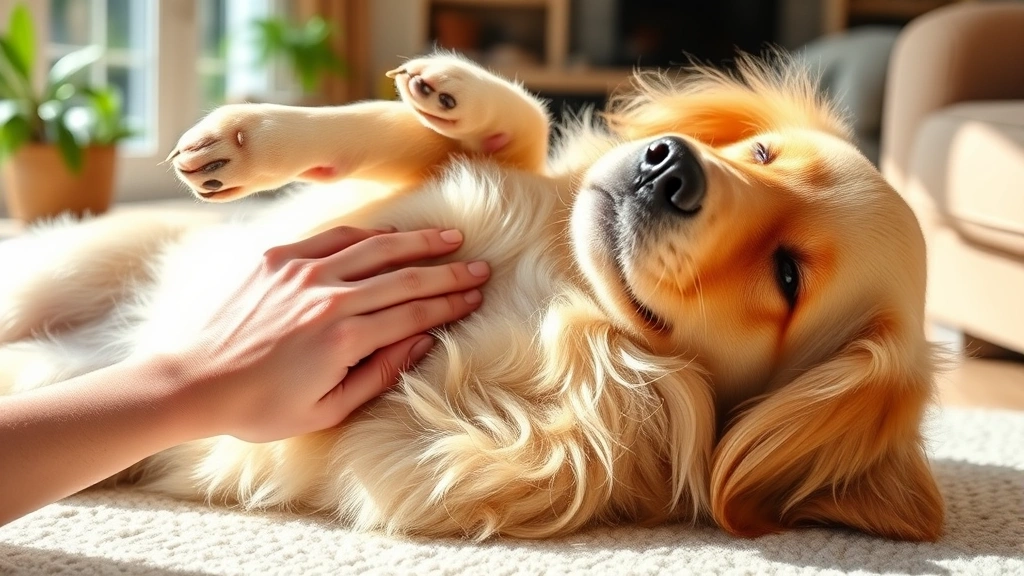
Why do dogs like a belly rub so much that they’ll flop over and wiggle with pure joy the moment you reach down to scratch their tummy? It turns out there’s actual science behind those adorable belly-up moments, and it’s way more interesting than just “dogs are weird.” Let’s dig into what’s really happening when your pup exposes their most vulnerable spot and begs for those magical scratches.
Table of Contents
- The Vulnerability Factor: Trust and Bonding
- The Scent Glands and Marking Territory
- Nerve Endings and Physical Pleasure
- The Grooming Connection and Skin Health
- Dopamine Release and Chemical Rewards
- Breed-Specific Belly Rub Preferences
- Reading Your Dog’s Belly Rub Signals
- The Temperature Regulation Theory
- Comparing Belly Rubs to Other Forms of Affection
- When Dogs Don’t Like Belly Rubs
- Frequently Asked Questions
- Conclusion: The Magic of Belly Rubs
The Vulnerability Factor: Trust and Bonding
When a dog rolls over and shows you their belly, they’re essentially saying “I trust you with my life.” The belly is one of the most vulnerable parts of a dog’s body—it contains vital organs and offers zero defense if things go south. In the wild, exposing your belly is basically asking to be attacked, so when your dog does this voluntarily, it’s a massive sign of trust and affection.
This behavior is deeply rooted in pack dynamics. Mother dogs lick their puppies’ bellies to stimulate digestion and check on their health. When your dog asks for belly rubs, they’re recreating that safe, nurturing bond. You’re not just scratching an itch; you’re reinforcing a relationship built on mutual trust. It’s the canine equivalent of a hug, and honestly, it’s pretty beautiful when you think about it.
The Scent Glands and Marking Territory
Here’s something most dog owners don’t realize: your pup’s belly is covered in scent glands. When they roll around and expose their tummy, they’re not just enjoying the physical sensation—they’re also marking you as part of their pack. Dogs have apocrine glands all over their body, including their belly, which release pheromones that communicate all sorts of information to other dogs.
By rolling on their back and rubbing against your hands, your dog is essentially saying “This human belongs to me” and “I belong to this human.” It’s a form of scent-marking that strengthens your bond and makes them feel more secure. Every belly rub is actually a territorial claim, which explains why some dogs get extra wiggly when you hit that sweet spot—they’re doubling down on their pack membership.
Nerve Endings and Physical Pleasure
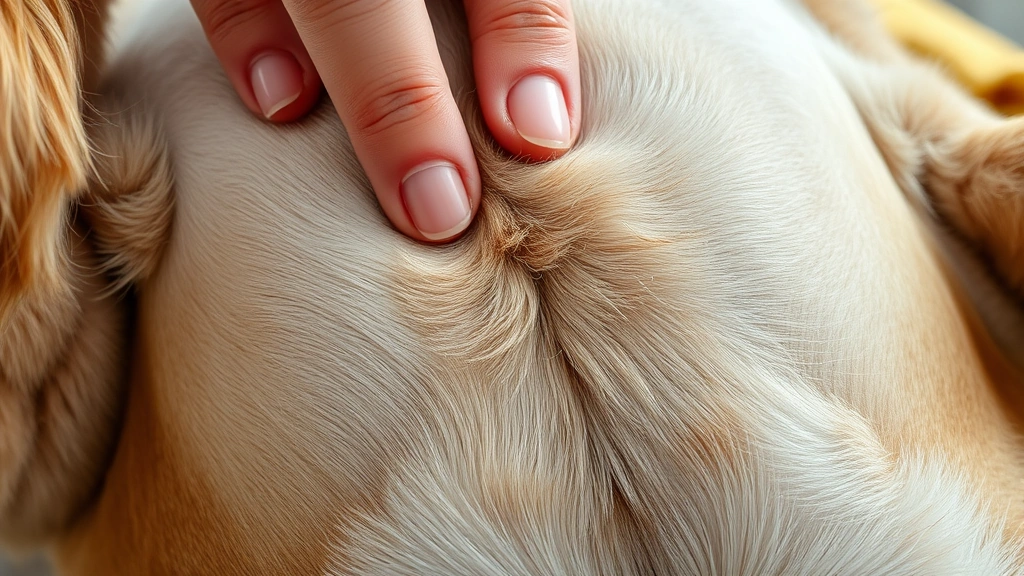
The belly area has a higher concentration of nerve endings compared to other parts of a dog’s body. These nerve endings are incredibly sensitive, which means belly rubs create intense sensations of pleasure. When you scratch or rub your dog’s belly, you’re stimulating these nerve endings in a way that feels absolutely amazing to them.
Think of it like how a back massage feels incredible to humans. The pressure, the movement, the warmth of your hands—it all combines to create a sensation that’s both relaxing and stimulating. Some dogs prefer light scratches, while others want deep pressure. This preference varies by breed and individual dog, but the underlying reason is the same: those nerve endings are firing on all cylinders, sending pleasure signals straight to their brain.
The Grooming Connection and Skin Health
In the wild, dogs groom each other as a bonding ritual and to maintain skin health. When your dog asks for belly rubs, they’re tapping into that ancient grooming instinct. The scratching and rubbing action can help remove loose fur, distribute natural oils across their skin, and keep their coat healthy.
For long-haired dogs, belly rubs are especially beneficial because they help prevent matting and tangling in that hard-to-reach area. The physical action of your fingers moving through their fur stimulates the skin underneath, promoting better circulation and healthier skin overall. So when your dog rolls over for a belly rub, they might actually be asking for a little grooming session that benefits their physical health.
Dopamine Release and Chemical Rewards
When you give your dog a belly rub, their brain releases dopamine—the “feel-good” chemical. This is the same neurotransmitter that makes humans feel happy and content. Dogs become addicted to belly rubs not because they’re spoiled (okay, maybe a little), but because their brain is literally rewarding them for seeking out this interaction.
This dopamine release also strengthens the association between you and positive feelings. Your dog learns that when you’re around, good things happen. This is why belly rubs are so powerful for building a strong human-dog bond. Every time you scratch that belly, you’re creating a positive feedback loop in their brain that makes them love you even more. It’s science-backed affection, and it’s working exactly as evolution intended.
Breed-Specific Belly Rub Preferences
Not all dogs are created equal when it comes to belly rub enthusiasm. Some breeds, like Lab and Husky mixes, are notoriously belly-rub obsessed, while others are more reserved about exposing their vulnerable spots. Smaller breeds sometimes enjoy belly rubs more than larger breeds, possibly because they feel more secure when their vital organs are protected by your hands.
Terriers and hunting breeds might be less enthusiastic about prolonged belly exposure because their instincts keep them alert. Meanwhile, companion breeds that were specifically developed to bond with humans often go absolutely bonkers for belly rubs. If you’ve got a low-maintenance dog that seems indifferent to belly rubs, don’t worry—they might just show affection in different ways.
Reading Your Dog’s Belly Rub Signals
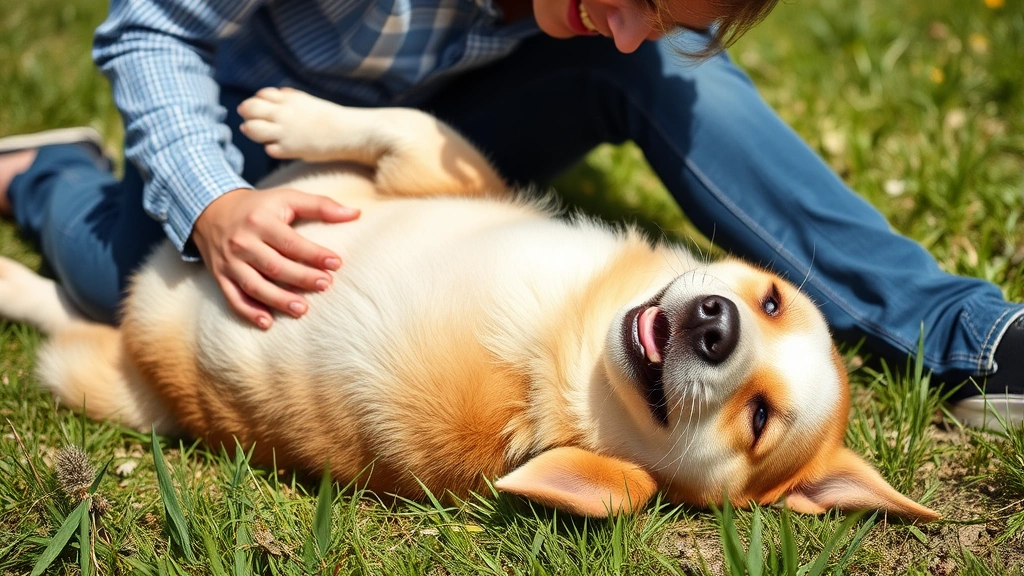
Not every dog wants a belly rub all the time, and it’s crucial to read your dog’s body language. A dog that’s truly enjoying a belly rub will have a relaxed face, soft eyes, and their tail will be wagging. Their body will be loose and wiggly, not tense.
If your dog starts showing signs of discomfort—ears pinned back, tail tucked, skin twitching, or trying to move away—stop immediately. Some dogs use the belly-up position as a submissive gesture when they’re anxious, not as an invitation for touching. Always respect your dog’s boundaries, even when they’re the ones who asked for the rub in the first place. A dog can change their mind, and that’s totally okay.
The Temperature Regulation Theory
Here’s another reason your dog might crave belly rubs: temperature regulation. The belly has thinner fur than the rest of the body, and it’s closer to the skin surface. When your dog is feeling too warm, rolling on their back and exposing their belly helps them cool down more efficiently. Your cool hands on their belly provide additional relief.
During hot months, you might notice your dog asking for more belly rubs than usual. They’re not just being cute—they’re trying to regulate their body temperature. This is especially important for dogs with thick coats or breeds prone to overheating. So those belly rubs aren’t just emotionally satisfying; they can actually serve a practical thermoregulation function.
Comparing Belly Rubs to Other Forms of Affection
While belly rubs are amazing, they’re just one of many ways dogs show and receive affection. Some dogs prefer ear scratches, neck rubs, or paw massages. Others love a good chest scratch or a gentle head pet. The key is learning what your individual dog prefers and respecting those preferences.
According to the American Kennel Club (AKC), different dogs have different sensitivities and preferences based on their genetics, breed history, and individual personality. What matters most is that you’re engaging in physical touch that your dog enjoys and that strengthens your bond. For many dogs, even small dog breeds love a good belly rub, but always pay attention to your specific pup’s signals.
When Dogs Don’t Like Belly Rubs
Some dogs genuinely don’t enjoy belly rubs, and that’s completely normal. Dogs that have experienced trauma, abuse, or neglect might be uncomfortable with belly exposure. Rescue dogs sometimes need time to build trust before they’re willing to show you their vulnerable side. Respect this, and don’t force the issue.
Additionally, some dogs have medical conditions that make belly touching painful or uncomfortable. If your dog suddenly stops enjoying belly rubs or shows signs of pain, consult your veterinarian. A change in behavior can indicate underlying health issues that need attention. Always prioritize your dog’s comfort and wellbeing over getting your belly-rub fix.
Frequently Asked Questions
Is it bad to give dogs too many belly rubs?
No, belly rubs aren’t bad for your dog, but excessive stimulation can sometimes lead to overstimulation. If your dog starts nipping, growling, or seems frustrated, they’ve had enough. Most dogs will let you know when they’re done by getting up and walking away. Quality over quantity is the key.
Why does my dog kick their leg when I rub their belly?
That adorable leg-kicking reflex is called the scratch reflex. When you hit a specific spot on their belly, nerves send signals that trigger an automatic kicking response. It’s the same reason your leg kicks when the doctor taps your knee—it’s a neurological reflex, not a conscious action.
Can belly rubs help calm an anxious dog?
Yes, belly rubs can help calm anxious dogs because of the dopamine release and the trust-building aspect. However, if your dog is showing submissive belly exposure due to anxiety, forcing belly rubs might make things worse. Let your dog initiate the contact, and focus on creating a calm, safe environment.
Do all dog breeds enjoy belly rubs equally?
No, breed tendencies play a role, but individual personality is more important. Some dogs are naturally more affectionate and tactile, while others prefer their space. Pay attention to your dog’s unique preferences rather than assuming all dogs of a certain breed will love belly rubs the same way.
What’s the difference between a dog asking for belly rubs and showing submission?
A dog asking for belly rubs will approach you with a relaxed body, soft eyes, and often paw at you or nudge you. A submissive dog will roll over more stiffly, might have ears pinned back, and could look tense. Context matters—is your dog happy and playful, or are they anxious and scared?
Conclusion: The Magic of Belly Rubs
So why do dogs like belly rubs? The answer isn’t just one thing—it’s a beautiful combination of trust, physical pleasure, bonding, and instinct. From the nerve endings that create pure sensation to the dopamine that reinforces the bond between you and your pup, belly rubs are one of the most rewarding interactions you can have with your dog.
Every time your dog flops over and wiggles with joy, they’re telling you they trust you completely. They’re recreating that safe feeling from puppyhood, marking you as part of their pack, and experiencing genuine pleasure. It’s not just cute—it’s a fundamental expression of the human-dog bond that’s kept our species together for thousands of years.
The next time your dog asks for a belly rub, take a moment to appreciate what’s really happening. You’re not just scratching an itch; you’re participating in a complex dance of trust, affection, and biology. And honestly, that makes those belly rubs even more special. Now get out there and give your pup the belly rubs they deserve—science says it’s good for both of you.
For more information about dog behavior and health, consult resources like the American Kennel Club, PetMD, or speak with your veterinarian. Every dog is unique, and professional guidance can help you better understand your individual pet’s needs and preferences.





