
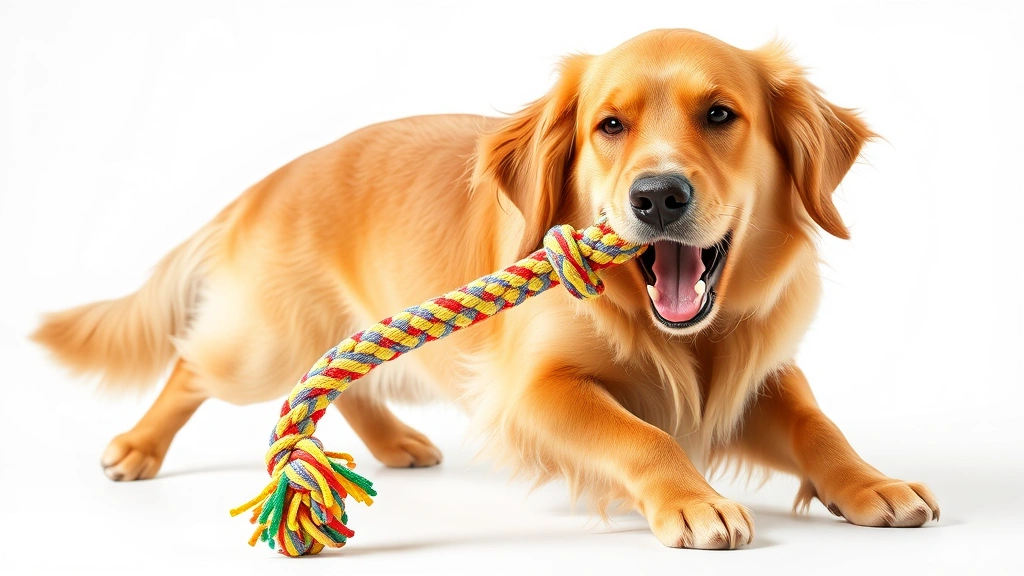
Why do dogs like tug of war? It’s one of those questions that makes dog owners scratch their heads while their furry friend is practically vibrating with excitement at the sight of a rope toy. The answer isn’t just “because it’s fun”—though it absolutely is. There’s actually some fascinating science and evolutionary biology behind your pup’s obsession with this classic game.
Table of Contents
- The Predatory Drive: Nature’s Hunting Instinct
- Pack Hierarchy and Dominance Games
- Mental Stimulation and Cognitive Engagement
- Bonding and Social Connection
- Physical Exercise and Strength Building
- The Thrill of Competition and Winning
- Stress Relief and Emotional Regulation
- Toy Possession and Resource Guarding
- Breed-Specific Instincts and Tug of War Preferences
- Safety Considerations for Tug of War
- Training Opportunities Hidden in Tug of War
- Frequently Asked Questions
- Conclusion: Understanding Your Dog’s Love for Tug of War
Tug of war taps into some deeply rooted canine instincts that have been passed down through generations, from their wolf ancestors to your couch-dwelling companion. Understanding why your dog loves this game can actually help you bond with them better and use it as a training tool. Let’s dig into the five proven instincts that make tug of war irresistible to dogs.
The Predatory Drive: Nature’s Hunting Instinct
First up on our list of why dogs like tug of war is their predatory drive. Even the tiniest Chihuahua carries the DNA of wolves and hunting ancestors. When your dog grabs that rope toy and starts shaking it vigorously, they’re not just playing—they’re mimicking the exact movements they’d use to take down prey in the wild.
That violent head-shaking motion? That’s called the “kill shake,” and it’s an instinctive behavior that helped their ancestors survive. The rope toy becomes a substitute for a small animal, and the tug-of-war game allows them to express this natural hunting behavior in a safe, controlled environment. It’s basically their way of saying, “Look at me, I’m still got it!” even if their biggest accomplishment today was napping on the couch.
Dogs with higher prey drive—like Mountain Feist Dogs and herding breeds—tend to be especially enthusiastic about tug of war. These breeds were literally bred to chase and catch things, so the game speaks directly to their purpose.
Pack Hierarchy and Dominance Games
Here’s where things get interesting. In wolf packs, play-fighting and wrestling establish social order. When your dog engages in tug of war with you, they’re not necessarily trying to “dominate” you (that’s a myth that’s been largely debunked by modern animal behaviorists), but they are negotiating their place in the pack hierarchy.
Tug of war is essentially a physical conversation about status and boundaries. Your dog learns that sometimes they win, sometimes they lose, and that’s okay. This back-and-forth dynamic actually helps them understand their role within your family unit. It’s surprisingly educational for them, even though it looks like mindless fun.
The key is that you should always win the final round. This reinforces that you’re the leader without making your dog feel submissive or anxious. It’s a healthy way to establish boundaries while still letting them have their moment of glory.
Mental Stimulation and Cognitive Engagement
Dogs aren’t just mindless furballs—they need mental stimulation just like we do. Tug of war provides excellent cognitive engagement because it requires strategy, strength, and problem-solving. Your dog has to figure out the best angle to pull, when to hold firm, and when to adjust their grip.
This mental workout is just as important as physical exercise. A dog that’s mentally stimulated is a well-behaved dog. They’re less likely to develop destructive behaviors like chewing furniture or digging holes in your yard. Tug of war essentially gives their brain a workout while they’re having fun, which is a win-win situation for everyone involved.
For dogs that need extra mental enrichment, like McNab Dogs, tug of war can be incorporated into training sessions to keep them engaged and focused.
Bonding and Social Connection
Let’s get sentimental for a second. When you play tug of war with your dog, you’re not just playing a game—you’re bonding. This interactive play strengthens the emotional connection between you and your pup. It’s a form of communication that says, “I’m here, you’re here, and we’re doing this together.”
Dogs are pack animals, and they crave social interaction with their family members. Tug of war is one of the most engaging ways to provide that interaction. It’s more interactive than throwing a ball, and it requires direct physical contact and mutual participation. Your dog gets to feel your presence, hear your voice, and experience the joy of shared activity.
This bonding aspect is especially important for rescue dogs or dogs that have had rough starts. Positive play experiences help them learn that humans are trustworthy and fun to be around.
Physical Exercise and Strength Building
Obviously, tug of war is a physical activity, but it’s worth emphasizing how important this is for your dog’s overall health. The pulling motion engages multiple muscle groups—their neck, shoulders, back, and front legs all get a workout. For active dogs, this is an excellent way to burn off excess energy in a controlled manner.
Unlike running, which can be hard on joints, tug of war allows your dog to exert themselves at their own pace. They can pull as hard as they want, rest when they need to, and go again. It’s low-impact but high-engagement, making it suitable for dogs of various ages and fitness levels.
If you have long haired dogs, tug of war is a great indoor activity on days when grooming or weather makes outdoor exercise difficult.
The Thrill of Competition and Winning
Dogs are competitive creatures, and there’s something deeply satisfying about winning a game. When your dog successfully pulls the rope toy away from you (or when you let them think they did), they experience a genuine sense of accomplishment. This triggers the release of dopamine in their brain—the same feel-good chemical that makes humans happy.
The unpredictability of tug of war keeps it interesting. Sometimes they win, sometimes they lose, and sometimes it’s a draw. This variability makes the game more exciting than something with a predictable outcome. It’s like why slot machines are so addictive—the variable reward schedule is incredibly engaging.
This competitive element also explains why some dogs will obsessively seek out tug toys. They’re literally chasing that dopamine hit and the satisfaction of victory.
Stress Relief and Emotional Regulation
Just like humans, dogs experience stress and anxiety. Tug of war serves as an excellent outlet for releasing pent-up tension and emotional energy. The physical exertion combined with the focused engagement helps your dog process emotions and regulate their nervous system.
Dogs that engage in regular tug of war play often exhibit calmer behavior in other situations. They’ve had a healthy outlet for their instincts and energy, so they’re less likely to be anxious or reactive. It’s like giving them a therapy session disguised as playtime.
For dogs with anxiety issues, tug of war can be part of a comprehensive behavioral management plan. Always consult with your veterinarian or a certified dog behaviorist before using play as a therapeutic tool for anxious dogs.
Toy Possession and Resource Guarding
Here’s something interesting: tug of war actually helps teach your dog healthy attitudes about resource guarding. When you play tug of war correctly, your dog learns that releasing the toy to you doesn’t mean losing it forever. You give it back, and the game continues.
This is valuable training for preventing problematic resource guarding behaviors. Your dog learns that humans approaching their toys is a good thing—it means fun is about to happen. This positive association can prevent serious behavioral issues down the line.
Toys like the Lambchop Dog Toy are specifically designed for tug games and can help teach these important lessons in a fun, engaging way.
Breed-Specific Instincts and Tug of War Preferences
Different breeds have different instincts that make tug of war more or less appealing. Terriers, for example, have an incredibly strong prey drive and love the shaking aspect of tug of war. Herding dogs might prefer the pulling and tugging motion. Retriever breeds enjoy the possession aspect.
Understanding your dog’s breed tendencies can help you maximize their enjoyment of tug of war and use it as an effective training tool. Some dogs will naturally gravitate toward rope toys, while others might prefer rubber toys. Pay attention to your individual dog’s preferences—they’ll tell you what they like.
Safety Considerations for Tug of War
Before you go crazy with tug of war, let’s talk safety. This game isn’t appropriate for all dogs or all situations. Puppies with developing teeth and joints should play gently. Senior dogs with arthritis might find it uncomfortable. Dogs with aggressive tendencies need careful supervision and possibly professional guidance.
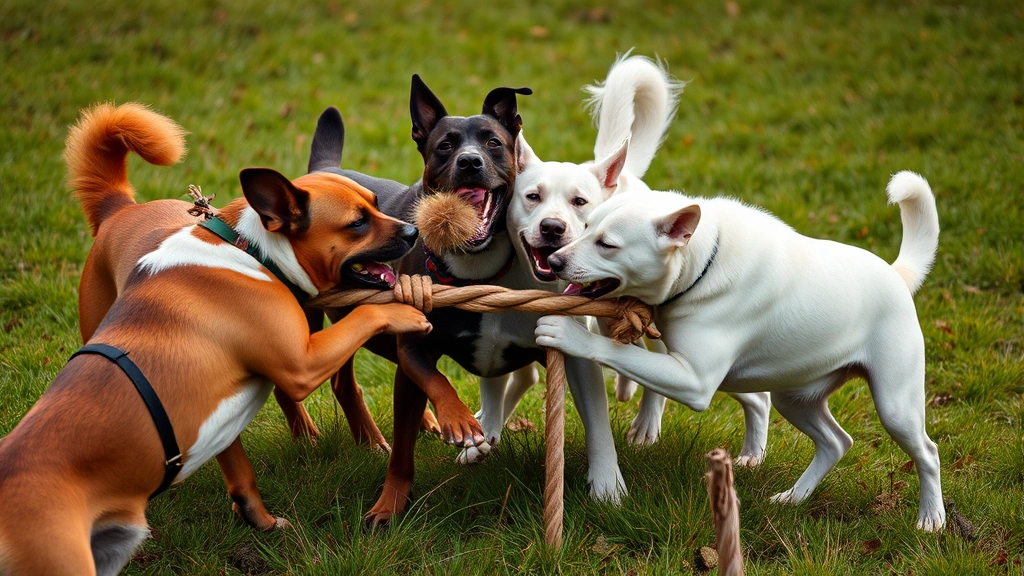
You should always supervise tug of war play and establish clear rules. The game should stop if your dog starts growling aggressively or refuses to release the toy. If your dog is guarding toys or showing signs of resource guarding, consult a professional dog trainer before playing tug of war.
According to the American Kennel Club, tug of war is a healthy game for most dogs when played correctly and supervised appropriately. The key is making sure both you and your dog understand the rules and boundaries.
Training Opportunities Hidden in Tug of War
Tug of war is more than just fun—it’s a training goldmine. You can teach your dog commands like “drop it” or “leave it” during tug of war, which translates to real-world obedience. You can use it as a reward for good behavior, making it a powerful positive reinforcement tool.
Many professional dog trainers incorporate tug of war into their training programs because it’s so effective at capturing a dog’s attention and motivation. The game itself becomes a training session disguised as playtime.
According to PetMD, incorporating play into training makes the learning process more enjoyable for both dog and owner, leading to better long-term results and a stronger bond.
Frequently Asked Questions
Is tug of war bad for dogs?
No, tug of war is not inherently bad for dogs. When played correctly with proper supervision and clear rules, it’s actually beneficial for their physical and mental health. The myth that tug of war makes dogs aggressive has been debunked by modern animal behaviorists. However, it’s not appropriate for all dogs—puppies, senior dogs, and dogs with certain health conditions should play gently or avoid it altogether.
Can tug of war make my dog aggressive?
Tug of war itself doesn’t cause aggression. In fact, it can help prevent aggression by providing a healthy outlet for competitive instincts. However, if your dog already has aggressive tendencies or resource guarding issues, you should consult a professional trainer before playing. The game should always be supervised, and you should establish clear rules about when play starts and stops.
How often should I play tug of war with my dog?
The frequency depends on your dog’s age, health, and energy level. Most healthy adult dogs can enjoy tug of war several times a week. Some high-energy dogs might benefit from daily play sessions. Pay attention to your dog’s condition and adjust accordingly. If your dog seems tired or sore after play, reduce the frequency or intensity.
What’s the best rope toy for tug of war?
The best rope toy is one that’s appropriate for your dog’s size and made from durable, non-toxic materials. Rope toys should be long enough that your dog can’t accidentally swallow the whole thing, and they should be inspected regularly for damage. Avoid toys with small parts that could be choking hazards. Different dogs have different preferences, so you might need to try a few options to find your dog’s favorite.
Should I always let my dog win at tug of war?
No, but you should let them win sometimes. The ideal scenario is a mix—sometimes you win, sometimes your dog wins, and sometimes it’s a draw. This teaches your dog that they can’t always win, which is an important life lesson. Always make sure the final interaction ends positively, with you being able to get the toy back and your dog being happy about it.
Conclusion: Understanding Your Dog’s Love for Tug of War
So, why do dogs like tug of war? The answer is multifaceted. It taps into their predatory instincts, helps them establish social hierarchy, provides mental stimulation, strengthens your bond, offers physical exercise, delivers competitive satisfaction, relieves stress, and teaches important lessons about resource sharing. It’s basically the perfect game for dogs.
Understanding these underlying instincts helps you appreciate your dog’s enthusiasm for the game and use it as a tool for bonding, training, and enrichment. The next time your dog brings you a rope toy with that hopeful look in their eyes, you’ll know exactly why they’re so excited—they’re tapping into millions of years of evolutionary programming.
Remember to play safely, supervise appropriately, and always pay attention to your individual dog’s preferences and limitations. With the right approach, tug of war can be one of the most rewarding games you play with your furry friend. According to UC Davis School of Veterinary Medicine, interactive play like tug of war is one of the most effective ways to maintain your dog’s physical and mental health throughout their life.





