

If you’ve ever wondered why do dogs love tennis balls so much, you’re not alone. That fuzzy yellow sphere seems to trigger pure joy in our canine companions, turning even the laziest couch potato into an Olympic athlete. But there’s actually some solid science behind this obsession, and it’s way more interesting than just “dogs like toys.”
Table of Contents
- The Texture Obsession: Why Fuzz Feels So Good
- The Sound Factor: That Squeaky Addiction
- The Chase Instinct: Motion Equals Excitement
- The Reward Loop: Dopamine and Tennis Balls
- The Size and Weight: The Goldilocks Toy
- The Scent Profile: Smells Like Adventure
- The Training Connection: Positive Association
- The Hunting Heritage: Breed-Specific Instincts
- Safety Considerations: Not All Tennis Balls Are Created Equal
- The Obsession Factor: When Love Becomes Too Much
- Frequently Asked Questions
- Conclusion: The Mystery Solved (Kind Of)
The Texture Obsession: Why Fuzz Feels So Good
Dogs have incredibly sensitive paws and mouths, packed with nerve endings that make them super responsive to different textures. Tennis balls have that soft, fuzzy exterior that’s absolutely irresistible to their tactile senses. When a dog grabs a tennis ball, they’re not just playing—they’re experiencing a sensory party. The fuzz provides the perfect amount of grip for their teeth and feels amazing in their mouth. It’s like the difference between touching a brick wall versus a plush blanket. Which would you rather hold? Exactly.
The texture also triggers their natural instinct to hunt and kill prey. In the wild, catching something fuzzy and shaking it would be a successful hunt. Tennis balls tap directly into that primal satisfaction, which is why your dog shakes that ball like they just took down a small gazelle.
The Sound Factor: That Squeaky Addiction
Here’s where it gets interesting. When a dog bites down on a tennis ball, it often makes a squeaking sound. That noise is basically dog catnip. It mimics the sounds of small animals in distress, which triggers their hunting drive even more intensely. Some dogs become absolutely obsessed with the squeak, biting repeatedly just to hear it again and again. It’s the same reason dogs go crazy for squeaky toys—that high-pitched sound is hardwired into their brains as “something worth chasing.”
This is also why some dogs will destroy a tennis ball within minutes if left unsupervised. They’re not being destructive for fun; they’re trying to “kill” their prey and access the squeaker inside. It’s a feature, not a bug, in dog psychology.
The Chase Instinct: Motion Equals Excitement
Dogs are chasers. It’s what they were bred to do for thousands of years. Tennis balls are the perfect size and weight for chasing—they’re light enough to bounce unpredictably but substantial enough to feel real. When you throw a tennis ball, it bounces erratically, which triggers your dog’s prey drive like nothing else. The unpredictable movement is key; it makes your dog’s brain light up like a Christmas tree.
This is why a tennis ball on a string is so much more exciting to a dog than a stationary toy. The movement creates the illusion of a living creature trying to escape, and your dog’s instincts take over completely. They’re not thinking about anything else—just the ball and the chase. It’s pure, unfiltered dog joy.
The Reward Loop: Dopamine and Tennis Balls
When your dog catches a tennis ball, their brain releases dopamine—the same chemical that makes humans feel happy and satisfied. This creates a powerful reward loop: throw ball → dog chases → dog catches → dopamine release → happy dog. Repeat this cycle a few times, and your dog is absolutely hooked. They’re literally getting a chemical high from playing fetch, which explains why they’ll bring the ball back to you again and again (well, most of the time).
This dopamine response is stronger with tennis balls than many other toys because of the combination of texture, sound, and movement all working together. It’s the perfect storm of canine satisfaction. Your dog isn’t just playing; they’re self-medicating with happiness.
The Size and Weight: The Goldilocks Toy
Tennis balls are just right. Not too big, not too small, not too heavy, not too light. They fit perfectly in a dog’s mouth, which makes them incredibly satisfying to carry and shake. This is why you rarely see dogs obsessed with basketballs or ping-pong balls—the size matters. A basketball is too big to get a good grip on, and a ping-pong ball is too light and doesn’t provide the same tactile feedback.
The weight also matters for the throwing experience. Tennis balls have enough heft to be thrown a decent distance, but they’re light enough that they bounce and move unpredictably. This combination creates the perfect toy physics for dog entertainment. It’s like someone specifically designed the tennis ball to be the ideal dog toy, which, ironically, they didn’t—it’s just a happy accident.
The Scent Profile: Smells Like Adventure
Here’s something most people don’t think about: tennis balls have a distinct smell. Whether it’s the rubber, the fuzz, or the manufacturing process, dogs can detect scents in tennis balls that we humans completely miss. Some dogs become so attached to a specific tennis ball that they’ll search for it among dozens of identical-looking balls, all because of the unique scent signature.
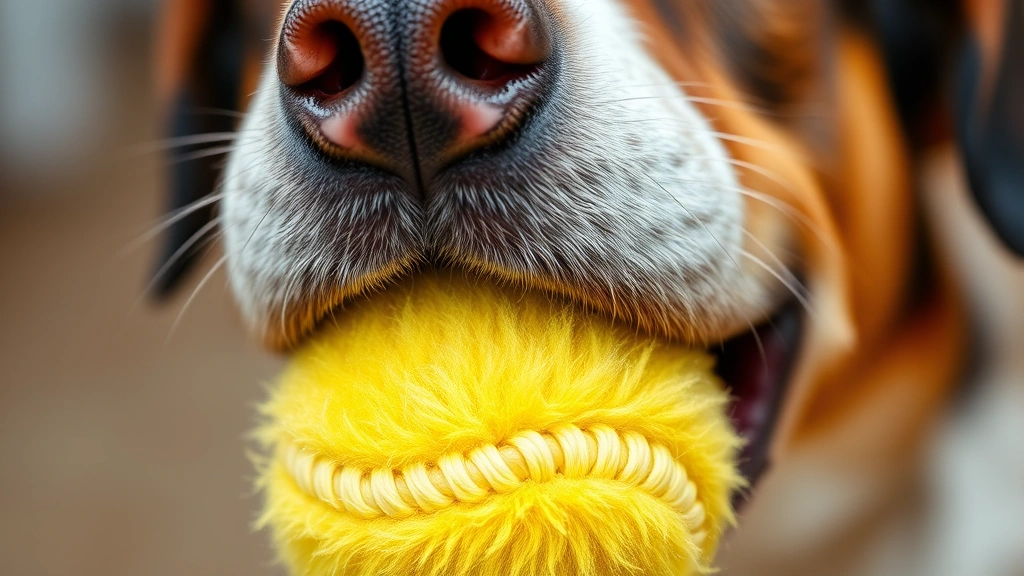
Additionally, if you’ve been playing with the ball for a while, it picks up your scent and your dog’s scent. This makes it even more rewarding—it smells like their favorite human and like their own adventures. It becomes a comfort object as much as a toy. This is why some dogs will sleep with their tennis ball or carry it around the house all day.
The Training Connection: Positive Association
Most dogs learn early on that tennis balls mean good things are about to happen. If you bring out a tennis ball, it usually means playtime, exercise, and bonding with their favorite person. This positive association becomes deeply ingrained in their brain. The sight of a tennis ball triggers excitement because it’s been paired with fun experiences repeatedly.
If you’ve ever used a tennis ball as a reward during training, you’ve probably noticed how motivated your dog becomes. This is why tennis balls are so effective in dog training—they’re not just toys; they’re promises of fun and reward. Your dog’s brain has learned that tennis balls equal happiness, and they respond accordingly.
The Hunting Heritage: Breed-Specific Instincts
Certain dog breeds are particularly obsessed with tennis balls because of their breeding history. Retrievers, for example, were bred specifically to fetch and retrieve game birds. For them, chasing and catching a tennis ball is like asking a chef to cook—it’s what they were born to do. Terriers, bred to chase small animals, also go absolutely bonkers for tennis balls because the motion triggers their prey drive intensely.
Even dogs without specific retriever or hunting backgrounds have these instincts buried deep in their DNA. All dogs descend from wolves, and all wolves hunt. So when your Chihuahua goes crazy for a tennis ball, they’re channeling thousands of years of hunting heritage. It’s pretty cool when you think about it.
Safety Considerations: Not All Tennis Balls Are Created Equal
Before you throw unlimited tennis balls at your pup, know this: not all tennis balls are safe for dogs. The fuzzy coating can wear off and be ingested, which isn’t great for digestion. Tennis balls can also wear down your dog’s teeth over time if they chew them obsessively. Additionally, the rubber can contain chemicals that aren’t ideal for dogs to ingest regularly.
The best practice is to supervise tennis ball play and remove the ball when your dog starts destroying it. Consider getting dog-specific balls that are designed to be safer for chewing and ingestion. Your dog’s enthusiasm for tennis balls doesn’t mean they should have unlimited access to them. Think of it like giving a kid unlimited candy—just because they love it doesn’t mean it’s good for them.
If your dog has joint issues or is an older pup, check out joint supplements for dogs to keep them healthy during active play sessions. And if your dog is a couch potato who needs motivation to exercise, low maintenance dogs might be more your speed, though tennis balls can help even lazy dogs get moving.
The Obsession Factor: When Love Becomes Too Much
Some dogs develop an unhealthy obsession with tennis balls. They’ll ignore food, refuse to do anything else, and become anxious if the ball isn’t available. This kind of obsessive behavior can actually be a sign of anxiety or compulsive disorder. If your dog is obsessed to the point of dysfunction, it might be worth talking to your vet about it.
The key is balance. Tennis balls are great for exercise and enrichment, but they shouldn’t be your dog’s entire world. Mix up their toys, provide other forms of enrichment, and make sure they’re getting enough mental stimulation beyond just ball chasing. A well-rounded dog has interests beyond one toy, no matter how perfect that toy is.
Frequently Asked Questions
Is it safe for dogs to play with tennis balls?
Tennis balls are generally safe for supervised play, but there are some concerns. The fuzzy coating can wear off and be ingested, and the rubber can contain chemicals. It’s best to supervise play and remove the ball when your dog starts destroying it. Consider dog-specific balls designed to be safer for regular chewing.

Why does my dog carry a tennis ball everywhere?
Your dog carries the tennis ball because it provides comfort and security. The ball is associated with positive experiences, smells like you and their own adventures, and provides sensory satisfaction. It’s like a security blanket for dogs. Some dogs even sleep with their tennis balls.
Can tennis balls damage my dog’s teeth?
Yes, excessive chewing on tennis balls can wear down your dog’s teeth over time. The rough texture of the fuzz and the hardness of the rubber can contribute to dental wear. If your dog is a heavy chewer, limit their access to tennis balls or provide alternatives like softer rubber toys.
Why do some dogs not care about tennis balls?
Not every dog is obsessed with tennis balls, and that’s completely normal. Some dogs have lower prey drives, different texture preferences, or simply weren’t exposed to tennis balls early in life. Every dog has unique preferences, and that’s okay. Some dogs prefer other toys or activities entirely.
How often should I let my dog play with tennis balls?
There’s no strict rule, but moderation is key. A few times a week for 15-30 minute sessions is usually fine for most dogs. If your dog is obsessed or showing signs of compulsive behavior, limit access and provide other forms of enrichment. Always supervise play and remove the ball if your dog starts destroying it.
Conclusion: The Mystery Solved (Kind Of)
So why do dogs love tennis balls? The answer isn’t just one thing—it’s a perfect combination of texture, sound, size, movement, scent, and deeply ingrained hunting instincts. Tennis balls tap into multiple aspects of dog psychology and physiology simultaneously, making them almost irresistible to most canines.
The fuzzy texture feels amazing in their mouth, the squeaky sound triggers their prey drive, the unpredictable bounce activates their chase instinct, and catching it releases dopamine that makes them feel amazing. Add in the positive associations they’ve learned and the breed-specific hunting heritage, and you’ve got the ultimate dog toy.
That said, moderation is important. While tennis balls are fantastic for exercise and bonding, they shouldn’t become an obsession. Supervise play, rotate toys, and make sure your dog is getting well-rounded enrichment. And if your dog is experiencing joint pain from all that running around, memory foam dog beds can provide comfort during rest time.
The next time your dog goes absolutely bananas for a tennis ball, you’ll know exactly what’s happening in that fuzzy little brain of theirs. It’s not just play—it’s instinct, chemistry, and pure joy all wrapped up in a yellow fuzzy sphere. And honestly, that’s pretty amazing.
For more insights into dog behavior and care, check out resources from the American Kennel Club, PetMD, and your local veterinary school for evidence-based information about keeping your pup happy and healthy.





