
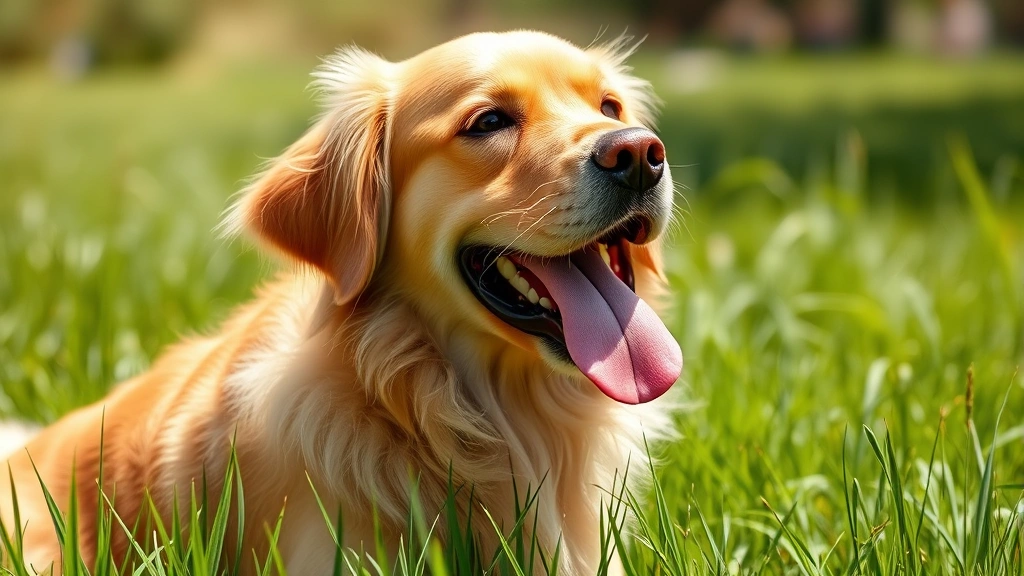
If you’ve ever wondered why do dogs pant so much, you’re not alone—it’s one of the most common questions new dog owners ask. Unlike humans who sweat to cool down, dogs rely heavily on panting as their primary cooling mechanism, and understanding this behavior is crucial for keeping your furry friend healthy and happy.
Table of Contents
- The Basics: How Dogs Cool Themselves Through Panting
- Reason #1: Temperature Regulation and Heat Management
- Reason #2: Emotional Stress and Anxiety
- Reason #3: Pain and Discomfort
- Reason #4: Medical Conditions and Health Issues
- Reason #5: Excitement and Anticipation
- When Should You Worry About Dog Panting?
- Breed-Specific Panting Patterns
- Tips for Managing Your Dog’s Panting
- Frequently Asked Questions
- Conclusion: Understanding Your Dog’s Panting Behavior
The Basics: How Dogs Cool Themselves Through Panting
Dogs don’t have sweat glands all over their bodies like we do. Instead, they have a few sweat glands on their paw pads, which isn’t nearly enough to regulate their body temperature effectively. This is where panting comes in—it’s essentially their air conditioning system. When a dog pants, they’re rapidly inhaling and exhaling air, which allows moisture to evaporate from their mouth, tongue, and respiratory tract. This evaporation process pulls heat away from their body, bringing their core temperature down to a safe level.
Think of it like this: when you blow on hot soup to cool it down, you’re using the same principle that dogs use when they pant. It’s simple, elegant, and absolutely essential for their survival, especially during warmer months.
Reason #1: Temperature Regulation and Heat Management
The most obvious reason dogs pant excessively is to cool down. Whether your pup just finished a rousing game of fetch or it’s a scorching summer day, panting is their go-to cooling strategy. This is particularly important because dogs can’t regulate their body temperature as efficiently as humans can, making them more susceptible to heat stress and heat stroke.
Certain breeds are especially prone to overheating, including brachycephalic (flat-faced) breeds like Bulldogs, Pugs, and Boston Terriers. These dogs have shorter airways and less efficient cooling systems, so they tend to pant more frequently and heavily. If you own one of these breeds, you’ll want to be extra vigilant about keeping them cool during hot weather.
Pro tip: Always provide fresh water and shaded areas for your dog, especially during exercise or in warm weather. If your dog is panting excessively and seems distressed, it could be a sign of heat exhaustion—a serious condition that requires immediate veterinary attention.
Reason #2: Emotional Stress and Anxiety
Dogs don’t just pant when they’re physically hot. They also pant when they’re emotionally stressed, anxious, or excited. If your dog is panting heavily during a thunderstorm, at the vet’s office, or when you’re getting their leash for a car ride, they’re likely experiencing some level of stress or anticipation.
This type of panting is a natural physiological response to stress hormones like adrenaline. You might notice your dog’s ears pulled back, their tail tucked, or their pupils dilated—all signs that they’re anxious. Some dogs are just naturally more anxious than others, so if your pup is a chronic stress-panter, there are ways to help them cope, including desensitization training, calming supplements, or even anxiety medication prescribed by your vet.
Reason #3: Pain and Discomfort
If your dog is panting more than usual without an obvious reason like heat or exercise, pain could be the culprit. Dogs in discomfort often pant as a way to cope with their distress. This could indicate anything from arthritis and dental pain to internal injuries or illnesses.
A lethargic dog that’s also panting excessively should definitely be evaluated by a veterinarian. Other signs of pain include restlessness, reluctance to move, whimpering, or changes in eating and drinking habits. Don’t ignore these signals—they’re your dog’s way of telling you something isn’t right.
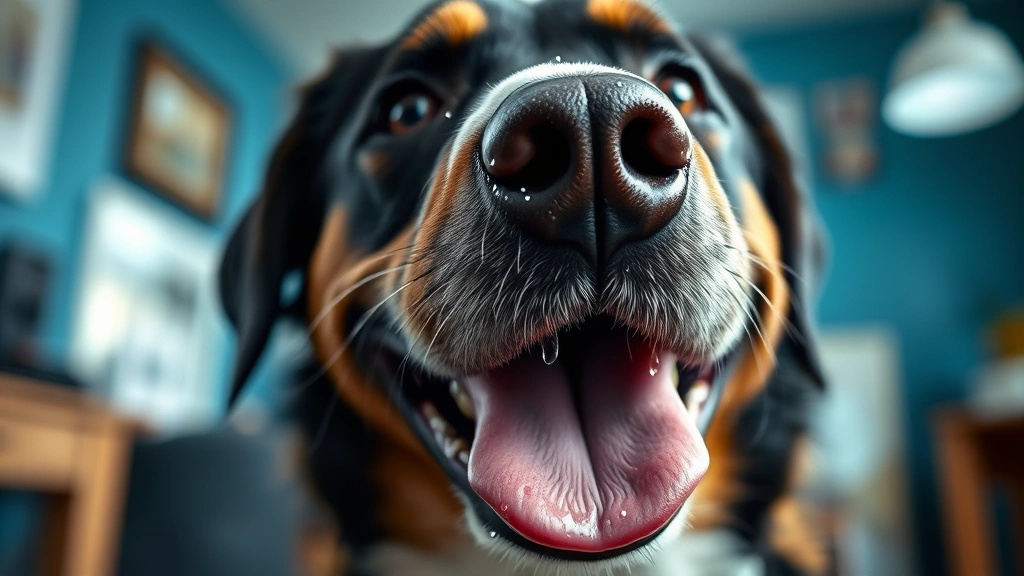
Reason #4: Medical Conditions and Health Issues
Excessive panting can be a symptom of various medical conditions that require professional attention. Conditions like heart disease, respiratory infections, hormonal imbalances (such as Cushing’s disease), and even certain medications can cause increased panting.
Laryngeal issues are another concern—laryngeal paralysis in dogs can make breathing and panting more difficult and noisy. If your dog’s panting sounds different than usual, is accompanied by coughing, or seems labored, contact your vet immediately. Additionally, obesity can exacerbate panting because overweight dogs have to work harder to cool themselves down and move around.
Certain supplements and remedies might help with overall wellness—for example, is turmeric good for dogs is a question many owners ask when looking for natural anti-inflammatory options. Always consult your veterinarian before introducing new supplements or treatments.
Reason #5: Excitement and Anticipation
Not all panting indicates a problem. Dogs also pant when they’re excited or anticipating something fun. If your pup starts panting when you grab their leash, head to the dog park, or when playtime is about to begin, they’re likely just expressing their enthusiasm and excitement.
This type of panting is usually accompanied by a wagging tail, perked-up ears, and an overall happy demeanor. It’s totally normal and actually kind of adorable. Your dog’s excitement is contagious, and their panting is just part of their way of saying, “Let’s do this!”
When Should You Worry About Dog Panting?
While panting is normal, excessive or abnormal panting warrants concern. Here are some red flags:
- Panting at rest: If your dog is panting heavily while lying down in a cool environment, something might be wrong.
- Persistent panting: Panting that doesn’t stop even after your dog has cooled down and rested.
- Labored breathing: Panting that sounds strained, wheezy, or accompanied by coughing.
- Behavioral changes: If panting is accompanied by lethargy, loss of appetite, or behavioral changes.
- Drooling excessively: Combined with panting, excessive drooling could indicate a medical issue.
If you notice any of these signs, don’t hesitate to contact your veterinarian. Early detection of health issues can make a huge difference in your dog’s outcome. External resources like the American Kennel Club (AKC) and PetMD offer excellent resources for understanding dog health and behavior.
Breed-Specific Panting Patterns
Different breeds have different panting tendencies. Brachycephalic breeds (flat-faced dogs) are notorious for excessive panting because their anatomy makes breathing and cooling less efficient. Large, thick-coated breeds like German Shepherds and Golden Retrievers also tend to pant more, especially in warm weather.
Smaller breeds and those with shorter coats may pant less frequently. However, individual dogs vary widely, so what’s normal for one dog might not be normal for another. Getting to know your own dog’s baseline panting patterns will help you spot abnormalities quickly.
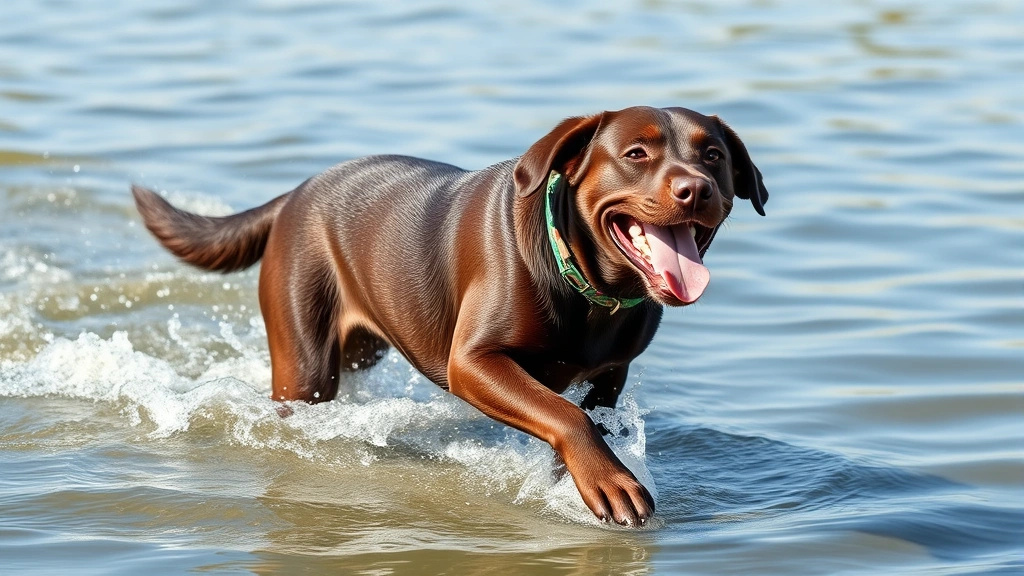
Tips for Managing Your Dog’s Panting
- Provide plenty of water: Dehydration makes panting worse and can lead to serious health issues.
- Create cool spaces: Use air conditioning, fans, or shaded areas to help your dog stay cool.
- Limit exercise in heat: Avoid intense activity during the hottest parts of the day.
- Use cooling products: Cooling mats, vests, and bandanas can help regulate temperature.
- Monitor weight: Keeping your dog at a healthy weight reduces unnecessary panting.
- Regular vet checkups: Annual exams help catch health issues before they become serious.
Frequently Asked Questions
Is it normal for dogs to pant while sleeping?
Light panting during sleep is usually normal, especially if your dog is dreaming or was recently active. However, heavy or labored panting while resting could indicate a problem and warrants a vet visit.
Why does my dog pant more in winter?
If your dog is panting excessively in winter, it’s likely not heat-related. Consider stress, anxiety, or underlying health issues. Indoor heating can also dry out airways, triggering more panting. If the behavior is new or concerning, consult your vet.
Can medication cause excessive panting?
Yes, certain medications can cause increased panting as a side effect. If you’ve recently started your dog on new medication and noticed increased panting, discuss this with your veterinarian. They may adjust the dosage or switch to an alternative.
How do I know if my dog is overheating?
Signs of heat exhaustion include excessive panting, drooling, weakness, vomiting, or collapse. If you suspect heat stroke, move your dog to a cool area immediately and contact your vet right away. You can also cool them with cool (not cold) water, but get professional help immediately.
Should I be concerned about panting after exercise?
Post-exercise panting is completely normal and expected. Your dog should return to their normal breathing rate within 10-15 minutes of rest. If panting continues for longer or seems excessive, make sure they have water and a cool place to rest. If it persists, contact your vet.
Conclusion: Understanding Your Dog’s Panting Behavior
So, why do dogs pant? The answer is multifaceted. While temperature regulation is the primary reason, dogs pant for many other reasons including emotional stress, pain, medical conditions, and excitement. As a responsible dog owner, it’s essential to understand your dog’s normal panting patterns and recognize when something might be amiss.
By paying attention to your dog’s panting behavior and knowing when to seek veterinary care, you’re taking an important step in ensuring their health and happiness. Remember, when in doubt, it’s always better to err on the side of caution and consult with your vet. They can provide personalized guidance based on your dog’s specific needs and health history. Your dog depends on you to keep them safe, cool, and healthy—and understanding why they pant is a crucial part of that responsibility.
For more information on dog health and wellness, consult reliable sources like the UC Davis School of Veterinary Medicine, and don’t hesitate to reach out to your local veterinarian with any concerns about your furry friend.





