
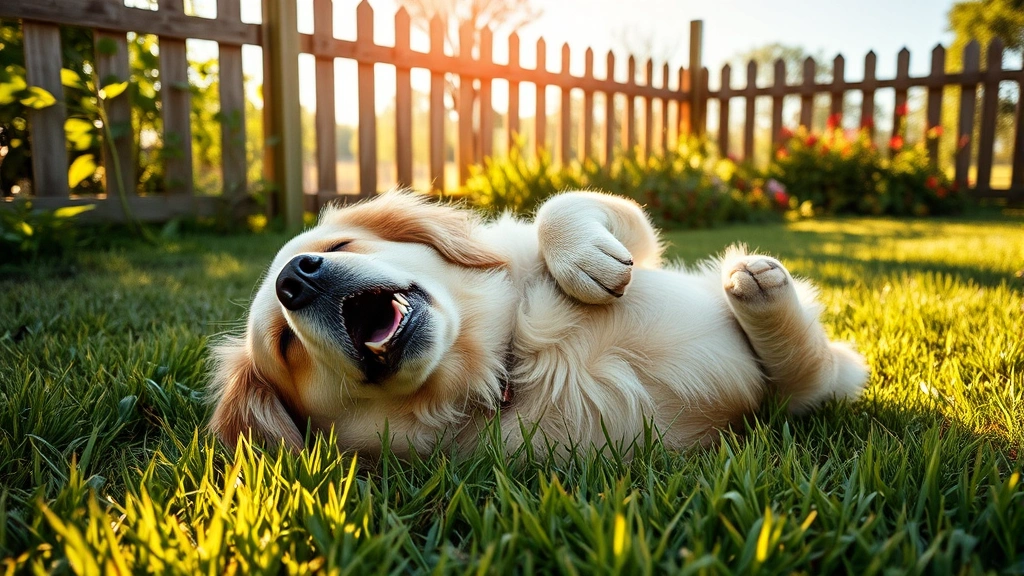
If you’ve ever wondered why do dogs roll in poop, you’re not alone—and honestly, it’s one of the most baffling behaviors dog owners face. One minute your pup is enjoying a pristine bath, and the next, they’re gleefully coating themselves in the most disgusting substance imaginable. But there’s actually some fascinating science behind this gross habit, and understanding it can help you manage (and maybe even prevent) these messy situations.
Table of Contents
- The Ancestral Instinct: Camouflage and Hunting Strategy
- Scent Marking and Communication
- Masking Their Own Scent for Protection
- Attention-Seeking Behavior and Learned Habits
- Skin Irritation and Medical Reasons
- Boredom and Environmental Enrichment
- The Role of Diet and Digestive Health
- Breed Predisposition and Individual Personality
- How to Prevent and Manage the Behavior
- When to Consult Your Veterinarian
- Frequently Asked Questions
- Summary: Understanding Your Dog’s Messy Habit
The Ancestral Instinct: Camouflage and Hunting Strategy
One of the most widely accepted theories about dog rolling in poop traces back to their wild ancestors. Wolves and feral dogs would roll in feces, carrion, and other smelly substances as a camouflage technique. By masking their own scent with something more pungent, they could sneak up on prey without being detected. Your modern golden retriever might be living out ancient hunting instincts, even if the closest they get to prey is the neighbor’s cat. This behavior is deeply embedded in canine DNA, which is why even the most well-trained pups sometimes succumb to the urge.
Scent Marking and Communication
Dogs experience the world primarily through their nose, and rolling in poop is essentially their version of posting on social media. When dogs roll in feces, they’re collecting scent information and then spreading it back to their pack. It’s a form of communication that says, “Hey, everyone, check out what I found!” This behavior becomes even more pronounced in multi-dog households, where one dog rolling in something stinky can trigger a chain reaction of disgusting behavior. Understanding that your dog’s happiness includes engaging in natural behaviors like scent marking can help you approach the situation with more patience.
Masking Their Own Scent for Protection
Another theory suggests that dogs roll in poop to mask their own scent, which could serve as a protective mechanism. In the wild, predators rely on scent to locate prey. By covering themselves in something that smells different—and let’s face it, worse—dogs might be attempting to throw potential threats off their trail. While your domesticated dog isn’t worried about being hunted by wolves, this instinct remains hardwired into their brain. It’s the same reason why a lethargic dog might still manage to muster the energy to roll in something foul.
Attention-Seeking Behavior and Learned Habits
Let’s be honest: if your dog rolls in poop and you react dramatically—screaming, chasing them around the yard, giving them lots of attention—you’ve just reinforced the behavior. Some dogs quickly learn that rolling in disgusting stuff gets them noticed. This is especially true for dogs that don’t receive enough mental stimulation or interactive play throughout the day. The negative attention is still attention, and for some pups, that’s reward enough. Breaking this cycle requires consistent, calm responses and redirecting their energy toward more appropriate activities.
Skin Irritation and Medical Reasons
Sometimes, why dogs roll in poop has nothing to do with instinct and everything to do with discomfort. Dogs suffering from skin allergies, parasites, or fungal infections might roll in feces as an attempt to relieve itching or irritation. If your dog is excessively rolling in poop or other substances, it’s worth scheduling a vet visit to rule out underlying health issues. Using medicated dog shampoo can help address skin conditions, but proper diagnosis is crucial. A veterinarian can determine whether the behavior is purely instinctual or symptomatic of a medical problem.
Boredom and Environmental Enrichment
Dogs with insufficient mental and physical stimulation are more likely to engage in undesirable behaviors, including rolling in poop. A bored dog is a creative dog, and they’ll find entertainment wherever they can—even if it’s the most revolting place imaginable. Increasing daily exercise, providing puzzle toys, and engaging in interactive play can significantly reduce this behavior. Dogs that receive adequate enrichment are generally too busy and satisfied to spend their time coating themselves in waste. Think of it as channeling their energy into activities that won’t require you to give them an emergency bath.
The Role of Diet and Digestive Health
What goes in must come out, and the quality of your dog’s diet directly affects their feces and their likelihood of rolling in it. Dogs fed high-quality diets with proper nutrition are less likely to be attracted to poop—whether their own or others’. Conversely, dogs with poor digestive health or nutritional deficiencies might be more drawn to feces as their body attempts to compensate for missing nutrients. This is why quality nutrition like Fresh Pet can make a difference not just in overall health but also in reducing problematic behaviors. Consulting with your vet about optimal nutrition can address this issue from the inside out.
Breed Predisposition and Individual Personality
Some breeds are more prone to rolling in poop than others. Hound breeds, sporting dogs, and terriers—animals originally bred to hunt and track—seem particularly enthusiastic about this behavior. Additionally, individual personality plays a role. Some dogs are naturally more curious and adventurous, while others are content to stay clean and dignified. Understanding your dog’s breed tendencies and personality can help you anticipate and manage the behavior more effectively. A beagle’s nose-to-the-ground hunting instinct is far more powerful than a Pekingese’s desire for cleanliness.
How to Prevent and Manage the Behavior
Prevention is always better than cure when it comes to poop rolling. Keep your yard clean and remove feces promptly—both from your dog and any wildlife passing through. Supervise outdoor time closely, especially with puppies and dogs with known rolling tendencies. Redirect their attention to toys and appropriate activities. Training a solid “leave it” command can be invaluable. If your dog does roll in poop, resist the urge to chase or punish them, as this can reinforce the behavior. Instead, calmly bring them inside for a bath and move on. Consistency is key to gradually reducing this frustrating habit.
When to Consult Your Veterinarian
If your dog’s poop-rolling behavior is excessive, accompanied by other symptoms like excessive scratching, hair loss, or behavioral changes, it’s time to contact your veterinarian. These signs could indicate allergies, parasites, skin infections, or even compulsive behaviors. A professional can rule out medical causes and provide targeted recommendations. Don’t assume it’s just normal dog behavior if it seems extreme or is causing your dog distress. Your vet can also recommend appropriate grooming products if skin conditions are involved.
Frequently Asked Questions
Is it dangerous for dogs to roll in poop?
Rolling in poop can expose your dog to parasites, bacteria, and pathogens that might cause illness. While most healthy dogs can handle occasional exposure, puppies, senior dogs, and immunocompromised dogs are at higher risk. Regular bathing and parasite prevention are essential safeguards.
Why do dogs roll in poop but not other smelly things?
Dogs are attracted to poop specifically because it contains concentrated scent markers from other animals. It’s information-rich and communicates a lot about diet, health, and territorial markers. That said, many dogs will also happily roll in dead animals, mud, or fish—anything with a strong scent profile.
Can training eliminate poop-rolling behavior?
Training can definitely help reduce the behavior through commands like “leave it” and redirecting attention. However, you can’t completely eliminate an instinctive behavior. The goal is management and prevention rather than total elimination. Consistent training combined with environmental management works best.
Is poop rolling a sign of an unhappy dog?
Not necessarily. While your dog’s happiness involves many factors, poop rolling alone doesn’t indicate unhappiness. It’s a normal canine behavior driven by instinct rather than emotional state. However, excessive rolling combined with other behavioral changes might warrant investigation.
What’s the best way to bathe a dog after rolling in poop?
Use warm water and a quality dog shampoo—preferably medicated shampoo if your dog has sensitive skin. Bathe thoroughly, paying special attention to the neck, back, and any areas that made direct contact. Keep the water out of their eyes and ears. Make the experience positive with treats and praise to reduce anxiety about future baths.
Summary: Understanding Your Dog’s Messy Habit
So why do dogs roll in poop? The answer isn’t simple—it’s a combination of ancestral instinct, communication behavior, sensory exploration, and sometimes medical or behavioral issues. Your dog isn’t being deliberately disgusting (though it certainly feels that way). They’re following millions of years of evolutionary programming and engaging in behaviors that make perfect sense from a canine perspective. By understanding the root causes, maintaining a clean environment, providing adequate enrichment, and addressing any underlying health issues, you can significantly reduce this frustrating behavior. And if all else fails, at least you’ll have a good story to tell at the dog park.





