
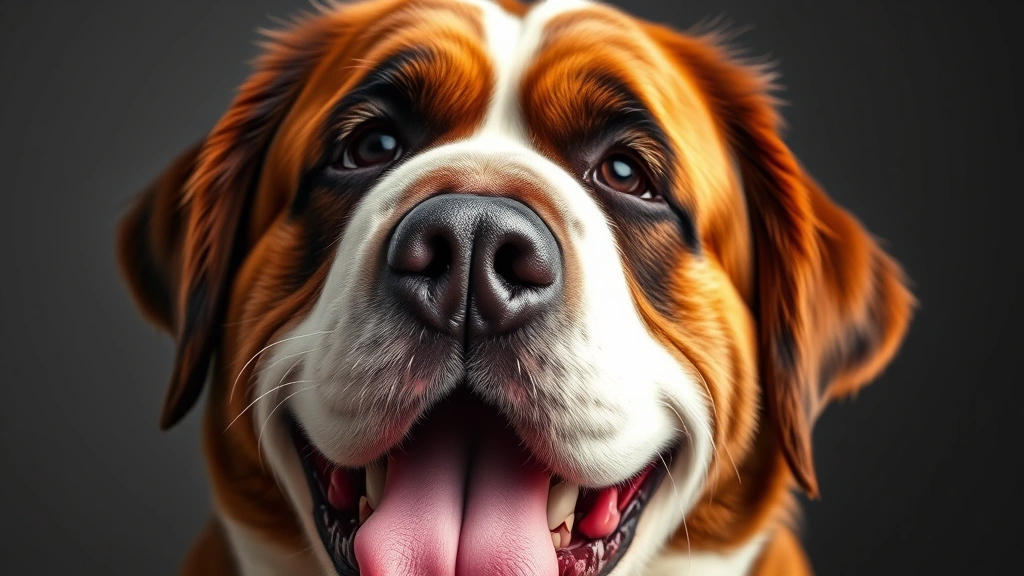
If you’ve ever wondered why do dogs slobber, you’re not alone—and honestly, you’re probably wiping drool off your pants right now. Dog drool is one of those quirky canine behaviors that ranges from adorably endearing to absolutely gross, depending on whether it’s landing on your face or your furniture. The truth is, excessive dog slobbering isn’t always just a cute personality trait. Sometimes it’s a sign that something’s going on with your pup’s health or behavior.
Table of Contents
- The Science Behind Dog Slobber: Why It Happens
- Cause #1: Breed Predisposition and Genetics
- Cause #2: Dental Problems and Oral Health Issues
- Cause #3: Nausea and Gastrointestinal Issues
- Cause #4: Heat and Temperature Regulation
- Cause #5: Anxiety, Stress, and Emotional Responses
- When Excessive Drooling Requires Veterinary Attention
- Practical Solutions to Manage Your Dog’s Drooling
- The Breed Factor: Which Dogs Drool the Most?
- Understanding Your Dog’s Unique Slobber Signature
- Frequently Asked Questions
- Final Thoughts: Embracing Your Dog’s Slobbery Nature
In this guide, we’re diving deep into the science behind canine drooling, exploring the most common causes, and giving you practical solutions to manage (or embrace) your dog’s slobbery tendencies. Whether you’ve got a Saint Bernard who could fill a bucket or a Chihuahua with mysterious moisture on their chin, this article will help you understand what’s really happening.
The Science Behind Dog Slobber: Why It Happens
Dogs produce saliva for the same reason humans do—it’s essential for digestion, lubrication, and keeping their mouths healthy. But here’s where things get interesting: dogs drool way more than we do because they have larger salivary glands and less control over them. Their saliva serves multiple purposes, from breaking down food to protecting their teeth and gums.
The amount of drool your dog produces depends on genetics, breed, individual metabolism, and various environmental factors. Some dogs are just naturally slobbier than others, and that’s completely normal. However, when drooling becomes excessive or happens at unusual times, it might warrant a closer look at what’s causing it.
Cause #1: Breed Predisposition and Genetics
Let’s be honest—some dog breeds are just born to slobber. Mastiffs, Bloodhounds, Saint Bernards, and Boxers are notorious droolers, and it’s written into their DNA. These breeds have loose, hanging lips and larger salivary glands that make excessive drooling almost inevitable. If you own one of these breeds, congratulations: you’ve signed up for a lifetime of drool-covered clothes and furniture.
The reason certain breeds drool more comes down to selective breeding. Breeders developed these dogs for specific purposes—hunting, guarding, or water rescue—and their loose facial structure was part of the package. A Labrador German Shepherd mix might inherit drooling tendencies from either parent, creating unpredictable slobber situations.
If you’re considering getting a dog and you’re not a fan of drool, research breeds known for minimal drooling. Poodles, Schnauzers, and Dachshunds tend to be less drooly options.
Cause #2: Dental Problems and Oral Health Issues
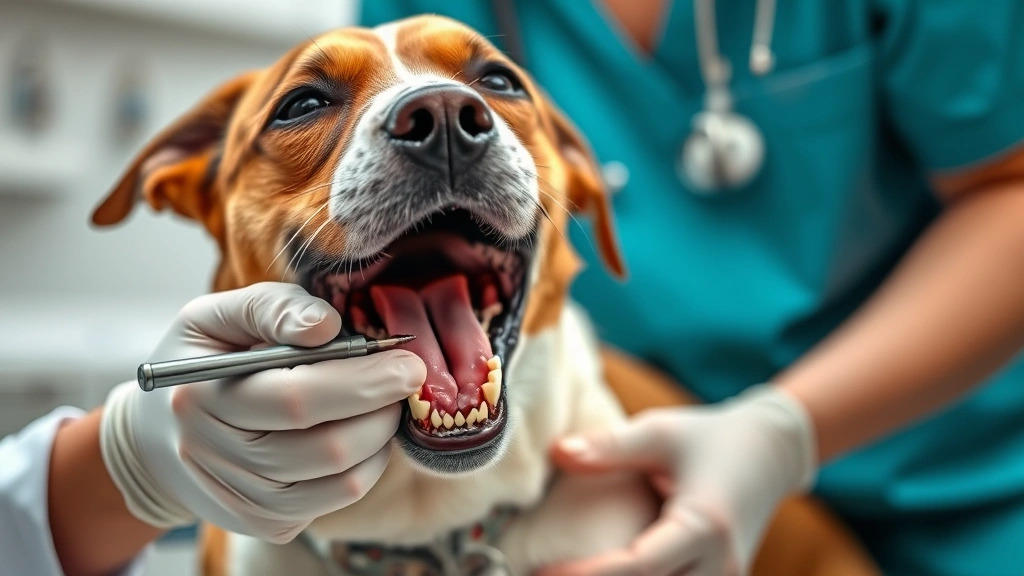
One of the most common reasons for sudden increases in dog drooling is dental disease. If your dog suddenly starts slobbering more than usual, it could indicate tooth decay, gum disease, or a broken tooth causing discomfort. Dogs with painful mouths often drool excessively as their body’s way of responding to irritation.
Signs of dental problems include bad breath (worse than normal dog breath), difficulty eating, pawing at the mouth, and behavioral changes. According to the American Association of Feed Control Officials, poor oral health in dogs can lead to serious systemic infections if left untreated.
Regular dental checkups with your vet are crucial. Professional cleanings, proper brushing at home, and dental chews can help prevent these issues and reduce excessive drooling caused by mouth pain. If you notice your dog drooling abnormally, schedule a dental exam with your veterinarian.
Cause #3: Nausea and Gastrointestinal Issues
Excessive drooling can be a sign that your dog’s stomach is upset. When dogs feel nauseous, they often drool more than usual—it’s their body’s way of preparing for potential vomiting. This type of slobbering is usually accompanied by other symptoms like lethargy, loss of appetite, or vomiting itself.
Gastrointestinal issues can range from minor dietary indiscretions (eating something they shouldn’t have) to more serious conditions. If your dog has diarrhea but is acting fine along with increased drooling, it might still warrant a vet visit to rule out infections or parasites.
Pay attention to when the drooling occurs. If it happens mainly after meals or during certain activities, it might be related to digestion. If it’s constant and accompanied by other symptoms, contact your vet.
Cause #4: Heat and Temperature Regulation
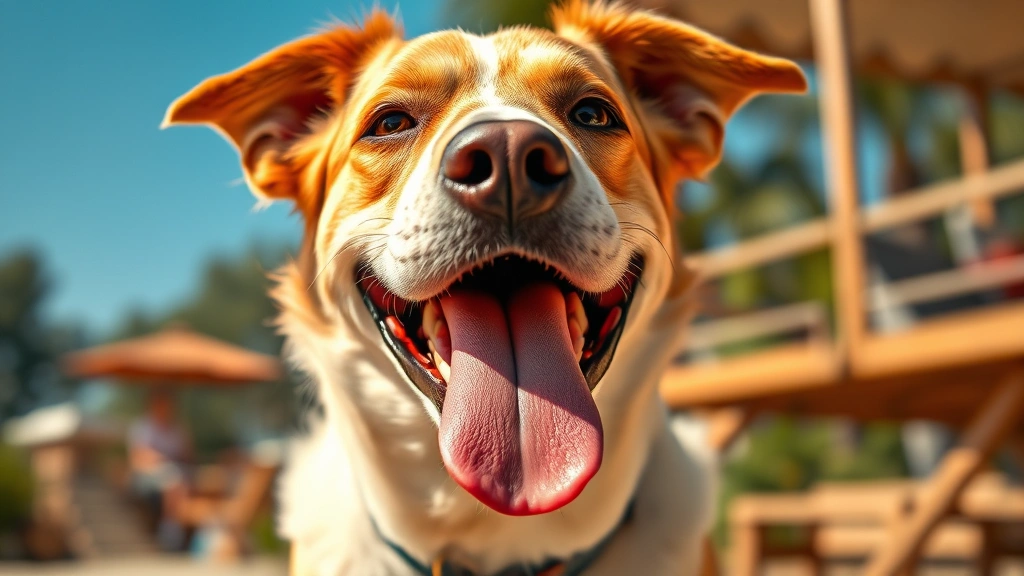
Dogs regulate their body temperature differently than humans do. When they’re hot, they pant and drool more as a cooling mechanism. If your dog is slobbering excessively during warm weather or after exercise, it’s likely just their body working overtime to stay cool.
However, be cautious about overheating, especially with breeds prone to heat sensitivity. Brachycephalic dogs (flat-faced breeds like Bulldogs and Pugs) struggle more with temperature regulation and can drool excessively when they’re too warm. Make sure your pup has access to shade, fresh water, and cool spaces during hot months.
If you’re wondering is it too hot to walk my dog, excessive drooling is one sign that your dog might be overheating. Adjust exercise times to cooler parts of the day and monitor your dog closely.
Cause #5: Anxiety, Stress, and Emotional Responses
Just like humans have stress responses, dogs do too—and drooling is one of them. Anxious dogs often drool more, especially during stressful situations like thunderstorms, fireworks, car rides, or visits to the vet. This is a completely normal physiological response to stress.
If your dog drools primarily during specific situations, anxiety might be the culprit. You can help reduce stress-related drooling by creating safe spaces, using calming supplements, or working with a professional dog trainer on anxiety management techniques. Some dogs benefit from anxiety wraps or calming music designed for pets.
Recognizing your dog’s stress signals helps you address the root cause rather than just the symptom. A low maintenance dog might still experience anxiety in high-stress environments, so understanding your individual dog’s triggers is important.
When Excessive Drooling Requires Veterinary Attention
While some drooling is completely normal, excessive slobbering that’s a sudden change from your dog’s baseline behavior warrants a vet visit. According to PetMD, sudden increases in drooling can indicate neurological issues, toxin ingestion, or serious infections.
Red flags include:
- Sudden onset of excessive drooling with no obvious cause
- Drooling accompanied by difficulty swallowing
- Facial swelling or asymmetry
- Behavioral changes or disorientation
- Drooling combined with vomiting or loss of appetite
- Bad breath or visible mouth injuries
If you notice any of these signs, don’t wait. Contact your veterinarian or emergency vet clinic immediately. Some conditions causing excessive drooling can escalate quickly.
Practical Solutions to Manage Your Dog’s Drooling
If your dog is a natural drooler and you’ve ruled out health issues, here are some practical ways to manage the slobber:
Invest in drool-friendly furniture: Use washable covers on couches and beds. Microfiber and leather are easier to clean than fabric.
Keep towels handy: Keep soft cloths around for quick wipe-downs. Some owners keep a “drool towel” by their dog’s favorite spots.
Regular grooming: Keeping the hair around your dog’s mouth trimmed can reduce drool accumulation and make cleanup easier.
Chin wraps: Some owners use specially designed chin wraps to catch drool during specific situations, though these should only be used temporarily and comfortably.
Hydration management: Ensure your dog has constant access to water, but remove water bowls before bedtime if nighttime drooling is excessive.
Elevated food and water bowls: These can help reduce drooling during feeding time for some dogs.
The Breed Factor: Which Dogs Drool the Most?
Understanding your breed’s natural tendencies helps you accept what you can’t change. Heavy droolers include Saint Bernards, Mastiffs, Bloodhounds, Boxers, Bulldogs, Newfoundlands, and Basset Hounds. These breeds can drool so much that owners jokingly say they need umbrellas.
Light droolers include Poodles, Schnauzers, Dachshunds, Beagles, and Terriers. If you’re drool-sensitive, these breeds might be better matches for your lifestyle. However, remember that individual dogs vary—you might get a Poodle with unexpected slobbery tendencies or a Mastiff that’s relatively dry.
Understanding Your Dog’s Unique Slobber Signature
Every dog has their own drooling pattern and intensity. Some dogs drool mainly when they see food, others when they’re relaxed and happy, and some continuously regardless of circumstances. Pay attention to your dog’s unique patterns—it helps you distinguish normal behavior from something that needs medical attention.
Keep a mental note of when and how much your dog typically drools. If there’s a sudden significant increase, that’s your sign to call the vet. If it’s been consistent since puppyhood, it’s likely just your dog’s personality.
Frequently Asked Questions
Is excessive dog drooling always a sign of a health problem?
No, not always. Many dogs drool excessively due to breed genetics, and it’s completely normal for them. However, a sudden change in drooling habits can indicate health issues like dental disease, nausea, or neurological problems. If the amount of drool your dog produces suddenly increases significantly, consult your veterinarian.
Can I train my dog to drool less?
You can’t train away genetic drooling, but you can manage stress-related drooling through anxiety training and environmental management. Addressing dental health and ensuring your dog isn’t overheated can also reduce drooling. If your dog drools due to breed predisposition, focus on managing the slobber rather than eliminating it.
What does it mean when a dog drools while sleeping?
Drooling during sleep is completely normal and common in dogs. Their facial muscles relax, and saliva flows more freely. This is especially true for dogs with loose lips or those sleeping deeply. Unless accompanied by other symptoms, sleeping drool is nothing to worry about.
How can I tell if my dog’s drooling is a sign of heatstroke?
Excessive drooling combined with heavy panting, lethargy, difficulty walking, or glazed eyes could indicate heatstroke. This is a medical emergency. Move your dog to a cool area immediately, provide water, and contact your vet or emergency clinic right away. Don’t wait to see if it improves on its own.
Are there any supplements that reduce dog drooling?
While no supplements directly reduce drooling caused by breed genetics, supplements supporting dental health (like those with probiotics) and anxiety-reducing supplements (like L-theanine or CBD) might help if those are underlying factors. Always consult your vet before starting any supplement regimen.
Final Thoughts: Embracing Your Dog’s Slobbery Nature
Understanding why do dogs slobber helps you appreciate your furry friend’s quirks while staying alert to potential health issues. Most dog drooling is completely harmless and often endearing—it’s part of what makes dogs wonderfully, messily themselves.
By recognizing the difference between normal breed-related drooling and drooling that signals health concerns, you can be a proactive pet owner. Keep up with dental care, monitor for sudden changes, and don’t hesitate to contact your vet when something seems off. And if you’ve got a heavy drooler? Embrace it, invest in good cleaning supplies, and enjoy the fact that your dog’s enthusiasm for life is literally overflowing.
Your dog’s slobber might be inconvenient, but it’s also a sign of a healthy, happy pup. That’s worth a few extra towels.





