
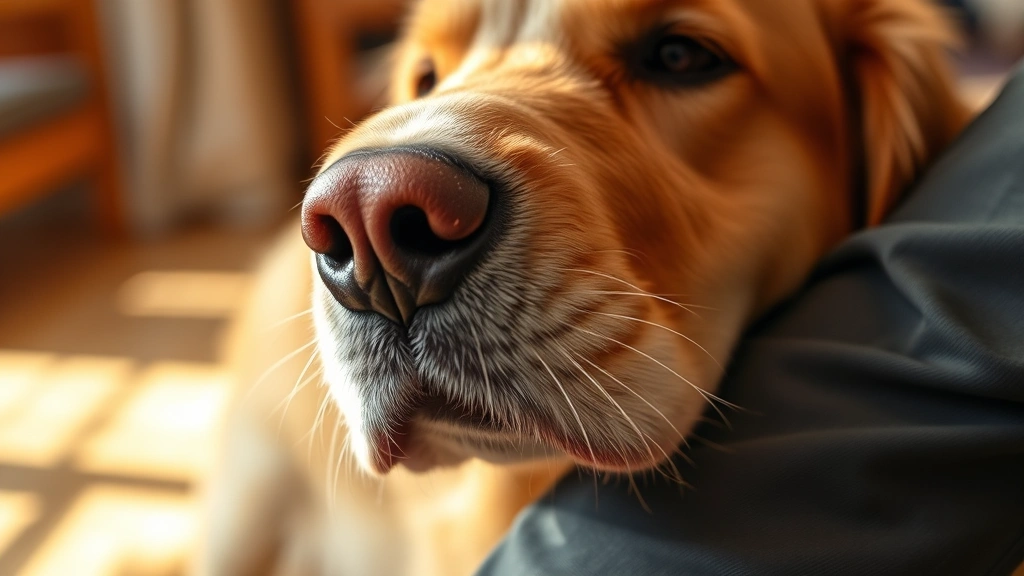
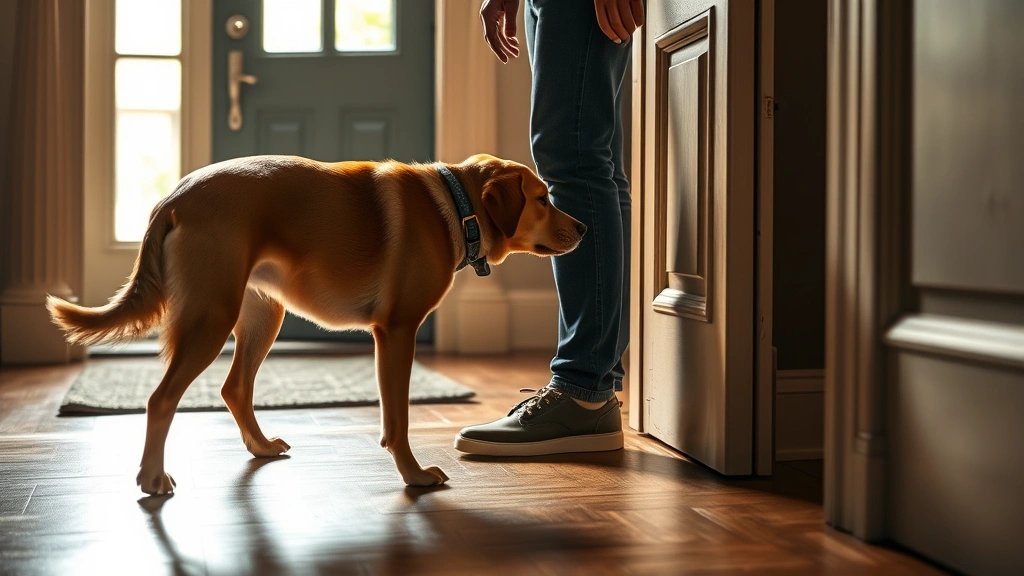
Why do dogs sniff your crotch? It’s one of those awkward moments that happens to literally everyone with a dog, and honestly, it’s way more scientific than you’d think. That adorable golden retriever at your friend’s house isn’t being rude or weird—they’re actually reading your biological resume like a furry detective. Let’s dig into the surprisingly fascinating science behind this behavior and why your pup is basically a four-legged olfactory genius.
Table of Contents
- The Canine Sense of Smell: A Superpower You Don’t Have
- Pheromones: The Chemical Language Dogs Speak
- Pack Hierarchy and Social Recognition
- Stress and Anxiety Detection
- Greeting Rituals and Social Bonding
- Sexual and Reproductive Information
- Health Monitoring and Disease Detection
- Age and Developmental Factors
- Breed Differences in Sniffing Behavior
- How to Manage the Behavior (Without Crushing Their Spirit)
- The Evolutionary Purpose
- Frequently Asked Questions
- Summary: Understanding Your Dog’s Crotch-Sniffing Behavior
The Canine Sense of Smell: A Superpower You Don’t Have
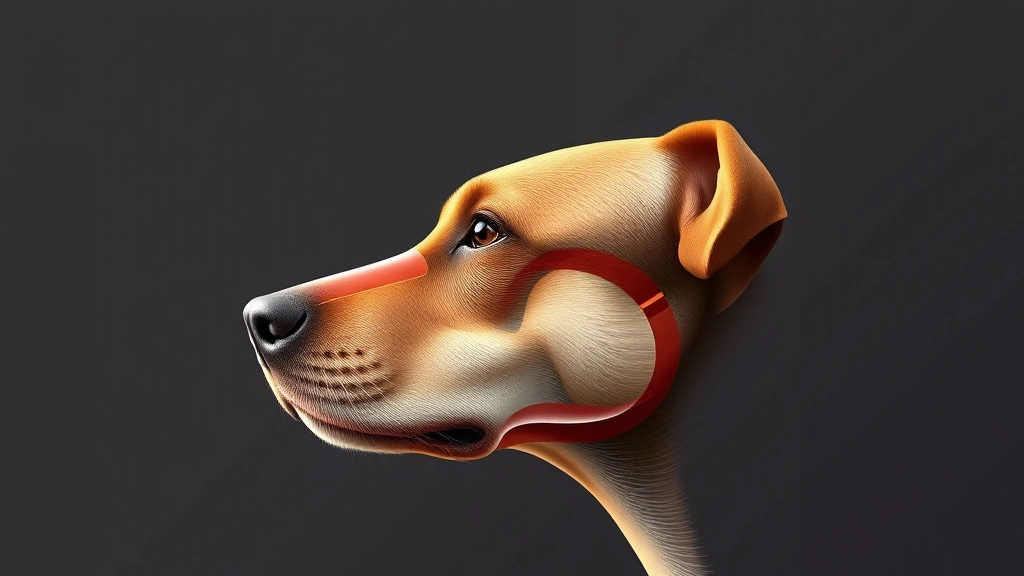
Dogs possess a sense of smell that’s roughly 10,000 to 100,000 times more sensitive than humans. While you’re casually existing with your measly 6 million olfactory receptors, your dog is working with between 200 million to 300 million. It’s like comparing a smartphone camera to the Hubble Telescope. Their nasal passages are structured completely differently from ours, with a specialized organ called the vomeronasal organ that detects pheromones—chemical signals that communicate everything from emotional states to reproductive status. When your dog sniffs your crotch, they’re not being inappropriate; they’re accessing a data stream of biological information that tells them more about you than you know about yourself.
Pheromones: The Chemical Language Dogs Speak
The groin area is basically ground zero for pheromone production in humans. This region has the highest concentration of apocrine sweat glands, which release pheromones that carry genetic and hormonal information. Dogs are hardwired to seek out these chemical signals because they provide instant access to crucial data: your health status, emotional state, diet, and reproductive cycle. It’s their version of checking your social media profile, except way more intimate and infinitely more informative. Female dogs are particularly interested in these scents, especially during their heat cycles, but all dogs engage in this behavior because it’s genuinely useful information to them.
Pack Hierarchy and Social Recognition
In the wild, wolves and wild canines use scent-marking and sniffing as a way to establish pack hierarchy and recognize pack members. Your dog sniffing your crotch is partly them gathering information about where you fit in their perceived pack structure. They’re asking questions like: “Are you healthy? Are you stressed? Are you a threat? Are you part of my family?” This behavior is especially common when dogs first meet someone new or when they’re trying to reestablish their bond with you after you’ve been away. It’s their way of saying, “Let me check your status report.” If you’ve got a lazy dog breed, they might be less enthusiastic about the sniffing ritual, but the instinct is still there.
Stress and Anxiety Detection
Dogs are incredibly attuned to human stress hormones, particularly adrenaline and cortisol. When you’re anxious, nervous, or excited, your body releases these hormones through sweat, and the groin area—being warm and moist—is a perfect spot for these chemical signals to concentrate. Your dog sniffing your crotch might literally be them checking if you’re okay. This is why service dogs and therapy dogs often engage in this behavior; they’re reading your emotional state and responding to it. If you’ve ever noticed your dog sniffing you more intensely during stressful situations, that’s exactly what’s happening. They’re trying to understand what’s going on with you and whether they need to provide support or comfort.
Greeting Rituals and Social Bonding
When dogs greet each other, they sniff butts. It’s their version of a handshake, except it provides exponentially more information. When your dog sniffs your crotch, they’re essentially greeting you in the most thorough way they know how. This is particularly common when you come home after being away—your dog is catching up on everything you’ve done, everywhere you’ve been, and who you’ve been around. It’s their way of reconnecting and reestablishing your social bond. The behavior is deeply rooted in canine social structure and communication, making it one of the most normal things a dog can do, even if it feels weird from a human perspective.
Sexual and Reproductive Information
Let’s be direct: dogs care about reproductive status. If you’re female and menstruating, or if you’ve been around other animals, your dog will absolutely know it through scent. This isn’t perverted; it’s biological. Dogs are driven by instinct to gather reproductive information because it’s relevant to their survival and social structure. Male dogs are particularly interested in these scents, especially if there are unspayed females in the vicinity. If you have a male dog who’s particularly enthusiastic about crotch-sniffing, neutering might reduce this behavior, though the instinct will likely remain to some degree.
Health Monitoring and Disease Detection
Here’s something genuinely remarkable: dogs can detect certain health conditions through scent, including diabetes, seizures, and even some cancers. The groin area provides rich biochemical information about your overall health status. Some research suggests that dogs can detect urinary tract infections, hormonal imbalances, and other medical conditions through scent alone. This is why some dogs become overly focused on sniffing specific areas of their owners’ bodies—they might be detecting something that warrants medical attention. If your dog suddenly becomes obsessed with sniffing a particular area, it might be worth getting a checkup. Check out our article on dog health concerns for more information about canine health awareness.
Age and Developmental Factors
Puppies sniff crotches even more enthusiastically than adult dogs because they’re still learning how to read the world through scent. As dogs age, they become more refined in their sniffing behavior, though they never really stop. Senior dogs might sniff less frequently simply because their sense of smell declines with age, similar to how human senses diminish over time. Adolescent dogs, particularly those going through hormonal changes, tend to be the most enthusiastic crotch-sniffers because they’re hyper-aware of reproductive signals.
Breed Differences in Sniffing Behavior
Some dog breeds are more driven by scent than others. Hound breeds like Beagles, Bloodhounds, and Basset Hounds have been selectively bred for their incredible sense of smell and will sniff everything more intensely, including your crotch. Terrier breeds and sporting dogs also tend to be enthusiastic sniffers. Meanwhile, breeds that were developed for other purposes might be slightly less obsessed with scent-gathering, though the behavior is still universal across all dogs. Even lazy dog breeds will muster the energy for a good crotch sniff when they feel it’s necessary.
How to Manage the Behavior (Without Crushing Their Spirit)
If you want to reduce crotch-sniffing in social situations, the key is redirection, not punishment. Your dog isn’t being bad; they’re being a dog. When your pup heads toward someone’s groin, redirect them to a toy, a treat, or a command like “sit” or “shake.” Reward them for complying. You can also teach them to greet people by sniffing hands instead, which is more socially acceptable. Neutering or spaying can reduce some of the intensity, particularly if your dog is hormone-driven, but it won’t eliminate the behavior entirely because sniffing is fundamental to how dogs understand the world. Some trainers recommend creating a designated greeting protocol where your dog learns to sit and wait for permission before sniffing guests.
The Evolutionary Purpose
From an evolutionary standpoint, crotch-sniffing is ancient behavior that’s been hardwired into canines for thousands of years. When dogs were first domesticated, this behavior was useful for pack survival, mate selection, and health monitoring. Even though your dog is now living in your climate-controlled home eating premium kibble, their brain is still operating on ancestral programming. The behavior persists because it’s genuinely useful to them, not because they’re trying to embarrass you at dinner parties. Understanding this helps shift your perspective from “gross behavior” to “fascinating biological adaptation.”
Frequently Asked Questions
Is it normal for dogs to sniff crotches?
Absolutely. It’s one of the most normal canine behaviors that exists. Every dog does it to some degree because it’s how they gather crucial biological information about other beings. It might feel awkward to humans, but to dogs, it’s as natural as handshaking is for us.
Why do male dogs sniff female humans more?
Male dogs are particularly interested in reproductive signals, so they may sniff more intensely around female humans, especially during certain times of the menstrual cycle when pheromone production is higher. This is purely instinctual and doesn’t indicate anything inappropriate on the dog’s part.
Can I train my dog to stop sniffing crotches?
You can reduce the frequency and intensity through redirection training, teaching them alternative greeting behaviors, and providing consistent rewards for appropriate conduct. However, you can’t completely eliminate the instinct because it’s fundamental to how dogs process the world.
Does neutering or spaying reduce crotch-sniffing?
Spaying and neutering can reduce the intensity of the behavior, particularly in dogs who are highly motivated by reproductive signals. However, the behavior won’t disappear entirely because sniffing is about more than just reproduction—it’s about gathering general biological information.
Should I be concerned if my dog sniffs one person more than others?
Not necessarily. Your dog might be picking up on specific scents, health signals, or pheromone patterns that interest them. However, if the behavior becomes obsessive or focuses on a specific area of someone’s body, it could indicate that your dog is detecting a health issue worth investigating.
Why do dogs sniff other dogs’ butts instead of crotches?
Dogs sniff the anal area of other dogs because it contains anal glands that release highly informative pheromones. With humans, the groin area is the closest equivalent in terms of pheromone concentration, so that’s where dogs focus their attention.
Summary: Understanding Your Dog’s Crotch-Sniffing Behavior
Why do dogs sniff your crotch? Because they’re brilliant biological information-processors who’ve evolved over thousands of years to gather crucial data through scent. The behavior is normal, natural, and deeply rooted in canine biology. Your dog isn’t being rude or weird—they’re reading your health status, emotional state, reproductive cycle, and social relevance through one of the most sophisticated sensory systems in the animal kingdom. While it might feel awkward in social situations, understanding the science behind it helps you appreciate just how incredible your dog’s abilities truly are. The next time your pup engages in this behavior, remember: they’re not trying to embarrass you. They’re just being a dog, and being a dog means living in a world of scent that’s infinitely richer and more informative than anything we humans can perceive. For more information about your dog’s behavior and health, visit our blog or check out our article on lethargic dogs to understand other aspects of canine behavior.





