

If you’ve ever wondered why do dogs spin in circles, you’re not alone. That adorable (or sometimes concerning) twirling behavior is actually more common than you’d think, and it usually has a pretty straightforward explanation. Whether your pup is chasing their tail like they’re auditioning for a circus or doing full rotations before settling down, there’s almost always a reason behind the spin.
Table of Contents
- The Classic Pre-Sleep Spin: Nest-Building Instincts
- Excitement and Pure Joy: The Happy Spin
- Medical Issues: When Spinning Becomes a Concern
- Attention-Seeking Behavior: The “Look at Me!” Spin
- Chasing Their Tail: Playfulness vs. Obsession
- Territorial Marking and Anxiety: The Anxious Spinner
- Breed-Specific Behaviors: Some Dogs Just Love to Spin
- Vestibular Problems: When Spinning Signals Serious Issues
- Compulsive Spinning: When It Becomes Obsessive
- How to Tell If Your Dog’s Spinning Is Normal
- What You Should Do About Your Dog’s Spinning
- Frequently Asked Questions
- Conclusion
The Classic Pre-Sleep Spin: Nest-Building Instincts
One of the most common reasons dogs spin in circles is the age-old nest-building instinct. Before your dog crashes for the night, they might do a few spins to “fluff up” their bed, just like their wolf ancestors did in the wild. This behavior is hardwired into their DNA from thousands of years ago when dogs needed to pack down grass and leaves to create a comfortable sleeping spot. Even though your pup has a perfectly plush dog bed, those ancient instincts are still firing. It’s basically their way of saying, “Okay, this spot is perfect now,” before they curl up into a little furball. Pretty adorable when you think about it that way!
Excitement and Pure Joy: The Happy Spin
Sometimes dogs spinning in circles is simply a sign of pure excitement. When you come home from work, when it’s dinner time, or when you grab the leash for a walk, your dog might do a little spin (or several) to express their overwhelming happiness. This is totally normal behavior and actually a great sign that your pup loves you and is thrilled about what’s about to happen. The spin is basically their way of saying, “YES! THIS IS THE BEST DAY EVER!” It’s one of those behaviors that makes dog ownership so rewarding—their enthusiasm is completely genuine and unfiltered.
Medical Issues: When Spinning Becomes a Concern
While most spinning is harmless, sometimes it can indicate an underlying health issue. Conditions like ear infections, neurological problems, or parasites can cause dogs to spin excessively. If your dog is spinning more than usual, seems disoriented, or is doing it compulsively, it’s time to call your vet. According to veterinary guidelines, excessive spinning paired with other symptoms like lethargy or behavioral changes warrants professional evaluation. Check out our article on lethargy in dogs if your pup seems unusually tired alongside the spinning. Your veterinarian can rule out any serious conditions and give you peace of mind.
Attention-Seeking Behavior: The “Look at Me!” Spin
Dogs are smart little manipulators, and some have figured out that spinning gets them attention from their humans. If you’ve been giving your dog extra praise or treats every time they spin, congratulations—you’ve accidentally trained them to spin on demand! This is actually a learned behavior, and it’s pretty harmless unless it becomes excessive. If your dog is spinning constantly to get your attention, try redirecting them to other activities or ignoring the behavior until they calm down. It’s a simple case of cause and effect: they spin, you react, they learn that spinning = attention.
Chasing Their Tail: Playfulness vs. Obsession
Puppies especially love to chase their own tails, and it’s usually just playful fun as they discover their own bodies. Adult dogs might do it occasionally when they’re feeling playful or silly. However, PetMD notes that obsessive tail chasing can sometimes indicate stress, anxiety, or skin problems like fleas or allergies. The key difference is frequency and context. A dog chasing their tail for 30 seconds while playing is normal; a dog doing it for hours on end is a red flag. If you notice your dog is obsessively chasing their tail, check for signs of parasites or skin irritation, and consider whether they might be stressed.
Territorial Marking and Anxiety: The Anxious Spinner
Some dogs spin in circles as a way to mark their territory or deal with anxiety. When a dog spins, they’re spreading their scent glands around a specific area, which is their way of saying, “This is mine.” You might notice this behavior more when you bring your dog to a new place or when they’re feeling stressed. Additionally, Cornell’s College of Veterinary Medicine has documented that anxious dogs may spin as a self-soothing mechanism, similar to how humans might pace when nervous. If your dog seems anxious, try to identify the trigger and create a calm environment. Consider our article on low energy dog breeds if you’re thinking about a calmer companion.
Breed-Specific Behaviors: Some Dogs Just Love to Spin
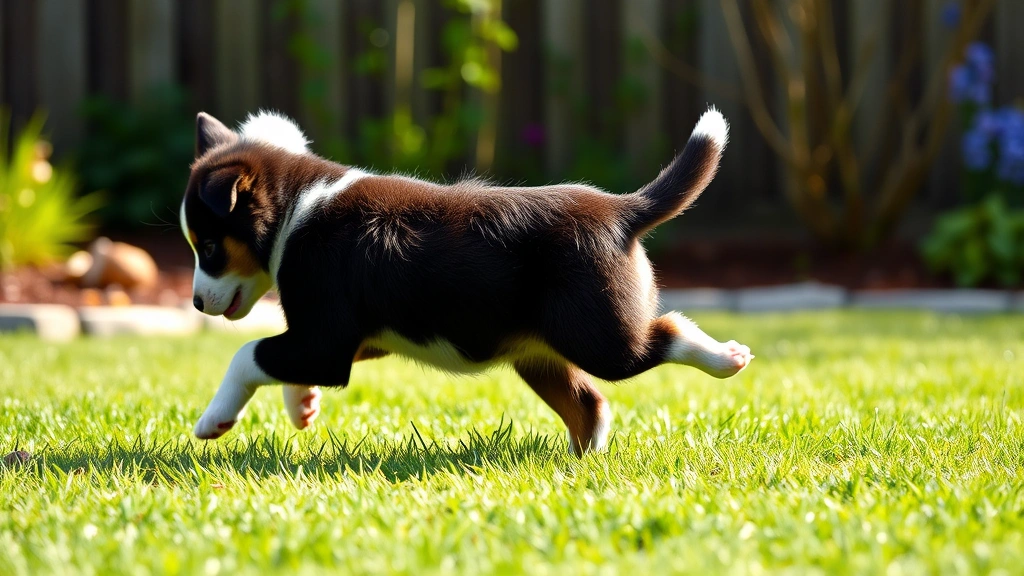
Certain breeds are more prone to spinning than others. Herding breeds like Border Collies, Australian Shepherds, and Corgis have a natural instinct to circle and herd, so spinning comes naturally to them. It’s in their DNA! These dogs were bred to control livestock by moving in circles, so that behavior is deeply ingrained. If you have a herding breed, don’t be surprised if your pup spins more frequently than other dogs. It’s not a problem—it’s just who they are. Understanding your dog’s breed tendencies can help you recognize normal behavior versus something that needs attention.
Vestibular Problems: When Spinning Signals Serious Issues
In rare cases, excessive spinning or disorientation can indicate vestibular disease, which affects a dog’s balance and sense of direction. This is more common in older dogs and can be caused by infections, inflammation, or neurological issues. If your dog is spinning uncontrollably, stumbling, or showing signs of dizziness, seek veterinary care immediately. This is definitely not the cute kind of spinning—it’s a sign that something is wrong with their inner ear or neurological system. Don’t wait on this one; get your pup to the vet ASAP.
Compulsive Spinning: When It Becomes Obsessive
Compulsive spinning is different from normal spinning behavior. If your dog spins repeatedly for no apparent reason, seems unable to stop, or does it in a trance-like state, this could indicate obsessive-compulsive disorder (OCD) in dogs. Certain breeds like German Shepherds and Bull Terriers are more prone to compulsive behaviors. This type of spinning can be triggered by stress, genetics, or medical conditions. If you suspect your dog has compulsive spinning disorder, work with your veterinarian and possibly a veterinary behaviorist to develop a treatment plan. It might involve medication, behavior modification, or environmental changes.
How to Tell If Your Dog’s Spinning Is Normal
So how do you know if your dog’s spinning is just cute behavior or something to worry about? Here are the key indicators: Normal spinning happens occasionally, has a clear trigger (bedtime, excitement, mealtime), lasts only a few seconds, and your dog seems happy and healthy otherwise. Concerning spinning happens frequently without a clear reason, lasts for extended periods, is accompanied by other symptoms like lethargy or confusion, or seems obsessive and compulsive. If you’re ever in doubt, trust your gut and call your vet. They’d rather answer a “is this normal?” question than miss something serious.
What You Should Do About Your Dog’s Spinning
In most cases, you don’t need to do anything about your dog’s spinning—it’s just part of their personality and natural behavior. But if you’re concerned, document the spinning (how often, how long, what triggers it) and share that information with your veterinarian. Keep an eye out for any other changes in behavior, appetite, or energy levels. If your dog seems happy and healthy, let them spin away! It’s one of those quirky dog behaviors that makes them so lovable and entertaining.
Frequently Asked Questions
Is it normal for dogs to spin in circles?
Yes, it’s completely normal for dogs to spin in circles occasionally. Most spinning is harmless and related to nesting instincts, excitement, or breed-specific behaviors. However, if the spinning becomes excessive or is accompanied by other symptoms, consult your veterinarian.

Why does my dog spin before lying down?
Your dog is following their ancestral instinct to create a comfortable nest. Even though they have a bed, this behavior is deeply hardwired from their wolf ancestors who needed to pack down grass and leaves before sleeping.
Can spinning indicate a medical problem?
Yes, excessive spinning can sometimes indicate ear infections, neurological issues, parasites, or vestibular disease. If your dog is spinning more than usual or seems disoriented, contact your veterinarian for an evaluation.
Should I be worried if my dog spins a lot?
Not necessarily. If your dog spins occasionally and seems happy and healthy, there’s no cause for concern. However, if the spinning is frequent, compulsive, or accompanied by other symptoms, schedule a vet visit to rule out medical issues.
Is tail chasing the same as spinning?
Tail chasing and spinning are related but slightly different behaviors. Occasional tail chasing is playful and normal, while obsessive tail chasing can indicate stress, anxiety, or skin problems. Spinning is usually a deliberate circular motion, while tail chasing is focused on the tail itself.
Conclusion
So, why do dogs spin in circles? The answer is usually pretty simple: they’re happy, preparing to sleep, or following their natural instincts. Most of the time, it’s an endearing quirk that makes dog ownership so delightful. Whether your pup is doing a pre-bed spin, celebrating dinner time with a happy twirl, or just being their goofy self, spinning is generally nothing to worry about. That said, always trust your instincts. If something seems off or the spinning seems excessive and unusual, don’t hesitate to reach out to your veterinarian. They can help determine whether it’s normal dog behavior or something that needs attention. In the meantime, enjoy those silly spins—they’re one of the many reasons we love our four-legged friends so much!





