

Ever wonder why do dogs walk in circles before they lay down? Your pup isn’t just being quirky—there’s actually some fascinating science and ancient instinct behind this adorable behavior. Whether your dog spins like a furry tornado or does a gentle two-step before settling in, we’re about to uncover exactly what’s going on in that fluffy head of theirs.
Table of Contents
- The Ancient Instinct: Why Your Dog Still Acts Like a Wild Animal
- Comfort and Temperature Regulation in Nesting Behavior
- Marking Territory and Scent Glands
- The Medical Side: When Circling Becomes a Concern
- Age and Breed Differences in Circling Behavior
- Is Your Dog Happy? Reading the Circling Ritual
- Environmental Factors That Influence Circling
- The Connection to Anxiety and Stress
- Training Your Dog’s Circling Behavior
- Fun Facts About Dog Circling You Didn’t Know
- Frequently Asked Questions
- Final Thoughts: Embrace Your Dog’s Quirky Ritual
The Ancient Instinct: Why Your Dog Still Acts Like a Wild Animal
Here’s the thing: your dog’s circling behavior isn’t new. It’s been hardwired into their DNA for thousands of years, inherited from their wolf ancestors. Before dogs became our couch-dwelling companions, wolves had to prepare their sleeping spots in the wild. They’d walk in circles to trample down grass, leaves, and other vegetation to create a comfortable, safe nest. This behavior helped them check for predators, snakes, and other threats lurking in the area.
Even though your Fido sleeps on a plush orthopedic bed in a climate-controlled home, their instincts haven’t caught up to modern living. That circling behavior is essentially a ghost of their wild past—a ritual passed down through generations. Your dog is literally doing what their ancestors did 10,000 years ago, minus the actual danger.
Comfort and Temperature Regulation in Nesting Behavior
Beyond the ancestral explanation, circling also serves a practical purpose: creating the perfect nest. Dogs are den animals by nature, and they like their sleeping spots just right. When your pup walks in circles, they’re essentially arranging their bed to their liking. They’re patting down the surface, adjusting the temperature of the spot, and making sure everything feels secure.
Temperature regulation plays a huge role here too. By circling, dogs can test the warmth of different spots and position themselves in the most comfortable location. If your dog circles more in winter, they’re likely seeking out the warmest corner. In summer, they might circle to find a cooler spot or to fluff up their bed to allow better air circulation underneath them.
This is why you’ll often see lazy dog breeds spend extra time circling—they’re perfectionists about their comfort zones.
Marking Territory and Scent Glands
Here’s something most dog owners don’t realize: circling is also a form of territory marking. Dogs have scent glands in their paws, and when they walk in circles, they’re literally leaving their signature on their sleeping spot. It’s like your dog is saying, “This bed is mine, and everyone needs to know it.”
This territorial marking behavior is especially noticeable if you have multiple dogs in your home. You might see them circle aggressively around their favorite sleeping spot, as if they’re claiming it from their canine siblings. It’s a non-aggressive way for dogs to establish boundaries and communicate ownership.
The Medical Side: When Circling Becomes a Concern
While circling before lying down is completely normal, excessive or obsessive circling can sometimes indicate a health issue. If your dog is circling constantly, seems disoriented, or circles in only one direction repeatedly, it’s time to call your vet. This could signal neurological problems, ear infections, or other medical conditions that need professional attention.
According to the American Kennel Club, sudden changes in your dog’s circling behavior warrant a veterinary visit. If your dog suddenly starts circling when they never did before, or if the behavior becomes obsessive, don’t ignore it. It’s always better to be safe and get a professional opinion.
Age and Breed Differences in Circling Behavior
Not all dogs circle the same way. Some breeds are more prone to this behavior than others, and age plays a significant role too. Puppies often circle excessively as they’re learning about their environment and establishing their routines. Senior dogs might circle more slowly or less frequently as their joints become stiffer.
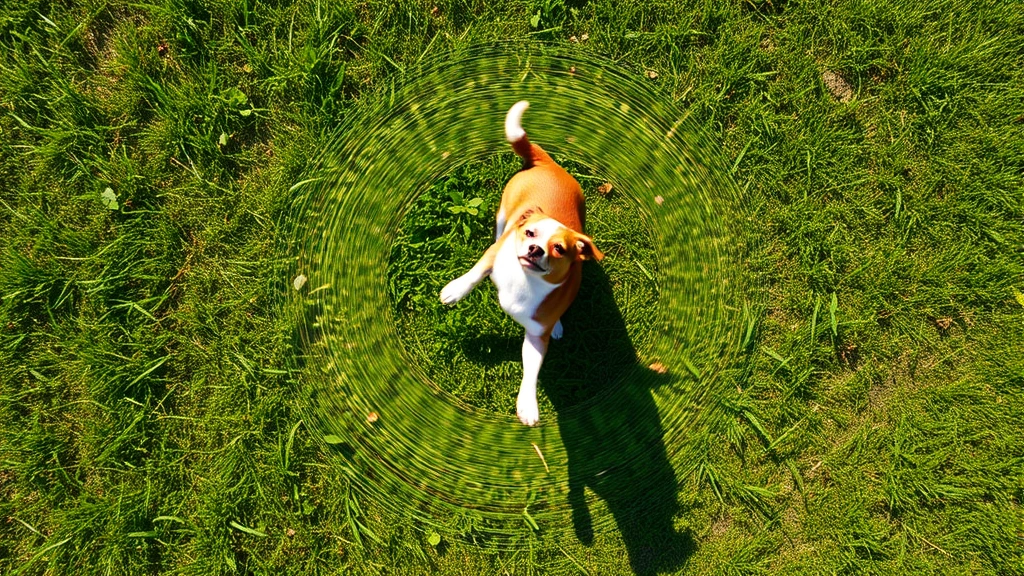
Certain breeds, particularly those with strong nesting instincts like Retrievers and Terriers, tend to circle more dramatically. Meanwhile, some dogs barely circle at all—they just plop down and call it a day. There’s no “right” amount of circling; it’s all about what’s normal for your individual pup.
Is Your Dog Happy? Reading the Circling Ritual
A dog’s circling behavior can actually tell you a lot about their emotional state. A relaxed, slow circle usually means your dog is content and preparing for a good rest. But if your dog is circling frantically or seems anxious, they might be stressed or uncomfortable.
Check out our guide on is my dog happy to learn more about reading your dog’s body language. A happy dog circles with loose, easy movements and eventually settles down peacefully. If your dog seems tense or won’t settle after circling, they might need attention or a bathroom break.
Environmental Factors That Influence Circling
Your home environment plays a bigger role in your dog’s circling behavior than you might think. A dog on a hard floor might circle more to find the perfect spot, while a dog on carpet might need fewer rotations to get comfortable. The type of bed matters too—some dogs circle extensively on soft beds but barely circle on firm surfaces.
Noise, lighting, and household activity also affect how much your dog circles. A dog in a busy, chaotic environment might circle more as they try to create a sense of calm and control. Meanwhile, a dog in a quiet, peaceful space might settle down faster.
The Connection to Anxiety and Stress
Sometimes excessive circling is your dog’s way of coping with anxiety. If your pup is circling obsessively, panting heavily, or showing other signs of stress, they might be dealing with separation anxiety, thunderstorm phobia, or other stressors. This is different from normal pre-sleep circling because it happens at random times and seems compulsive rather than purposeful.
If you notice your dog circling excessively during stressful situations, work with a veterinary behaviorist to address the underlying anxiety. There are lots of strategies and sometimes medications that can help your anxious pup feel more secure.
Training Your Dog’s Circling Behavior
Can you train your dog to stop circling? Technically, yes, but most vets and behaviorists recommend against it. Circling is a natural, healthy behavior that helps your dog feel secure and comfortable. Trying to suppress it could actually increase stress and anxiety.
Instead of eliminating the behavior, focus on making your dog’s sleeping environment as comfortable as possible. Provide a quality dog bed, keep the sleeping area quiet and cool, and establish a consistent bedtime routine. Your dog will naturally adjust their circling behavior once they feel secure in their space.
Fun Facts About Dog Circling You Didn’t Know
Here’s something wild: dogs have a preference for which direction they circle! Studies show that many dogs tend to circle in a consistent direction, often preferring to circle clockwise or counterclockwise. Some researchers believe this might be related to the dog’s dominant side, similar to humans being right or left-handed.
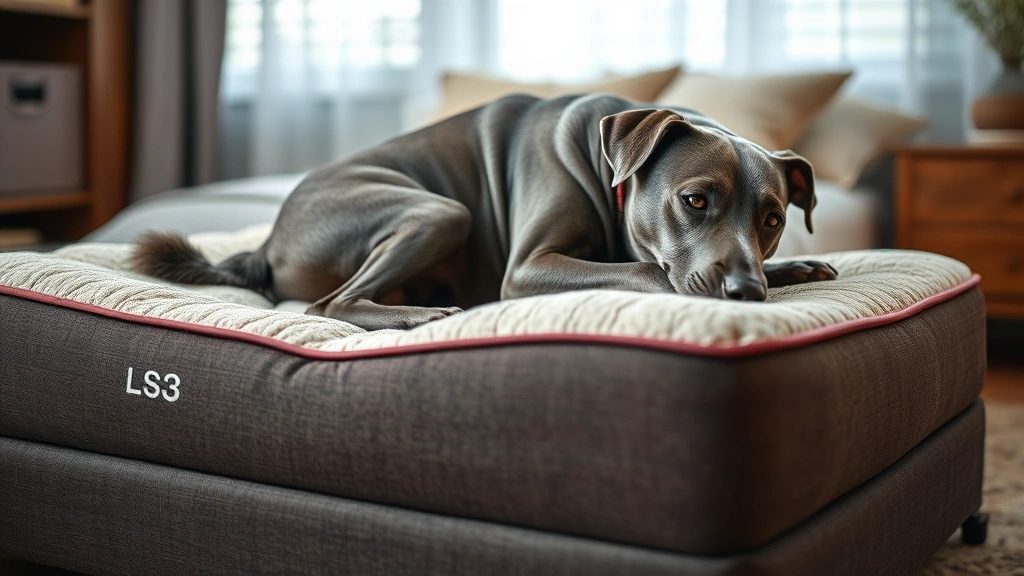
Also, puppies start circling from a very young age—even before they’re fully weaned. It’s an instinctive behavior that emerges naturally as part of their development. And yes, even dogs sleeping on the most expensive orthopedic beds will still circle. It’s not about the bed quality; it’s about the ritual.
Frequently Asked Questions
Is it normal for dogs to walk in circles before lying down?
Absolutely! This is one of the most common and normal dog behaviors. It’s an instinctive behavior inherited from their wolf ancestors and serves multiple purposes including creating a comfortable nest, regulating temperature, and marking territory. Most healthy dogs circle to some degree before settling down.
Why do dogs circle on the bed specifically?
Dogs circle on beds because beds are their primary sleeping spots, and they want to get them just right. The circling helps them adjust the bedding, find the perfect temperature, and establish their territory. It’s the same reason they circle on couches, grass, or any other sleeping surface.
Should I be worried if my dog circles a lot?
Normal circling before lying down is nothing to worry about. However, if your dog is circling excessively, obsessively, or in ways that seem disoriented or frantic, consult your vet. Sudden changes in circling behavior or circling combined with other symptoms warrant professional evaluation.
Can older dogs circle less than younger dogs?
Yes, senior dogs often circle less frequently or less vigorously than younger dogs, especially if they have arthritis or joint pain. If your older dog suddenly stops circling or shows signs of pain when circling, discuss it with your veterinarian.
Does the breed of dog affect how much they circle?
Definitely! Breeds with strong nesting instincts, like Retrievers and Terriers, tend to circle more. Some breeds are more independent and might barely circle at all. Individual personality also plays a role—some dogs are just naturally more ritualistic than others.
Is circling a sign of anxiety in dogs?
Normal pre-sleep circling isn’t a sign of anxiety. However, excessive, compulsive circling at random times, combined with other stress signals like panting or whining, could indicate anxiety. Context matters—observe when and how often your dog circles to determine if it’s normal behavior or a concern.
Final Thoughts: Embrace Your Dog’s Quirky Ritual
So there you have it—the complete breakdown of why do dogs walk in circles before they lay down. It’s a beautiful combination of ancient instinct, practical comfort-seeking, and territorial behavior all wrapped up in one adorable ritual. Your dog isn’t being weird; they’re being perfectly, naturally dog-like.
The next time you watch your pup spin around three times before flopping down for a nap, you can smile knowing they’re engaging in a behavior that connects them to their wild ancestors. It’s a reminder that even though our dogs live in our homes and sleep on our couches, they’re still driven by instincts that have kept their species thriving for millennia.
Unless your dog’s circling seems excessive or is accompanied by signs of distress, let them enjoy their pre-sleep ritual. It’s harmless, it’s natural, and honestly, it’s one of the cutest things about having a dog. And if you want to learn more about your pup’s behavior and happiness, check out our other behavioral guides to become a dog behavior expert yourself.





