
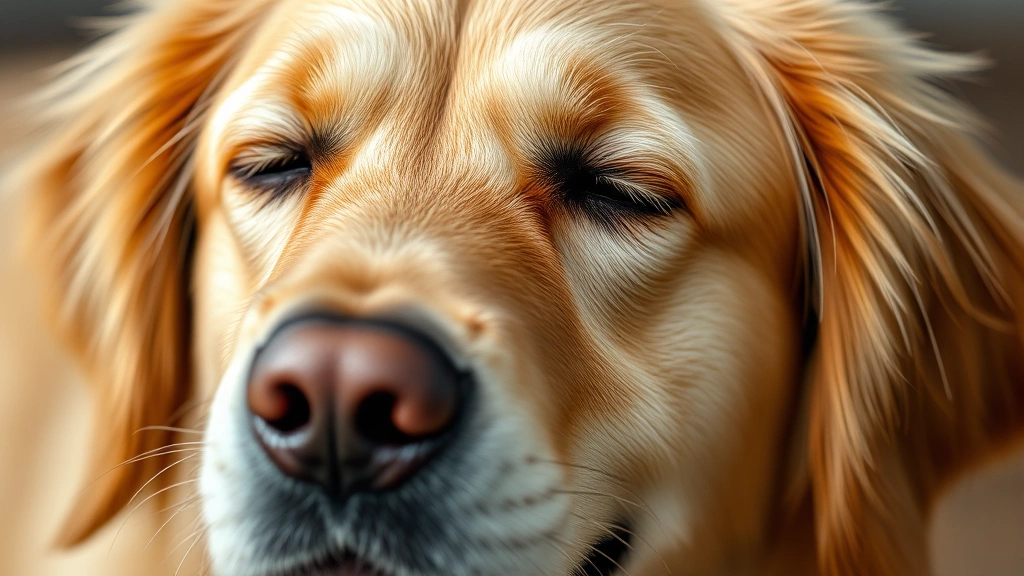
Ever catch your furry best friend giving you a slow, deliberate wink and wonder what the heck they’re trying to tell you? Why do dogs wink is actually a question that stumps a lot of pet owners, but the answer is way more interesting than you’d think. Dogs aren’t just trying to be cute (though let’s be honest, they absolutely are). There’s real science, behavior, and communication happening behind those adorable eye closures.
Table of Contents
- Do Dogs Actually Wink Like Humans Do?
- The Slow Blink: A Sign of Affection and Trust
- Eye Irritation and Allergies: When Winking Becomes a Problem
- Facial Nerve Issues and Neurological Causes
- Breed-Specific Traits and Individual Quirks
- Sleepiness and Partial Eye Closure
- Squinting as a Pain Response
- The Submissive Wink: Body Language and Pack Behavior
- Environmental Factors: Wind, Light, and Irritants
- When to Call the Vet: Red Flags and Warning Signs
- Training Your Dog: Can You Teach Them to Wink?
- Understanding Your Dog’s Eye Communication Better
- Frequently Asked Questions
- Final Thoughts: Your Dog’s Unique Language
Let me break down the mystery for you. Dogs wink for several reasons—some are sweet, some are medical, and some are just plain hilarious quirks of being a dog. By the end of this article, you’ll understand exactly what your pup is trying to say when they give you that signature wink.
Do Dogs Actually Wink Like Humans Do?
Here’s the thing: dogs don’t wink the same way humans do. When we wink, we’re deliberately closing one eye while keeping the other open. It’s intentional, social, and usually flirty or conspiratorial. Dogs, on the other hand, have a different eye structure and different reasons for their eye movements.
That said, dogs absolutely do close one eye at a time, and it can look remarkably like a wink. The difference is in the why. According to the American Kennel Club, dogs use their eyes to communicate constantly, but not always in the ways we assume. Sometimes what looks like a wink is actually something completely different going on with their nervous system or eye health.
The Slow Blink: A Sign of Affection and Trust
One of the most heartwarming reasons your dog might wink is to show you love. Research from animal behaviorists has shown that the slow blink—where a dog closes their eyes slowly and deliberately—is actually a sign of trust and affection. It’s basically the canine equivalent of a kiss.
When your dog gives you a slow wink or blink, they’re essentially saying, “I trust you, and I feel safe around you.” This behavior is especially common when dogs are relaxed and content in their owner’s presence. If your pup is doing this, you’ve basically won the dog lottery because it means they genuinely adore you.
Try slow blinking back at your dog next time they do this. Many owners report that their dogs respond positively to this reciprocal gesture, often moving closer or showing even more affection. It’s like you’re speaking their language.

Eye Irritation and Allergies: When Winking Becomes a Problem
Not all winking is cute and cuddly. Sometimes, why do dogs wink has a medical explanation. If your dog is winking excessively or only on one side, it could indicate eye irritation, allergies, or even an infection.
Common culprits include:
- Dust or debris in the eye
- Seasonal allergies affecting the eyes
- Dry eye syndrome (keratoconjunctivitis sicca)
- Corneal ulcers
- Conjunctivitis (pink eye)
If the winking is accompanied by redness, discharge, squinting, or your dog pawing at their eye, it’s time to call your vet. According to PetMD, persistent eye issues can escalate quickly in dogs, so early intervention is crucial. Don’t assume it’s just a quirk if the behavior is new or excessive.
Facial Nerve Issues and Neurological Causes
Sometimes winking or involuntary eye closure can be related to nerve function. Dogs have facial nerves that control eye movement, just like humans do. If there’s inflammation, injury, or dysfunction affecting these nerves, you might notice unusual blinking patterns or what appears to be winking on one side of the face.
Conditions like facial nerve paralysis or Horner’s syndrome can cause abnormal eye movements and partial eye closure. These are more serious conditions that require veterinary attention. If you notice your dog’s winking is accompanied by drooping on one side of the face, difficulty eating, or changes in their expression, get them checked out right away.
Breed-Specific Traits and Individual Quirks
Here’s something fun: some dogs are just natural winklers. Certain breeds and individual personalities seem more prone to eye movements that look like winking. Brachycephalic breeds (flat-faced dogs like Bulldogs and Pugs) are particularly prone to eye issues and unusual blinking patterns due to their facial structure.
Additionally, some dogs just develop quirky habits. Maybe your dog learned that winking gets them attention, treats, or playtime. Dogs are smarter than we give them credit for, and they absolutely use behaviors strategically to get what they want. If winking has ever resulted in you petting them, giving them a treat, or playing with them, congratulations—you’ve accidentally trained your dog to wink.
Sleepiness and Partial Eye Closure
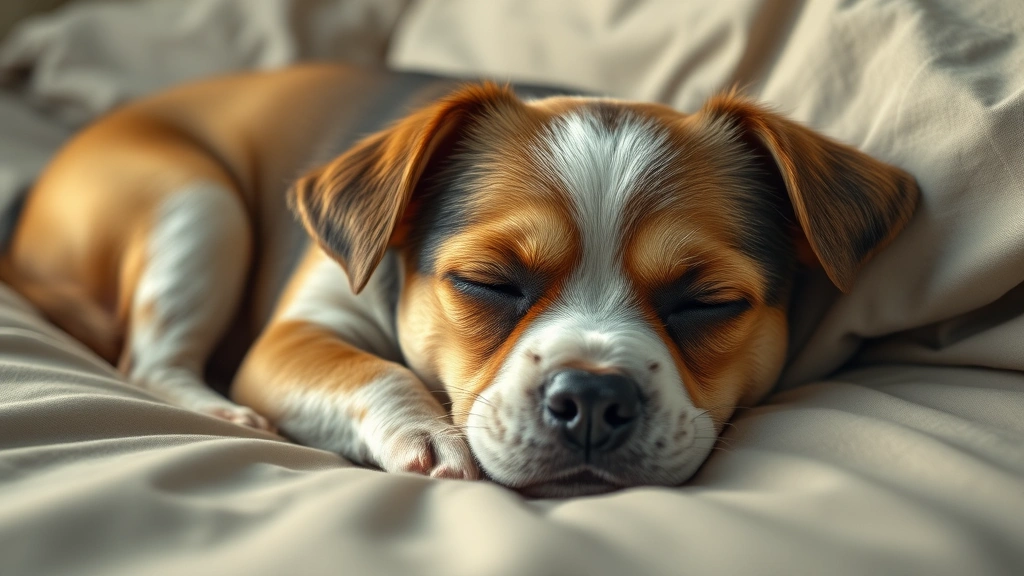
Sometimes a wink is just a wink because your dog is tired. When dogs are getting drowsy or just waking up, they might do that adorable slow-motion eye closure that looks exactly like a wink. It’s not communication; it’s just their eyes doing what eyes do when consciousness is fading.
This is completely normal and nothing to worry about. If your dog is winking more when they’re lounging on the couch or right before naptime, you’re probably just witnessing natural sleepiness. Your pup might also experience what’s called lethargy in dogs, which could involve more frequent eye closures as part of their overall reduced activity levels.

Squinting as a Pain Response
This is an important one: if your dog is squinting or winking repeatedly, it could be a sign they’re in pain. Dogs can’t tell us when something hurts, so they communicate through behavioral changes. Squinting or partial eye closure is often a pain response, especially if it’s localized to one eye.
Pain could be related to the eye itself (as mentioned earlier with infections or irritation) or could indicate pain elsewhere on the face or head. Migraines, dental problems, or ear infections can all cause dogs to squint or wink involuntarily. If this behavior is new and persistent, don’t wait—contact your veterinarian.
The Submissive Wink: Body Language and Pack Behavior
In dog body language, certain eye movements and closures can indicate submission or non-threatening behavior. When a dog wants to show they’re not a threat or that they respect another dog (or you), they might avert their gaze, blink slowly, or do what looks like a wink.
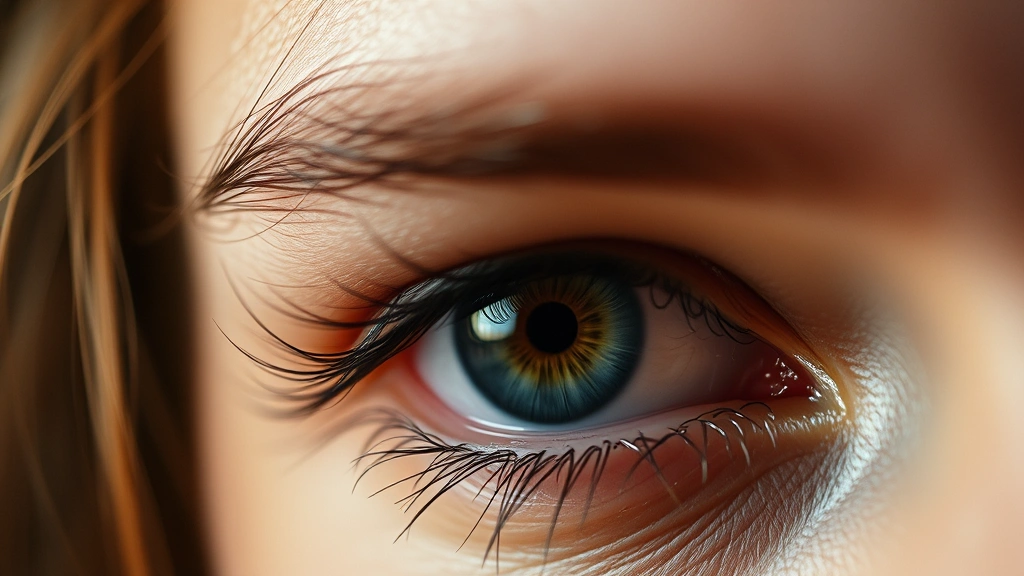
This is particularly common in multi-dog households or when dogs are interacting with more dominant animals. It’s a way of saying, “I’m cool, you’re in charge, no drama here.” Understanding this aspect of canine communication helps you read your dog’s social interactions better. If you’re curious about other aspects of your dog’s behavior and health, check out this article on let me know dog communication patterns.
Environmental Factors: Wind, Light, and Irritants
Sometimes the simplest explanation is the right one. If your dog is outside on a windy day or in bright sunlight, they might wink or squint just like you would. Environmental irritants like wind, dust, pollen, or even chlorine from a pool can trigger protective eye responses.
This type of winking is temporary and stops once the irritant is removed or the environmental condition changes. If your dog is winking only during certain activities or in specific locations, environmental factors are likely the culprit. No intervention needed—just part of being outside.
When to Call the Vet: Red Flags and Warning Signs
So when should you actually be concerned about your dog’s winking? Here are the red flags:
- Excessive or constant winking on one or both eyes
- Discharge, redness, or swelling around the eye
- Your dog pawing at their eye repeatedly
- Squinting that doesn’t go away after a few minutes
- Accompanied by other symptoms like lethargy, loss of appetite, or behavioral changes
- Asymmetrical winking (only one eye affected)
- Changes in eye appearance like cloudiness or color change
If any of these apply to your pup, it’s time for a vet visit. According to veterinary experts at major institutions, eye problems in dogs can escalate quickly, so it’s better to be safe and get things checked out.
Training Your Dog: Can You Teach Them to Wink?
Here’s a fun fact: you can actually train some dogs to wink on command. Since winking is a natural behavior they already do, it’s just a matter of capturing the behavior and associating it with a cue.

The process involves:
- Watching your dog naturally wink
- Immediately marking the behavior with a clicker or verbal marker (“Yes!”)
- Rewarding with treats
- Eventually adding a hand signal or verbal cue
- Practicing consistently
Not all dogs will pick this up easily, and some breeds might find it harder due to their eye structure, but it’s a cute trick that impresses friends and family. Plus, it gives your dog mental stimulation and strengthens your bond.
Understanding Your Dog’s Eye Communication Better
Dogs communicate with their eyes constantly. Beyond winking, they use eye contact, pupil dilation, and eye position to tell us how they’re feeling. A direct, hard stare can indicate dominance or challenge. Soft, blinking eyes usually mean relaxation and trust. Avoiding eye contact can signal fear or submission.

By paying attention to these subtle signals, you’ll develop a deeper understanding of your dog’s emotional state and needs. Combined with body language (tail position, ear position, posture), eye communication gives you a complete picture of what your pup is trying to say.
Frequently Asked Questions
Is it normal for dogs to wink?
Yes, winking is completely normal for dogs in most cases. It can be a sign of affection, tiredness, or just a natural eye movement. However, if the winking is excessive, accompanied by other symptoms, or only on one eye, it warrants a vet check.
What does it mean when a dog winks at you?
In most cases, a dog winking at you is a sign of trust and affection. The slow blink is particularly meaningful—it’s your dog’s way of saying they feel safe and loved around you. It’s one of the sweetest forms of canine communication.

Can dogs wink intentionally?
Dogs can learn to wink intentionally through training, and some dogs naturally develop winking as a learned behavior if it gets them attention or rewards. However, most winking is an involuntary response related to emotion, environment, or physical factors.
Should I be worried if my dog winks a lot?
Occasional winking is fine, but frequent or excessive winking—especially if it’s new behavior—should be evaluated by a vet. It could indicate allergies, eye irritation, or neurological issues. When in doubt, get it checked out.
Do all dogs wink?
Not all dogs wink visibly or regularly. Some dogs are just less expressive with their eyes, and others might have eye structures that make winking less noticeable. This doesn’t mean they’re not communicating—they might just use other body language more prominently.
Is there a difference between winking and blinking?
Technically, yes. Blinking is usually bilateral (both eyes) and automatic. Winking is unilateral (one eye) and can be more intentional or deliberate. However, in casual conversation, people often use the terms interchangeably when talking about dogs.
What if only one eye is winking?
If only one eye is winking or closing repeatedly, it’s more likely to indicate a problem like eye irritation, infection, or nerve issues. This warrants veterinary attention, especially if it’s persistent or new behavior.
Final Thoughts: Your Dog’s Unique Language
So, why do dogs wink? The answer is: it depends. Your dog might be showing you love with a slow blink, they might be tired, they might have something irritating their eye, or they might have learned that winking gets them attention. The context matters, and so does your knowledge of your individual dog’s personality and habits.
The key is to observe the behavior in context. Is your dog relaxed and content? Probably showing affection. Is it new and accompanied by other symptoms? Time for a vet visit. Does it only happen during playtime or when they want something? They’ve figured out how to manipulate you (and honestly, respect the hustle).
By understanding the reasons behind your dog’s winking, you’re not just becoming a better pet owner—you’re deepening your relationship with your furry friend. You’re learning to speak their language, and that’s pretty special. Keep watching those adorable eye movements, stay alert for any concerning changes, and enjoy the sweet moments when your pup gives you that affectionate slow blink. That’s pure, unconditional love right there.





