
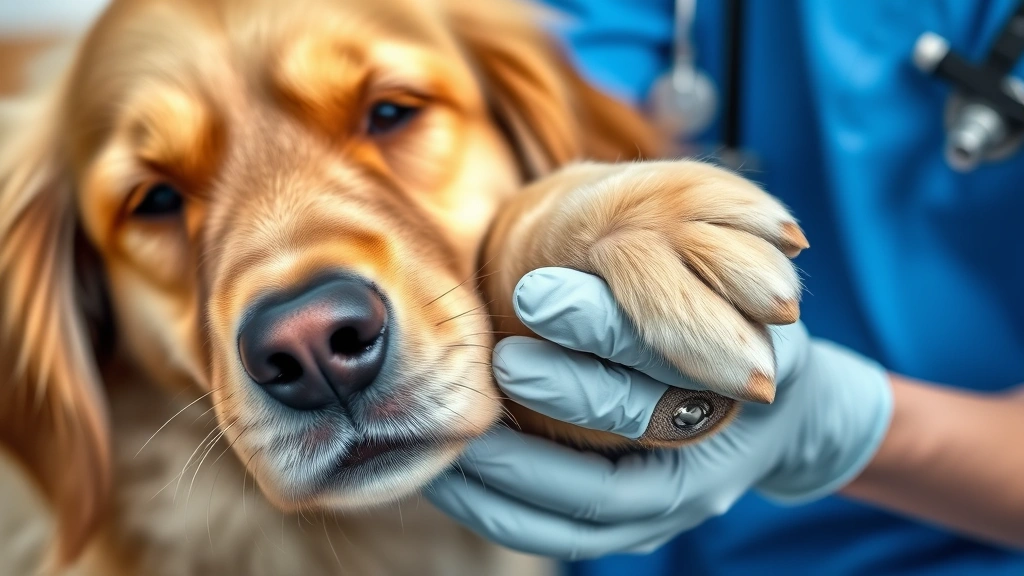
If you’ve ever wondered why does a dog chew on his paws, you’re not alone—this is one of the most common complaints vet techs hear from frustrated dog owners. Your pup’s constant licking and gnawing at their feet can range from a minor annoyance to a serious behavioral or health concern, and figuring out the root cause is absolutely essential before you can help them stop.
Table of Contents
- Allergies: The #1 Culprit Behind Paw Chewing
- Skin Infections and Fungal Issues
- Parasites: Fleas, Mites, and More
- Anxiety, Stress, and Behavioral Issues
- Dry Skin and Environmental Factors
- Injury, Pain, or Arthritis
- Nutritional Deficiencies
- 5 Proven Solutions to Stop Paw Chewing
- When to Call Your Vet Immediately
- Prevention Tips for the Future
- Frequently Asked Questions
- Final Thoughts: Getting to the Root of the Problem
The truth is, paw chewing isn’t just a quirky habit your dog picked up from watching too much TikTok. It’s usually your dog’s way of communicating that something’s wrong—whether that’s physical discomfort, mental stress, or a combination of both. In this guide, we’ll break down the most common reasons dogs chew their paws and give you practical, evidence-based solutions to get your pup’s feet back to normal.
Allergies: The #1 Culprit Behind Paw Chewing
Let’s start with the most common reason: allergies. If your dog is obsessively chewing their paws, allergies are probably the first thing your vet will investigate. Dogs can develop allergies to food, environmental factors (like pollen or dust mites), or contact allergens (like certain fabrics or cleaning products).
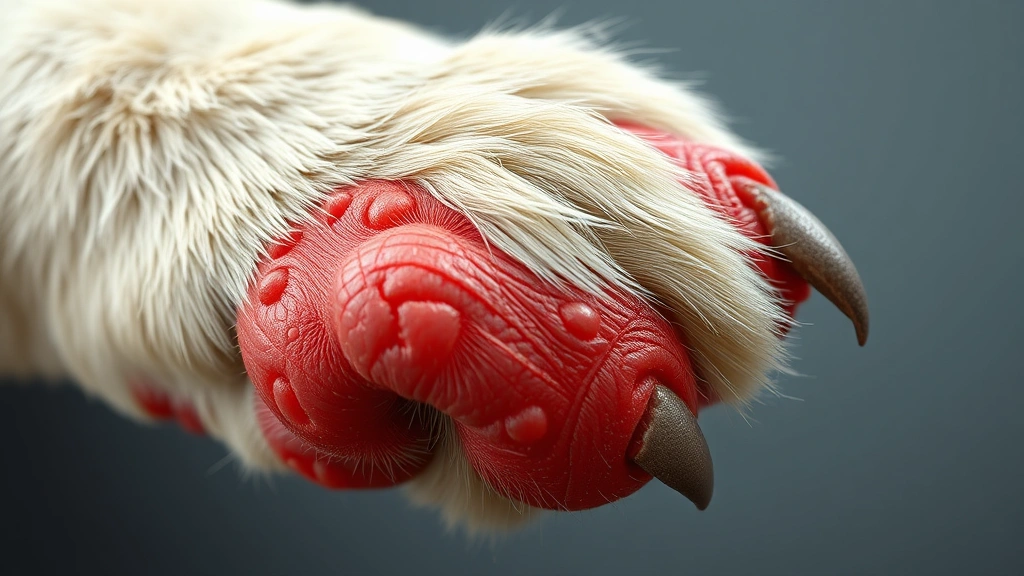
When a dog has allergies, their skin becomes inflamed and itchy, and the paws are one of the most sensitive areas on their body. This is why you’ll often see dogs with allergies focusing their chewing efforts on their feet. The itching can be so intense that they’ll lick and chew until the skin becomes raw and infected.
To determine if allergies are the problem, work with your vet to identify potential triggers. Common food allergens include chicken, beef, wheat, and corn. Environmental allergies might require allergy testing or elimination diets. Once you’ve identified the allergen, you can work on avoiding it or managing the symptoms with antihistamines, steroids, or immunotherapy.
Skin Infections and Fungal Issues
Paw chewing can also indicate a skin infection or fungal problem like yeast or ringworm. These conditions thrive in warm, moist environments—and your dog’s paws are basically the perfect breeding ground, especially if your pup spends time outdoors or gets their feet wet frequently.
Yeast infections are particularly common and often develop secondary to allergies or other skin conditions. You’ll notice redness, a distinctive odor (often described as corn chip-like), and sometimes visible discharge. Ringworm, despite its name, is a fungal infection that creates circular patches of hair loss and scaling.
If you suspect a fungal or bacterial infection, your vet can take a culture or scraping to confirm the diagnosis. Treatment typically involves antifungal medications, medicated shampoos, or topical treatments. Medicated dog shampoo can be incredibly helpful for managing these conditions at home alongside veterinary treatment.
Parasites: Fleas, Mites, and More
Don’t overlook parasites as a potential cause of paw chewing. Fleas are obvious culprits, but mange mites (both sarcoptic and demodectic) can also cause intense itching, especially around the paws and legs. Some dogs are so sensitive to flea bites that even a single flea can trigger excessive scratching.
Cheyletiella mites (also called “walking dandruff”) and ear mites can also lead to paw chewing, as can lice, though lice are less common in well-maintained dogs. The key here is prevention and treatment. Make sure your dog is on a year-round flea and tick prevention program recommended by your vet, and check their paws regularly for signs of parasitic infection.

Anxiety, Stress, and Behavioral Issues
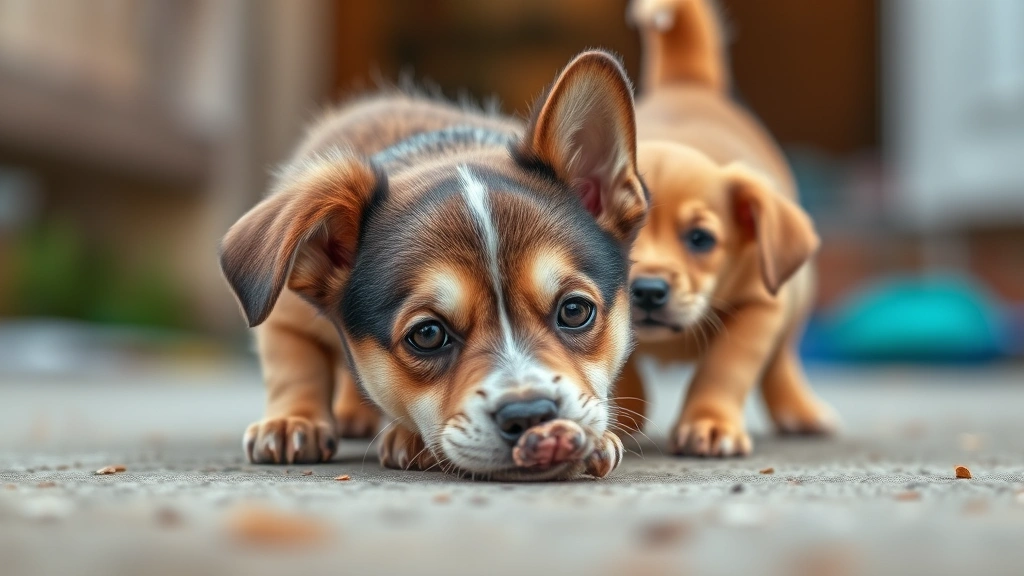
Sometimes why does a dog chew on his paws comes down to psychology rather than physiology. Dogs experiencing anxiety, stress, or boredom can develop compulsive paw chewing as a self-soothing mechanism. This is similar to how humans might bite their nails when stressed.
Common triggers include separation anxiety, thunderstorm phobia, changes in routine, or simply not enough mental and physical stimulation. Bored dogs need outlets for their energy, and if they don’t get enough exercise or enrichment, they’ll create their own entertainment—often at the expense of their paws.
If you suspect behavioral causes, increase your dog’s exercise and playtime, provide puzzle toys and enrichment activities, and consider working with a certified dog trainer or veterinary behaviorist. In some cases, anti-anxiety medications or supplements might be recommended.
Dry Skin and Environmental Factors
Dry skin is another common reason dogs chew their paws. During winter months or in dry climates, your dog’s skin can become dehydrated, leading to itching and discomfort. Harsh weather, frequent bathing (especially with harsh shampoos), or low humidity indoors can all contribute to dry skin.
You can help combat dry skin by ensuring your dog stays hydrated, using a humidifier during dry months, bathing them less frequently with gentle, moisturizing shampoos, and adding omega-3 supplements to their diet. Some vets also recommend topical moisturizers designed specifically for dogs.
Injury, Pain, or Arthritis
Sometimes a dog will chew their paws because of pain or injury in that area. If your dog has a cut, splinter, thorn, or other foreign object lodged in their paw pad, they’ll naturally try to address it by licking and chewing. Older dogs with arthritis might also chew their paws due to joint pain or discomfort.

Always inspect your dog’s paws carefully for visible injuries, swelling, or abnormalities. If you notice limping, reluctance to put weight on a paw, or excessive swelling, contact your vet immediately. They can assess whether there’s an underlying injury or degenerative condition requiring treatment.
Nutritional Deficiencies
A poor diet lacking essential nutrients—particularly omega-3 fatty acids, zinc, and B vitamins—can lead to skin problems and increased itching. If your dog isn’t getting adequate nutrition, their skin barrier becomes compromised, making them more susceptible to infections and irritation.
Ensure your dog is eating a high-quality, balanced diet appropriate for their age and activity level. If you’re feeding homemade or raw diets, work with a veterinary nutritionist to ensure all nutritional needs are being met. Adding AAFCO-certified supplements like fish oil can also support skin health.
5 Proven Solutions to Stop Paw Chewing
Solution 1: Veterinary Diagnosis and Treatment
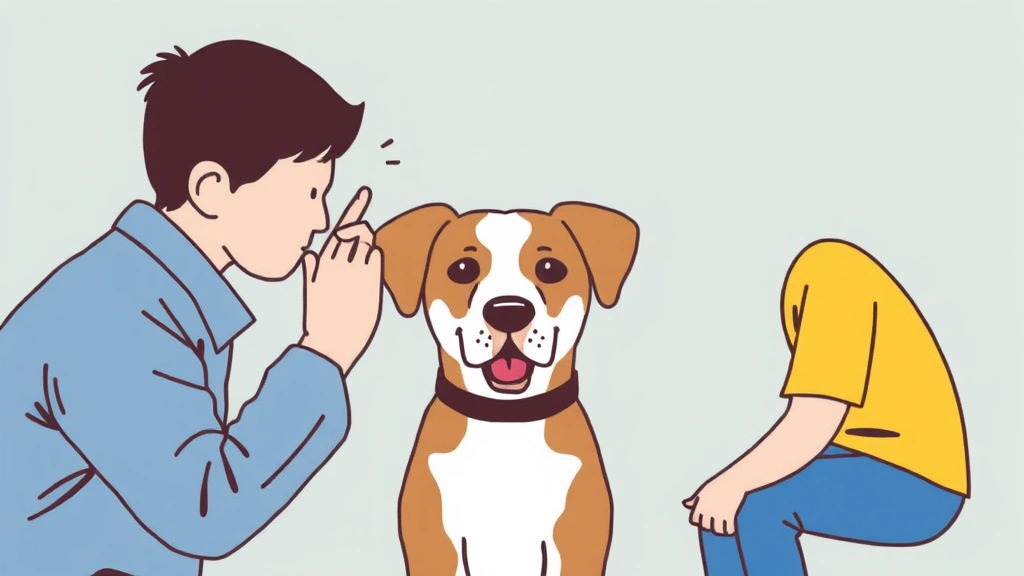
Your first step should always be a vet visit. Your veterinarian can perform a physical exam, run diagnostic tests if needed, and rule out medical conditions. Once a diagnosis is made, follow their recommended treatment plan closely. Whether it’s antibiotics, antifungals, antihistamines, or other medications, consistency is key.
Solution 2: Environmental Management
If allergies are the issue, identify and minimize exposure to allergens. This might mean switching to a limited-ingredient diet, using air filters, or adjusting your cleaning products. Keep your dog’s environment clean and dry, especially their bedding and paw areas.
Solution 3: Proper Paw Care and Hygiene
Wash your dog’s paws regularly with lukewarm water to remove allergens, irritants, and bacteria. Dry them thoroughly, especially between the toes where moisture can accumulate. Trim the hair between paw pads to improve air circulation and reduce moisture buildup. Consider using dog-safe topical treatments to protect raw or irritated areas.
Solution 4: Increased Exercise and Mental Enrichment
Combat stress and boredom by ensuring your dog gets adequate daily exercise. Most dogs need at least 30-60 minutes of physical activity, depending on breed and age. Provide puzzle toys, interactive games, and training sessions to keep their mind engaged. A tired dog is less likely to engage in destructive behaviors like excessive paw chewing.
Solution 5: Supplements and Dietary Adjustments
Work with your vet to add supplements that support skin health, such as omega-3 fatty acids, probiotics, or collagen. Ensure your dog’s diet is complete and balanced. Some dogs benefit from switching to a limited-ingredient or hypoallergenic diet to identify food sensitivities.
When to Call Your Vet Immediately
Seek veterinary attention right away if your dog’s paws show signs of infection (redness, swelling, discharge, or foul odor), if they’re limping or unable to walk normally, if the chewing has caused open wounds that won’t heal, or if the behavior is accompanied by other symptoms like hair loss, lethargy, or vomiting.
Prevention Tips for the Future
Once you’ve addressed the underlying cause, prevention is crucial. Maintain a consistent grooming routine, keep your dog on preventative flea and tick medication year-round, provide regular exercise and mental stimulation, feed a high-quality diet, and monitor your dog’s paws weekly for any signs of problems. Early intervention can prevent minor issues from becoming major concerns.
Frequently Asked Questions
Is it normal for dogs to chew their paws occasionally?
Yes, occasional paw licking is completely normal grooming behavior. However, if your dog is obsessively chewing, licking, or causing damage to their paws, it’s time to investigate. The key is frequency and intensity—if it’s happening multiple times daily or causing visible damage, contact your vet.
How long does it take to see improvement after starting treatment?
This depends on the underlying cause and type of treatment. Allergic reactions might improve within days to weeks once the allergen is removed. Infections might take 2-4 weeks of treatment to fully resolve. Behavioral issues and anxiety-related chewing may take longer and require ongoing management.
Can I use human moisturizers or treatments on my dog’s paws?
No, you should avoid human products on your dog’s skin. Many human moisturizers and medications contain ingredients that are toxic to dogs or can cause irritation. Always use products specifically formulated for dogs, and consult your vet before applying anything to your dog’s skin.
What’s the difference between paw chewing and paw licking?
While the terms are often used interchangeably, chewing typically indicates more intense discomfort or behavioral issues, while light licking might just be grooming. Excessive licking can still be problematic and often precedes actual chewing. Both warrant attention if they’re happening frequently.
Can diet alone fix paw chewing problems?
Diet can help if the problem is food allergies or nutritional deficiencies, but it’s rarely a complete solution on its own. Most cases of paw chewing require a multi-faceted approach combining dietary changes, medical treatment, environmental management, and behavioral modifications.
If your dog is dealing with other health concerns, you might also want to explore related topics like why your dog has a dry cough and then gags, or whether salt is good for dogs. Additionally, understanding conditions like lipomas in dogs can help you stay informed about your pet’s overall health.
Final Thoughts: Getting to the Root of the Problem
Figuring out why does a dog chew on his paws requires patience, observation, and often professional help. But the good news is that with the right approach, most cases are manageable or completely treatable. Start with a vet visit to rule out medical issues, then work through the solutions systematically. Your dog will thank you when those paws finally get some relief, and you’ll get your peace back from the constant licking and chewing. Remember, consistency and follow-through are everything—stick with your treatment plan, and you’ll see results.





