
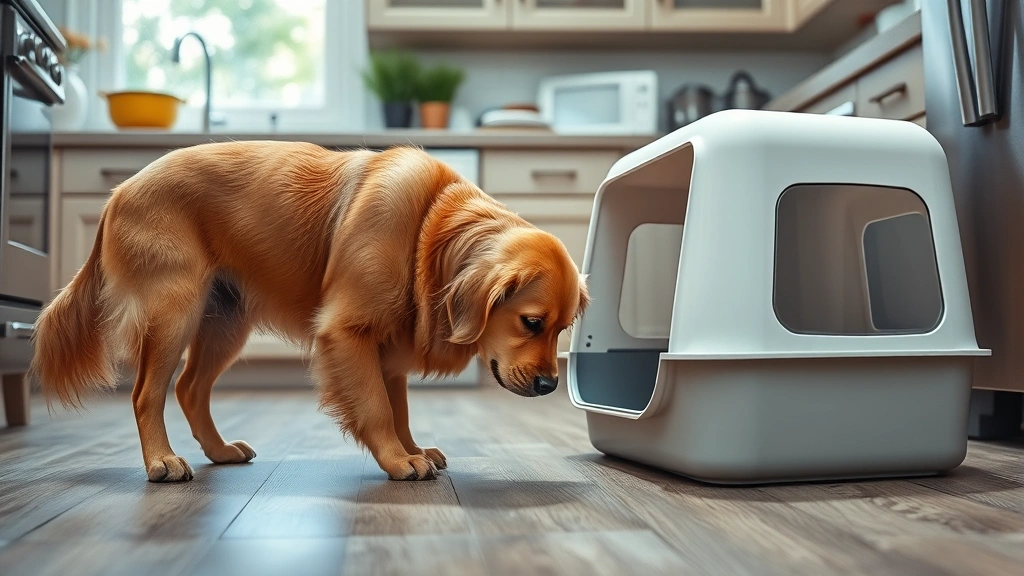
If you’ve ever caught your dog munching on cat poop, you’re not alone—and yes, it’s absolutely disgusting. But why does a dog eat cat feces in the first place? The answer isn’t as simple as “your dog is gross” (though that might be part of it). There are actually legitimate biological, behavioral, and nutritional reasons behind this revolting habit, and understanding them is the first step to stopping it.
Table of Contents
- The Nutritional Reason: Your Dog Might Be Nutrient Deficient
- Digestive Enzyme Deficiency and Malabsorption Issues
- The Behavioral Aspect: Learned Behavior and Boredom
- Medical Conditions That Trigger Coprophagy
- Stress, Anxiety, and Compulsive Behavior
- It Smells Like Food (Because It Kind Of Is)
- Practical Solutions: How to Stop the Behavior
- Training and Behavioral Modification Techniques
- When to Consult a Veterinarian
- Environmental Management: Creating a Cat-Friendly, Dog-Free Zone
- Frequently Asked Questions
- Summary: Understanding and Preventing the Behavior
The Nutritional Reason: Your Dog Might Be Nutrient Deficient
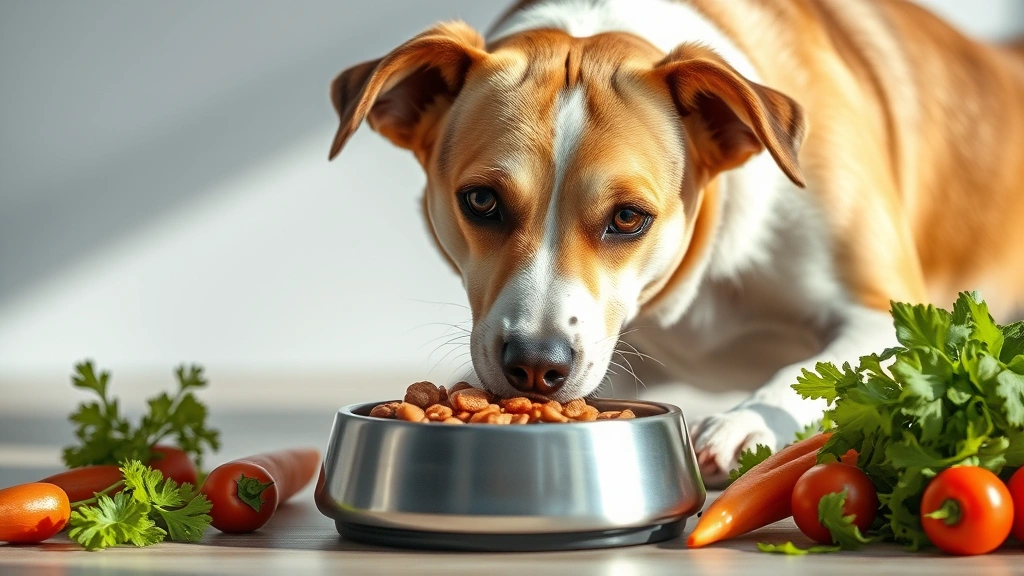
One of the most common reasons dogs engage in coprophagy—that’s the fancy term for eating feces—is nutritional deficiency. Cat feces, particularly from cats eating high-protein diets, contain nutrients that your dog’s body might be craving. If your dog isn’t getting enough protein, fat, or B vitamins from their regular diet, they may instinctively seek these nutrients elsewhere. This is especially true if you’re feeding low-quality dog food. Consider upgrading to a premium option; many pet owners have found success with Is Merrick a Good Dog Food or Is NutriSource a Good Dog Food for addressing nutritional gaps.
Digestive Enzyme Deficiency and Malabsorption Issues
Some dogs lack sufficient digestive enzymes to properly break down and absorb nutrients from their food. This malabsorption means they’re essentially starving despite eating regularly, so they’ll eat almost anything—including cat feces—to compensate. Cat poop is particularly attractive because it’s already partially digested, making it easier for their compromised digestive system to extract nutrients. If your dog has chronic digestive issues, consult your vet about enzyme supplements or a specialized diet like Low Fat Dog Food for Pancreatitis, which can help with absorption problems.
The Behavioral Aspect: Learned Behavior and Boredom
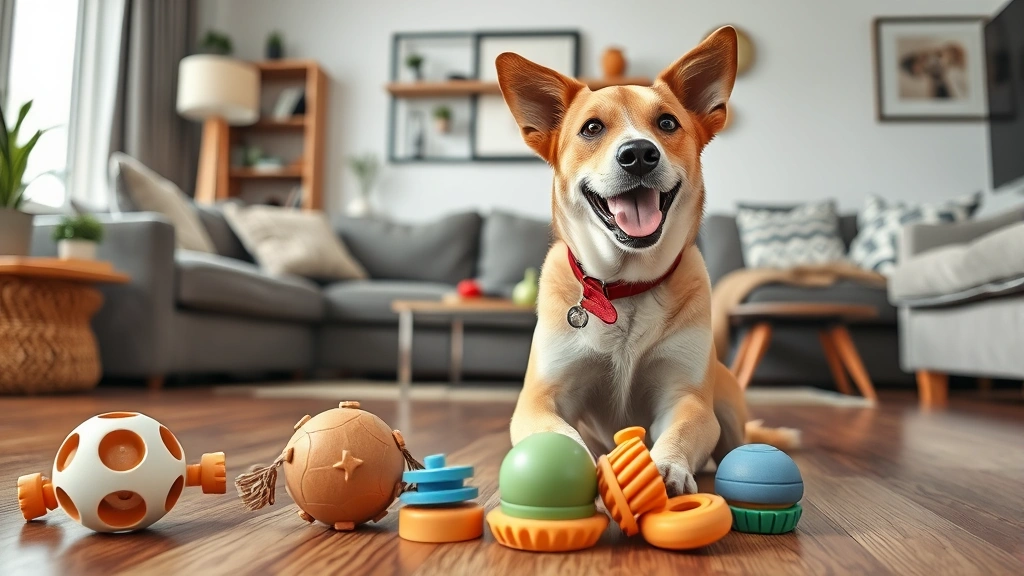
Sometimes dogs eat cat feces simply because they’ve done it before and found it rewarding—not nutritionally, but behaviorally. The act becomes a habit, especially in multi-pet households where the litter box is easily accessible. Additionally, bored dogs will eat almost anything for stimulation and entertainment. A dog with insufficient mental enrichment might view the litter box as an exciting snack station rather than off-limits territory. Increasing playtime, puzzle toys, and training sessions can significantly reduce this behavior.
Medical Conditions That Trigger Coprophagy
Certain health conditions make dogs more likely to eat feces. Diabetes, thyroid disease, Cushing’s syndrome, and intestinal parasites can all increase appetite and nutrient-seeking behavior. Pancreatic insufficiency is another culprit—dogs with this condition can’t properly digest food, leading them to compensate by eating more, including inappropriate items. If your dog suddenly develops this habit or it’s accompanied by weight loss, excessive appetite, or digestive upset, schedule a vet visit immediately. These could be signs of serious underlying health issues that require professional diagnosis.
Stress, Anxiety, and Compulsive Behavior
Dogs experiencing stress or anxiety sometimes engage in coprophagy as a self-soothing behavior, similar to how humans might stress-eat. Changes in the household, new pets, moving to a new home, or separation anxiety can all trigger this behavior. In some cases, it becomes a compulsive habit that persists even after the original stressor is removed. Identifying and addressing the underlying anxiety through training, environmental modifications, or professional behavioral help is crucial for breaking the cycle.
It Smells Like Food (Because It Kind Of Is)
Let’s be honest: to a dog, cat poop doesn’t smell disgusting—it smells like food. Cats are obligate carnivores, so their feces contains more protein and fat than dog waste. Your dog’s nose is telling them “this is a high-protein snack,” even though your brain is screaming in horror. This is particularly true for dogs with high prey drives or those bred for hunting. The novelty and strong smell make it irresistible, especially compared to their regular kibble.
Practical Solutions: How to Stop the Behavior
Now that you understand why your dog is doing this, let’s talk solutions. First, restrict access to the litter box. Use baby gates, install a cat door that your dog can’t fit through, or place the litter box in a room your dog can’t access. This is the simplest and most effective immediate solution. Second, upgrade your dog’s diet to ensure they’re getting complete nutrition. Look for foods with high-quality protein sources and proper nutrient profiles. Third, increase exercise and mental stimulation to combat boredom and anxiety. A tired dog is less likely to get into trouble.
Training and Behavioral Modification Techniques
Train a solid “leave it” command and practice it consistently, especially around the litter box area. Reward your dog heavily for ignoring the litter box and for coming to you instead. Some trainers recommend briefly supervising your dog in areas where they have access to the litter box, catching them in the act, and redirecting them to appropriate behavior with immediate rewards. Consistency is absolutely critical—everyone in the household must enforce the same rules.
When to Consult a Veterinarian
If the behavior is sudden, persistent despite your efforts, or accompanied by other symptoms like weight loss, vomiting, or diarrhea, schedule a vet appointment immediately. Your veterinarian can rule out parasites, malabsorption issues, and other medical conditions. They can also recommend specific dietary changes or supplements tailored to your dog’s needs. Don’t assume it’s just a behavioral quirk if it develops suddenly—it could be your dog’s way of telling you something’s wrong.
Environmental Management: Creating a Cat-Friendly, Dog-Free Zone
Create a designated area in your home that’s exclusively for your cat and their litter box. This might be a bathroom, laundry room, or bedroom with a baby gate or cat door installed. This setup respects your cat’s need for privacy and bathroom access while protecting your dog from temptation. Additionally, keep the litter box scrupulously clean by scooping multiple times daily. The less poop available, the less your dog can eat. Some pet owners use covered litter boxes or automatic litter boxes that seal away waste, making access more difficult.
Frequently Asked Questions
Is it dangerous for my dog to eat cat feces?
Yes, there are health risks. Cat feces can contain parasites, bacteria, and pathogens that can cause intestinal infections, diarrhea, and vomiting in dogs. While many dogs get away with it without serious consequences, it’s not something to ignore. Additionally, if your cat is on medications, those drugs can be ingested by your dog through the feces. Always aim to prevent this behavior.
Can cat litter be toxic to dogs?
Certain types of cat litter can be problematic if ingested. Clumping litters can expand in the digestive tract and cause blockages, while some litters contain chemicals or dust that irritate the GI tract. Switching to a safer litter option or using a covered box can help minimize this risk.
How long does it take to break this habit?
It depends on the underlying cause and how consistently you address it. If it’s purely behavioral and you restrict access immediately, you might see improvement within days or weeks. If there’s a nutritional or medical component, it could take longer as you adjust the diet or treat the condition. Patience and consistency are essential.
Will my dog get sick from eating cat poop?
Not necessarily, but it’s possible. The risk depends on your cat’s health, the presence of parasites, and your dog’s immune system. Some dogs seem to have iron stomachs and never get sick, while others develop diarrhea or infections. It’s not worth the gamble—prevention is always better than treatment.
Is coprophagy a sign of a serious problem?
It can be. While sometimes it’s just annoying behavior, coprophagy can indicate nutritional deficiencies, malabsorption, parasites, or other medical issues. If it’s a new behavior or persistent despite your efforts, consult your vet to rule out underlying health problems.
Summary: Understanding and Preventing the Behavior
So why does a dog eat cat feces? The answer is multifaceted: nutritional deficiency, digestive issues, learned behavior, medical conditions, stress, or simply because it smells like food to them. The solution requires a multi-pronged approach including environmental management, dietary improvements, behavioral training, and potentially veterinary intervention. Start by restricting access to the litter box, upgrade your dog’s food quality, increase exercise and mental stimulation, and consult your vet if the behavior is sudden or persistent. With patience and consistency, you can break this revolting habit and keep both your dog and cat healthier and happier. Remember, understanding the “why” makes solving the “how” much easier—and your nose will thank you.





