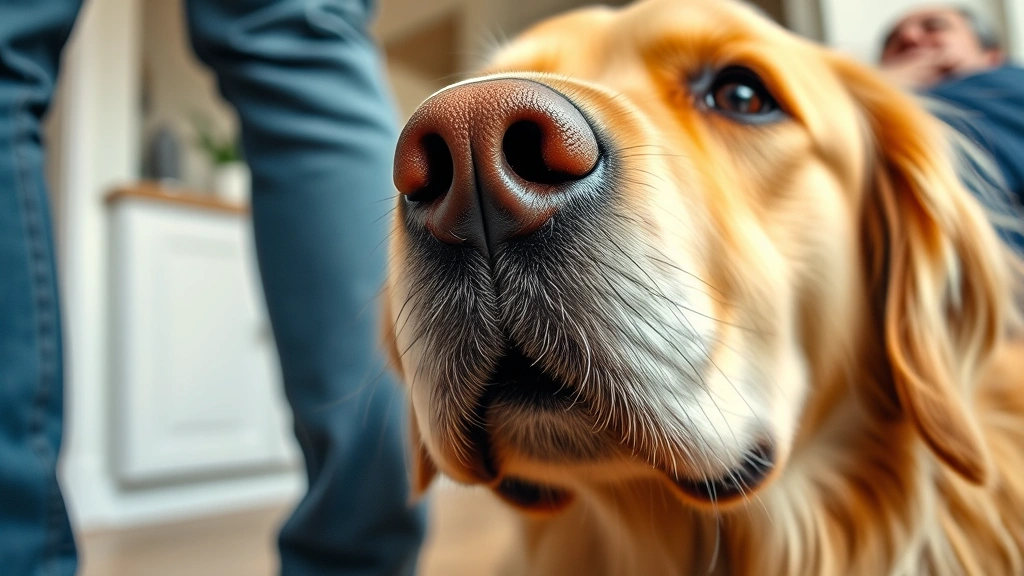
If you’ve ever wondered why does dog smell my crotch, you’re not alone—and honestly, it’s one of the most awkward yet hilarious aspects of dog ownership. Your furry friend isn’t being rude or inappropriate; they’re actually just being a dog. Let’s dig into the science, behavior, and reasons behind this quirky canine habit that makes us all blush a little.
Table of Contents
- The Scent Gland Mystery: Why Your Crotch is a Dog’s Favorite Hotspot
- Pheromones: The Chemical Language Dogs Speak
- Pack Behavior and Social Hierarchy
- Identifying You and Marking Territory
- Health Monitoring: Your Dog’s Built-In Medical Alert System
- Stress and Anxiety Responses
- Canine Greeting Etiquette: What’s Normal and What Isn’t
- The Role of Sexual Maturity and Hormones
- How to Manage the Behavior Without Shaming Your Pup
- Breed Differences in Sniffing Behavior
- Medical Reasons Behind Increased Sniffing
- Frequently Asked Questions
- Conclusion: Understanding Your Dog’s Quirky Habit
The Scent Gland Mystery: Why Your Crotch is a Dog’s Favorite Hotspot
Dogs have an incredible sense of smell—about 10,000 to 100,000 times more sensitive than humans. Your genital area produces some of the strongest pheromones and odors on your entire body, making it like a neon sign to your dog’s nose. This region is packed with apocrine sweat glands that release unique scent compounds, especially when you’re stressed, exercising, or going through hormonal changes. From a dog’s perspective, your crotch is basically a personalized information billboard about who you are, what you’ve been doing, and how you’re feeling.
Pheromones: The Chemical Language Dogs Speak
Pheromones are chemical signals that animals use to communicate with each other. Humans produce pheromones constantly, but we’re largely unaware of them. Dogs, however, are pheromone-reading machines. The area between your legs is rich in these chemical messages, which is why dog smell behavior focuses on this zone. Your dog isn’t trying to be invasive—they’re just reading your biological resume. They can detect information about your health, emotional state, diet, and even whether you’re sick or about to get sick.
Pack Behavior and Social Hierarchy
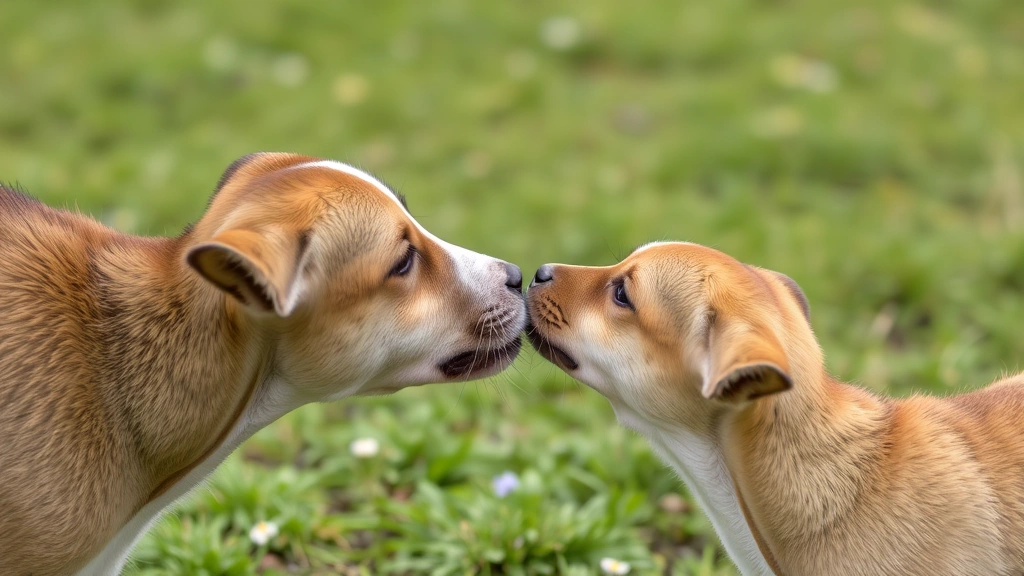
In wolf packs and wild dog groups, sniffing the rear end and genital area is a standard greeting ritual and a way to establish social hierarchy. Your dog is following ancient instincts when they approach your crotch. They’re essentially saying, “Hey, let me check you out and figure out where you stand in our pack.” This behavior is completely normal in the canine world, even if it makes us humans feel uncomfortable. It’s their way of gathering intel about you as a pack member.
Identifying You and Marking Territory
Dogs have a unique scent profile, and they’re constantly learning and updating their mental database of familiar smells. By sniffing your crotch, your dog is confirming your identity—kind of like a furry security system. They’re also potentially marking you with their own scent glands (located around their face and paws) to claim you as part of their pack. This behavior strengthens the bond between you and your pup, even if it feels a bit invasive from the human perspective.

Health Monitoring: Your Dog’s Built-In Medical Alert System
There’s compelling evidence that dogs can detect certain health conditions through smell. Some dogs have been trained to alert their owners to low blood sugar, seizures, and even certain cancers. Your dog sniffing your crotch might be their way of monitoring your health status. If you’re experiencing hormonal fluctuations, urinary tract infections, or other health changes, your dog can pick up on these shifts through scent. This is why dogs sometimes increase their sniffing behavior when their owners are unwell. If you notice sudden increases in this behavior, it might be worth checking in with your doctor—your pup could be onto something.
Stress and Anxiety Responses
Dogs are incredibly attuned to human emotions. When you’re stressed, anxious, or nervous, your body releases different hormones and chemicals, which changes your scent profile. Your dog might sniff your crotch more frequently during stressful periods because they’re trying to understand what’s going on with you emotionally. It’s their way of checking in and gathering information about your mental state. Some dogs do this as a comfort-seeking behavior for themselves, while others are genuinely trying to assess whether their human is okay.

Canine Greeting Etiquette: What’s Normal and What Isn’t
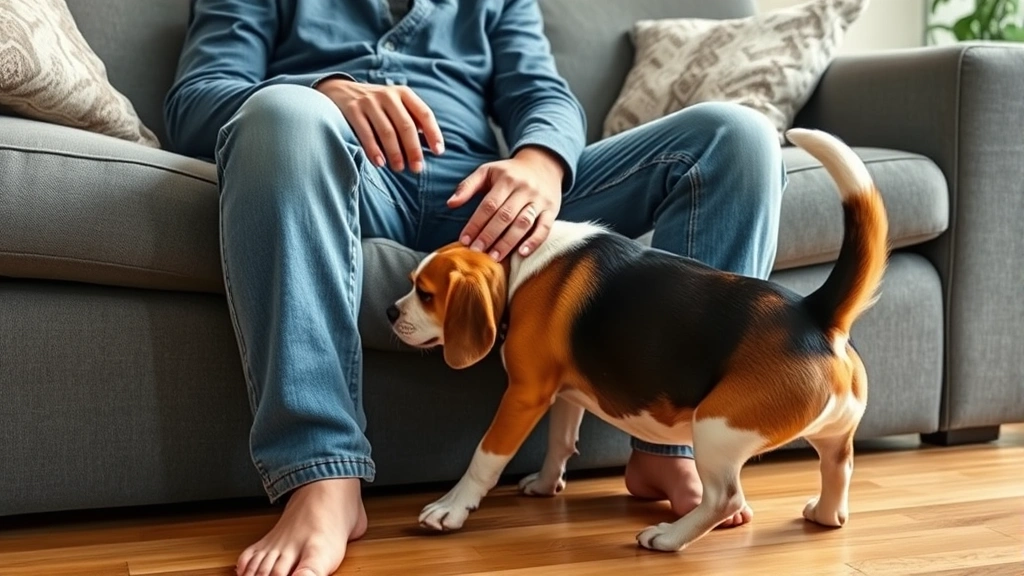
For dogs, sniffing is the equivalent of a handshake or a conversation starter. When a dog greets another dog, they sniff rear ends. When they greet humans, they often aim for the crotch because it’s at nose level and contains the most information. It’s not personal—it’s just practical anatomy. However, if your dog’s sniffing behavior becomes obsessive, aggressive, or is accompanied by other concerning signs like lethargy in dogs or behavioral changes, it might warrant a vet visit to rule out underlying issues.
The Role of Sexual Maturity and Hormones
Intact (non-neutered) dogs are particularly drawn to the genital area because they’re detecting reproductive hormones. Even spayed and neutered dogs maintain this behavior because it’s deeply ingrained in their social communication system. If you have an intact male dog, they’ll be even more interested in sniffing, especially if they detect hormonal changes in female humans. This is completely normal canine behavior, though it can be managed through training and redirection.

How to Manage the Behavior Without Shaming Your Pup
If your dog’s crotch-sniffing habit is making you uncomfortable (and let’s be honest, who wouldn’t be?), there are effective management strategies. First, never punish your dog for this behavior—they’re not doing anything wrong from their perspective. Instead, redirect their attention with a toy, treat, or command like “sit” or “down.” You can also teach your dog a “leave it” command specifically for this situation. Some owners find success with keeping their dog on a leash during social situations where this behavior is most likely to occur. Remember, this is a natural behavior, so management is about teaching appropriate context, not eliminating the instinct entirely.
Breed Differences in Sniffing Behavior
Certain breeds, particularly scent hounds and tracking breeds, have been selectively bred to rely heavily on their sense of smell. Beagles, Basset Hounds, Bloodhounds, and similar breeds will sniff more intensely and more frequently than breeds like low energy dog breeds that were bred for companionship rather than scent work. If you have a high-scent-drive breed, this behavior might be more pronounced and persistent. Understanding your breed’s natural inclinations can help you manage expectations and implement appropriate training strategies.

Medical Reasons Behind Increased Sniffing
Sometimes, an increase in sniffing behavior can indicate a medical issue. If your dog suddenly becomes obsessed with sniffing your crotch when they previously showed normal behavior, it could indicate a urinary tract infection, anal gland problems, or other health concerns. It’s also worth noting that some dogs increase this behavior when they’re bored or anxious. If the behavior changes suddenly or seems excessive, consult your veterinarian to rule out any underlying health issues. Additionally, if you notice your dog seems lethargic or shows other signs of illness alongside increased sniffing, don’t delay in seeking professional help.
Frequently Asked Questions
Is it normal for dogs to smell people’s crotches?
Absolutely. This is completely normal canine behavior rooted in their evolutionary history and their incredible sense of smell. Dogs gather information through scent, and the genital area is rich with pheromones and scent compounds. It’s their way of greeting, identifying, and assessing you. While it might feel awkward to humans, it’s a standard part of dog communication.

Why do dogs sniff crotches more than other body parts?
The genital area produces the strongest and most informative scents on the human body due to concentrated apocrine sweat glands. This region contains pheromones and other chemical signals that tell your dog about your identity, health status, emotional state, and hormonal fluctuations. It’s also at nose level, making it physically convenient for dogs to sniff.
Can I train my dog to stop sniffing my crotch?
You can manage and redirect the behavior through training, but you can’t completely eliminate a natural instinct. Teach commands like “sit,” “down,” or “leave it” and reward your dog when they comply. Redirect their attention with toys or treats when they approach. Consistency is key, and never punish your dog for this natural behavior.
Does sniffing indicate a health problem?
Not necessarily. Normal sniffing is just communication. However, a sudden increase in sniffing behavior or obsessive sniffing could indicate a health issue in your dog or a change in your health status. If the behavior changes dramatically, consult your veterinarian. Some dogs have been trained to detect serious health conditions like seizures and low blood sugar through scent.
Why do dogs sniff crotches more when you’re stressed?
Stress changes your body chemistry and scent profile. Dogs are highly attuned to these changes and will sniff more intensely when they detect stress hormones and altered pheromone levels. Your dog is essentially checking in on you and trying to understand what’s happening with your emotional state.
Is this behavior different in male versus female dogs?
Intact males are typically more driven to sniff due to their sensitivity to reproductive hormones. However, both male and female dogs, whether spayed/neutered or not, engage in this behavior as part of their normal social communication system. The intensity might vary, but the behavior itself is universal across sexes.
Conclusion: Understanding Your Dog’s Quirky Habit
So, why does dog smell my crotch? The answer is multifaceted: it’s a combination of evolutionary behavior, incredible olfactory abilities, social communication, health monitoring, and pure canine curiosity. Your dog isn’t being rude or inappropriate—they’re just being a dog and following instincts that have been hardwired into their species for thousands of years. While it might make us blush, it’s actually a sign that your dog is interested in you, invested in your wellbeing, and trying to understand you better. By understanding the reasons behind this behavior, you can appreciate it for what it is: a quirky but meaningful way your dog connects with you. And if it bothers you, remember that gentle redirection and training can help manage the behavior in socially appropriate contexts without shaming your furry friend. After all, they’re just being themselves—and that’s what we love about them. For more information about dog behavior and health, check out resources from the American Kennel Club, PetMD, or consult with your veterinarian. And if you’re concerned about other behavioral or health issues, don’t hesitate to explore topics like is dog pink eye contagious to humans or is it normal for a dog to snore to better understand your pup’s quirks.