

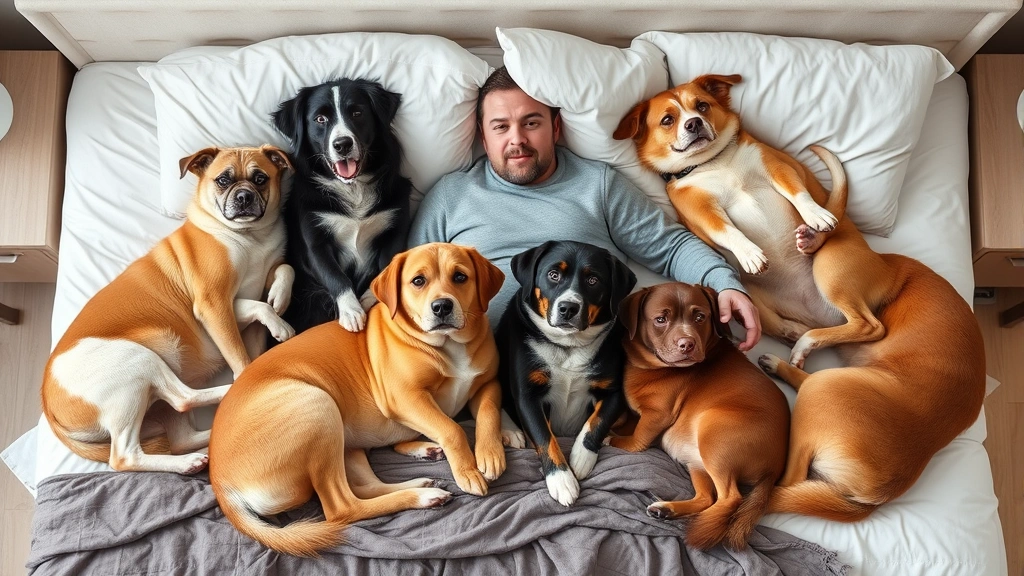
If you’re wondering why does my dog always lay on me, you’re not alone. Countless dog owners find themselves pinned to the couch or bed by a furry lump who refuses to move. While it might seem like your dog is just being lazy, there’s actually a lot more going on in that adorable little head. Dogs have legitimate reasons for turning you into their personal mattress, and understanding these motivations can actually deepen your bond with your furry best friend.
Table of Contents
- 1. Your Dog Sees You as Pack Protection and Security
- 2. Scent Marking and Bonding Through Proximity
- 3. Temperature Regulation and Warmth-Seeking Behavior
- 4. Attention-Seeking and Learned Behavior
- 5. Anxiety Relief and Stress Management
- Understanding Your Dog’s Body Language While Laying on You
- Is It Healthy for Your Dog to Always Lay on You?
- How to Encourage or Discourage the Behavior
- Breed Tendencies and Individual Personality
- When to Consult a Veterinarian or Behaviorist
- Creating a Balanced Relationship with Your Lap Dog
- Frequently Asked Questions
- The Bottom Line: Your Dog’s Lap is a Love Language
1. Your Dog Sees You as Pack Protection and Security
Dogs are pack animals, and in the wild, pack members stick together for survival. When your pup drapes themselves across your lap or curls up on your chest, they’re not just looking for comfort—they’re seeking the security that comes from being near their pack leader. Your dog views you as their protector and safe haven. By laying on you, they’re essentially saying, “I feel safest when I’m close to you.” This behavior is especially common in anxious dogs or those who’ve experienced trauma. If your dog is a chronic lap warmer, check out our guide on is my dog happy to ensure your pup is genuinely content.
2. Scent Marking and Bonding Through Proximity
Your dog’s sense of smell is roughly 10,000 to 100,000 times more sensitive than yours. When your pup lays on you, they’re absorbing your scent and also leaving theirs on you. This scent exchange is a form of bonding that strengthens the emotional connection between you and your dog. It’s their way of claiming you as part of their pack and marking you with their scent glands. This behavior, known as “scent marking,” is a natural and healthy part of canine social structure. Dogs who engage in this behavior typically have strong attachments to their owners and view the relationship as mutually beneficial.
3. Temperature Regulation and Warmth-Seeking Behavior
Let’s face it—dogs love warmth, and you’re basically a portable heating pad. A dog’s normal body temperature is between 101 and 102.5 degrees Fahrenheit, which is higher than humans. When your pup lays on you, especially during cooler months, they’re seeking that extra warmth. This is particularly true for smaller breeds, senior dogs, and those with thinner coats. If your dog is always seeking your lap during winter, they might just be chasing comfort. However, excessive heat-seeking behavior during warm months could indicate a health issue, so monitor your pup’s behavior accordingly.
4. Attention-Seeking and Learned Behavior
Dogs are incredibly intelligent and observant creatures. If your dog has learned that laying on you results in pets, treats, or verbal attention, they’ll repeat this behavior. It’s classic operant conditioning. Every time you’ve scratched behind their ears while they’re sprawled across your lap, you’ve reinforced the behavior. Even negative attention counts—if you talk to them or acknowledge them when they lay on you, they’re getting what they want. This is why some dogs become professional lap warmers: they’ve figured out the formula for getting your attention. The good news is that understanding this behavior means you can manage it if it becomes problematic.
5. Anxiety Relief and Stress Management
Just like humans, dogs experience anxiety and stress. Laying on their owner can have a calming effect, similar to how weighted blankets work for people. The pressure and closeness provide comfort and help regulate their nervous system. Dogs dealing with separation anxiety, thunderstorm phobias, or general nervousness often seek out their owners for comfort. If your dog becomes a velcro pup during storms or when you’re about to leave, they’re likely using you as an anxiety management tool. This is a sign that your dog trusts you completely and views you as their emotional anchor. For more insights into your dog’s emotional well-being, explore our article on dog happiness indicators.
Understanding Your Dog’s Body Language While Laying on You
Not all lap-laying is created equal. Pay attention to your dog’s body language to understand what they’re really communicating. A relaxed dog with soft eyes, a gentle tail wag, and loose muscles is genuinely content and bonding with you. A dog with tense muscles, pinned-back ears, or a tucked tail might be anxious or seeking reassurance. A dog with a stiff posture and intense stare could be displaying possessive behavior. Understanding these nuances helps you respond appropriately to your pup’s needs. Some dogs lay on you to protect you, while others do it purely for comfort. The context matters—pay attention to when and where your dog chooses to lay on you for clues about their motivation.

Is It Healthy for Your Dog to Always Lay on You?
Generally speaking, allowing your dog to lay on you is perfectly healthy and beneficial for both of you. Studies have shown that petting dogs lowers blood pressure and reduces stress in humans, while the close contact provides comfort and security for your dog. However, there are a few situations where you might want to set boundaries. If your dog’s behavior is preventing them from getting exercise, eating properly, or using the bathroom, it’s time to establish some ground rules. Similarly, if the behavior stems from severe separation anxiety or possessiveness, consulting with a veterinary behaviorist might be helpful. For most dogs and owners, though, a cuddle buddy is nothing but a blessing.
How to Encourage or Discourage the Behavior
If you love having your dog lay on you but want to manage when it happens, you can use positive reinforcement to encourage the behavior at appropriate times. Create a special “cuddle command” and reward your dog when they respond. Conversely, if you need to discourage constant lap-laying, avoid giving attention when they lay on you uninvited. Instead, reward them for sitting nearby without making contact. Redirect their energy with toys like a lick mat for dogs, which provides stimulation and comfort without requiring you to be their personal furniture. The key is consistency—whatever approach you choose, stick with it so your dog understands the expectations.
Breed Tendencies and Individual Personality
Certain breeds are notorious for being lap dogs. Cavalier King Charles Spaniels, Dachshunds, Chihuahuas, and Bichon Frises were literally bred to be companion dogs, so their lap-laying instincts run deep. However, individual personality matters more than breed. Some independent-minded Labrador Retrievers couldn’t care less about being lap dogs, while some working breeds surprise their owners with their clingy behavior. Your dog’s upbringing, socialization, and past experiences also play significant roles. A rescue dog who’s finally found a safe home might become glued to your side, while a well-adjusted pup from a breeder might be more independent. If you’re looking for naturally less demanding companions, check out our guide on low maintenance dogs.
When to Consult a Veterinarian or Behaviorist
While most lap-laying behavior is perfectly normal, there are instances when you should seek professional guidance. If your dog’s behavior suddenly changes—they go from being independent to never leaving your side—it could indicate pain, illness, or cognitive decline. Senior dogs sometimes become more clingy due to declining vision or hearing. If the behavior is accompanied by other signs like excessive panting, trembling, or destructive behavior when separated from you, anxiety might be the culprit. A veterinary behaviorist can help you develop strategies to manage problematic clingy behavior. Your regular vet can rule out any underlying medical issues. According to the American Kennel Club, understanding your dog’s behavior is essential to providing appropriate care.
Creating a Balanced Relationship with Your Lap Dog
The ideal relationship with your dog includes both quality cuddle time and healthy independence. Encourage your dog to spend time in their own bed or designated space, even when you’re home. This builds confidence and prevents unhealthy dependency. Make sure your pup gets adequate exercise and mental stimulation, which can reduce clingy behavior. Play sessions, training, and exploration help dogs feel fulfilled and less anxious. When your dog does lay on you, be present and engaged rather than distracted. Quality beats quantity—a focused five minutes of genuine interaction is better than eight hours of passive proximity. This approach ensures your dog is happy, well-adjusted, and secure in the relationship.
Frequently Asked Questions
Is it bad if my dog always wants to lay on me?
Not at all! In fact, it’s usually a sign of a strong bond and trust. However, if the behavior prevents your dog from normal activities or stems from severe anxiety, it might be worth addressing with a trainer or behaviorist.
Why does my dog lay on my chest specifically?
Your chest is the closest thing to another dog’s heartbeat and warmth. Dogs find the sound and rhythm of your heartbeat incredibly soothing, similar to how puppies snuggle with their mother. It’s one of the most comforting positions for them.
Can laying on me be a sign of dominance?
While older training theories suggested this, modern behaviorists understand that laying on you is rarely about dominance. It’s usually about comfort, bonding, or anxiety. Actual dominance displays involve different body language like stiff posture and direct staring.
What’s the difference between my dog laying on me and just sitting near me?
Laying on you indicates a stronger need for closeness and contact, suggesting higher anxiety, stronger bonding instinct, or greater comfort-seeking. Sitting nearby shows your dog is content in your presence but more independent.
How can I tell if my dog’s lap-laying is anxiety-related?
Anxiety-related laying on you often occurs during specific triggers like thunderstorms, before you leave the house, or during stressful situations. The dog might also display other anxiety signs like panting, whining, or trembling.
The Bottom Line: Your Dog’s Lap is a Love Language
When you ask yourself why does my dog always lay on me, remember that you’re witnessing one of the purest forms of canine affection. Whether your dog is seeking security, warmth, attention, or comfort, the behavior indicates that your pup sees you as their safe place. In a world that can feel overwhelming and unpredictable, you are your dog’s anchor. That weight on your lap? That’s love in its most literal form. Enjoy those cuddles, because before you know it, your dog will be older and those lap sessions will become even more precious. Unless your pup’s behavior is problematic or indicates an underlying issue, embrace your role as a professional dog bed and revel in the unconditional love your furry friend is offering. After all, there’s nothing quite like being someone’s favorite person—especially when that someone has four legs and an endless capacity for devotion.





