
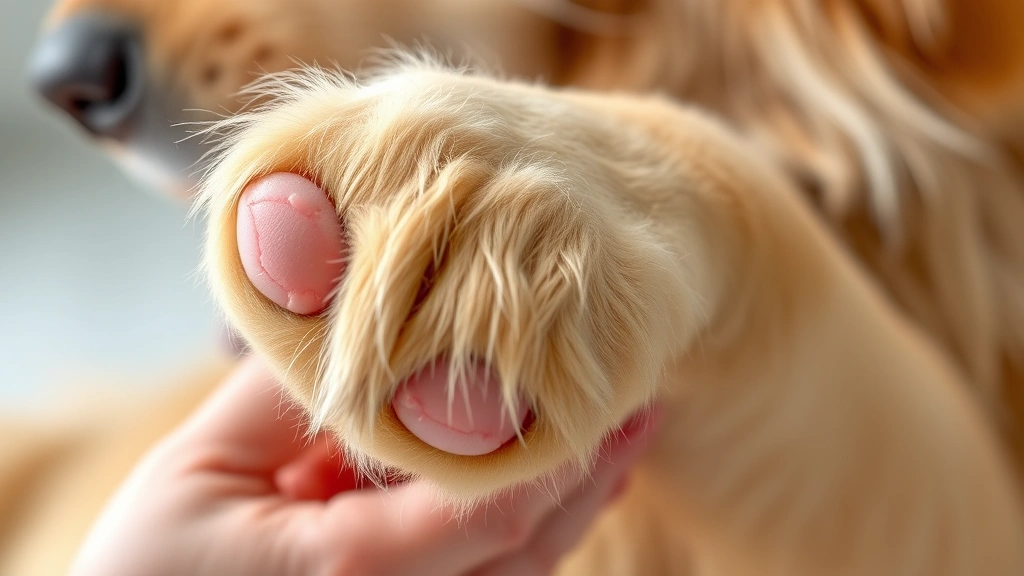
If you’ve caught yourself asking “why does my dog bite her feet?” while watching your pup gnaw away like she’s auditioning for a dental commercial, you’re not alone. Foot biting is one of those quirky dog behaviors that can range from totally normal to “Houston, we have a problem.” The truth? There’s usually a reason behind the madness, and we’re here to help you crack the code.
Table of Contents
- Understanding Canine Foot Biting Behavior
- Allergies: The Sneaky Culprit Behind Foot Biting
- Parasites and Skin Infections
- Anxiety and Stress-Related Biting
- Injury or Pain Management
- Nutritional Deficiencies and Skin Health
- Solution #1: Veterinary Diagnosis and Treatment
- Solution #2: Allergy Management and Diet Modification
- Solution #3: Parasite Prevention and Environmental Control
- Solution #4: Behavioral Management and Environmental Enrichment
- Solution #5: Topical Treatments and Protective Measures
- Frequently Asked Questions
- Conclusion: Getting to the Root of the Problem
Understanding Canine Foot Biting Behavior
Dogs bite their feet for a variety of reasons, and it’s not always because they’re trying to achieve world-record flexibility. Sometimes it’s just a casual grooming session gone rogue. Other times, it’s your pup’s way of saying “something’s seriously wrong down here.” The key is figuring out which category your dog falls into. Excessive foot biting—especially if it’s causing redness, hair loss, or open sores—is definitely worth investigating. Think of it as your dog’s way of texting you a distress signal.
Allergies: The Sneaky Culprit Behind Foot Biting
Allergies are the number one reason dogs develop an obsession with their feet. Just like humans, dogs can be allergic to all sorts of things: pollen, dust mites, certain proteins, or even that fancy new dog food you switched to last week. When allergies strike, the itching is absolutely maddening for your furry friend. Her feet become ground zero for relief-seeking behavior. Food allergies are particularly common, and the American Kennel Club notes that chicken, beef, and wheat are frequent offenders. If your dog has seasonal patterns to her foot biting, environmental allergies are likely the villain. You might also notice itching in other areas like the ears, face, or belly. Consider keeping a journal of when the biting intensifies—it might correlate with outdoor activities, diet changes, or seasonal shifts. Adding omega-rich foods like salmon to your dog’s diet can help reduce inflammation and support skin health.
Parasites and Skin Infections
Nothing says “party on my skin” like fleas, mites, or ringworm. Even if you’re diligent with flea prevention, parasites can still sneak through the cracks—literally. Mange mites, in particular, love to set up shop between the toes and cause intense itching. Bacterial or yeast infections are also common foot culprits, especially in breeds with floppy ears or webbed paws where moisture gets trapped. These infections create a perfect storm of itchiness and discomfort. PetMD recommends regular parasite checks as part of preventative care. If you notice any unusual odor, discharge, or swelling around the feet, it’s time to call your vet. Some pet parents explore natural options like diatomaceous earth, though always consult your veterinarian first.
Anxiety and Stress-Related Biting
Sometimes the answer isn’t medical—it’s psychological. Dogs experiencing anxiety, boredom, or stress can develop compulsive behaviors, and foot biting is a favorite go-to move. It’s basically their version of stress eating, except they’re stress-chewing their own appendages. Separation anxiety, thunderstorms, fireworks, or even changes in your household routine can trigger this behavior. The repetitive action of biting actually releases endorphins, which temporarily calms your dog down. It’s a vicious cycle because the more anxious she gets, the more she bites, and the more she bites, the more anxious she becomes. If you notice foot biting happens specifically during stressful situations, anxiety is probably your answer. Changes in behavior and activity levels can also signal underlying stress. Consider environmental enrichment, puzzle toys, and consistent routines to help ease her anxiety.
Injury or Pain Management
If your dog got into a tussle with a cactus, stepped on something sharp, or developed a thorn between her toes, she might be trying to address the problem herself. Dogs are natural healers in their own way—they lick and bite wounds to clean them and promote healing. However, excessive licking can actually make things worse by introducing bacteria or preventing proper healing. Arthritis or joint pain in the feet can also cause a dog to bite and lick the area, trying to soothe the discomfort. Older dogs or breeds prone to joint issues might develop this habit as pain management. Pain management solutions like anti-inflammatory medications might be recommended by your vet if joint issues are the culprit.
Nutritional Deficiencies and Skin Health
Your dog’s skin is a window into her overall health. If she’s not getting proper nutrition, her skin barrier weakens, leading to dryness, irritation, and yes, excessive foot biting. Deficiencies in omega-3 and omega-6 fatty acids are particularly problematic for skin health. Poor quality dog food, lack of essential vitamins, or imbalanced diets can all contribute to skin issues. A vet-recommended diet rich in quality proteins, healthy fats, and essential nutrients is crucial. Some supplements like milk thistle for dogs can support overall skin and liver health. Talk to your vet about whether your dog’s current diet is meeting her nutritional needs. Sometimes a simple diet upgrade can work wonders for foot biting behavior.

Solution #1: Veterinary Diagnosis and Treatment
Your first stop should always be the vet’s office. A professional examination can rule out parasites, infections, allergies, and pain-related issues. Your vet might perform skin scrapings, fungal cultures, or allergy testing to pinpoint the exact cause. Don’t skip this step—it’s the foundation for everything else. Once you know what you’re dealing with, treatment becomes straightforward. Whether it’s prescription flea prevention, antibiotics for infection, or allergy medication, your vet has the tools to help.
Solution #2: Allergy Management and Diet Modification
If allergies are the culprit, an elimination diet might be necessary. Your vet can recommend a limited ingredient diet or prescription food designed for sensitive dogs. Many pet parents see dramatic improvements within 2-4 weeks of switching to a hypoallergenic diet. Adding omega-3 supplements can also reduce inflammation and support skin barrier function. Environmental allergies might require seasonal management or medication during peak pollen seasons. Be patient—finding the right diet is sometimes a process of trial and error, but it’s worth the effort.
Solution #3: Parasite Prevention and Environmental Control
Keep up with regular flea and tick prevention year-round, even during winter months. Use vet-recommended products rather than over-the-counter options, which are often less effective. Additional parasite protection measures can provide extra defense. Wash your dog’s bedding weekly in hot water, vacuum frequently, and keep your yard maintained to reduce parasite populations. Regular grooming helps you spot skin issues early before they become major problems.
Solution #4: Behavioral Management and Environmental Enrichment
If anxiety or boredom is driving the behavior, increase mental and physical stimulation. More walks, puzzle toys, training sessions, and interactive play can redirect her energy away from foot biting. Create a calm space where she can retreat during stressful situations. Consider working with a certified dog trainer or behaviorist if anxiety is severe. Some dogs respond well to anxiety wraps, calming supplements, or even professional training.
Solution #5: Topical Treatments and Protective Measures
While you’re addressing the underlying cause, topical treatments can provide relief and prevent further damage. Bitter sprays discourage licking and biting, while medicated balms can soothe irritated skin. In severe cases, an Elizabethan collar (the dreaded cone) might be necessary to prevent self-trauma. Paw soaks with Epsom salt or diluted apple cider vinegar can help with minor irritation and keep the area clean. Always consult your vet before applying any topical treatment to ensure it’s appropriate for your dog’s specific situation.
Frequently Asked Questions
Is it normal for dogs to bite their feet?
Some casual licking and biting is normal grooming behavior, but excessive foot biting is a sign something needs attention. If you’re noticing hair loss, redness, sores, or constant gnawing, it’s time to investigate.

How long does it take to fix foot biting behavior?
It depends on the underlying cause. Parasite-related biting might improve within days of treatment. Allergies typically require 2-4 weeks of dietary changes to show improvement. Behavioral issues might take weeks to months of consistent management.
Can I treat foot biting at home without a vet visit?
While some home remedies can provide temporary relief, you really need a vet diagnosis first. Treating the symptom without knowing the cause is like putting a band-aid on a broken leg—it doesn’t solve the real problem.
What breeds are most prone to foot biting?
Breeds with skin sensitivities like Bulldogs, Golden Retrievers, and German Shepherds are more prone to foot biting. However, any breed can develop this behavior for various reasons.
Is foot biting ever just a habit?
Yes, sometimes dogs develop habitual foot biting even after the original cause is treated. Breaking the habit requires consistent redirection, environmental enrichment, and sometimes behavioral training.
Conclusion: Getting to the Root of the Problem
When you’re wondering “why does my dog bite her feet?” the answer almost always involves one of these five categories: allergies, parasites, skin infections, anxiety, or pain. The good news? Each of these has effective solutions. Start with a vet visit to rule out medical issues, then work through the appropriate treatment plan. Whether it’s a diet change, parasite prevention, anxiety management, or a combination of approaches, most foot-biting issues can be resolved with patience and persistence. Your dog isn’t trying to drive you crazy—she’s trying to tell you something needs attention. Listen to that message, take action, and you’ll have a happy, bite-free pup in no time.





