

If you’ve ever watched your dog gnaw on a stick like it’s the most delicious treat on Earth, you’re not alone. Why does my dog eat sticks? It’s one of the most common questions pet parents ask, and the answer is more complex than you’d think. Dogs eat sticks for various reasons—some behavioral, some nutritional, and some downright silly. Let’s dig into this quirky habit and figure out what’s really going on in your pup’s head.
Table of Contents
- The Natural Instinct Behind Stick Chewing
- Reason #1: Boredom and Lack of Mental Stimulation
- Reason #2: Nutritional Deficiencies and Pica
- Reason #3: Anxiety and Stress Relief
- Reason #4: Dental Health and Teething
- Reason #5: Texture Preference and Sensory Stimulation
- The Hidden Dangers of Stick Eating
- Proven Solutions to Stop Stick Eating
- When to Call the Vet
- Training Tips from the Pros
- Frequently Asked Questions
- Final Thoughts: Understanding Your Stick-Loving Pup
The Natural Instinct Behind Stick Chewing
First things first: stick chewing isn’t some bizarre disorder. Dogs have been chewing on sticks since their wolf ancestors roamed the forests. It’s hardwired into their DNA. Puppies especially love sticks because they’re exploring their world through their mouths. Adult dogs continue this behavior because, well, sticks are just there, and they’re free entertainment.
The texture of a stick appeals to dogs on a primal level. It mimics the experience of gnawing on bones or prey, which satisfies their natural instinct to chew. When your dog picks up a stick, their brain releases endorphins—the feel-good chemicals that make them happy. So really, your dog isn’t being naughty; they’re just being a dog.
Reason #1: Boredom and Lack of Mental Stimulation
One of the biggest culprits behind excessive stick eating is plain old boredom. Dogs need mental and physical exercise, and if they’re not getting enough, they’ll find their own entertainment. A bored dog will chew on anything within reach, including sticks, furniture, and your favorite shoes.
If your dog is a chronic stick eater, ask yourself: Am I providing enough exercise? Are they getting puzzle toys, interactive games, or training sessions? Low energy dog breeds still need mental stimulation, even if they don’t need hours of running around. Try rotating toys, introducing food-dispensing toys, or spending 15-20 minutes daily on training. You’ll likely see a dramatic decrease in stick consumption.
Reason #2: Nutritional Deficiencies and Pica
Sometimes, dogs eat non-food items like sticks because they’re missing essential nutrients. This condition is called pica, and it can indicate that your dog’s diet isn’t balanced. Dogs lacking fiber, minerals, or vitamins may seek out unusual items to chew.
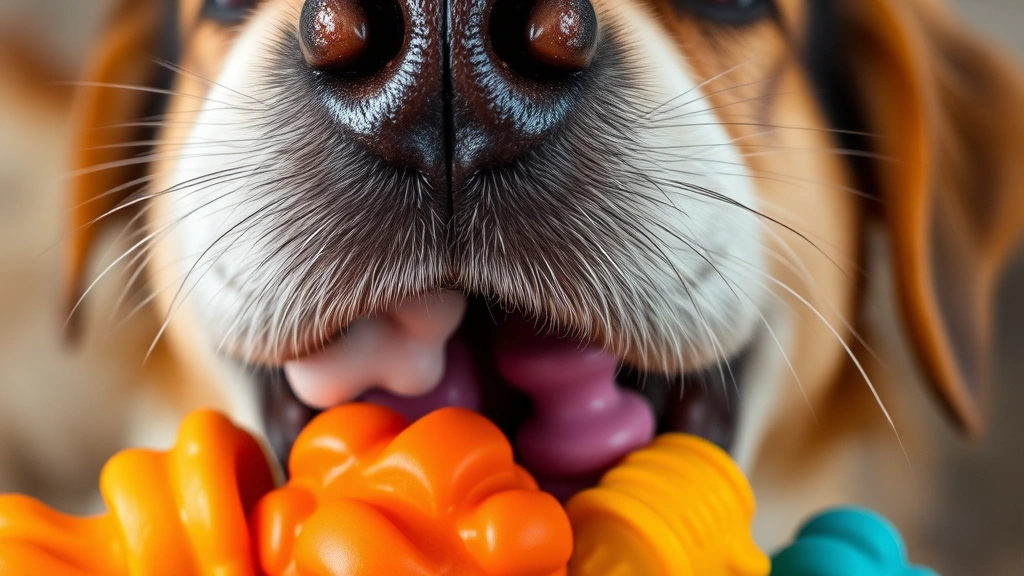
If your dog is obsessively eating sticks, it might be worth discussing their diet with your veterinarian. They can recommend high-quality food or supplements that address any nutritional gaps. A well-balanced diet rich in omega-3 fatty acids, calcium, and B vitamins can reduce pica-related behaviors. In some cases, adding raw carrots or safe chew toys to their routine can satisfy the urge to chew while providing nutritional benefits.
Reason #3: Anxiety and Stress Relief
Just like humans bite their nails when stressed, dogs chew when anxious. If your pup is experiencing separation anxiety, loud noises, or changes in their environment, stick chewing might be their coping mechanism. The repetitive action of chewing is calming and helps them self-soothe.
Signs of anxiety-related chewing include excessive drooling, destructive behavior, or chewing specifically when you leave the house. If you suspect anxiety, consider creating a safe space for your dog, using calming supplements like CBD (consult your vet first), or working with a professional dog trainer. Puzzle toys and long-lasting chews can redirect this anxious energy into something safer.
Reason #4: Dental Health and Teething
Puppies go through a teething phase between 3-6 months old, and their gums are sore and itchy. Chewing on sticks provides relief, similar to how babies chew on teething rings. Even adult dogs may chew more frequently if they have dental issues like plaque buildup or gum disease.
If your dog is a puppy, provide appropriate teething toys like rubber chew toys, frozen washcloths, or specially designed teething rings. For adult dogs, regular dental checkups can identify and address underlying dental problems. A healthy mouth means less compulsive chewing behavior.

Reason #5: Texture Preference and Sensory Stimulation
Some dogs are just texture enthusiasts. They love the splintery, crumbly feel of a stick in their mouth. It’s sensory enrichment. Different sticks provide different textures—soft bark, hard wood, rough edges—and your dog might be sampling the variety like a connoisseur of chew toys.
This isn’t necessarily a problem unless your dog is swallowing large pieces. If texture is the main draw, offer alternative chew toys with varied textures: rubber, rope, nylon, and natural wood chews designed for dogs. This satisfies their sensory needs without the risk of splinters or intestinal blockages.
The Hidden Dangers of Stick Eating
Here’s where stick chewing stops being cute and becomes concerning. Sticks can cause serious health problems. Splinters can lodge in your dog’s mouth, throat, or digestive tract. Intestinal blockages from swallowed stick pieces require emergency surgery and can be life-threatening. Some sticks come from toxic plants—is wisteria poisonous to dogs? Yes, and so are many other plants.
Additionally, wood splinters can cause perforations in the intestines, leading to peritonitis, a serious infection. Signs of a blockage include vomiting, loss of appetite, abdominal pain, and lethargy. If you suspect your dog has swallowed a large stick or is showing these symptoms, contact your veterinarian immediately.
Proven Solutions to Stop Stick Eating
So how do you actually stop this behavior? Here are evidence-based strategies:
1. Redirect and Replace: When your dog reaches for a stick, redirect them to an appropriate toy. Keep high-value chew toys readily available during outdoor time.
2. Supervise Outdoor Time: Don’t let your dog roam unsupervised in areas with lots of sticks. Keep them on a leash or in a fenced yard where you can monitor their behavior.
3. Provide Appropriate Chew Toys: Invest in durable, dog-safe chew toys. Kong toys, Nylabone, and natural rubber toys are excellent alternatives.
4. Exercise and Enrichment: Tire your dog out physically and mentally. A tired dog is less likely to chew destructively. Try fetch, agility training, or puzzle games.
5. Training and Commands: Teach a strong “drop it” or “leave it” command. Practice with treats and toys so your dog knows to release items on command.

6. Environmental Management: Remove temptation by clearing your yard of fallen sticks. Use is diatomaceous earth safe for dogs—yes, food-grade DE is safe and can be used in your yard for pest control while you’re cleaning up sticks.
7. Check for Health Issues: Rule out Lyme disease symptoms in dogs and other conditions that might cause compulsive chewing. Visit your vet to ensure there are no underlying medical issues.
When to Call the Vet
Not every stick-chewing incident requires a vet visit, but certain situations demand immediate attention. Contact your veterinarian if your dog shows signs of distress after eating sticks, including vomiting, diarrhea, constipation, abdominal pain, or loss of appetite. If you actually saw your dog swallow a large stick, don’t wait—get to the vet. They might recommend X-rays or ultrasounds to check for blockages.
According to the American Kennel Club, foreign body ingestion is one of the most common reasons dogs require emergency surgery. Early intervention can save your dog’s life and your wallet from a massive vet bill.
Training Tips from the Pros
Professional dog trainers recommend using positive reinforcement to discourage stick eating. Never punish your dog for chewing sticks—this creates anxiety and can worsen the behavior. Instead, reward them heavily when they choose appropriate toys over sticks. Use high-value treats like chicken or cheese as motivation.

Consistency is key. Everyone in your household should use the same commands and redirect techniques. Mixed messages confuse your dog and slow progress. According to PetMD, it typically takes 2-4 weeks of consistent training to see significant behavioral changes.
Frequently Asked Questions
Is it dangerous if my dog eats a small stick?
Small stick pieces aren’t always dangerous, but they can cause problems. Splinters might scratch the mouth or throat, and pieces can accumulate in the intestines. Monitor your dog for signs of distress over the next 24-48 hours. If they seem fine and are eating normally, they’ll likely pass the stick naturally. However, large sticks or repeated stick eating warrants a vet visit.
Can I use bitter spray to stop stick chewing?
Bitter sprays can work for some dogs but not all. Dogs have different taste preferences, and some actually don’t mind bitter flavors. Additionally, you’d need to spray every stick your dog encounters, which isn’t practical. It’s better to focus on redirection and providing better alternatives.
What are the safest chew toys for dogs?
Look for toys made from natural rubber, rope, or nylon designed specifically for dogs. Avoid toys with small parts that can be swallowed, and always supervise chewing sessions. Kong Extreme, Bully sticks, and rope toys are popular, safe options. Check the toy regularly for signs of wear and replace it if it becomes damaged.
How can I tell if my dog has a stick lodged in their throat?
Signs include difficulty swallowing, drooling excessively, gagging, or refusal to eat. Your dog might paw at their mouth or seem distressed. If you suspect a stick is lodged in the throat, don’t try to remove it yourself—go to the vet immediately. They have the proper tools and expertise to safely extract it.
Is there a specific breed that eats more sticks?
While stick eating isn’t breed-specific, some dogs are more prone to chewing due to personality and energy levels. High-energy, intelligent breeds like Border Collies and Labrador Retrievers often chew more when bored. However, any dog can develop a stick-eating habit if their needs aren’t met.
Final Thoughts: Understanding Your Stick-Loving Pup
Why does my dog eat sticks? The answer depends on your individual dog, but now you know the main culprits: boredom, nutritional gaps, anxiety, teething, and sensory preferences. Most importantly, you understand that stick eating is a normal dog behavior—but one that needs management for your pup’s safety.
The good news is that with the right combination of exercise, mental stimulation, appropriate chew toys, and training, you can significantly reduce or eliminate stick eating. Be patient, stay consistent, and remember that your dog isn’t being bad—they’re just being a dog. By addressing the underlying cause and providing better alternatives, you’ll have a happier, healthier pup who’s too busy enjoying their toys to care about sticks.





