
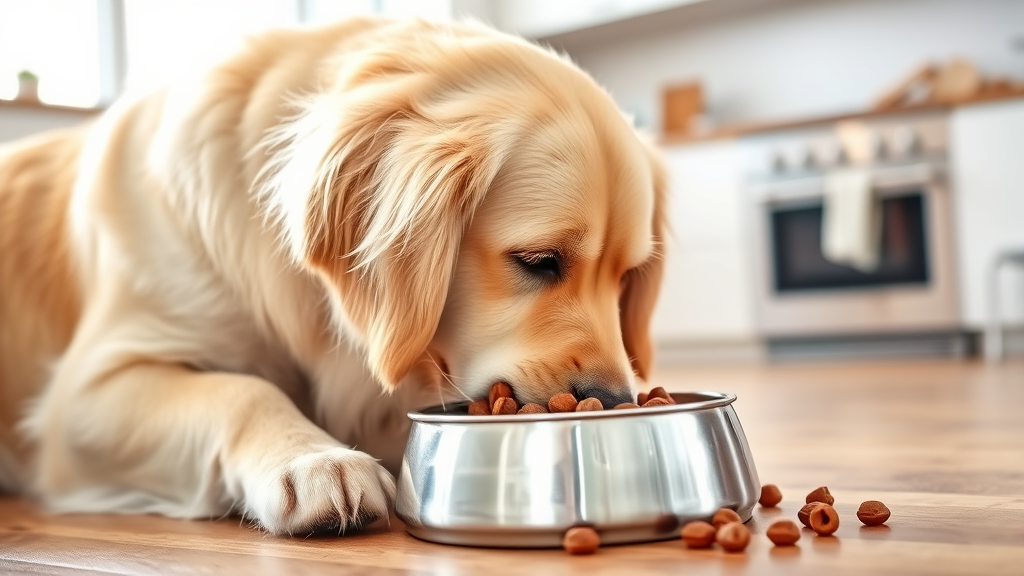
When browsing the pet food aisle, you’ve likely encountered “chicken meal” listed as an ingredient in countless dog food brands. This mysterious-sounding component often raises questions among pet owners who want to understand exactly what they’re feeding their beloved companions. Understanding what chicken meal is in dog food is crucial for making informed decisions about your dog’s nutrition and overall health.
Chicken meal is actually one of the most nutritious protein sources available in commercial dog foods, yet it remains widely misunderstood. Many pet owners assume that “meal” indicates a lower-quality ingredient, but this couldn’t be further from the truth. In fact, chicken meal provides concentrated protein and essential nutrients that support your dog’s muscle development, energy levels, and overall well-being.
What Is Chicken Meal?
Chicken meal is a highly concentrated protein ingredient created by rendering chicken meat and skin. According to the Association of American Feed Control Officials (AAFCO), chicken meal is defined as the dry rendered product from a combination of chicken flesh and skin, with or without accompanying bone. This process removes most of the water content, resulting in a protein-rich powder that contains approximately 65% protein compared to fresh chicken’s 18% protein content.
The rendering process involves cooking chicken parts at high temperatures to eliminate harmful bacteria and pathogens while concentrating the nutritional value. This method has been used for decades in the pet food industry and is considered a safe, effective way to preserve and concentrate animal proteins for dog food manufacturing.
Unlike whole chicken, chicken meal undergoes extensive processing to ensure food safety and shelf stability. The FDA’s Center for Veterinary Medicine regulates the production and safety standards for chicken meal used in pet foods, ensuring it meets strict quality requirements.

The Production Process of Chicken Meal
The creation of chicken meal involves several carefully controlled steps designed to maximize nutritional value while ensuring safety. The process begins with fresh chicken parts, including meat, skin, and sometimes bones, which are collected from poultry processing facilities that also supply human food markets.
During the rendering process, chicken parts are cooked at temperatures exceeding 280°F (138°C) for several hours. This high-heat treatment serves multiple purposes: it eliminates harmful bacteria like Salmonella and E. coli, removes moisture content, and breaks down proteins into more digestible forms. The cooking process also helps concentrate nutrients, making chicken meal a more potent protein source than fresh chicken.
After cooking, the rendered material is pressed to remove excess fat and moisture, then ground into a fine meal. The final product is a dry, shelf-stable powder that retains most of the original protein, vitamins, and minerals from the source material. Quality control measures throughout this process ensure the final chicken meal meets industry standards for pet food ingredients.
When considering your dog’s dietary needs, it’s important to understand how much food should I feed my dog to ensure proper nutrition regardless of the protein source used.
Nutritional Benefits of Chicken Meal
Chicken meal offers exceptional nutritional value for dogs, providing a complete amino acid profile essential for canine health. The concentrated nature of chicken meal means it delivers significantly more protein per pound compared to fresh chicken, making it an efficient ingredient for meeting your dog’s protein requirements.
The protein in chicken meal is highly digestible, with studies showing digestibility rates of 85-95%. This high digestibility ensures that dogs can effectively absorb and utilize the amino acids necessary for muscle maintenance, immune function, and overall health. The National Center for Biotechnology Information has published research demonstrating the superior bioavailability of properly rendered meat meals.
Beyond protein, chicken meal provides essential vitamins and minerals including B vitamins, phosphorus, and selenium. These nutrients support various bodily functions, from energy metabolism to antioxidant protection. The rendering process actually helps preserve many of these nutrients while concentrating their levels in the final product.
For pet owners wondering about safe chicken preparation at home, learning how to boil chicken for dogs can complement commercial foods containing chicken meal.
Chicken Meal vs. Fresh Chicken
The debate between chicken meal and fresh chicken in dog food often confuses pet owners, but understanding the differences helps make informed choices. Fresh chicken, while appealing to human sensibilities, contains approximately 70% water. When this water is removed during the cooking process, the actual protein content becomes much lower than initially apparent on the ingredient list.
Chicken meal, conversely, has already had most moisture removed, providing a more accurate representation of protein content. A dog food listing chicken meal as the first ingredient likely contains more actual protein than one listing fresh chicken first, since ingredients are listed by weight before processing.
From a nutritional standpoint, both ingredients can provide excellent protein quality when sourced properly. The choice between them often comes down to manufacturing preferences and cost considerations rather than nutritional superiority. The American Veterinary Medical Association recognizes both as appropriate protein sources for canine diets.

Quality Standards and Regulations
The quality of chicken meal varies significantly depending on the source and processing methods used. Premium chicken meal comes from human-grade chicken parts and follows strict quality control protocols throughout production. Lower-grade chicken meal might include parts deemed unfit for human consumption, though still safe for pet food use when properly processed.
AAFCO establishes definitions and standards for chicken meal used in pet foods, requiring that it meet specific criteria for protein content, ash levels, and bacterial contamination. Reputable pet food manufacturers work with suppliers who exceed these minimum standards, ensuring consistent quality and safety.
When evaluating dog food brands, consider researching whether they use human-grade chicken meal and follow additional quality certifications. Some manufacturers provide detailed information about their ingredient sourcing and processing methods, allowing pet owners to make more informed decisions about their dog’s nutrition.
Many pet owners research specific brands, such as whether Pedigree is good for dogs or if Purina One is a good dog food when considering chicken meal-containing products.
How to Choose Dog Food with Chicken Meal
Selecting high-quality dog food containing chicken meal requires careful label reading and brand research. Look for specific ingredient naming rather than generic terms – “chicken meal” is preferable to “poultry meal” or “meat meal” as it indicates a more specific protein source.
Consider the ingredient order on the label, keeping in mind that chicken meal represents concentrated protein while fresh chicken includes water weight. A food with chicken meal listed second or third might actually contain more protein than one with fresh chicken listed first.
Research the manufacturer’s reputation, quality control measures, and any recalls or safety issues. The Consumer Reports regularly evaluates pet food brands and can provide valuable insights into quality and safety standards.
Some pet owners also evaluate whether Purina Pro Plan is a good dog food when comparing options with chicken meal as a primary ingredient.
Common Misconceptions About Chicken Meal
One of the most persistent myths about chicken meal is that it represents low-quality “scraps” or byproducts unfit for consumption. In reality, chicken meal often comes from the same chicken parts used in human food production, simply processed differently to create a shelf-stable, concentrated protein source.
Another common misconception is that fresh ingredients are always superior to processed ones. While fresh chicken might sound more appealing, the rendering process used to create chicken meal actually improves digestibility and nutrient concentration while ensuring food safety through pathogen elimination.
Some pet owners believe chicken meal contains harmful additives or preservatives. Quality chicken meal should contain only rendered chicken with minimal additional ingredients. The WebMD Pet Health Center provides educational resources to help pet owners understand ingredient processing and safety.
When considering bone safety, many wonder about related topics like whether dogs can eat chicken bones or can dogs have chicken bones, which differs from the safely processed bone content in chicken meal.
It’s worth noting that questions about can dogs eat bones chicken relate to whole bones rather than the ground bone content sometimes found in chicken meal, which poses no safety risks when properly processed.
Frequently Asked Questions
Is chicken meal better than fresh chicken in dog food?
Chicken meal and fresh chicken both provide excellent protein quality, but chicken meal offers more concentrated protein content since water has been removed. A dog food with chicken meal as the primary ingredient typically contains more actual protein than one listing fresh chicken first, making it nutritionally superior in terms of protein density.
Can dogs with allergies eat chicken meal?
Dogs with chicken allergies should avoid chicken meal just as they would fresh chicken, as both contain the same allergenic proteins. However, dogs with sensitivities to additives or preservatives might actually tolerate pure chicken meal better than fresh chicken preparations that contain additional ingredients.
How can I tell if chicken meal in dog food is high quality?
High-quality chicken meal comes from reputable manufacturers who provide transparency about their sourcing and processing methods. Look for specific ingredient naming (“chicken meal” rather than “poultry meal”), check for third-party quality certifications, and research the brand’s reputation for safety and quality control measures.
Does chicken meal contain bones?
Chicken meal may contain ground bones, which is actually beneficial as it provides natural calcium and phosphorus. These bones are completely different from whole bones and pose no safety risk, as they’re ground into a fine powder during the rendering process and contribute to the meal’s mineral content.
Is chicken meal processed with chemicals?
Quality chicken meal is produced through heat rendering without the need for chemical processing. The high-temperature cooking process naturally preserves the meal and eliminates pathogens. Some lower-quality meals might use chemical preservatives, which is why choosing reputable brands is important.
Can puppies eat dog food with chicken meal?
Chicken meal is an excellent protein source for puppies, providing the concentrated nutrition needed for growth and development. The high protein content and digestibility make it particularly suitable for growing dogs who have higher nutritional requirements than adult dogs.
How long does chicken meal stay fresh in dog food?
Chicken meal’s low moisture content makes it very shelf-stable, typically maintaining quality for 12-18 months when stored properly. Once incorporated into dog food, the product’s overall shelf life depends on other ingredients and packaging, but chicken meal itself contributes to the food’s stability and longevity.





