
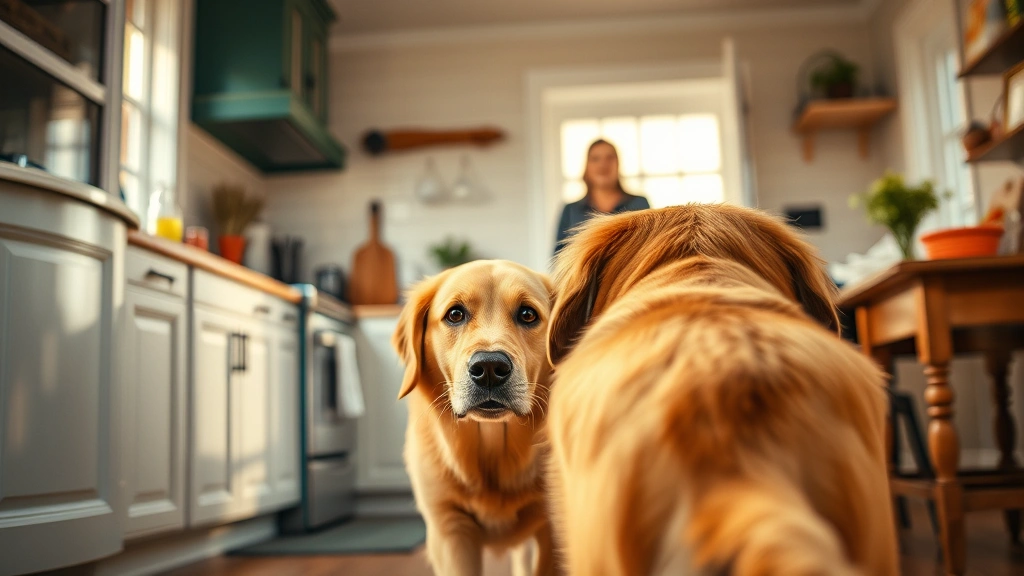
If you’ve ever wondered why does my dog follow me everywhere, you’re not alone. That adorable shadow padding behind you from the kitchen to the bathroom to the bedroom isn’t just coincidence—it’s actually rooted in some pretty fascinating dog psychology and biology. Let’s dig into what’s really going on in your pup’s head when they treat you like their personal paparazzi.
Table of Contents
- The Pack Mentality: Your Dog Sees You as Family
- Separation Anxiety and Canine Attachment
- Your Dog is a Professional Food Scout
- Seeking Attention and Affection
- Boredom and Lack of Mental Stimulation
- Medical Issues and Health Concerns
- Breed-Specific Tendencies and Following Behavior
- The Comfort of Routine and Predictability
- How to Manage Your Dog’s Following Behavior
- Building Independence While Maintaining Bonding
- When Following Behavior Becomes a Concern
- Frequently Asked Questions
- The Bottom Line on Your Canine Shadow
The Pack Mentality: Your Dog Sees You as Family
Dogs are pack animals, and they’ve been hanging with humans for thousands of years. In a wolf pack, members stick together for survival, protection, and social bonding. Your dog has essentially adopted you as their pack leader and family unit. When your dog follows you everywhere, they’re exhibiting completely natural pack behavior. They want to know where the most important member of their pack is at all times. This instinct runs deep—it’s literally in their DNA. Your pup isn’t being clingy; they’re being a loyal pack member. Pretty sweet when you think about it that way.
Separation Anxiety and Canine Attachment
Some dogs take the following thing to another level. If your dog gets visibly anxious when you leave the room, paces around, or whines excessively, they might be experiencing dog separation anxiety. This is different from normal pack behavior. Dogs with separation anxiety genuinely panic when separated from their owners. They may develop destructive behaviors, excessive barking, or even self-harm. If you suspect your pup has serious separation anxiety, chat with your vet or a certified dog behaviorist. They can recommend training techniques or, in some cases, medication to help your anxious friend feel more secure. The good news? With patience and proper training, you can help your dog become more independent.
Your Dog is a Professional Food Scout
Let’s be honest: a huge reason dogs follow their humans everywhere is the possibility of food. You are, in their minds, a walking vending machine. Your dog has learned through experience that good things happen when you’re in the kitchen. Dropped snacks, meal prep scraps, the opening of the treat cabinet—it’s like a treasure hunt to them. This behavior is especially pronounced in breeds known as lazy dog breeds that are food-motivated. If your dog becomes extra clingy during dinner prep time, congratulations—you’ve got yourself a food-motivated follower. The key is not rewarding this behavior with table scraps, or you’ll be creating a permanent kitchen shadow.
Seeking Attention and Affection
Dogs are social creatures who crave interaction with their humans. When your dog follows you around, they’re essentially saying, “Hey, I like you, and I want to spend time with you.” They’ve figured out that being near you increases the chances of getting pets, playtime, or just your attention. Some dogs are naturally more affectionate than others—it’s partly personality and partly breed tendencies. High-energy breeds often seek constant engagement, while some dogs are content to just be in the same room as you. If your dog is a chronic follower, they might just be telling you they love you and want more quality time together.
Boredom and Lack of Mental Stimulation
A bored dog is a following dog. When your pup doesn’t have enough mental or physical exercise, they’ll attach themselves to you like velcro. This is especially true for intelligent breeds that need stimulation. If your dog is constantly shadowing you, it might be a sign they need more playtime, walks, training sessions, or puzzle toys. Try increasing their daily exercise and enrichment activities. A tired dog is a happy dog, and they’re less likely to become your permanent shadow. Interactive toys, scent games, and training sessions can work wonders for a bored pup.
Medical Issues and Health Concerns
Sometimes excessive following can indicate an underlying health problem. Dogs experiencing pain, illness, or cognitive decline may stick close to their owners for comfort and security. Older dogs sometimes develop cognitive dysfunction that makes them anxious when separated from their humans. If your dog’s following behavior is new or has suddenly increased, it’s worth a vet visit to rule out medical issues. Conditions like thyroid problems, pain from arthritis, or even gastrointestinal issues can trigger increased clinginess. Your vet can help determine if something’s going on beyond simple devotion.
Breed-Specific Tendencies and Following Behavior
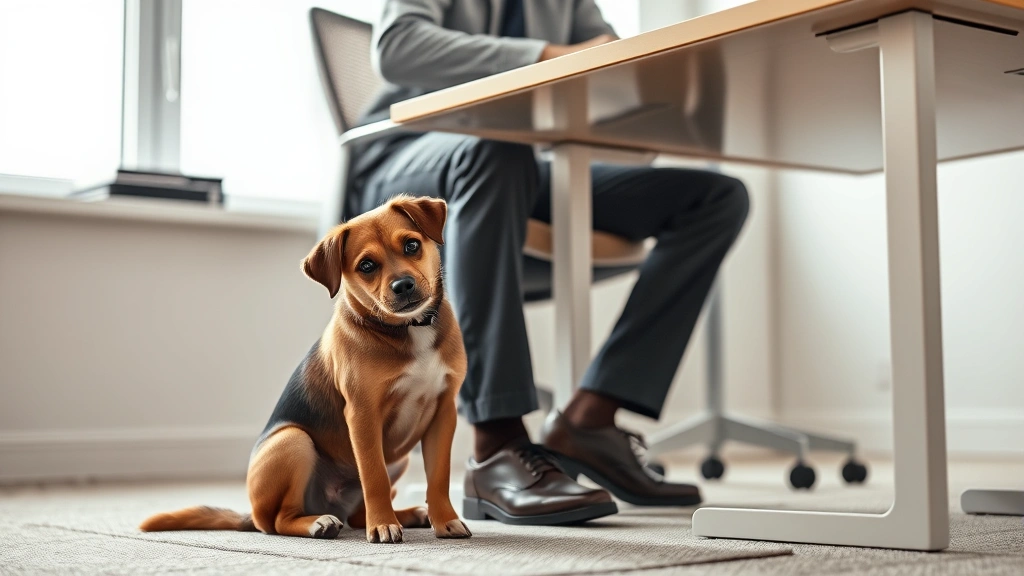
Some dog breeds are literally bred to follow humans. Herding breeds like Border Collies and Australian Shepherds have an instinct to stick with their people. Sporting breeds were developed to work alongside hunters. Toy breeds were designed as companion animals. These breeds often exhibit more following behavior than independent breeds. If you own one of these dog breeds that follow owners, you’re basically asking for a shadow. It’s not a flaw; it’s a feature. Understanding your breed’s natural tendencies helps you appreciate why your dog is glued to your side.
The Comfort of Routine and Predictability
Dogs thrive on routine and predictability. They follow you because they’ve learned your patterns and feel secure in your presence. When you move from room to room, your dog follows because that’s what they’ve always done, and it feels right to them. This is especially true for dogs who’ve bonded strongly with one particular person in the household. Breaking this routine—like when you go on vacation or change your work schedule—can actually cause stress for your pup. Your dog isn’t trying to be annoying; they’re just maintaining the comfortable structure they’ve come to rely on.
How to Manage Your Dog’s Following Behavior
If your dog’s following is excessive or causing problems (like tripping hazards or anxiety), there are strategies to help. First, establish a designated space where your dog can relax near you but not directly underfoot. Use positive reinforcement to reward independent behavior. Practice short separations and gradually increase the duration. Make sure your dog gets adequate exercise and mental stimulation. If you suspect anxiety or medical issues, consult your vet or a professional dog trainer. The goal isn’t to eliminate bonding—it’s to create a healthy balance where your dog feels secure but can also function independently. Check out our guide on caring for dogs with special needs if your pup has unique requirements.
Building Independence While Maintaining Bonding
You can have a well-adjusted dog who loves you without having a permanent shadow. Start by creating positive associations with being alone. Use puzzle toys, long-lasting chews, or treat-dispensing toys to make solo time rewarding. Practice leaving your dog in different rooms with the door open so they can choose to be near you rather than feel forced. Reward calm behavior when you’re together. Establish a bedtime routine that helps your dog settle in their own space. The key is making independence feel like their choice, not a punishment. Your dog will still love you—they’ll just be able to handle a little distance.
When Following Behavior Becomes a Concern
Most following behavior is perfectly normal and even endearing. However, if it’s accompanied by destructive behavior, excessive anxiety, aggression, or bathroom accidents when you’re apart, it’s time to seek professional help. A certified animal behaviorist can assess your dog and create a customized plan. Your vet can rule out medical causes and discuss whether anti-anxiety medication might help. Don’t feel bad if your dog needs extra support—some dogs are just wired to be more anxious or attached. With proper intervention, most dogs can learn to feel secure even when their humans aren’t in sight.
Frequently Asked Questions
Is it normal for dogs to follow their owners everywhere?
Yes, it’s completely normal! Most dogs follow their owners to some degree due to pack instinct, attachment, and the desire for attention. As long as your dog can function independently and doesn’t show signs of anxiety, it’s just a sign of a strong bond.
Why does my dog follow me to the bathroom?
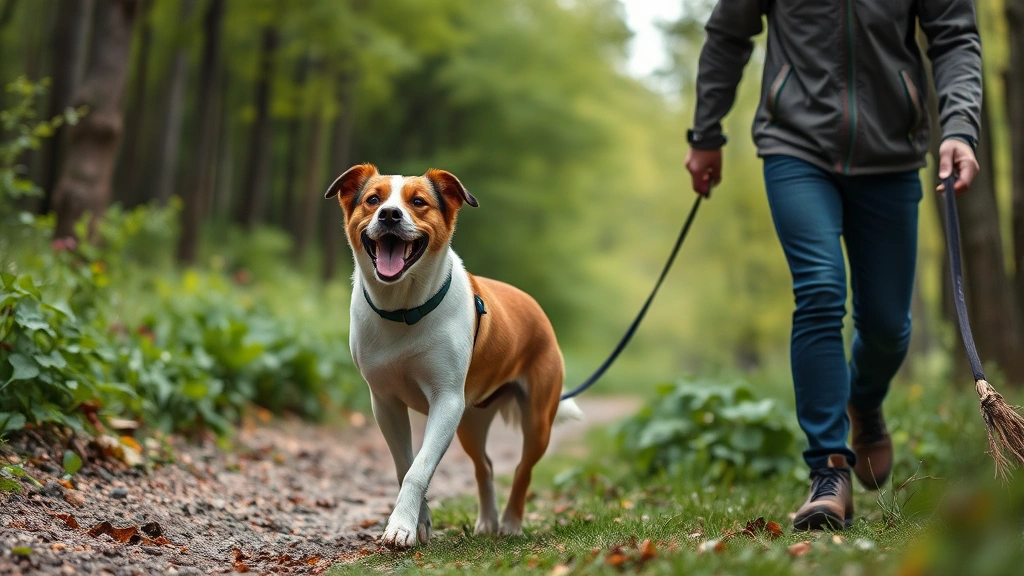
Your dog follows you to the bathroom because you’re their pack member and they want to stay close. They may also have learned that you often emerge with interesting smells or that bathroom time is part of the routine. It’s not creepy—it’s canine devotion.
Should I be concerned if my dog follows me everywhere?
Not necessarily, unless it’s accompanied by anxiety symptoms like panting, pacing, whining, or destructive behavior. If your dog can relax in other areas and doesn’t panic when you’re out of sight, their following behavior is just normal attachment.
How can I stop my dog from following me everywhere?
Encourage independence through positive reinforcement, provide mental and physical stimulation, create designated rest areas, and practice gradual separations. If anxiety is involved, consult a professional trainer or veterinary behaviorist.
What breeds are most likely to follow their owners?
Herding breeds, sporting breeds, and toy breeds tend to follow more than independent breeds. Breeds like Velcro dogs—Golden Retrievers, Labs, and Border Collies—are notorious for shadowing their humans.
Is separation anxiety the same as following behavior?
Not quite. Following behavior is normal attachment; separation anxiety is a disorder where dogs panic when separated from their owners. Separation anxiety involves destructive behavior, excessive vocalization, and genuine distress, while normal following is just companionship.
The Bottom Line on Your Canine Shadow
So, why does my dog follow me everywhere? The answer is usually a combination of pack instinct, love, routine, and maybe a little hope that something delicious might happen if they stay close. Your dog’s following behavior is a testament to the bond you’ve built together. In most cases, it’s not something to worry about or fix—it’s something to appreciate. Your dog thinks you’re the best thing since sliced bread, and they want to be wherever you are. That’s pretty special. Just make sure your pup also has the tools and confidence to be independent, and you’ll have the perfect balance of a devoted companion who’s also emotionally secure. Now if you’ll excuse me, I have a shadow to attend to.





