

If you’ve been wondering why does my dog keep hacking, you’re not alone—and honestly, it’s one of those sounds that’ll make any pet parent’s heart skip a beat. That dry, persistent cough that sounds like your pup is trying to hack up a hairball can range from totally harmless to something that needs veterinary attention. The good news? We’re going to break down exactly what’s causing that annoying hack and what you can actually do about it.
Table of Contents
- What Exactly Is Dog Hacking vs. Regular Coughing?
- Cause #1: Kennel Cough (Canine Tracheobronchitis)
- Cause #2: Allergies and Environmental Irritants
- Cause #3: Heart Disease and Congestive Heart Failure
- Cause #4: Tracheal Collapse
- Cause #5: Foreign Objects or Throat Irritation
- When to Worry: Red Flags That Demand Immediate Vet Attention
- Home Remedies and Management Strategies
- Prevention: Stop the Hack Before It Starts
- The Bottom Line: Get Professional Help
- Frequently Asked Questions
- Summary: Understanding Your Dog’s Hack
What Exactly Is Dog Hacking vs. Regular Coughing?
Before we dive into the causes, let’s clarify what we mean by hacking. A hack is typically a dry, repetitive cough that sounds like your dog is trying to clear their throat or expel something stuck in there. It’s different from a wet cough (which sounds productive) or a soft cough. When your dog keeps hacking, it usually means something is irritating their airway or throat. Think of it like when you get that tickle in your throat that just won’t quit—except dogs can’t tell us what’s bothering them, so we have to play detective.
Cause #1: Kennel Cough (Canine Tracheobronchitis)
Let’s start with the most common culprit: kennel cough. This highly contagious respiratory infection is basically the dog version of a cold, and it’s notorious for causing that distinctive dry, hacking cough. If your dog has been around other dogs recently—at a park, groomer, daycare, or boarding facility—kennel cough could be your answer.
The cough usually sounds like a goose honk or seal bark, and it’s often triggered by excitement or exercise. Most dogs recover on their own within 1-3 weeks, but a vet visit is still smart to rule out complications. Your veterinarian might recommend rest, honey, or in some cases, antibiotics if a secondary bacterial infection develops. The American Kennel Club provides excellent guidance on kennel cough prevention.
Cause #2: Allergies and Environmental Irritants
Dogs get allergies just like we do, and they can absolutely cause chronic hacking. Whether it’s pollen, dust, smoke, or air pollution, environmental irritants can trigger a persistent dry cough. Seasonal allergies are particularly common—if your dog hacks more during spring or fall, allergies might be the culprit.
Indoor irritants like cigarette smoke, cleaning products, or even strong air fresheners can also cause hacking. The good news? Identifying and removing the irritant often solves the problem. If it’s seasonal, your vet might recommend antihistamines or other allergy management strategies. Some dogs benefit from air purifiers or keeping them indoors during high pollen days.
Cause #3: Heart Disease and Congestive Heart Failure
This is the one that scares pet parents, and rightfully so. A persistent dry cough can sometimes indicate heart problems, especially in older dogs or certain breeds predisposed to heart disease. When the heart isn’t pumping efficiently, fluid can back up into the lungs, triggering a cough.
The key difference? Heart-related coughs often worsen with exercise or when your dog is lying down. If your dog is also showing signs of lethargy (check out our guide on lethargic dog symptoms), difficulty breathing, or exercise intolerance, get to a vet immediately. PetMD’s comprehensive resource on dog heart disease is worth reading if you suspect cardiac issues.
Cause #4: Tracheal Collapse
Small breed dogs—think Chihuahuas, Pomeranians, and Yorkshire Terriers—are prone to tracheal collapse, where the windpipe weakens and narrows. This causes a distinctive honking cough that sounds almost like a goose. It’s usually worse when your dog is excited, pulling on a leash, or when temperatures drop.
Weight management is crucial here. If your small dog is overweight, losing pounds can significantly reduce hacking episodes. Your vet might recommend using a harness instead of a collar (which puts pressure on the trachea), keeping your dog calm, and avoiding smoke and irritants. In severe cases, surgery is an option.
Cause #5: Foreign Objects or Throat Irritation
Sometimes the simplest answer is the right one: your dog might have something stuck in their throat. A grass blade, food particle, or even a small toy piece can cause persistent hacking as your pup tries to dislodge it. If your dog is also drooling excessively, gagging, or showing signs of choking, this is an emergency.
Less dramatic throat irritation can come from drinking too quickly, eating something too hot, or even rough play. Most minor irritations resolve on their own within a day or two. But if the hacking persists beyond that, or if you suspect a foreign object, a vet visit is necessary. They can use imaging or even an endoscope to check what’s going on in there.
When to Worry: Red Flags That Demand Immediate Vet Attention
Not all hacking is created equal. Some situations require immediate veterinary care. If your dog is hacking AND showing any of these signs, don’t wait:
- Difficulty breathing or rapid breathing
- Lethargy or unusual tiredness (related to our article on lethargic dogs)
- Loss of appetite or refusal to eat
- Coughing up blood or bloody mucus
- Collapse or fainting
- Wheezing or gagging
- Hacking that lasts more than a week without improvement
These could indicate pneumonia, severe heart disease, or other serious conditions that need professional intervention.
Home Remedies and Management Strategies
If your vet has ruled out serious conditions, there are several things you can try at home to ease your dog’s hacking. Honey is surprisingly effective—a teaspoon of raw honey can soothe throat irritation (though never give honey to puppies under one year old due to botulism risk). Keeping your dog hydrated helps thin mucus, making it easier to clear.
Humidifiers can help, especially for dogs with dry coughs. Some pet parents swear by running a steamy bathroom with their dog for 10 minutes. You can also try reducing exercise during hacking episodes, keeping your dog away from irritants, and maintaining a calm environment. Avoid using collars if your dog has tracheal collapse—harnesses are your friend.
Prevention: Stop the Hack Before It Starts
An ounce of prevention is worth a pound of cure. Keep your dog’s vaccinations current, especially the bordetella vaccine for kennel cough if your pup is around other dogs regularly. Maintain a healthy weight, as obesity exacerbates many cough-related conditions. Keep your home clean and smoke-free, and avoid exposing your dog to extreme temperature changes.
Regular vet checkups are crucial, especially for older dogs or breeds prone to heart and respiratory issues. Your vet can catch early signs of problems before they become serious. And if you notice your dog hacking, don’t ignore it—early intervention often means simpler, less expensive treatment.
The Bottom Line: Get Professional Help
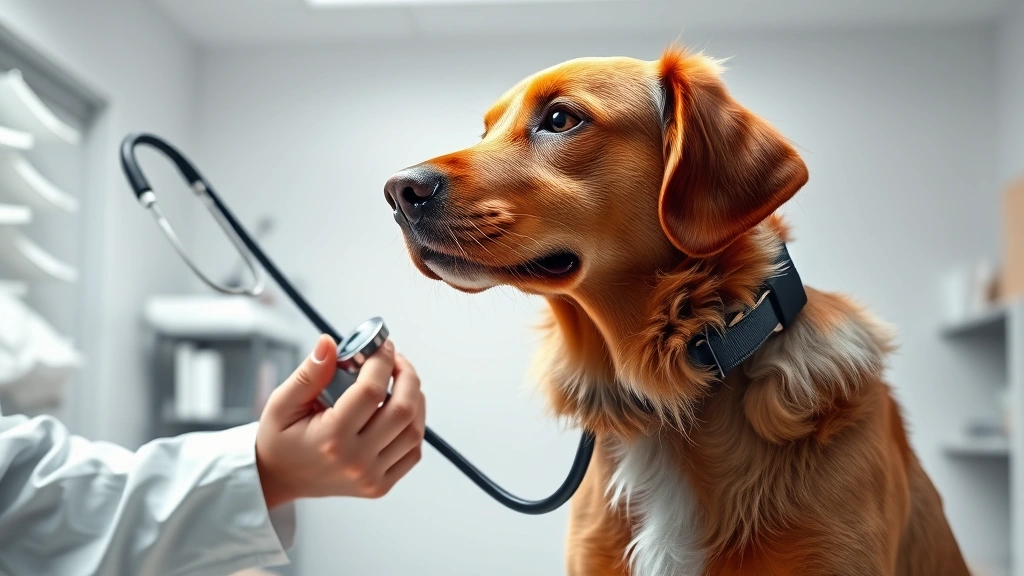
While some causes of hacking are minor and self-resolving, others require professional diagnosis. Your vet has the tools to properly identify what’s causing your dog’s persistent cough. They can perform physical exams, listen to your dog’s heart and lungs, and run tests if needed. Cornell University’s College of Veterinary Medicine offers excellent resources for understanding canine respiratory health.
Remember, your dog can’t tell you what’s wrong, so you’re their advocate. Take that hacking seriously, document when it happens and what triggers it, and share those observations with your vet. Most hacking issues are completely treatable once properly diagnosed.
Frequently Asked Questions
How long should I wait before taking my dog to the vet for hacking?
If the hacking persists for more than a week, or if it’s accompanied by any of the red flag symptoms we mentioned, don’t wait—get to a vet. For mild hacking that seems to be improving, monitoring for a few days is reasonable, but when in doubt, call your vet for advice.
Can I give my dog cough medicine from the pharmacy?
Never give your dog over-the-counter cough medicine without veterinary approval. Many human cough medicines contain ingredients that are toxic to dogs. Always consult your vet before giving any medications or supplements.
Is kennel cough dangerous?
Kennel cough is usually mild and self-limiting, but it can progress to pneumonia in puppies, senior dogs, or immunocompromised dogs. That’s why vet evaluation is important even though most cases resolve on their own.
Could my dog’s hacking be related to other health issues?
Absolutely. Hacking can sometimes be a symptom of other conditions like liver disease (learn more about liver disease in dogs) or other systemic issues. This is another reason professional diagnosis is so important.
What’s the difference between hacking and reverse sneezing?
Reverse sneezing is a sudden, rapid inhalation through the nose that sounds like honking or snorting. It’s usually brief and harmless. Hacking is a cough—an exhalation—that’s typically longer and more repetitive. Both can sound weird, but they’re different things.
Summary: Understanding Your Dog’s Hack
When your dog keeps hacking, it’s natural to worry. The good news is that most causes are treatable, especially when caught early. Whether it’s kennel cough, allergies, heart issues, tracheal collapse, or a simple throat irritation, the key is getting a proper diagnosis from your veterinarian. Pay attention to patterns, note any accompanying symptoms, and don’t hesitate to seek professional help. Your dog’s health is too important to guess about, and most vets would rather see you for a “false alarm” than miss something serious. Keep your pup’s vaccinations current, maintain a healthy weight, and create a clean, smoke-free environment. With proper care and attention, you can help your dog breathe easy and get back to enjoying life without that annoying hack.





