
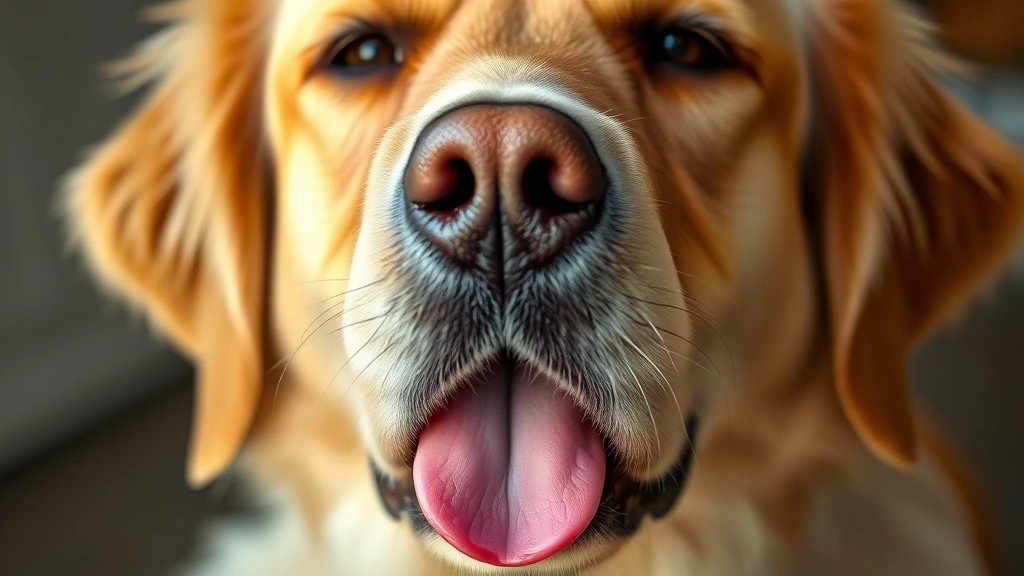
If you’ve ever caught your pup standing there, tongue flicking out repeatedly at absolutely nothing, you’re probably wondering: why does my dog keep licking the air? It’s one of those quirky dog behaviors that can range from adorably silly to genuinely concerning. The truth is, air licking isn’t just random weirdness—it’s your dog’s way of communicating something, whether it’s a medical issue, anxiety, or just a quirky habit.
Table of Contents
- 1. Nausea and Gastrointestinal Distress
- 2. Oral Health Problems and Dental Disease
- 3. Anxiety, Stress, and Compulsive Behaviors
- 4. Neurological Issues and Seizure Activity
- 5. Allergies and Skin Irritation
- When to Worry: Red Flags You Shouldn’t Ignore
- How to Help Your Air-Licking Pup
- Prevention and Long-Term Management
- Frequently Asked Questions
- The Bottom Line
Let’s dive into the five most common reasons your furry friend is performing this bizarre tongue ballet, and when you should actually worry about it.
1. Nausea and Gastrointestinal Distress
The most common culprit behind air licking is good old-fashioned nausea. When dogs feel queasy, they often lick the air as a self-soothing mechanism. It’s basically their version of you holding your stomach and breathing deeply. If your dog is also showing other signs like diarrhea or stomach upset, acid reflux, or excessive drooling, nausea is likely the answer.
Your pup might be dealing with something minor like eating grass or a piece of something they shouldn’t have, or it could be a more serious digestive issue. The air licking helps coat their throat and mouth, providing temporary relief. If this behavior persists for more than a few hours or is accompanied by vomiting, it’s time to call your vet.
2. Oral Health Problems and Dental Disease
Sometimes air licking points to something happening inside your dog’s mouth. Dental disease, tooth pain, or oral infections can trigger this behavior. Your dog might be trying to alleviate discomfort by licking, similar to how you might run your tongue over a sore tooth. Gum disease, tooth decay, or even a stuck piece of food can cause this repeated licking pattern.
Check your dog’s mouth for red, swollen gums, bad breath, or visible tartar buildup. Dogs with poor oral hygiene are more prone to this behavior. Regular dental checkups are crucial—many pet owners underestimate how important dental care is for their furry friends. If you suspect a dental issue, your vet can perform a thorough examination and professional cleaning if needed.
3. Anxiety, Stress, and Compulsive Behaviors
Just like humans bite their nails when nervous, dogs engage in repetitive behaviors when anxious. Air licking can become a compulsive habit, especially in dogs dealing with separation anxiety, loud noises, or stressful situations. This is particularly common in rescue dogs or those with a history of trauma.
If your dog licks the air primarily during thunderstorms, fireworks, or when you’re about to leave the house, anxiety is likely the culprit. Some breeds are naturally more prone to anxiety-driven behaviors than others. The repetitive motion is calming for them—it’s self-soothing behavior. In severe cases, this can develop into obsessive-compulsive disorder (OCD) in dogs, which requires professional behavioral intervention and sometimes medication.
4. Neurological Issues and Seizure Activity
Here’s where things get more serious. Air licking can sometimes indicate neurological problems, including partial seizures or other brain-related conditions. If the licking is accompanied by staring, confusion, or loss of awareness, seizure activity should be ruled out immediately. Neurological conditions like laryngeal paralysis can also contribute to unusual oral behaviors.
Some dogs experience focal seizures that manifest as repetitive mouth movements or air licking without the dramatic full-body convulsions most people associate with seizures. These partial seizures can be harder to spot but are equally important to diagnose. If you notice this behavior happening in clusters or at specific times, video record it and show your vet. This documentation is invaluable for diagnosis.
5. Allergies and Skin Irritation
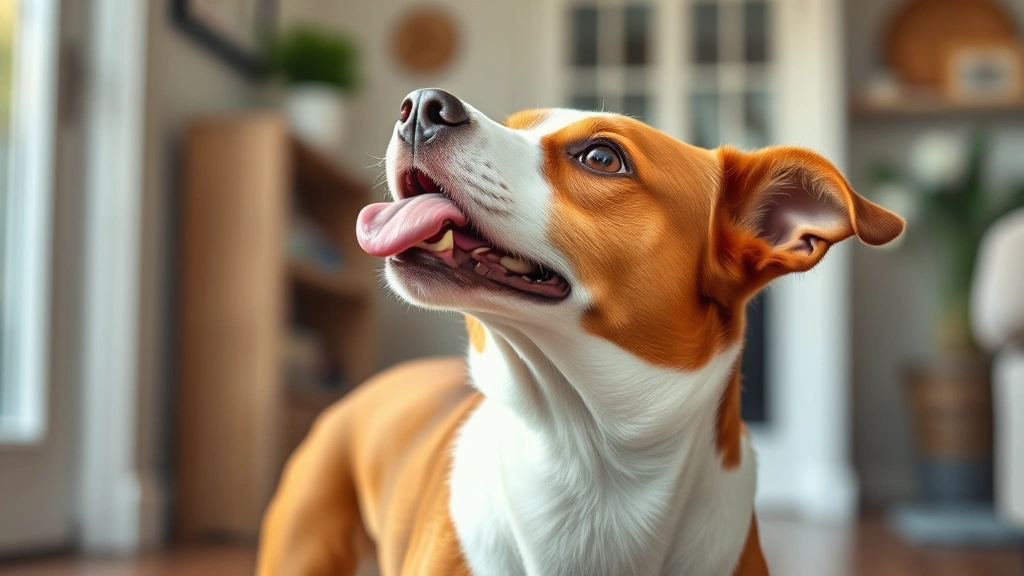
Allergies don’t just cause itching on the skin—they can affect your dog’s mouth and throat too. Environmental allergies, food allergies, or contact allergies might trigger air licking as your dog tries to soothe irritated mucous membranes. Dogs with allergies often display multiple symptoms, including itchy skin, ear infections, or excessive scratching.
If your dog has a history of allergies or you’ve noticed seasonal patterns to the air licking, allergies could be the answer. Certain breeds are predisposed to allergic reactions, and some foods are more commonly problematic than others. Your vet can perform allergy testing or recommend an elimination diet to identify the culprit.
When to Worry: Red Flags You Shouldn’t Ignore
Not every instance of air licking requires a veterinary emergency, but certain warning signs demand immediate attention. If your dog is licking the air constantly (multiple times per minute), seems disoriented, has dry coughing and gagging, or shows signs of lethargy, get them checked out.
Other concerning signs include: inability to swallow, excessive drooling, pawing at the mouth, reluctance to eat, bad breath, or behavioral changes. These symptoms suggest something more serious than a passing quirk. Your vet needs to rule out seizures, oral infections, or other medical conditions.
How to Help Your Air-Licking Pup
The treatment depends entirely on the underlying cause. For nausea-related air licking, your vet might recommend dietary changes, medications, or supplements. Some vets suggest digestive aids or specific medications to manage gastric discomfort. For anxiety-driven behavior, a combination of training, environmental modifications, and sometimes medication can help.
If dental disease is the issue, professional cleaning and possibly extractions might be necessary. For neurological concerns, your vet might recommend an EEG or other diagnostic tests. For allergies, identifying and eliminating the trigger is key, whether that means changing food, using allergy medications, or environmental management.
Prevention and Long-Term Management
While you can’t always prevent air licking, you can reduce the likelihood by maintaining good dental hygiene, feeding high-quality food, and managing stress through exercise and enrichment. Regular vet checkups catch problems early before they develop into compulsive behaviors.
Keep your dog’s environment calm and predictable. Provide plenty of mental stimulation through toys, training, and interaction. Some dogs benefit from anxiety wraps, calming supplements, or even CBD products (though consult your vet first). The goal is to address the root cause rather than just the symptom.
Frequently Asked Questions
Is air licking normal dog behavior?
Occasional air licking is relatively common and usually not concerning. However, frequent or obsessive air licking warrants a vet visit to rule out underlying issues.
Can air licking be a sign of dementia in older dogs?
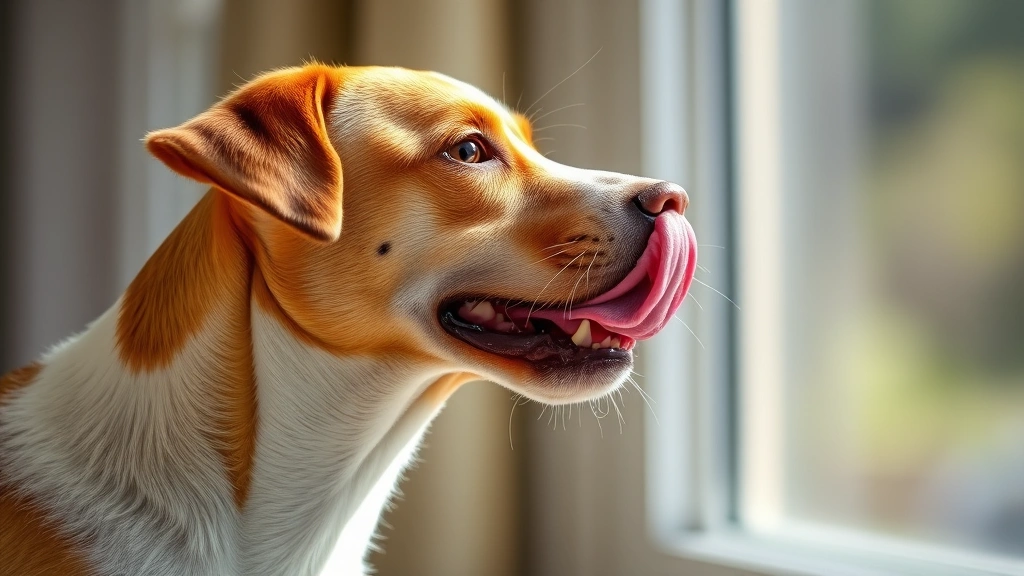
Yes, cognitive dysfunction syndrome in senior dogs can cause repetitive behaviors like air licking. If your older dog suddenly develops this habit, mention it to your vet.
How do I know if my dog’s air licking is anxiety-related?
Anxiety-driven air licking typically occurs in specific situations—during storms, when you leave, or around loud noises. It’s usually accompanied by other anxiety signs like panting, pacing, or hiding.
Should I stop my dog from licking the air?
Gently redirecting is fine, but punishing won’t help. Focus on identifying and treating the underlying cause instead.
Can air licking indicate a food allergy?
Absolutely. If the licking is accompanied by itching, skin issues, or ear infections, food allergies could be responsible.
What’s the difference between air licking and lip licking?
Lip licking is usually just grooming or a response to food. Air licking involves the tongue flicking out repeatedly at nothing, often more vigorous and purposeful.
The Bottom Line
Your dog’s air licking habit might seem silly, but it’s worth taking seriously. Whether it’s a sign of nausea, anxiety, dental problems, allergies, or something neurological, your pup is trying to tell you something. Pay attention to when it happens, how often, and what other symptoms accompany it. This information is gold when discussing it with your vet.
Most cases of air licking are manageable once you identify the cause. Start with a vet visit to rule out medical issues, then work on behavioral or environmental solutions if needed. Your dog depends on you to notice these quirks and take action. With a little detective work and professional guidance, you’ll have your pup back to their normal, silly self in no time.





