
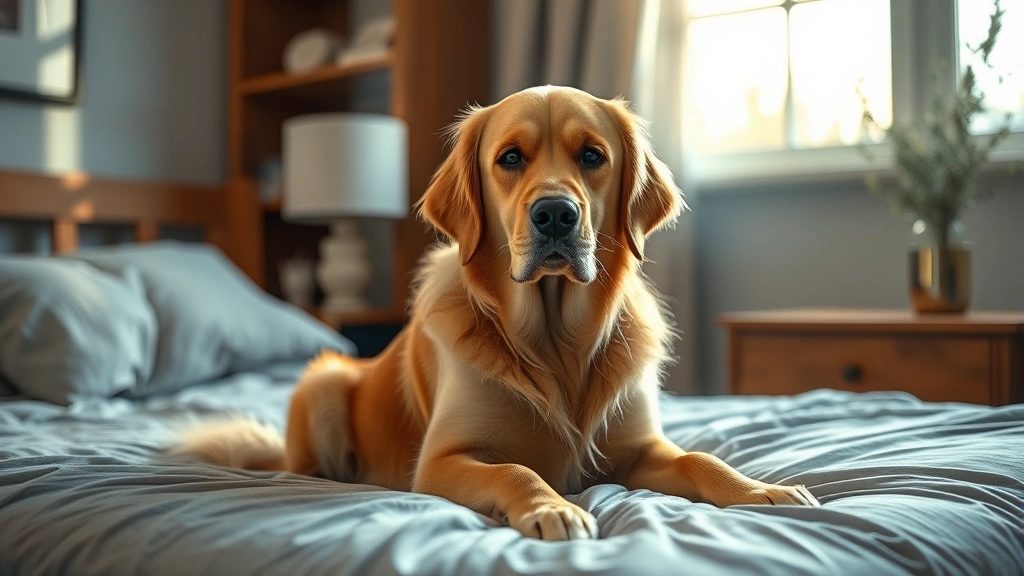
If you’re asking yourself “why does my dog keep peeing on my bed,” you’re not alone—and honestly, you’re probably exhausted. There’s nothing quite like discovering another wet spot on your favorite sheets to test your patience. But here’s the thing: your pup isn’t doing this to spite you. Dogs don’t pee on beds out of malice. Instead, this behavior is usually a cry for help, signaling an underlying medical, behavioral, or emotional issue that needs your attention.
Table of Contents
- Medical Reasons: Rule Out Health Issues First
- Behavioral Issues: Marking Territory and Anxiety
- Age-Related Incontinence: Senior Dogs Need Extra Care
- Fix #1: Establish a Strict Potty Schedule
- Fix #2: Remove Access to the Bed
- Fix #3: Thoroughly Clean Soiled Areas
- Fix #4: Address Underlying Anxiety and Stress
- Fix #5: Spay or Neuter Your Dog
- When to Call Your Vet: Red Flags and Concerns
- Managing Nighttime Accidents: Special Considerations
- The Bottom Line: Patience and Persistence
- Frequently Asked Questions
The good news? We’re about to break down exactly what’s causing this annoying (and gross) habit and give you five proven strategies to fix it. Let’s dig in.
Medical Reasons: Rule Out Health Issues First
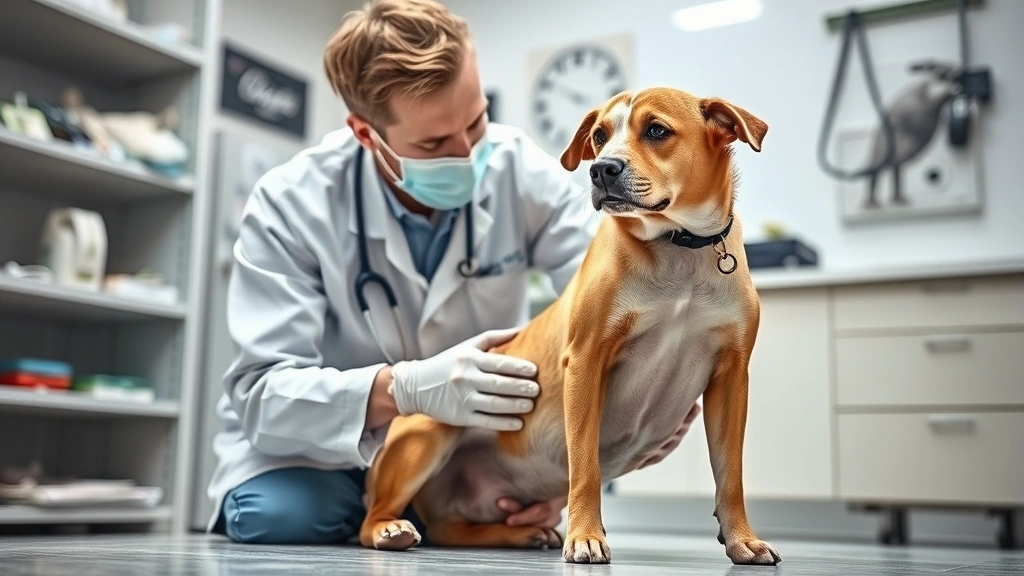
Before you start blaming your dog’s behavior on stubbornness, you need to rule out medical problems. Inappropriate urination is often the first sign that something’s physically wrong with your pup.
Urinary tract infections (UTIs) are the most common culprit. Dogs with UTIs feel an urgent need to pee constantly, and they may not make it to the designated potty spot. Senior dogs are especially prone to UTIs, and the condition is more frequent in female dogs than males. If your dog suddenly starts peeing indoors after being housetrained, a UTI is likely the first thing your vet should check.
Diabetes and kidney disease can also trigger excessive drinking and urination. According to the American Kennel Club, diabetes in dogs often goes undiagnosed until symptoms become severe. Other conditions like liver disease in dogs can affect your dog’s ability to hold urine properly. Incontinence from spinal issues or hormonal imbalances is also worth investigating.
Here’s your action step: Schedule a vet appointment and bring a urine sample if possible. Your vet can run a urinalysis and bloodwork to rule out infections, diabetes, and organ dysfunction. Don’t skip this step—it’s the foundation of solving this problem.
Behavioral Issues: Marking Territory and Anxiety
Once you’ve cleared medical issues, it’s time to look at behavior. Some dogs pee on beds because of territorial marking, especially intact males. When a dog marks territory, they’re leaving their scent to communicate “this is mine.” If your dog hasn’t been neutered or spayed, this could be the reason.
Anxiety is another major behavioral culprit. Dogs experiencing separation anxiety, thunderstorm phobia, or general stress may have accidents on beds—especially your bed, since it smells like you. Your dog associates your scent with safety and comfort, so peeing there might be their way of self-soothing.
Changes in the household—new pets, moving to a new home, or even a change in your routine—can trigger anxiety-related accidents. Lethargy in dogs paired with accidents can indicate stress or depression as well.
Pay attention to when the accidents happen. Does your dog pee on the bed when you leave? During storms? When there’s chaos in the house? Identifying the trigger is half the battle.
Age-Related Incontinence: Senior Dogs Need Extra Care
Older dogs lose bladder control as they age. Senior incontinence is incredibly common and not a behavioral issue at all—it’s just biology. Dogs over 10 years old frequently experience involuntary leakage, especially when sleeping or relaxed.
If your senior dog is having accidents on the bed, they’re likely mortified about it. They didn’t choose this, and they can’t control it. This calls for compassion, not punishment.
Senior dogs also develop conditions like cognitive dysfunction, where their brain doesn’t send proper signals to their bladder. They might forget where the bathroom is or lose the ability to hold urine overnight. Your vet can discuss medication options and management strategies tailored to aging dogs.
Fix #1: Establish a Strict Potty Schedule
Consistency is everything. Dogs thrive on routine, and a predictable potty schedule gives them the best chance to succeed.
Take your dog out first thing in the morning, after meals, after playtime, before bedtime, and at regular intervals throughout the day. For dogs with accidents, aim for every 2-3 hours initially. Yes, it’s a lot, but it prevents opportunities for accidents and reinforces good habits.
When your dog pees outside, throw a mini celebration. Use high-value treats, enthusiastic praise, and excitement. Make outdoor peeing the best thing that’s ever happened to them. Positive reinforcement is far more effective than punishment—which can actually make anxiety worse and cause more accidents.
Keep a potty log if you’re serious about fixing this. Track when your dog goes, when accidents happen, and any patterns you notice. This information is gold when you talk to your vet.
Fix #2: Remove Access to the Bed
This might sound harsh, but it’s actually kind. Until your dog is reliably housetrained, remove their ability to pee on the bed. Close the bedroom door, use a baby gate, or crate train your dog for unsupervised time.
Dogs naturally avoid soiling their sleeping area, so a properly-sized crate can actually help. The key word is “properly-sized”—big enough for your dog to stand and turn around, but not so large they can pee in one corner and sleep in another.
If crate training feels too restrictive, confine your dog to a tiled or easily-cleaned area with potty pads. Gradually expand their space as they prove they can be trusted.
This isn’t punishment; it’s management. You’re setting your dog up for success by removing temptation and preventing reinforcement of the bad habit.
Fix #3: Thoroughly Clean Soiled Areas
Here’s where most people mess up: regular cleaners don’t eliminate dog urine. Your nose might not detect it, but your dog absolutely can. That lingering scent is like a neon sign saying “pee here.”
Use an enzymatic cleaner specifically designed for pet urine. These break down the uric acid crystals that cause the smell. Spray it generously on the affected area, let it sit for 24-48 hours, and then vacuum or wash. Repeat if necessary.
Brands like Nature’s Miracle and Rocco & Roxie are highly rated. Avoid ammonia-based cleaners—ammonia is a component of urine, so it actually encourages dogs to keep marking that spot.
If the mattress is heavily soiled, consider replacing it. It’s an investment, but it eliminates the problem completely and gives you peace of mind.
Fix #4: Address Underlying Anxiety and Stress
If your vet has ruled out medical issues and you’ve ruled out marking behavior, anxiety is likely the culprit. This requires a multi-pronged approach.
First, identify and minimize triggers. If your dog has separation anxiety, practice leaving them alone for short periods and gradually increase duration. Use puzzle toys and long-lasting chews to keep them occupied.
Second, create a safe space. A comfortable crate, a designated bed in a quiet room, or a bathroom can serve as your dog’s sanctuary. Make it inviting with toys and treats.
Third, consider calming supplements or medications. Talk to your vet about options like L-theanine, CBD (where legal), or prescription anti-anxiety medication. These aren’t magic fixes, but they can take the edge off while you work on behavior modification.
Finally, exercise matters. A tired dog is a well-behaved dog. Daily walks, playtime, and mental stimulation reduce anxiety and give your dog an outlet for stress.
Fix #5: Spay or Neuter Your Dog
If your dog is intact, getting them fixed should be a priority. Neutering eliminates territorial marking behavior in most males, and spaying prevents heat cycles that can trigger marking in females.
Beyond preventing pee accidents, spaying and neutering reduces cancer risk, prevents unwanted litters, and often improves behavior overall. It’s a win-win.
Talk to your vet about the best age for your dog. Most vets recommend spaying or neutering around 6 months, but large breed dogs may benefit from waiting longer.
When to Call Your Vet: Red Flags and Concerns
Some situations require immediate veterinary attention. If your dog is straining to pee, only producing small amounts, or showing blood in urine, these are signs of a serious UTI or blockage. Don’t wait—call your vet right away.
Similarly, if your dog is drinking excessively, losing weight, or acting lethargic along with having accidents, these could indicate Lyme disease or other systemic conditions. Prompt diagnosis is crucial.
If your dog has never had accidents before and suddenly starts, this is almost always a medical issue. Age and changes in behavior warrant a vet visit too.
Managing Nighttime Accidents: Special Considerations
Nighttime accidents are different from daytime ones. Puppies and senior dogs have limited bladder control at night, and that’s normal. For puppies, nighttime dryness usually comes around 4-6 months old, though some take longer.
To manage nighttime accidents: limit water intake 2-3 hours before bed, take your dog out right before sleep, use waterproof mattress covers, and be patient. Punishing nighttime accidents is counterproductive—your dog can’t control it.
For senior dogs with incontinence, waterproof pads on the bed and absorbent dog diapers can help maintain dignity while protecting your furniture. False pregnancy in dogs can also cause temporary incontinence in females, so discuss this with your vet if applicable.
The Bottom Line: Patience and Persistence
Why does my dog keep peeing on my bed? The answer is rarely simple, but it’s almost always fixable. Whether it’s a UTI, anxiety, marking behavior, or age-related incontinence, you now have a roadmap to address it.
Start by seeing your vet, establish a consistent potty schedule, clean thoroughly with enzymatic cleaners, and remove access to the bed temporarily. Address anxiety with exercise and calming strategies, and consider spaying or neutering if applicable.
Most importantly, be patient with your dog. They’re not doing this to upset you—they’re communicating that something needs attention. With the right approach, most dogs can overcome this habit within weeks to months.
Frequently Asked Questions
Why does my dog pee on my bed and not other beds?
Your dog likely feels a strong connection to your bed because it smells like you. Beds are also soft and comfortable, which appeals to dogs. Additionally, if your dog has separation anxiety, peeing on your bed might be a self-soothing behavior. The bed represents safety and comfort, so your dog’s brain associates it with security.
Can anxiety cause my dog to pee on the bed?
Absolutely. Anxiety is one of the most common behavioral reasons dogs have accidents indoors. Separation anxiety, thunderstorm phobia, and general stress can all trigger inappropriate urination. If your dog only has accidents when you’re gone or during stressful situations, anxiety is likely the cause. Talk to your vet about behavior modification techniques and possible medication.
How do I stop my dog from peeing on the bed?
The solution depends on the underlying cause. First, rule out medical issues with a vet visit. Then: establish a strict potty schedule, remove bed access temporarily, use enzymatic cleaners on soiled areas, address anxiety through exercise and calming strategies, and consider spaying or neutering. Most dogs respond well to consistency and positive reinforcement.
Is it normal for senior dogs to pee on the bed?
Yes, senior dogs commonly experience incontinence as they age. It’s not a behavioral issue—it’s a medical one. Older dogs lose bladder control due to weakening muscles and cognitive changes. If your senior dog is having accidents, discuss management strategies with your vet. Waterproof pads and dog diapers can help while maintaining your dog’s dignity.
Should I punish my dog for peeing on the bed?
No. Punishment is counterproductive and can actually make the problem worse. If the cause is medical, punishment won’t help because your dog can’t control it. If it’s behavioral, punishment increases anxiety, which leads to more accidents. Instead, focus on positive reinforcement for good behavior and removing opportunities for accidents.





