
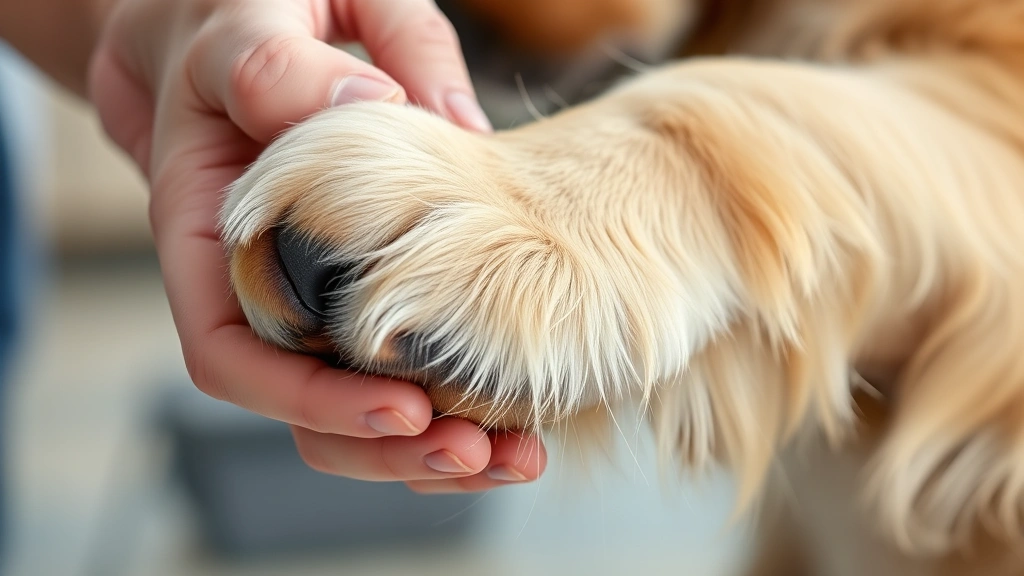
If you’re wondering why does my dog lick her paws so much, you’re not alone—and honestly, it’s one of the most common questions vets hear. That constant licking, chewing, and gnawing at those poor paws can drive both you and your furry friend absolutely bonkers. But here’s the thing: excessive paw licking isn’t just a quirky habit or a sign your dog is bored (though boredom can play a role). It’s usually your pup’s way of saying something’s up, and we need to figure out what.
Table of Contents
- 1. Allergies Are Often the Culprit
- 2. Parasites and Mites Love Paws
- 3. Yeast and Bacterial Infections
- 4. Anxiety and Stress-Related Licking
- 5. Pain or Injury
- When Should You Worry? Red Flags to Watch
- Diagnostic Steps Your Vet Will Take
- Treatment Options Depend on the Cause
- Prevention: Keep Those Paws Happy
- Home Care and Soothing Strategies
- Frequently Asked Questions
- Conclusion: Get to the Bottom of It
Whether it’s allergies, parasites, anxiety, or something more serious, understanding the root cause is the first step to getting your dog some relief. Let’s dive into the five most common reasons why your dog might be treating her paws like an all-you-can-eat buffet.
1. Allergies Are Often the Culprit
Allergies are the number-one reason dogs lick their paws excessively, and they’re way more common than you’d think. Just like humans, dogs can develop allergies to food, environmental factors, or contact irritants. When your dog has an allergy, her immune system goes into overdrive, causing itching and inflammation—especially in the paws, which are basically ground zero for allergen exposure.
Food allergies are sneaky little troublemakers. Common culprits include chicken, beef, wheat, corn, and soy. If your dog is allergic to something in her kibble, she might not show obvious digestive issues—instead, she’ll just lick those paws until they’re raw. Environmental allergies (think pollen, dust mites, or mold) can cause seasonal paw licking or year-round issues depending on where you live.
Contact allergies happen when your dog walks through something irritating—maybe a lawn treated with pesticides, salty sidewalks in winter, or even certain types of grass. The paws absorb whatever they touch, so they’re prime real estate for allergic reactions.
What to do: If you suspect allergies, start by switching to a limited-ingredient diet for 8-12 weeks to identify food triggers. You can also try wiping your dog’s paws with a damp cloth after walks to remove environmental irritants. If the licking persists, your vet might recommend allergy testing or an elimination diet.
2. Parasites and Mites Love Paws
Fleas, mites, and lice are absolute nightmares, and they love setting up shop on your dog’s paws. Even if you don’t see visible parasites, they could still be causing problems. Mange on dogs, caused by microscopic mites, is particularly notorious for causing intense paw licking and chewing. Demodectic mange and sarcoptic mange both target the paws and can make your dog absolutely miserable.
Fleas are another obvious culprit—even one flea bite can drive a sensitive dog crazy. The problem is that fleas are tiny jerks that hide in fur, so you might not see them even though your dog is losing her mind over the itching.
What to do: Make sure your dog is on a year-round flea and tick prevention recommended by your vet. If you suspect mites or mange, don’t wait—get your dog to the vet for a skin scraping or fungal culture. These conditions require professional treatment and won’t resolve on their own.

3. Yeast and Bacterial Infections
Here’s something that surprises a lot of dog owners: yeast infections aren’t just a human problem. Dogs can develop yeast overgrowth on their skin, and the paws are a favorite hangout spot. Yeast thrives in warm, moist environments, and guess what? The space between your dog’s toes is basically a yeast resort.
Bacterial infections can also cause excessive licking. These often develop secondary to allergies or parasites—your dog licks and chews, creating tiny wounds, and bacteria move in like unwanted squatters. You might notice redness, swelling, or a funky smell coming from the paws.
Yeast infections often have a distinctive musty or corn-chip smell (vets call it “Frito paws”). If your dog’s paws smell off or look inflamed and red, infection might be the answer.
What to do: Your vet can diagnose yeast or bacterial infections with a simple swab or culture. Treatment usually involves antifungal or antibiotic medications, plus medicated paw soaks or washes. Is turmeric good for dogs? is worth researching, as some people use it as a natural anti-inflammatory supplement alongside veterinary treatment.

4. Anxiety and Stress-Related Licking
Sometimes the answer isn’t medical at all—it’s psychological. Dogs experiencing anxiety, stress, or boredom can develop compulsive licking behaviors. It’s like when humans bite their nails or pick at their skin when nervous. For dogs, licking their paws becomes a self-soothing mechanism.
Separation anxiety is a big one. If your dog licks her paws excessively when you leave or when she’s stressed, anxiety might be the root cause. Some dogs develop paw licking habits after traumatic events or changes in their routine. Other dogs simply don’t get enough mental or physical stimulation, and boredom leads to obsessive behaviors.
The tricky part is that stress-related licking can actually create secondary infections because the constant moisture and trauma to the skin invites bacteria and yeast. So what starts as anxiety can turn into a medical problem if left unchecked.
What to do: Increase exercise and mental enrichment—try puzzle toys, training sessions, or lick mat for dogs to redirect that licking energy. If you suspect anxiety, talk to your vet about behavior modification techniques or, in some cases, anti-anxiety medication. Creating a calm environment and maintaining a consistent routine can work wonders.
5. Pain or Injury
Sometimes your dog is licking her paws because something actually hurts. Maybe she stepped on something sharp, has a splinter, a cut, or a thorn stuck between her toes. Arthritis or joint pain can also cause dogs to lick the affected area—it’s a natural response to discomfort.
If your dog suddenly starts licking one specific paw obsessively, injury or localized pain is likely. Check the paw carefully for cuts, swelling, or foreign objects. Some dogs will lick their paws excessively if they have nail issues, cysts, or even tumors (though tumors are rare).
What to do: Examine the paw thoroughly under good lighting. If you find a splinter or object, remove it carefully or have your vet do it. If there’s no visible injury but the licking is localized to one paw, your vet should evaluate for pain, arthritis, or other structural issues.
When Should You Worry? Red Flags to Watch
Not all paw licking is created equal. Some situations warrant immediate veterinary attention. If your dog’s paws are bleeding, oozing, or have open sores, get her to the vet. If the licking is so severe that it’s interfering with her sleep or quality of life, don’t wait. Sudden onset of extreme licking, especially if accompanied by lethargy, loss of appetite, or other symptoms, needs professional evaluation.

Also watch for signs of infection like swelling, redness, warmth, or discharge. If your dog’s paws smell bad or look discolored, that’s your cue to call the vet. And if you’ve tried basic remedies and nothing’s working after a couple of weeks, professional help is needed.
Diagnostic Steps Your Vet Will Take
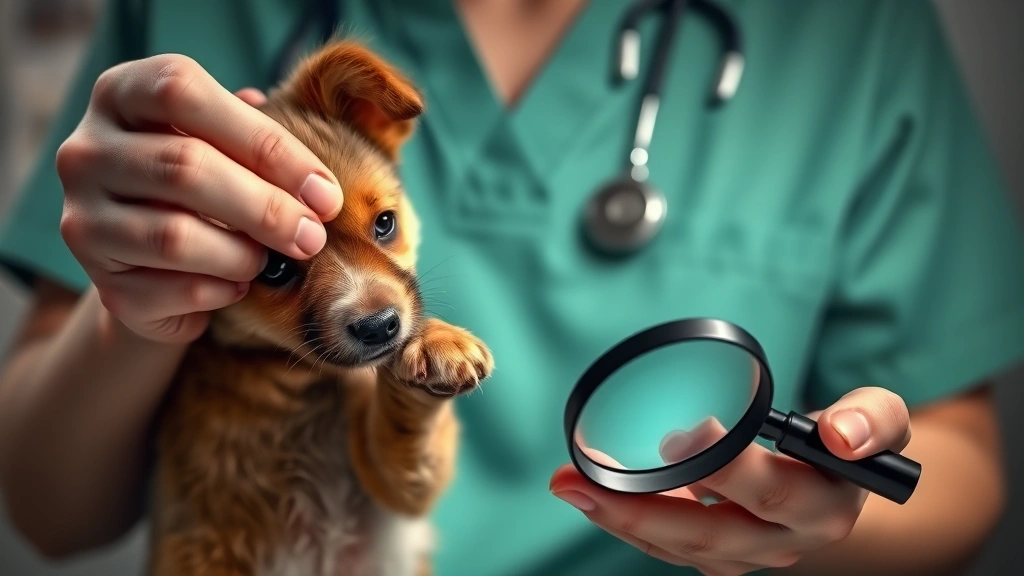
When you bring your dog in for excessive paw licking, a good vet will do a thorough investigation. They’ll examine the paws closely, looking for signs of parasites, infection, or injury. They might do a skin scraping to check for mites, take a fungal culture to identify yeast or bacteria, or recommend allergy testing.
Your vet will also ask detailed questions: When did the licking start? Is it seasonal? Does it happen after specific activities? Has your dog’s diet changed recently? These clues help narrow down the cause. Sometimes the answer isn’t obvious on the first visit, and that’s okay—it might take some detective work.
Treatment Options Depend on the Cause
Once you know why your dog is licking her paws, treatment becomes straightforward. For allergies, you might switch foods, use supplements, or give antihistamines. For parasites, prescription flea and tick prevention is essential. Infections get treated with medications—antifungals, antibiotics, or both.

For anxiety-related licking, behavior modification and environmental changes are key. Pain-related licking requires addressing the underlying issue, whether that’s removing a splinter or managing arthritis. Sometimes a combination approach works best, especially if your dog has developed secondary infections on top of the original problem.
Is diatomaceous food-grade diatomaceous earth safe for dogs? is a question some owners ask about natural parasite control, but always check with your vet before using any supplements or natural remedies alongside prescribed treatments.
Prevention: Keep Those Paws Happy
An ounce of prevention is worth a pound of cure, right? Keep your dog’s paws clean and dry, especially after walks or playtime outside. Trim the hair between the toes regularly—it reduces moisture buildup and makes it harder for yeast to thrive. Wipe paws with a damp cloth after outdoor time, especially if you live somewhere with salty sidewalks or treated lawns.
Maintain year-round parasite prevention, feed a high-quality diet, and keep your dog’s stress levels low through exercise and enrichment. Regular grooming also helps you catch problems early—you’ll notice redness, swelling, or other issues before they become serious.
Home Care and Soothing Strategies
While you’re working with your vet to identify the cause, you can provide some relief at home. Soak your dog’s paws in lukewarm water mixed with Epsom salt for 5-10 minutes daily—it’s soothing and helps prevent infection. You can also apply a dog-safe moisturizer or paw balm to prevent cracking.
Keep the paws trimmed and the hair between toes short. Use a cone or e-collar if necessary to prevent your dog from licking while you’re treating the underlying issue. Some dogs benefit from wearing booties to protect their paws and prevent licking.
Frequently Asked Questions
Is it normal for dogs to lick their paws?
Yes, some paw licking is completely normal—dogs groom themselves just like cats do. However, if your dog is licking her paws excessively, to the point where you notice it multiple times throughout the day or she’s causing damage to her paws, that’s abnormal and warrants investigation.
How long should I wait before taking my dog to the vet for paw licking?
If the licking is mild and you can identify an obvious cause (like a visible splinter), give it a few days. But if it persists beyond a week, seems to be getting worse, or if you notice any signs of infection or injury, don’t wait—call your vet. Sudden onset of severe licking should be evaluated immediately.

Can I treat paw licking at home without seeing a vet?
You can try basic home care like keeping paws clean and dry, but you really can’t diagnose the problem yourself. What looks like simple itching might be mange, yeast, or a serious infection. Your vet needs to rule out medical causes before you assume it’s behavioral or minor.
What’s the difference between normal grooming and excessive licking?
Normal grooming happens occasionally and doesn’t cause damage. Excessive licking is repetitive, happens frequently throughout the day, and often results in redness, swelling, hair loss, or open sores. If your dog is limping, has swollen paws, or spends more time licking than playing, that’s excessive.
Can allergies cause paw licking year-round?
Absolutely. While environmental allergies are often seasonal, food allergies cause year-round symptoms. If your dog licks her paws constantly regardless of the season, a food allergy is a strong possibility worth investigating.
Conclusion: Get to the Bottom of It
Excessive paw licking is your dog’s way of communicating that something’s wrong, and it’s your job to figure out what. Whether it’s allergies, parasites, infections, anxiety, or pain, the solution starts with understanding the cause. Most cases of excessive paw licking are highly treatable once you know what you’re dealing with.

Don’t ignore the behavior hoping it’ll go away on its own—it usually gets worse. Schedule a vet appointment, describe the licking pattern and any other symptoms, and work together to find relief for your pup. Your dog will be grateful, and you’ll finally get some peace and quiet (and fewer paw-licking sounds at 3 AM).
Remember, why does my dog lick her paws so much is a question your vet is equipped to answer. They’ve seen it all, and they can help get your dog back to happy, healthy paws in no time.





