
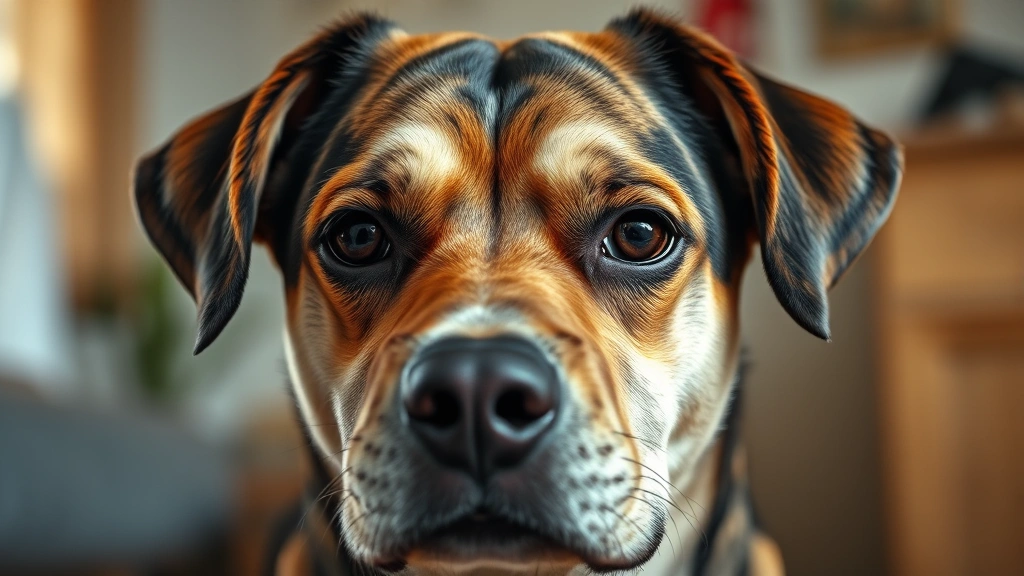
If you’ve caught yourself wondering “why does my dog look sad,” you’re not alone—and honestly, that droopy expression might mean more than just a bad day. Dogs are incredibly expressive creatures, and while they can’t tell us what’s wrong with words, their faces and body language speak volumes. Sometimes that sad puppy look is just their natural resting face (yes, dogs have resting sad face too), but other times it’s a genuine signal that something needs your attention.
Table of Contents
- 1. Pain or Physical Discomfort Is Often the Culprit
- 2. Illness and Health Conditions Create That Droopy Look
- 3. Boredom and Lack of Mental Stimulation
- 4. Anxiety and Stress Manifest as Sadness
- 5. Depression and Emotional Changes
- Motion Sickness and Travel Stress
- Natural Facial Structure and Breed Characteristics
- How to Tell If Your Dog’s Sadness Is Serious
- What You Can Do Right Now
- Frequently Asked Questions
- Conclusion: Understanding Your Dog’s Sadness
The tricky part? Distinguishing between normal doggy melancholy and a sign of a real problem. Your pup might be dealing with anything from boredom to a legitimate health issue, and knowing the difference could make all the difference in their wellbeing. Let’s dive into what that sad expression really means and what you can actually do about it.
1. Pain or Physical Discomfort Is Often the Culprit
One of the most common reasons your dog looks sad is because they’re experiencing some form of pain or physical discomfort. Dogs can’t point to their sore spots and complain like we do, so they resort to facial expressions and behavioral changes. A dog with joint pain, arthritis, or an injury might display that perpetually sad expression along with reluctance to move, play, or climb stairs.
If your dog is limping, avoiding certain activities, or seems stiff when they get up, pain could definitely be the reason. Older dogs are particularly prone to arthritis, which can make even simple movements uncomfortable. The good news? A vet can help identify and manage pain through medication, physical therapy, or supplements. Consider exploring joint supplements for dogs as part of a comprehensive pain management plan.
Other painful conditions like ear infections, dental disease, or digestive issues can also create that sad, withdrawn appearance. If your dog’s sadness came on suddenly or is accompanied by other symptoms, a vet visit should be your first move.
2. Illness and Health Conditions Create That Droopy Look
Beyond acute pain, various illnesses can make your dog look perpetually sad. Infections, hormonal imbalances, and chronic diseases all affect a dog’s mood and facial expression. A lethargic dog that appears sad might be fighting off an infection or dealing with a thyroid problem that’s sapping their energy and enthusiasm.
Serious conditions like Lyme disease symptoms in dogs often include behavioral changes and lethargy that manifest as sadness. Pancreatitis, which causes inflammation of the pancreas, can make dogs look absolutely miserable. If your dog has been diagnosed with pancreatitis, dietary management becomes crucial—check out options for low fat dog food for pancreatitis to help manage their condition.
The key indicator here is whether the sadness is paired with other symptoms: vomiting, diarrhea, loss of appetite, excessive thirst, or behavioral changes. If you’re noticing multiple red flags, don’t wait—get your pup to the vet for a thorough checkup.
3. Boredom and Lack of Mental Stimulation
Sometimes that sad puppy face is actually boredom wearing a disguise. Dogs are intelligent creatures that need mental and physical stimulation to stay happy and engaged. A bored dog might spend their day looking out the window with that sad, wistful expression, basically saying “Is this it? Is this really my life?”
If your dog isn’t getting enough playtime, walks, or interactive activities, they’ll develop what looks like depression but is really just frustration and understimulation. This is especially true for high-energy breeds that were bred to work or hunt. A Border Collie or Australian Shepherd stuck in an apartment without mental challenges will absolutely look sad.
The fix? Increase their enrichment. Try puzzle toys, training sessions, longer walks, playdates with other dogs, or even dog sports like agility. You’d be amazed how quickly that sad expression transforms into pure joy when your dog finally gets the stimulation they crave.
4. Anxiety and Stress Manifest as Sadness
Dogs experience anxiety just like humans do, and it often shows up as that sad, withdrawn expression. Separation anxiety, noise phobias (like fear of thunderstorms or fireworks), or general anxiety can make your dog look absolutely miserable. They might hide, avoid eye contact, and just generally seem depressed when really they’re just scared or stressed.
Changes in their environment—moving to a new house, a new family member, or even a change in your schedule—can trigger anxiety that looks like sadness. Some dogs are naturally more anxious than others, and certain breeds are predisposed to anxiety disorders.
If you suspect anxiety, look for other signs like excessive panting, pacing, destructive behavior, or accidents in the house. A vet can discuss anxiety management options, which might include behavioral training, environmental modifications, or in some cases, medication to help your dog feel more comfortable.

5. Depression and Emotional Changes
Yes, dogs can actually experience depression, especially after significant life changes. If your dog lost a companion (another pet or even a family member), moved to a new home, or experienced some other major disruption, they might genuinely be sad. Dogs form strong attachments, and grief is real for them.
A depressed dog might lose interest in activities they once loved, eat less, sleep more, and just generally seem withdrawn. This type of sadness usually improves with time, increased attention, and environmental enrichment, but it’s worth monitoring.
If the depression persists for more than a few weeks or is accompanied by other concerning symptoms, a vet can rule out underlying medical issues and discuss whether your dog might benefit from additional support or behavioral intervention.
Motion Sickness and Travel Stress
Some dogs absolutely hate car rides, and that sad expression might be their way of expressing travel anxiety or motion sickness. If your dog only looks sad during or after car trips, motion sickness could be the issue. Dogs prone to motion sickness often drool, whine, and display that miserable, sad face during drives.
The good news? There are solutions. Medicine for motion sickness for dogs can help, along with desensitization training and practical tips like taking shorter trips or adjusting their position in the car. Some dogs also benefit from ginger supplements or calming treats before travel.
Natural Facial Structure and Breed Characteristics
Here’s something important to consider: some dogs just look sad because of their facial structure. Certain breeds like Basset Hounds, Bulldogs, and Cocker Spaniels have naturally droopy features that make them appear perpetually melancholy even when they’re perfectly happy. Their eye shape, jowls, and overall facial structure create that sad expression regardless of their actual emotional state.
If your dog is acting normally—playing, eating well, engaging with you—but just has that sad face, it might simply be their breed’s natural look. Don’t let the appearance fool you into thinking something’s wrong when your pup is actually living their best life.
How to Tell If Your Dog’s Sadness Is Serious
So how do you actually know when that sad expression requires action? Pay attention to the whole picture, not just the face. A truly sad or sick dog will show multiple signs:
Behavioral changes: Loss of interest in activities, withdrawal from family, changes in sleep patterns, or reluctance to play.
Physical symptoms: Changes in appetite or water intake, vomiting, diarrhea, limping, or difficulty moving.
Duration: If the sadness persists for more than a few days without an obvious cause, it warrants investigation.
Combination of signs: One sad-looking day might be nothing; sad-looking plus lethargic plus not eating is definitely something.
When in doubt, call your vet. They can perform a physical exam and run any necessary tests to rule out medical issues. It’s always better to be cautious with your dog’s health.

What You Can Do Right Now
If your dog looks sad, start with the basics. Ensure they’re getting adequate exercise, mental stimulation, and quality time with you. Sometimes a longer walk or a new toy is all they need. Make sure they’re eating a balanced diet and have access to fresh water.
Monitor their behavior closely over the next few days. Keep notes about when they look saddest, what they’re doing, and any other symptoms you notice. This information will be invaluable if you need to visit the vet.
Don’t hesitate to schedule a vet appointment if the sadness is new, accompanied by other symptoms, or if your gut is telling you something’s off. Vets are trained to pick up on subtle signs of illness that might not be obvious to us, and they can provide proper diagnosis and treatment.
Frequently Asked Questions
Can dogs actually feel sad?
Yes, dogs can experience sadness and depression. They form emotional attachments, experience grief, and can become depressed due to stress, health issues, or major life changes. However, the sad expression we see isn’t always accompanied by sadness—sometimes it’s just their face.
How long should I wait before taking my sad-looking dog to the vet?
If the sadness is accompanied by other symptoms like lethargy, loss of appetite, or behavioral changes, don’t wait—schedule a vet visit right away. If it’s just the expression without other signs, monitor for a few days. If it persists or worsens, get them checked out.
Is a sad-looking dog always sick?
Absolutely not. Many healthy dogs have naturally sad-looking faces due to their breed. Additionally, boredom, stress, or simply a bad day can make a healthy dog look sad. Context and other symptoms matter far more than the expression alone.
What’s the difference between a sad dog and a depressed dog?
A sad dog might have a sad expression but still engage in normal activities. A depressed dog shows behavioral changes like loss of interest in activities, withdrawal, changes in appetite or sleep, and overall lack of engagement. Depression is a more serious condition that warrants veterinary attention.
Can exercise help a sad-looking dog?
Absolutely. Increased exercise and mental stimulation can dramatically improve a dog’s mood and appearance. Many dogs that look sad are simply bored or under-stimulated. More playtime, longer walks, and interactive toys often work wonders.
Conclusion: Understanding Your Dog’s Sadness
When you catch yourself wondering “why does my dog look sad,” remember that the answer could range from perfectly innocent to requiring immediate veterinary attention. The sad expression might be their breed’s natural look, a sign of boredom that needs more enrichment, or an indicator of a genuine health issue that needs professional care.
The key is paying attention to the whole picture: their behavior, appetite, energy level, and any other symptoms alongside that sad face. A healthy dog with a sad-looking expression and normal behavior is probably just fine. A dog with a sad expression, lethargy, and loss of appetite needs a vet visit.
Trust your instincts as a pet owner. You know your dog better than anyone. If something feels off, it probably is, and a vet can help you figure out what’s going on. In the meantime, shower your pup with extra love, playtime, and attention—even if they’re perfectly fine, they’ll definitely appreciate it.





