

If you’ve ever noticed that your beloved canine companion’s paws smell remarkably similar to corn chips or Fritos, you’re not alone. This peculiar phenomenon has puzzled dog owners for generations, leading many to wonder if their furry friend has been secretly raiding the snack cabinet. The truth behind this distinctive aroma is both fascinating and completely natural, involving the complex world of canine microbiology.
The Frito-like scent emanating from your dog’s feet is actually the result of naturally occurring bacteria that thrive in the warm, moist environment between their toes. While this might sound concerning at first, this odor is typically harmless and represents a normal part of your dog’s natural microbiome. Understanding the science behind this smell can help pet owners distinguish between normal “corn chip” paws and potential health concerns that may require veterinary attention.
The Bacterial Science Behind Frito Feet
The mysterious Frito scent that many dog owners notice comes from two primary types of bacteria: Pseudomonas and Proteus. These naturally occurring microorganisms live harmoniously on your dog’s skin and between their toes, where they find the perfect conditions to thrive. The warm, dark, and often moist environment created between a dog’s toes provides an ideal habitat for these bacteria to multiply and produce their characteristic odor compounds.
According to the American Veterinary Medical Association, these bacteria are part of the normal flora that exists on healthy canine skin. When these microorganisms break down organic matter and oils naturally present on your dog’s paws, they release volatile compounds that create the distinctive corn chip or popcorn-like aroma. This process is entirely natural and occurs continuously as part of your dog’s normal biological functions.
The concentration of these odor-producing bacteria can vary based on several factors, including your dog’s activity level, the cleanliness of their environment, and their individual immune system. Dogs that spend more time outdoors or engage in activities that cause their paws to become dirty or wet may experience stronger odors as bacteria have more organic material to break down.

Understanding Your Dog’s Natural Microbiome
Your dog’s skin hosts a complex ecosystem of beneficial bacteria, fungi, and other microorganisms that work together to maintain healthy skin and protect against harmful pathogens. This microbiome is as unique as a fingerprint and varies from dog to dog based on genetics, diet, environment, and overall health status. The bacteria responsible for the Frito smell are just one component of this intricate biological system.
Research published by NIH’s National Center for Biotechnology Information shows that a healthy skin microbiome plays a crucial role in protecting dogs from skin infections and maintaining optimal skin barrier function. These beneficial bacteria compete with potentially harmful microorganisms for resources and space, effectively preventing pathogenic bacteria from establishing colonies that could lead to infections.
The balance of this microbiome can be influenced by various factors including antibiotics, frequent bathing with harsh soaps, and underlying health conditions. When this balance is disrupted, dogs may become more susceptible to skin infections, allergies, and other dermatological issues. Understanding this delicate ecosystem helps explain why does my dog smell like fritos and emphasizes the importance of maintaining rather than eliminating these natural bacteria.
Environmental Factors That Influence Paw Odor
Several environmental factors can intensify or modify the characteristic Frito smell emanating from your dog’s paws. Humidity levels, temperature, and the surfaces your dog walks on all play significant roles in determining the strength and nature of paw odors. Dogs living in humid climates or during summer months often experience stronger odors due to increased moisture retention between their toes.
The type of flooring and surfaces your dog regularly encounters also impacts their paw microbiome. Dogs that primarily walk on carpeted surfaces may have different bacterial compositions compared to those who spend time on hardwood floors, concrete, or natural outdoor terrain. Additionally, exposure to chemicals from cleaning products, lawn treatments, or de-icing salts can alter the natural bacterial balance and potentially create different odor profiles.
Seasonal changes can significantly affect paw odor intensity. During winter months, many dogs experience drier conditions that may reduce bacterial activity, while spring and summer often bring increased moisture and warmth that promote bacterial growth. Why do dogs lick their paws becomes more relevant during these seasons as increased bacterial activity can cause itchiness or discomfort.
Indoor air quality and ventilation also play important roles in managing paw odors. Well-ventilated homes with good air circulation help reduce moisture buildup that can intensify bacterial odors, while poorly ventilated spaces may trap humidity and create conditions that promote stronger smells.
When to Be Concerned About Paw Odor
While the corn chip smell is generally harmless, certain changes in paw odor can indicate underlying health issues that require veterinary attention. If your dog’s paw odor suddenly becomes much stronger, develops a foul or putrid smell, or is accompanied by other symptoms, it may signal an infection or other medical condition.
Warning signs that warrant veterinary consultation include persistent scratching or licking of paws, visible redness or swelling, discharge between toes, limping, or reluctance to walk. These symptoms could indicate bacterial or fungal infections, allergic reactions, or foreign objects lodged between toes. The American Kennel Club recommends regular paw inspections to catch potential problems early.
If the odor resembles other scents beyond the typical corn chip smell, this could indicate different health concerns. For instance, if you notice why does my dog smell like fish, this might suggest anal gland issues or other medical conditions requiring professional evaluation.
Chronic paw licking or chewing behaviors often accompany problematic paw odors and can create a cycle where excessive moisture from licking promotes bacterial overgrowth, leading to stronger odors and more licking. Understanding why do dogs chew their paws can help identify whether odor changes are related to behavioral or medical issues.
Prevention and Proper Paw Care
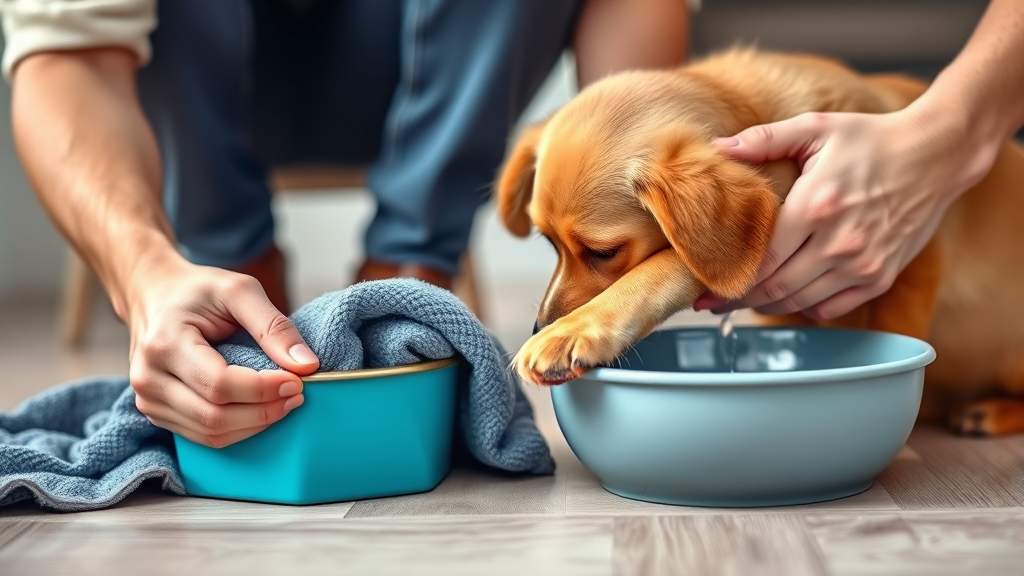
Maintaining healthy paw hygiene doesn’t require eliminating the natural bacteria responsible for Frito feet, but rather managing their growth and maintaining a healthy balance. Regular paw cleaning with gentle, dog-safe products can help reduce excessive bacterial buildup without disrupting the beneficial microbiome. The Humane Society recommends using lukewarm water and mild soap specifically formulated for dogs.
Proper drying techniques are crucial for preventing excessive bacterial growth. After walks in wet conditions or baths, thoroughly dry between your dog’s toes using a clean towel or pet-safe blow dryer on a cool setting. Ensuring paws are completely dry helps prevent the overly moist conditions that can lead to bacterial overgrowth and stronger odors.
Regular nail trimming and hair maintenance around the paws can improve air circulation and reduce areas where moisture and debris can accumulate. Keeping the hair between toes trimmed short allows for better ventilation and makes cleaning more effective. Professional groomers can provide guidance on proper paw maintenance techniques for your specific breed.
For dogs prone to excessive paw licking, implementing how to stop dog from licking paws home remedy strategies can prevent the moisture buildup that intensifies bacterial odors. Additionally, addressing any underlying causes of excessive licking, such as allergies or boredom, is essential for long-term paw health.
Breed-Specific Considerations
Different dog breeds exhibit varying degrees of Frito feet due to their unique paw structures, coat types, and genetic predispositions. Breeds with webbed feet, such as Golden Retrievers and Labradors, may experience stronger paw odors due to the additional surface area and potential for moisture retention between their toes. Similarly, breeds with long hair between their toes may trap more moisture and debris, creating favorable conditions for bacterial growth.
Brachycephalic breeds like Bulldogs and Pugs often have compressed toe structures that can create tight spaces where bacteria thrive with limited air circulation. These breeds may require more frequent paw cleaning and monitoring to prevent bacterial overgrowth. According to PetMD, understanding breed-specific health concerns helps owners provide appropriate preventive care.
Large breed dogs that spend significant time outdoors may encounter more environmental factors that influence their paw microbiome, while smaller indoor dogs might have different bacterial compositions based on their lifestyle and exposure patterns. Working breeds that engage in activities like hunting or hiking may experience seasonal variations in paw odor intensity based on their exposure to different environments.
Some breeds are also more prone to developing secondary issues related to paw health, such as allergies or autoimmune conditions that can alter their normal bacterial balance. Regular monitoring and breed-appropriate care routines can help maintain optimal paw health across different dog types. Additionally, being aware of breed-specific parasites like what do fleas look like on dogs can help identify potential contributors to paw irritation and odor changes.
Frequently Asked Questions
Is it normal for my dog’s paws to smell like corn chips or Fritos?
Yes, it’s completely normal for dogs’ paws to smell like corn chips or Fritos. This distinctive odor comes from naturally occurring bacteria called Pseudomonas and Proteus that live harmlessly between your dog’s toes. These bacteria are part of your dog’s healthy skin microbiome and produce compounds that create the characteristic corn chip scent when they break down organic matter on the paws.
Should I try to eliminate the Frito smell from my dog’s paws?
Generally, you shouldn’t try to completely eliminate this natural odor, as the bacteria responsible for it are beneficial and part of your dog’s healthy skin ecosystem. However, if the smell becomes overwhelmingly strong or changes character, gentle cleaning with dog-safe products can help manage bacterial growth. Focus on maintaining cleanliness and proper drying rather than eliminating the natural microbiome.
When should I be concerned about my dog’s paw odor?
You should consult a veterinarian if the paw odor becomes suddenly much stronger, develops a foul or putrid smell, or is accompanied by symptoms like excessive licking, redness, swelling, discharge, limping, or reluctance to walk. These signs could indicate bacterial infections, fungal issues, allergies, or foreign objects between the toes that require professional treatment.
Can I prevent my dog’s paws from smelling like Fritos?
While you can’t completely prevent this natural odor without disrupting your dog’s healthy bacteria, you can manage its intensity through proper paw hygiene. Regular gentle cleaning, thorough drying after exposure to moisture, keeping nails trimmed, and maintaining good air circulation around the paws can help control bacterial growth and reduce odor intensity.
Do all dogs have Frito-smelling paws?
Most dogs will have some degree of this corn chip odor, but the intensity varies based on individual factors like breed, environment, activity level, and overall health. Some dogs may have barely noticeable odors while others have quite strong Frito scents. Factors like humidity, the surfaces they walk on, and their grooming routine all influence odor intensity.
Is excessive paw licking related to the Frito smell?
Excessive paw licking can intensify the Frito smell by creating additional moisture that promotes bacterial growth, but the natural corn chip odor itself doesn’t typically cause licking. However, if bacterial growth becomes excessive due to constant moisture from licking, it can create a cycle where stronger odors and potential irritation lead to more licking. Understanding how to clean dogs ears and maintaining overall hygiene can help break this cycle.
Can diet affect my dog’s paw odor?
Diet can indirectly influence paw odor by affecting your dog’s overall skin health and immune system, which in turn impacts their skin microbiome. A balanced diet rich in omega-3 fatty acids and essential nutrients supports healthy skin barrier function and may help maintain optimal bacterial balance. However, the primary factors affecting Frito feet are environmental and related to the natural bacteria living between the toes rather than dietary influences.





