

Many dog owners find themselves wondering whether it’s safe to share their favorite dairy treats with their furry companions. The question “can dog eat cheese” is one of the most common inquiries among pet parents, and for good reason. Cheese is a beloved human food that seems harmless enough, but when it comes to our canine friends, the answer isn’t as straightforward as you might think.
While cheese isn’t inherently toxic to dogs like chocolate or grapes, there are several important factors to consider before offering this dairy product to your pet. From lactose intolerance to high fat content, cheese can present both benefits and risks for dogs. Understanding these nuances will help you make informed decisions about incorporating cheese into your dog’s diet safely and responsibly.
Cheese Safety Basics for Dogs
The fundamental question of whether dogs can eat cheese has a nuanced answer that depends on several factors. Generally speaking, most dogs can consume small amounts of certain types of cheese without immediate harm. However, cheese should never be considered a dietary staple for dogs, as their digestive systems are not designed to process dairy products as efficiently as humans.
The primary concern with feeding cheese to dogs stems from the fact that most adult dogs are lactose intolerant to some degree. This means they lack sufficient amounts of the enzyme lactase, which is necessary to properly digest lactose, the sugar found in dairy products. When lactose-intolerant dogs consume cheese, they may experience digestive upset, including diarrhea, gas, and stomach discomfort.
Additionally, cheese is high in fat and calories, which can contribute to weight gain and obesity in dogs if consumed regularly. Some cheeses also contain high levels of sodium, which can be problematic for dogs with heart conditions or kidney issues. According to the American Kennel Club, moderation is key when it comes to sharing cheese with your canine companion.
Understanding Lactose Intolerance in Dogs
Lactose intolerance in dogs is more common than many pet owners realize. Unlike human infants who are born with high levels of lactase enzyme, puppies begin to lose this enzyme as they wean from their mother’s milk. By the time most dogs reach adulthood, their ability to digest lactose has significantly decreased, making dairy products like cheese potentially problematic.
The severity of lactose intolerance varies among individual dogs. Some may be able to tolerate small amounts of low-lactose cheeses without any issues, while others may experience severe digestive distress from even tiny portions. Signs of lactose intolerance in dogs include loose stools, diarrhea, gas, bloating, and stomach gurgling sounds.
It’s worth noting that the lactose content varies significantly among different types of cheese. Aged cheeses like cheddar, Swiss, and Parmesan typically contain less lactose than fresh cheeses because the aging process naturally reduces lactose levels. This is why some dogs may tolerate aged cheeses better than softer, fresher varieties. The American Veterinary Medical Association recommends observing your dog closely after introducing any new food, including cheese.
Safe and Unsafe Cheese Types
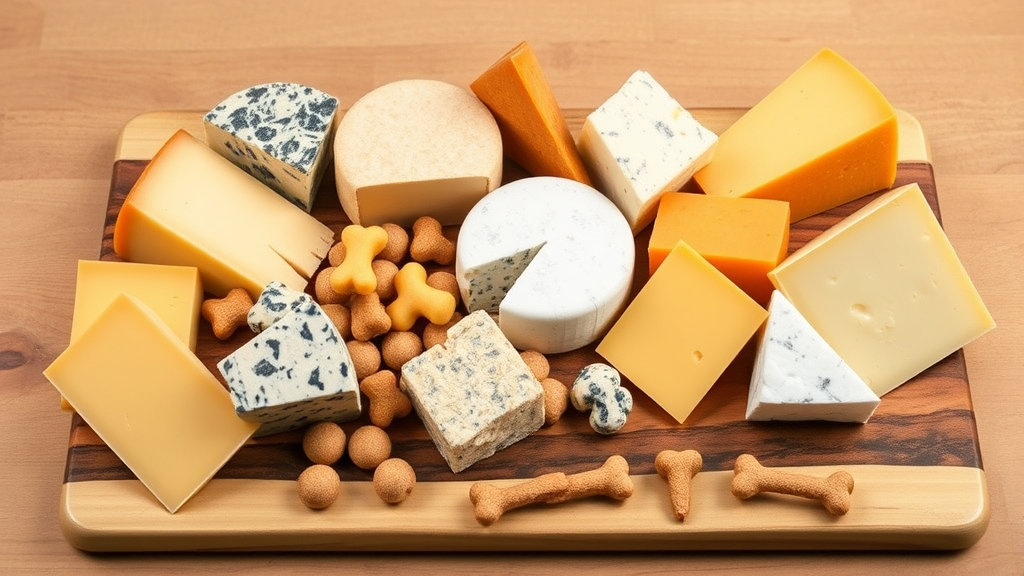
Not all cheeses are created equal when it comes to canine consumption. Some varieties are relatively safer for dogs, while others should be avoided entirely. Understanding which types of cheese are appropriate can help you make better choices for your pet’s health and wellbeing.
Among the safer options for dogs are low-fat, low-sodium cheeses such as cottage cheese and plain mozzarella. These cheeses are generally lower in lactose and fat compared to other varieties. Mozzarella cheese in particular is often well-tolerated by dogs when given in small quantities due to its relatively mild nature and lower sodium content.
Harder, aged cheeses like cheddar, Swiss, and Parmesan can also be acceptable in very small amounts because they contain less lactose. However, these cheeses are typically higher in fat and sodium, so portion control is especially important. String cheese, which is essentially mozzarella, can be a convenient training treat when broken into small pieces.
On the other hand, certain cheeses should be completely avoided. Blue cheeses like Roquefort, Gorgonzola, and Stilton contain compounds that can be toxic to dogs. These cheeses are made with cultures that produce substances called roquefortine C, which can cause vomiting, diarrhea, and even neurological symptoms in dogs. Processed cheese products, cream cheese, and cheese spreads are also poor choices due to their high fat content and artificial additives.
Nutritional Benefits and Concerns
While cheese isn’t necessary for a dog’s diet, it does offer some nutritional benefits when consumed in moderation. Cheese is a good source of protein, which is essential for muscle development and maintenance. It also contains calcium, which supports bone health, and phosphorus, which works alongside calcium for optimal bone strength.
Many cheeses also provide vitamin A, which supports eye health and immune function, and vitamin B12, which is important for nerve function and red blood cell formation. Some aged cheeses contain beneficial probiotics that may support digestive health, though the amounts are typically minimal compared to dedicated probiotic supplements designed for dogs.
However, the nutritional benefits of cheese must be weighed against its potential drawbacks. The high calorie and fat content of most cheeses can quickly add up, contributing to weight gain if not carefully monitored. A single ounce of cheddar cheese contains approximately 115 calories, which represents a significant portion of the daily caloric needs for smaller dogs.
The sodium content in many cheeses is another concern. Dogs require much less sodium than humans, and excessive sodium intake can lead to increased thirst, urination, and in severe cases, sodium ion poisoning. According to the FDA’s guidelines for pet nutrition, treats should make up no more than 10% of a dog’s daily caloric intake.

Proper Serving Sizes and Guidelines
When it comes to feeding cheese to dogs, moderation is absolutely crucial. The appropriate serving size depends on several factors, including your dog’s size, weight, overall health status, and tolerance to dairy products. As a general rule, cheese should be treated as an occasional treat rather than a regular part of your dog’s diet.
For small dogs weighing under 20 pounds, a small cube of cheese (about the size of a dice) once or twice a week is typically sufficient. Medium-sized dogs between 20-50 pounds can handle slightly larger portions, perhaps a few small cubes or a thin slice. Large dogs over 50 pounds may be able to tolerate up to an ounce of cheese occasionally, but this should still be given sparingly.
It’s important to introduce cheese gradually, starting with very small amounts to assess your dog’s tolerance. Begin with just a tiny piece and observe your pet for 24-48 hours for any signs of digestive upset. If your dog tolerates the initial portion well, you can occasionally offer similar amounts, but always maintain moderation.
When using cheese as a training treat, break it into very small pieces to avoid overfeeding. Many dog trainers recommend using cheese sparingly during training sessions, mixing it with other lower-calorie treats to maintain your dog’s interest without excessive calorie intake. Remember that any treats, including cheese, should be factored into your dog’s daily caloric allowance to prevent weight gain.
Potential Health Risks and Warning Signs
While many dogs can enjoy small amounts of appropriate cheeses without issues, there are several health risks to be aware of. The most immediate concern is digestive upset from lactose intolerance, which can manifest as diarrhea, gas, bloating, and stomach discomfort. These symptoms typically appear within a few hours of consumption and may persist for 24-48 hours.
Long-term risks associated with regular cheese consumption include obesity and pancreatitis. The high fat content in cheese can trigger pancreatitis in susceptible dogs, a serious condition that causes inflammation of the pancreas. Symptoms of pancreatitis include vomiting, loss of appetite, abdominal pain, and lethargy. Dogs with a history of pancreatitis should avoid cheese entirely.
Some dogs may also develop food allergies or sensitivities to dairy proteins over time. Unlike lactose intolerance, which is a digestive issue, dairy allergies involve the immune system and can cause symptoms such as skin irritation, itching, ear infections, and gastrointestinal problems. If you notice any of these symptoms after feeding cheese to your dog, discontinue immediately and consult your veterinarian.
The high sodium content in many cheeses can be particularly problematic for dogs with kidney disease, heart conditions, or high blood pressure. These dogs should avoid cheese altogether or only consume it under strict veterinary supervision. The ASPCA’s Animal Poison Control provides comprehensive information about foods that can be problematic for pets.
Healthy Alternatives to Cheese
If you’re looking for healthy alternatives to cheese that can still serve as special treats for your dog, there are numerous options that provide nutritional benefits without the potential drawbacks of dairy products. Greek yogurt is one alternative that many dogs tolerate better than cheese, as it contains less lactose and more probiotics.
For dogs that enjoy dairy-like treats, consider exploring whether dogs can drink milk or have milk alternatives. Lactose-free dairy products designed for humans can sometimes be appropriate for dogs in small quantities, though they should still be introduced carefully.
Non-dairy alternatives that dogs typically love include small pieces of cooked chicken, carrots, apple slices (without seeds), blueberries, and green beans. These options provide nutritional benefits while being lower in calories and easier to digest than cheese. Frozen treats made from pureed fruits and vegetables can also provide the same satisfying experience as cheese treats.
Commercial dog treats are formulated specifically for canine nutritional needs and digestive capabilities. Many high-quality dog treats offer the same palatability as cheese while providing balanced nutrition. Look for treats with simple, recognizable ingredients and avoid those with excessive artificial additives or preservatives. The Humane Society offers excellent guidance on selecting appropriate treats for dogs.
Frequently Asked Questions
Can all dogs eat cheese safely?
Not all dogs can safely consume cheese. Most adult dogs are lactose intolerant to some degree, and individual tolerance varies significantly. Dogs with dairy allergies, pancreatitis, kidney disease, or heart conditions should avoid cheese entirely. Even healthy dogs should only consume cheese in very small amounts as an occasional treat.
What types of cheese are safest for dogs?
The safest cheese options for dogs include low-fat, low-sodium varieties such as cottage cheese and plain mozzarella. Aged cheeses like cheddar and Swiss contain less lactose but are higher in fat and sodium. Blue cheeses and processed cheese products should be completely avoided due to their toxic compounds and artificial additives.
How much cheese can I give my dog?
Cheese serving sizes should be very small and infrequent. Small dogs under 20 pounds should receive no more than a dice-sized cube once or twice weekly. Medium dogs can have a few small cubes, while large dogs may tolerate up to an ounce occasionally. Always introduce cheese gradually and monitor for adverse reactions.
What are the signs that my dog can’t tolerate cheese?
Signs of cheese intolerance in dogs include diarrhea, loose stools, excessive gas, bloating, stomach gurgling, vomiting, and general digestive discomfort. These symptoms typically appear within hours of consumption. If you notice any of these signs, discontinue cheese feeding and consult your veterinarian if symptoms persist.
Can cheese cause pancreatitis in dogs?
Yes, the high fat content in cheese can trigger pancreatitis in susceptible dogs. This serious condition causes pancreatic inflammation and symptoms including vomiting, loss of appetite, abdominal pain, and lethargy. Dogs with a history of pancreatitis should avoid cheese completely, and any dog showing these symptoms after eating cheese requires immediate veterinary attention.
Are there any nutritional benefits to giving dogs cheese?
Cheese does provide some nutritional benefits including protein for muscle maintenance, calcium and phosphorus for bone health, and vitamins A and B12. However, these nutrients are readily available in high-quality dog foods, making cheese nutritionally unnecessary. The potential risks often outweigh the minimal benefits for most dogs.
What should I do if my dog ate a large amount of cheese?
If your dog consumed a large quantity of cheese, monitor them closely for signs of digestive upset or more serious symptoms like vomiting or severe diarrhea. Ensure they have access to fresh water and contact your veterinarian for guidance, especially if symptoms develop or your dog has underlying health conditions. The Pet Poison Helpline can also provide immediate assistance if needed.





