
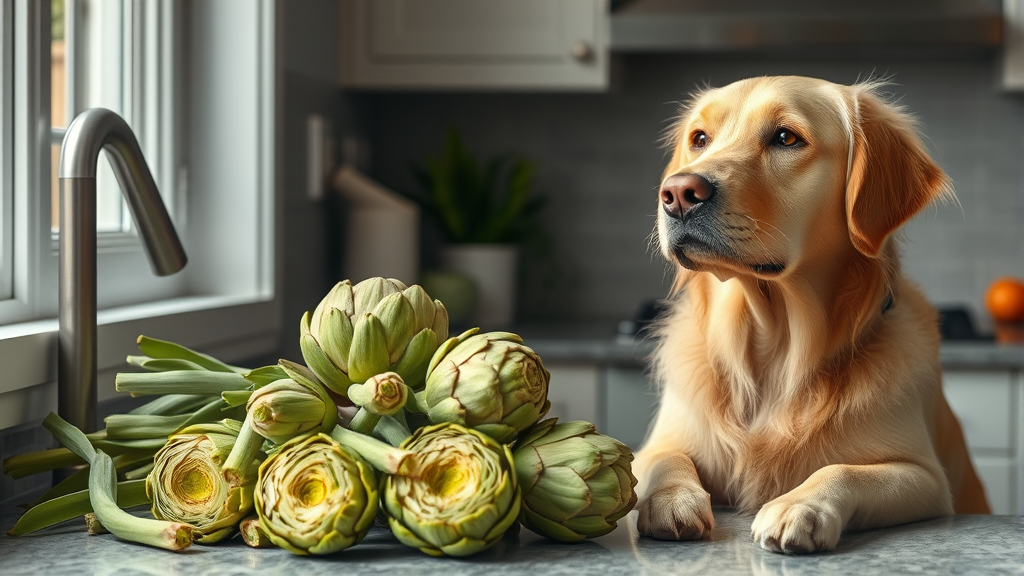
As responsible pet parents, we often find ourselves questioning whether certain human foods are safe for our furry companions. When it comes to artichokes, this Mediterranean vegetable presents an interesting case that many dog owners wonder about. These unique, thistle-like vegetables are packed with nutrients and offer numerous health benefits for humans, but the question remains: can dogs safely enjoy artichokes too?
Understanding what foods are safe for dogs is crucial for maintaining their health and preventing potentially dangerous situations. While some vegetables can be excellent additions to your dog’s diet, others can cause digestive upset or even toxicity. Artichokes fall into a category that requires careful consideration, as they’re generally safe but come with specific preparation requirements and potential concerns that every dog owner should understand.
In this comprehensive guide, we’ll explore everything you need to know about feeding artichokes to your canine companion, including the nutritional benefits, potential risks, proper preparation methods, and expert recommendations to help you make informed decisions about your dog’s diet.
Are Artichokes Safe for Dogs?
The good news for dog owners is that artichokes are generally safe for dogs to consume when properly prepared. According to the ASPCA’s list of toxic and non-toxic plants, artichokes are not listed among the plants that are harmful to dogs. However, this doesn’t mean you should simply toss a whole artichoke to your pup without consideration.
The key to safely feeding artichokes to dogs lies in proper preparation and moderation. Raw artichokes can be difficult for dogs to digest and may cause gastrointestinal upset. The tough, fibrous leaves and the sharp points can also pose choking hazards or cause internal irritation if consumed improperly. Additionally, the preparation method matters significantly – artichokes cooked with garlic, onions, or excessive salt can be harmful to dogs.
Veterinary experts generally agree that plain, cooked artichoke hearts are the safest option for dogs. The American Veterinary Medical Association emphasizes the importance of introducing new foods gradually and in small quantities to monitor for any adverse reactions.
Nutritional Benefits of Artichokes for Dogs
Artichokes are nutritional powerhouses that can offer several health benefits for dogs when incorporated appropriately into their diet. These vegetables are rich in fiber, which can support healthy digestion and help maintain regular bowel movements. The high fiber content also contributes to feelings of satiety, which can be beneficial for dogs that need to maintain a healthy weight.
One of the most significant nutritional components of artichokes is their antioxidant content. These compounds help combat free radicals in the body, potentially reducing inflammation and supporting overall immune system function. Artichokes contain vitamin C, vitamin K, and folate, all of which play important roles in maintaining cellular health and supporting various bodily functions.
The vegetable also provides minerals such as potassium and magnesium, which are essential for proper muscle and nerve function. Additionally, artichokes contain cynarin, a compound that may support liver health and aid in digestion. However, it’s important to note that while these nutrients can be beneficial, dogs should receive the majority of their nutritional needs from a balanced, species-appropriate diet rather than relying on supplemental vegetables.
Potential Risks and Concerns
Despite their nutritional benefits, artichokes do present several potential risks for dogs that owners must consider. The most immediate concern is the choking hazard posed by the tough, fibrous leaves and the sharp, pointed tips. These parts of the artichoke are not only difficult to digest but can also cause physical harm if swallowed whole or in large pieces.
Digestive upset is another common concern when dogs consume artichokes. The high fiber content, while beneficial in appropriate amounts, can cause diarrhea, gas, or stomach discomfort if consumed in excess or if your dog has a sensitive stomach. Dogs with existing gastrointestinal issues should be particularly cautious when introducing new foods like artichokes.
The preparation method also introduces potential risks. Many human preparations of artichokes include ingredients that are toxic to dogs, such as garlic and onions. Butter, salt, and various seasonings commonly used in artichoke recipes can also be harmful to dogs in large quantities. Always ensure that any artichoke given to your dog is plain and free from these potentially dangerous additives.
Some dogs may also have individual sensitivities or allergies to artichokes, though this is relatively uncommon. Just as with other vegetables like broccoli, it’s essential to introduce artichokes gradually and monitor your dog for any signs of adverse reactions.
How to Properly Prepare Artichokes for Dogs
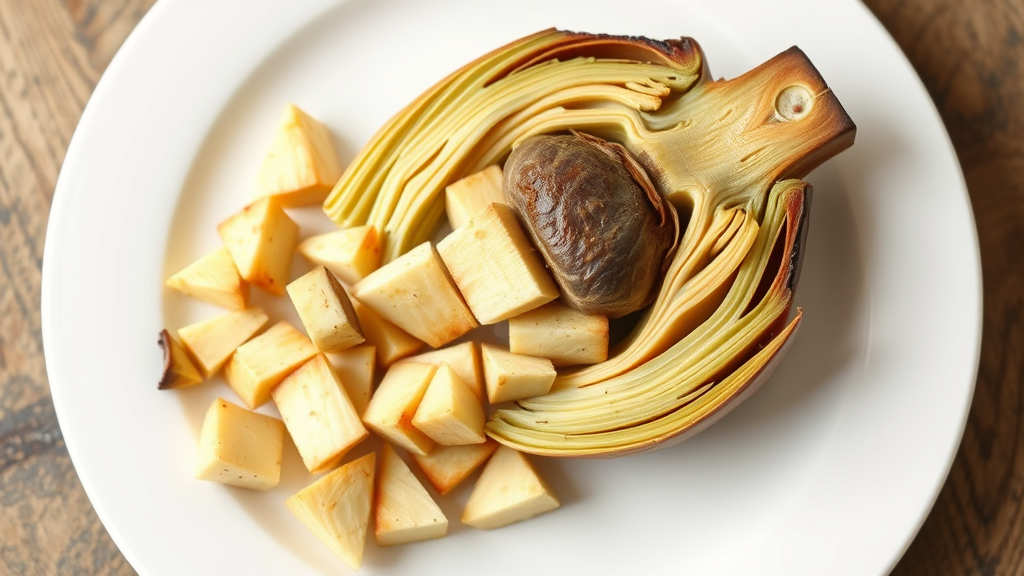
Proper preparation is crucial when offering artichokes to your dog. The safest approach is to focus on the artichoke heart, which is the tender, meaty portion at the base of the vegetable. Begin by removing all the tough outer leaves, which can be difficult to digest and may pose choking hazards. The fibrous choke portion should also be completely removed, as it can cause digestive irritation.
Steaming or boiling is the recommended cooking method for preparing artichokes for dogs. Avoid using any seasonings, oils, butter, or salt during the cooking process. Simply cook the artichoke hearts until they’re tender enough to be easily mashed with a fork. This ensures that the vegetable is soft enough for your dog to digest safely while retaining most of its nutritional value.
Once cooked, allow the artichoke to cool completely before offering it to your dog. Cut the artichoke heart into small, appropriate-sized pieces based on your dog’s size – smaller pieces for smaller dogs and larger pieces for bigger breeds. Always supervise your dog while they’re eating to ensure they’re chewing properly and not attempting to swallow large pieces.
Never feed your dog canned artichoke hearts that are marinated or packed in oil, as these often contain garlic, onions, and excessive sodium. If you choose to use canned artichoke hearts, select those packed in water and rinse them thoroughly before cooking to remove any excess sodium.
Serving Size and Frequency Guidelines
When it comes to serving artichokes to your dog, moderation is key. Even safe foods can cause problems if given in excessive quantities. For most dogs, artichokes should be considered an occasional treat rather than a regular part of their diet. The general rule of thumb is that treats and additional foods should not exceed 10% of your dog’s daily caloric intake.
For small dogs (under 25 pounds), a few small pieces of cooked artichoke heart once or twice per week is sufficient. Medium-sized dogs (25-60 pounds) can handle slightly larger portions, while large dogs (over 60 pounds) can safely consume up to a quarter of an artichoke heart as an occasional treat. Always start with very small amounts when first introducing artichokes to assess your dog’s tolerance.
The frequency of feeding is just as important as the portion size. PetMD recommends introducing new foods gradually over several days to monitor for any adverse reactions. If your dog tolerates artichokes well, they can be offered as an occasional healthy treat, but should never replace their regular, balanced dog food.
Keep in mind that individual dogs may have different tolerance levels, and factors such as age, size, health status, and digestive sensitivity can all influence how well your dog handles new foods. Senior dogs or those with compromised digestive systems may need smaller portions or may not be suitable candidates for artichoke treats at all.
Alternative Vegetables for Dogs
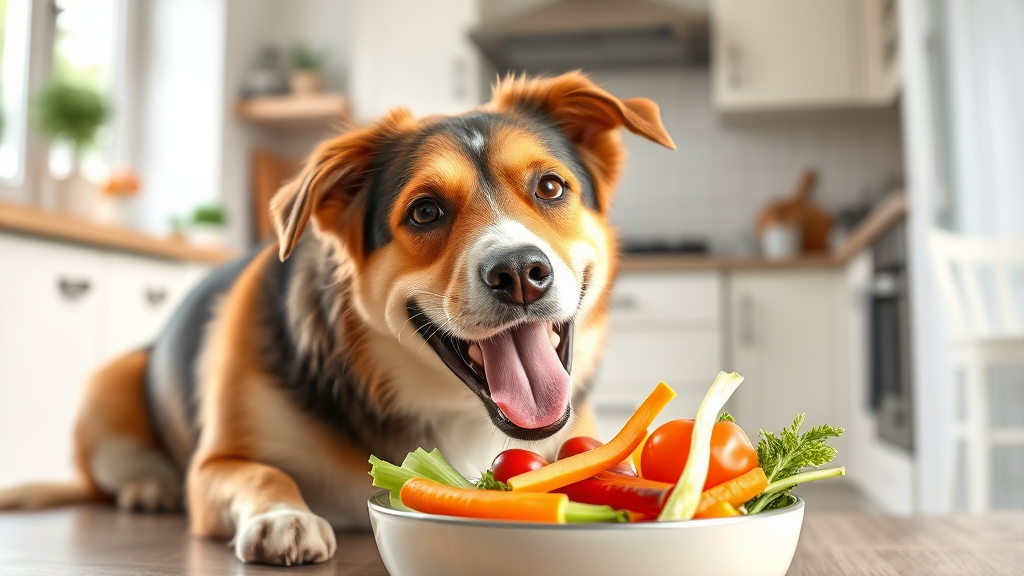
If you’re looking to add variety to your dog’s diet with safe vegetables, there are several excellent alternatives to artichokes that may be easier to prepare and digest. Cauliflower is an excellent option that’s rich in vitamins and minerals while being gentler on the digestive system than artichokes.
Green vegetables like Brussels sprouts and asparagus can provide similar nutritional benefits to artichokes when properly prepared. These vegetables are often more readily accepted by dogs and are easier to prepare safely. Spinach is another nutrient-dense option, though it should be given in moderation due to its oxalate content.
For dogs who enjoy leafy greens, collard greens can be an excellent choice when cooked plain and served in appropriate portions. Okra provides similar fiber benefits to artichokes but is often easier to digest and prepare safely for dogs.
When exploring vegetable options, it’s important to research each one thoroughly. Some vegetables like eggplant require special consideration due to their solanine content. The FDA provides guidance on foods that can be hazardous to dogs, which can help you make informed decisions about your pet’s diet.
Signs to Watch For After Feeding Artichokes
After introducing artichokes to your dog’s diet, it’s crucial to monitor them closely for any signs of adverse reactions. The most common symptoms to watch for include gastrointestinal upset, which may manifest as vomiting, diarrhea, excessive gas, or loss of appetite. These symptoms typically appear within a few hours to a day after consumption.
Behavioral changes can also indicate that your dog is experiencing discomfort from eating artichokes. Watch for signs of lethargy, restlessness, or unusual hiding behavior. Some dogs may also exhibit excessive drooling or pawing at their mouth if they’re experiencing oral discomfort from poorly prepared artichoke pieces.
More serious symptoms that warrant immediate veterinary attention include severe vomiting or diarrhea, signs of choking or difficulty swallowing, bloating, or any indication of intestinal blockage such as straining without producing stool. While these severe reactions are uncommon with properly prepared artichokes, they can occur if large pieces are consumed or if your dog has particular sensitivities.
According to the Humane Society, it’s always better to err on the side of caution when it comes to your pet’s health. If you notice any concerning symptoms after feeding your dog artichokes, contact your veterinarian promptly for guidance on whether immediate treatment is necessary.
Frequently Asked Questions
Can dogs eat raw artichokes?
Raw artichokes are not recommended for dogs. They are extremely difficult to digest and can cause gastrointestinal upset, choking hazards, and potential intestinal blockage. The tough, fibrous texture and sharp leaf tips make raw artichokes particularly dangerous. Always cook artichokes thoroughly and remove all inedible parts before offering them to your dog.
Are canned artichoke hearts safe for dogs?
Canned artichoke hearts can be safe for dogs, but only if they are packed in water without added seasonings, salt, or preservatives. Avoid any canned artichokes that are marinated, contain garlic or onions, or are packed in oil. Always rinse canned artichoke hearts thoroughly before serving and cook them plain to ensure they’re safe for your dog.
How much artichoke can I give my dog?
The amount of artichoke safe for your dog depends on their size and individual tolerance. Small dogs should receive only a few small pieces once or twice per week, while larger dogs can handle up to a quarter of an artichoke heart as an occasional treat. Always start with very small amounts and monitor for any adverse reactions before increasing the portion size.
What parts of the artichoke are safe for dogs?
Only the artichoke heart (the tender, meaty base) is safe for dogs when properly cooked. The tough outer leaves, the fibrous choke, and the stem should never be given to dogs as they pose choking hazards and can cause digestive problems. Always remove these parts completely and only offer the soft, cooked heart portion.
Can artichokes cause allergic reactions in dogs?
While uncommon, some dogs may be sensitive or allergic to artichokes. Signs of an allergic reaction can include itching, skin irritation, vomiting, diarrhea, or difficulty breathing. If you notice any of these symptoms after feeding your dog artichokes, discontinue feeding them immediately and consult your veterinarian for proper evaluation and treatment.
Are there any health conditions that make artichokes unsafe for dogs?
Dogs with certain health conditions should avoid artichokes or consume them only under veterinary supervision. These include dogs with pancreatitis, inflammatory bowel disease, kidney problems, or those prone to urinary stones. The high fiber content may also be problematic for dogs with sensitive digestive systems or those recovering from gastrointestinal surgery.
How should I introduce artichokes to my dog’s diet?
Introduce artichokes gradually by offering a very small piece of cooked artichoke heart and monitoring your dog for 24-48 hours for any adverse reactions. If your dog tolerates it well, you can gradually increase the portion size to an appropriate amount for their size. Never introduce multiple new foods at once, as this makes it difficult to identify which food may be causing problems if issues arise.





