
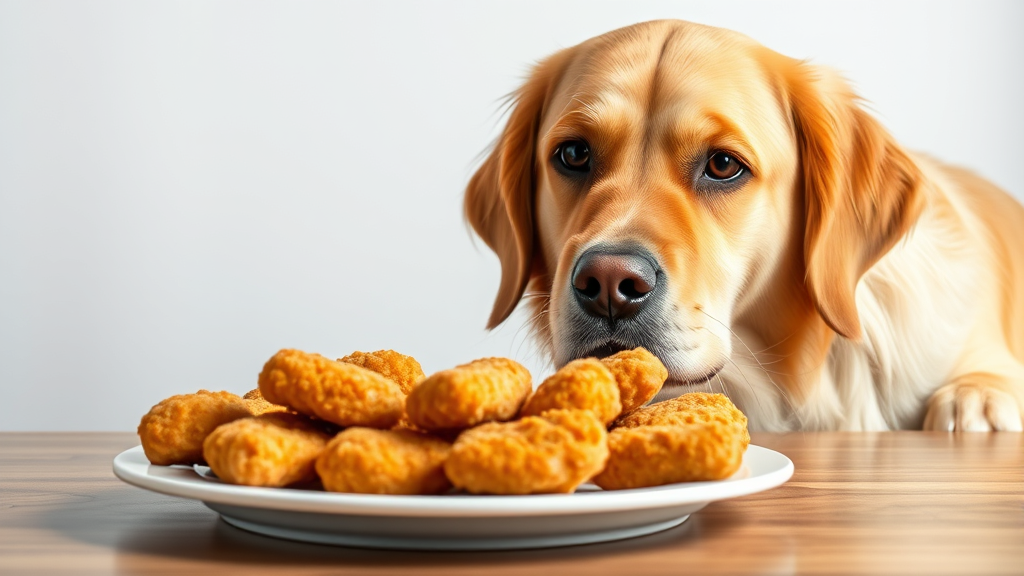
As a loving dog owner, you’ve probably found yourself sharing a meal with your furry companion, and the question inevitably arises: can dogs eat chicken nuggets? While that adorable begging face might be hard to resist, it’s crucial to understand the potential risks and benefits before offering your pup a bite of your favorite fast-food treat.
Chicken nuggets are a popular human food that many pet parents consider sharing with their dogs, especially since chicken is generally safe for canines. However, the processed nature of commercial chicken nuggets, combined with their high sodium content, artificial additives, and cooking methods, raises important safety concerns that every responsible dog owner should understand.
Understanding Chicken Nugget Ingredients
Commercial chicken nuggets contain far more than just chicken meat, and understanding these ingredients is essential for making informed decisions about your dog’s diet. Most processed chicken nuggets are made with mechanically separated chicken, which includes not just muscle meat but also cartilage, skin, and sometimes bone fragments. This processed meat is then combined with various binding agents, preservatives, and flavor enhancers.
The breading on chicken nuggets typically contains wheat flour, which can be problematic for dogs with grain sensitivities or celiac disease. Additionally, the seasoning blend often includes onion powder and garlic powder, both of which are toxic to dogs and can cause serious health complications including anemia and digestive upset.
Sodium levels in commercial chicken nuggets are particularly concerning for canine consumption. A single serving can contain 400-600mg of sodium, which far exceeds the recommended daily intake for dogs. The American Veterinary Medical Association emphasizes that excessive sodium intake can lead to dehydration, kidney problems, and cardiovascular issues in dogs.
Preservatives such as BHA, BHT, and sodium phosphates are commonly added to extend shelf life but offer no nutritional benefit to dogs and may potentially cause adverse reactions in sensitive animals. These chemical additives can accumulate in your dog’s system over time, potentially leading to long-term health concerns.
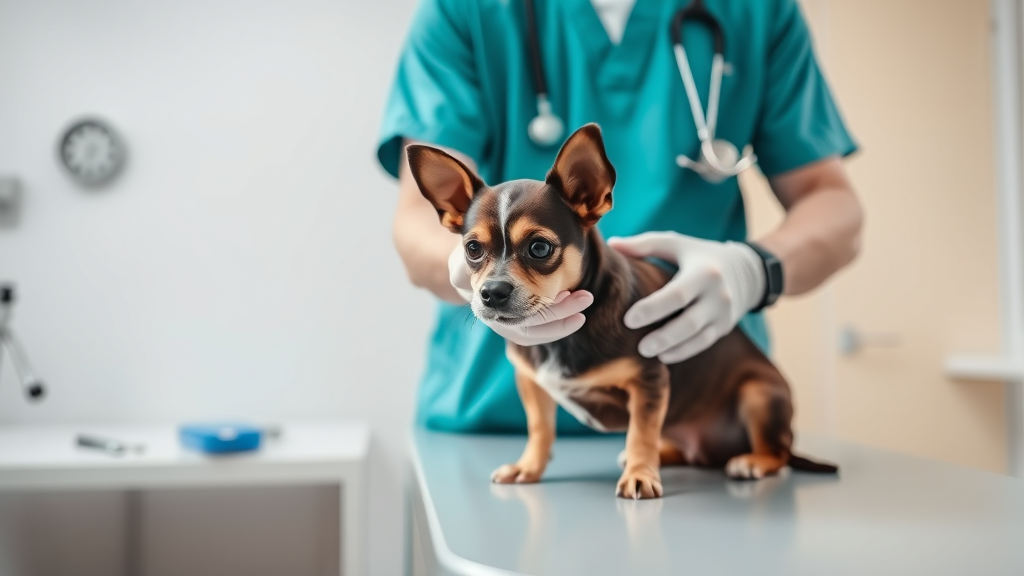
Potential Health Risks for Dogs
The high fat content in chicken nuggets poses significant health risks for dogs, particularly those prone to pancreatitis. The deep-frying process used to cook most commercial nuggets creates trans fats and increases the overall caloric density, which can contribute to obesity and related health problems. Dogs require a balanced diet with appropriate fat ratios, and the excessive fat in nuggets can disrupt this balance.
Digestive upset is one of the most immediate concerns when dogs consume chicken nuggets. The combination of high fat, sodium, and artificial additives can trigger vomiting, diarrhea, and stomach pain. Some dogs may experience more severe reactions, including gastritis or inflammatory bowel symptoms that require veterinary intervention.
The toxic ingredients found in many chicken nuggets, particularly onion and garlic powder, can cause oxidative damage to red blood cells in dogs. This condition, known as hemolytic anemia, can be life-threatening and may not show symptoms immediately. Even small amounts of these ingredients can be harmful, especially to smaller dog breeds or those with existing health conditions.
Long-term consumption of processed foods like chicken nuggets can contribute to chronic health issues in dogs. The FDA’s Center for Veterinary Medicine warns that high-sodium, high-fat diets can increase the risk of heart disease, kidney dysfunction, and joint problems in canines.
Unlike safer protein options such as ground turkey or scrambled eggs, chicken nuggets offer little nutritional value while introducing multiple risk factors that can compromise your dog’s health and wellbeing.
Safe Chicken Alternatives for Your Dog
Instead of sharing your chicken nuggets, consider offering your dog plain, cooked chicken breast or thigh meat without seasoning. Learning how to boil chicken for dogs provides a safe, nutritious protein source that most dogs love and can easily digest.
Grilled or baked chicken pieces make excellent training treats when cut into small, manageable sizes. Remove all skin, bones, and visible fat before serving, as these can pose choking hazards or digestive issues. The American Kennel Club recommends plain chicken as one of the safest human foods to share with dogs when prepared properly.
Commercial dog treats made with chicken offer another safe alternative that provides the flavor dogs crave without the harmful additives found in human food. Look for treats with minimal ingredients and no artificial preservatives, colors, or flavors. Many high-quality dog treats use freeze-dried chicken or chicken meal as primary ingredients.
If you’re looking to diversify your dog’s protein sources, consider other safe options like fish or cooked shrimp, which provide different nutritional profiles and flavors. However, always introduce new proteins gradually and in small amounts to monitor for any adverse reactions.

Portion Control and Feeding Guidelines
If you absolutely must give your dog a small piece of chicken nugget as an occasional treat, portion control becomes critically important. The general rule for dog treats is that they should comprise no more than 10% of your dog’s daily caloric intake. For most dogs, this means a tiny piece of nugget – perhaps equivalent to a few small crumbs – would be the maximum safe amount.
Consider your dog’s size, age, and health status when determining appropriate portions. Smaller breeds require proportionally smaller amounts, while puppies and senior dogs may be more sensitive to dietary changes. Dogs with existing health conditions, particularly those affecting the digestive system, kidneys, or heart, should avoid chicken nuggets entirely.
The frequency of offering any human food treats should be limited to prevent digestive upset and maintain a balanced diet. PetMD’s nutrition experts recommend spacing human food treats at least several days apart and always monitoring your dog’s reaction.
Remember that dogs have different caloric needs than humans, and their digestive systems are designed for specific types of nutrition. What might seem like a small treat to you could represent a significant portion of your dog’s daily nutritional requirements, potentially leading to imbalanced nutrition over time.
Warning Signs and When to Call Your Vet
Knowing the warning signs of food-related illness in dogs can help you respond quickly if your pet has consumed chicken nuggets or other inappropriate foods. Immediate symptoms to watch for include vomiting, diarrhea, excessive drooling, lethargy, and loss of appetite. These signs typically appear within 2-12 hours of consumption.
More serious symptoms that require immediate veterinary attention include difficulty breathing, pale gums, weakness, collapse, or signs of severe abdominal pain such as a hunched posture or reluctance to move. These could indicate more serious conditions like pancreatitis or toxicity from ingredients like onion or garlic powder.
Dehydration is another serious concern, particularly if your dog experiences vomiting or diarrhea after consuming high-sodium foods like chicken nuggets. Signs of dehydration include dry gums, skin tenting when gently pinched, and decreased urination. The Humane Society provides excellent guidance on recognizing poisoning symptoms in pets.
Keep your veterinarian’s contact information and the nearest emergency animal hospital number readily available. If you suspect your dog has consumed a large amount of chicken nuggets or is showing concerning symptoms, don’t wait to see if they improve – contact your vet immediately for professional guidance.
Document what your dog ate, including the approximate amount and time of consumption, as this information will be valuable for your veterinary team in determining the best course of treatment.
Homemade Dog-Friendly Chicken Treats
Creating homemade chicken treats allows you to control exactly what ingredients your dog consumes while still providing the flavors they love. Simple baked chicken breast pieces, seasoned only with dog-safe herbs like parsley or a small amount of plain rice, make excellent alternatives to commercial nuggets.
Consider making chicken and sweet potato bites by combining finely minced cooked chicken with mashed sweet potato and forming small balls that can be baked until firm. These provide nutritional benefits while satisfying your dog’s desire for something special. Sweet potatoes are rich in vitamins A and C, fiber, and potassium, making them an excellent addition to homemade dog treats.
Dehydrated chicken strips offer another healthy alternative that many dogs find irresistible. Simply slice chicken breast into thin strips and use a food dehydrator or low-temperature oven to remove moisture, creating a chewy treat that’s shelf-stable and free from harmful additives.
When preparing homemade treats, always avoid ingredients that are toxic to dogs, including onions, garlic, excessive salt, and artificial sweeteners. The ASPCA’s poison control center maintains a comprehensive list of foods that are dangerous for pets.
Store homemade treats properly in airtight containers in the refrigerator for up to a week, or freeze portions for longer storage. Always check treats for signs of spoilage before offering them to your dog, as homemade items lack the preservatives that extend commercial treat shelf life.
Frequently Asked Questions
Can dogs eat chicken nuggets from McDonald’s or other fast food restaurants?
Fast food chicken nuggets are particularly problematic for dogs due to their high sodium content, artificial additives, and toxic seasonings like onion and garlic powder. These nuggets often contain even more preservatives and chemicals than frozen varieties, making them unsuitable for canine consumption. It’s best to avoid all fast food nuggets when it comes to your dog’s diet.
What should I do if my dog accidentally ate a whole chicken nugget?
If your dog consumed an entire chicken nugget, monitor them closely for the next 12-24 hours for signs of digestive upset such as vomiting, diarrhea, or lethargy. Ensure they have access to fresh water and contact your veterinarian if you notice any concerning symptoms. Most dogs will experience only mild stomach upset from a single nugget, but individual reactions can vary based on size and sensitivity.
Are homemade chicken nuggets safer for dogs than store-bought ones?
Homemade chicken nuggets can be safer if prepared without harmful ingredients like onion, garlic, excessive salt, or artificial additives. However, they still pose risks due to breading and frying methods. Plain, cooked chicken without breading or seasoning remains the safest option for dogs. If making homemade nuggets, use minimal ingredients and avoid deep frying.
How often can I give my dog chicken nuggets as a treat?
Veterinarians strongly recommend avoiding chicken nuggets entirely as dog treats due to their high sodium, fat content, and potentially toxic ingredients. Instead, offer plain cooked chicken or commercial dog treats designed specifically for canines. If you must occasionally share a tiny piece, limit it to extremely rare occasions and monitor your dog’s reaction carefully.
Can chicken nuggets cause pancreatitis in dogs?
Yes, the high fat content in chicken nuggets can trigger pancreatitis, especially in dogs predisposed to this condition. Pancreatitis is a serious inflammatory condition that can be life-threatening and requires immediate veterinary care. Dogs with a history of pancreatitis should never be given fatty foods like chicken nuggets, similar to why dogs shouldn’t eat bacon or other high-fat processed meats.
What ingredients in chicken nuggets are most dangerous for dogs?
The most dangerous ingredients include onion and garlic powder, which can cause anemia, and excessive sodium, which can lead to salt poisoning. Artificial preservatives, high fat content, and wheat-based breading can also cause problems for sensitive dogs. These ingredients make nuggets particularly risky compared to safer processed snacks, unlike the concerns with pretzels for dogs.
Are there any chicken nuggets specifically made for dogs?
Yes, several pet food companies manufacture dog-friendly “nugget” style treats made with chicken. These products are formulated specifically for canine nutrition and avoid harmful ingredients like onion, garlic, and excessive sodium. Look for treats from reputable pet food manufacturers that list chicken as the primary ingredient and avoid artificial preservatives and colors. These are much safer alternatives to human chicken nuggets.





