

As dog owners, we often find ourselves wondering whether our favorite snacks can be safely shared with our four-legged companions. Crackers, being one of the most common pantry staples, frequently catch our attention as potential treats for our pets. While the simple answer to “can dogs eat crackers” isn’t a straightforward yes or no, understanding the nuances of this question can help you make informed decisions about your dog’s diet and safety.
The relationship between dogs and human food is complex, requiring careful consideration of ingredients, nutritional value, and potential health impacts. Crackers come in countless varieties, from plain saltines to cheese-filled delights, each presenting different considerations for canine consumption. Before reaching for that sleeve of crackers to share with your pup, it’s essential to understand which types are safe, which should be avoided entirely, and how to incorporate them responsibly into your dog’s treat routine.
Understanding Crackers and Their Ingredients
To determine whether crackers are safe for dogs, we must first examine what goes into these popular snacks. Most crackers contain basic ingredients like flour, water, salt, and oil, but modern varieties often include a complex array of additives, seasonings, and preservatives that can pose risks to canine health.
The primary concern with most commercial crackers is their high sodium content. Dogs require significantly less salt than humans, and excessive sodium intake can lead to serious health complications including dehydration, kidney problems, and elevated blood pressure. According to the FDA’s guidelines on pet nutrition, dogs should consume no more than 0.3% sodium in their daily diet, which is far less than what’s found in most human snacks.
Additionally, many crackers contain artificial preservatives, flavor enhancers, and colorings that, while generally safe for humans, can cause digestive upset or allergic reactions in dogs. Some crackers also include garlic powder, onion powder, or other seasonings that are toxic to dogs even in small amounts.
Safe Crackers for Dogs
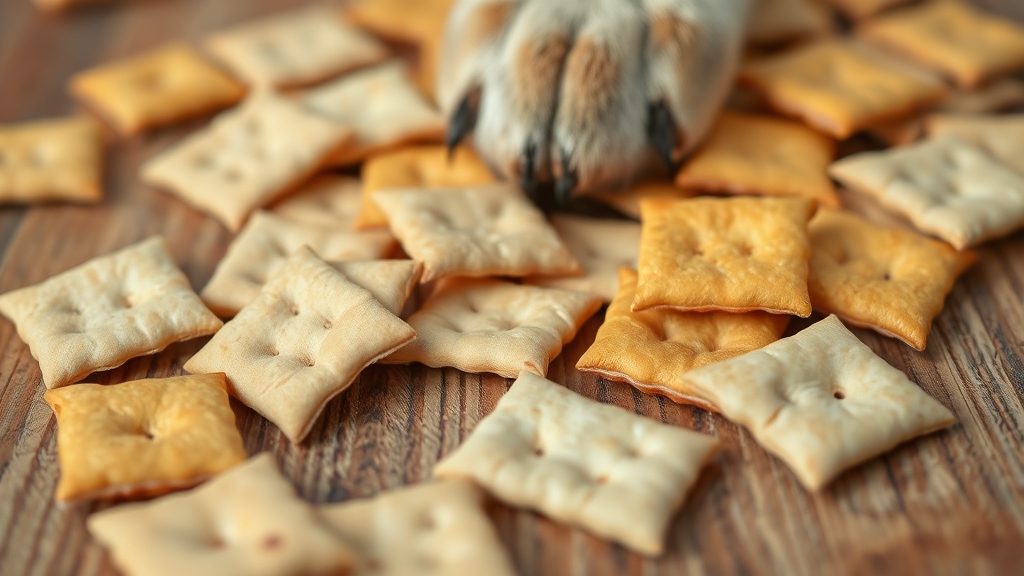
While most crackers aren’t ideal for dogs, some varieties can be offered occasionally as treats when given in moderation. Plain, unsalted crackers made with minimal ingredients are generally the safest option. These include basic water crackers or plain rice crackers that contain no added salt, seasonings, or artificial additives.
Whole grain crackers without added salt can also be acceptable in small quantities, as they provide some nutritional benefits like fiber and B vitamins. However, it’s crucial to read ingredient labels carefully and avoid any crackers containing xylitol, an artificial sweetener that is extremely toxic to dogs.
When considering can dogs eat graham crackers, the answer becomes more complex due to their sugar content and additional ingredients. Similarly, questions about whether can dogs have graham crackers require careful consideration of the specific recipe and your dog’s individual dietary needs.
Even with “safe” crackers, moderation is key. The American Kennel Club recommends that treats should make up no more than 10% of a dog’s daily caloric intake, and crackers should be considered an occasional indulgence rather than a regular part of their diet.
Crackers to Avoid
Many popular cracker varieties pose significant risks to dogs and should be avoided entirely. Cheese crackers, including popular brands like Cheez-Its, contain high levels of sodium, artificial cheese flavoring, and preservatives that can cause digestive upset and other health issues. The question of can dogs eat cheez its has a clear answer: they should be avoided due to their high sodium and artificial ingredient content.
Flavored crackers with seasonings like garlic, onion, or herbs are particularly dangerous. Garlic and onion, even in powdered form, can cause hemolytic anemia in dogs, a serious condition that destroys red blood cells. Ranch-flavored, barbecue, or other seasoned crackers often contain these toxic ingredients along with excessive salt and artificial additives.
Crackers containing chocolate chips, nuts, or seeds should also be strictly avoided. Chocolate is toxic to dogs, and certain nuts like macadamias can cause neurological symptoms. Additionally, seeds and nuts can pose choking hazards, especially for smaller dogs.
Similar concerns apply when considering can dogs eat pretzels or whether can dogs have pretzels, as these snacks typically contain even higher levels of salt than regular crackers.
Nutritional Impact and Portion Control
From a nutritional standpoint, crackers offer little benefit to dogs. Unlike their carefully formulated dog food, crackers are primarily empty calories that provide minimal vitamins, minerals, or other essential nutrients that dogs need for optimal health. The American Veterinary Medical Association emphasizes the importance of maintaining a balanced diet for dogs, and frequent treats like crackers can disrupt this balance.
Dogs have different nutritional requirements than humans, needing higher levels of protein and specific amino acids while requiring fewer carbohydrates. Crackers are typically high in refined carbohydrates and can contribute to weight gain, dental problems, and blood sugar fluctuations in dogs.
If you choose to give your dog crackers occasionally, portion control is essential. For small dogs (under 25 pounds), no more than half a plain cracker should be offered. Medium dogs (25-60 pounds) can have up to one whole cracker, while large dogs (over 60 pounds) might safely consume two small crackers. These portions should be given no more than once or twice per week.

Safe Feeding Guidelines
When introducing any new food to your dog’s diet, including crackers, it’s important to follow safe feeding practices. Start with tiny amounts to observe your dog’s reaction, as some dogs may be more sensitive to new foods than others. Watch for signs of digestive upset, including vomiting, diarrhea, or excessive gas, which may indicate that crackers don’t agree with your pet’s system.
Always break crackers into appropriate sizes to prevent choking, especially for smaller dogs or those who tend to gulp their food quickly. Remove any visible salt crystals from the surface of crackers before offering them to your dog, and ensure fresh water is always available.
Never use crackers as a meal replacement or primary treat. Instead, reserve them for special occasions or use tiny pieces as high-value training rewards when appropriate. The ASPCA recommends maintaining consistency in your dog’s diet and introducing new foods gradually to avoid digestive issues.
It’s also worth considering your dog’s individual health status. Dogs with diabetes, kidney disease, heart conditions, or food allergies should avoid crackers entirely unless specifically approved by a veterinarian. Senior dogs and those with sensitive stomachs may also be more susceptible to digestive upset from human foods.
Healthy Alternatives to Crackers
Rather than sharing crackers with your dog, consider offering healthier alternatives that provide nutritional benefits while satisfying their desire for crunchy snacks. Commercial dog treats are formulated specifically for canine nutritional needs and come in various flavors and textures to keep your pet interested.
Natural alternatives include small pieces of carrots, apple slices (without seeds), or green beans, which provide vitamins, minerals, and fiber while being low in calories. These options are much safer than processed human foods and can contribute positively to your dog’s overall health.
For dogs who enjoy the crunch of crackers, dehydrated sweet potato slices, freeze-dried meat treats, or specially formulated dental chews can provide similar satisfaction while supporting dental health. The question of can dogs eat cheerios often comes up as pet owners seek cereal alternatives, but even these should be given sparingly due to their processed nature.
Homemade dog biscuits using dog-safe ingredients like whole wheat flour, peanut butter (xylitol-free), and eggs can be a fun project that results in healthier treats. The Humane Society provides several recipes for homemade dog treats that are both nutritious and appealing to pets.
Signs of Problems and When to Call Your Vet
Despite taking precautions, some dogs may experience adverse reactions to crackers or any new food. It’s important to recognize the signs that indicate your dog may be having problems and requires veterinary attention. Immediate symptoms to watch for include vomiting, diarrhea, excessive drooling, difficulty swallowing, or signs of choking.
More serious symptoms that require emergency veterinary care include difficulty breathing, severe lethargy, seizures, or signs of allergic reactions such as facial swelling, hives, or excessive scratching. These symptoms could indicate a severe reaction to ingredients in the crackers or complications from consuming too much salt.
Long-term concerns from regularly feeding inappropriate foods like crackers include weight gain, dental problems, digestive issues, and the development of food sensitivities. Regular monitoring of your dog’s weight, energy levels, and overall health can help identify problems early.
When considering broader dietary questions like is bread bad for dogs, it’s always best to consult with your veterinarian about appropriate treats and foods for your specific pet. The National Center for Biotechnology Information has published research on canine nutrition that veterinarians use to make dietary recommendations.
Keep your veterinarian’s contact information easily accessible, and don’t hesitate to call if you notice any concerning changes in your dog’s behavior or health after introducing new foods. Early intervention can prevent minor issues from becoming serious health problems.
Frequently Asked Questions
Can dogs eat saltine crackers?
Saltine crackers are not recommended for dogs due to their high sodium content. While a tiny piece occasionally won’t harm most dogs, the salt can lead to dehydration and other health issues. If you want to share crackers with your dog, choose unsalted varieties instead.
What happens if my dog eats a whole sleeve of crackers?
If your dog consumes a large quantity of crackers, monitor them closely for signs of salt poisoning, including excessive thirst, urination, vomiting, or lethargy. Contact your veterinarian immediately if you notice these symptoms, as salt toxicity can be serious and may require professional treatment.
Are rice crackers safer for dogs than regular crackers?
Plain rice crackers without added salt or seasonings can be safer alternatives to wheat-based crackers, especially for dogs with grain sensitivities. However, they should still be given sparingly and only as occasional treats, not regular food items.
Can puppies eat crackers?
Puppies should not be given crackers, as their developing digestive systems are more sensitive to new foods and excess sodium. Stick to puppy-specific treats and foods that are formulated for their nutritional needs and growth requirements.
How can I tell if my dog is allergic to crackers?
Signs of food allergies in dogs include itching, skin redness, digestive upset, ear infections, or behavioral changes. If you notice these symptoms after giving your dog crackers, discontinue immediately and consult your veterinarian for proper allergy testing and treatment recommendations.
Are there any crackers specifically made for dogs?
Yes, many pet stores carry dog-specific crackers and biscuits that are formulated with canine nutritional needs in mind. These treats are typically lower in sodium, free from harmful ingredients, and may include beneficial additions like vitamins or joint-supporting compounds.
Can diabetic dogs eat crackers?
Diabetic dogs should avoid crackers entirely unless specifically approved by their veterinarian. The carbohydrates in crackers can cause blood sugar spikes that are particularly dangerous for dogs managing diabetes. Stick to veterinarian-recommended treats designed for diabetic pets.





