
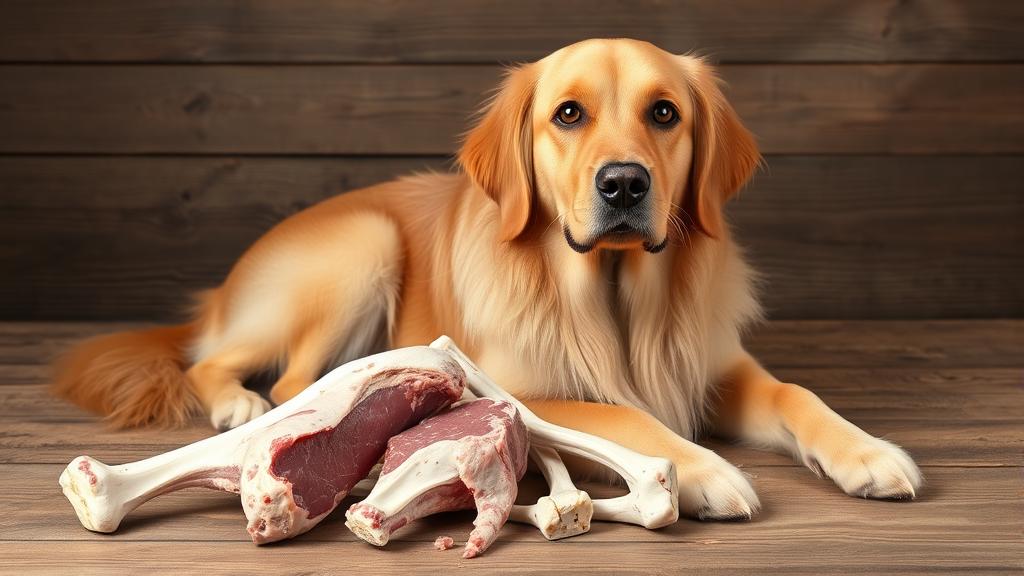
When it comes to feeding our beloved canine companions, the question of bone safety frequently arises among dog owners. Lamb bones, in particular, present a complex topic that requires careful consideration and understanding. While dogs have been consuming bones for thousands of years as part of their natural diet, modern pet ownership demands a more nuanced approach to bone feeding.
The relationship between dogs and bones is deeply rooted in their evolutionary history, but not all bones are created equal. Lamb bones present unique characteristics that differentiate them from other types of bones, making it essential for pet owners to understand the specific risks and benefits associated with feeding these bones to their dogs.
Understanding Lamb Bone Basics
Lamb bones come from young sheep, typically under one year of age, which makes them generally softer and more pliable than bones from mature sheep or other livestock. The American Kennel Club provides extensive guidance on bone safety for dogs, emphasizing that the source and preparation of bones significantly impact their safety profile.
The composition of lamb bones includes calcium, phosphorus, and other minerals that can provide nutritional benefits to dogs. However, the density and structure of these bones vary considerably depending on which part of the lamb they come from. Leg bones, for instance, are much denser than rib bones, while vertebrae present different challenges altogether.
Understanding the anatomical differences in lamb bones is crucial for making informed decisions. Weight-bearing bones like femurs and tibias are significantly harder and pose greater risks for tooth damage and intestinal blockages. In contrast, softer bones from the ribcage or spine may be more manageable for some dogs but still require careful consideration.
Safety Considerations for Lamb Bones
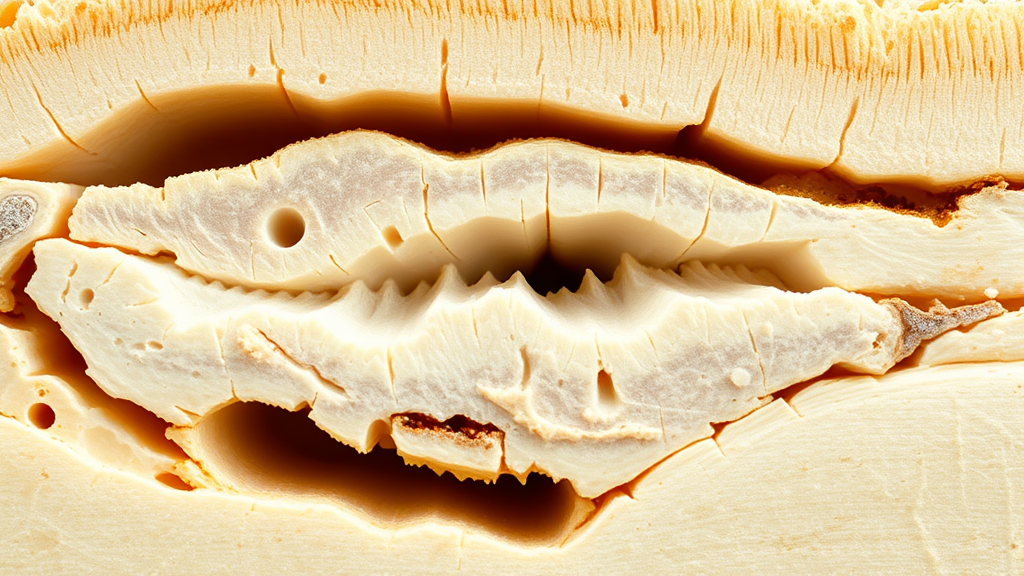
The primary safety concerns associated with lamb bones mirror those of other bone types but with some unique characteristics. Splintering remains the most significant risk, as bone fragments can cause choking, intestinal punctures, or blockages. The American Veterinary Medical Association has published comprehensive guidelines regarding bone feeding that every dog owner should review.
Lamb bones can present additional challenges due to their fat content. The marrow and surrounding tissues often contain high levels of fat, which can trigger pancreatitis in susceptible dogs. This condition can be life-threatening and requires immediate veterinary attention. Dogs with sensitive digestive systems or those prone to gastrointestinal issues face elevated risks when consuming lamb bones.
Size considerations play a crucial role in safety assessment. Large dogs may attempt to swallow smaller lamb bones whole, leading to choking or obstruction, while small dogs may struggle with bones that are proportionally too large for their mouths and digestive systems. The rule of thumb suggests that bones should be larger than the dog’s mouth to prevent swallowing but not so large as to cause jaw strain.
Bacterial contamination represents another significant concern, particularly with raw lamb bones. Pathogens such as Salmonella, E. coli, and Campylobacter can be present on raw bones, posing risks not only to dogs but also to human family members through cross-contamination. Proper handling and storage become essential when dealing with raw lamb bones.
Raw vs. Cooked Lamb Bones
The debate between raw and cooked bones is fundamental to understanding lamb bone safety. Raw lamb bones maintain their natural flexibility and moisture content, making them less likely to splinter compared to their cooked counterparts. The cooking process fundamentally alters the bone structure, making it more brittle and prone to creating sharp fragments that can cause serious internal injuries.
Many veterinarians and canine nutritionists advocate for raw bones over cooked ones, citing the reduced splintering risk as a primary factor. However, this doesn’t mean raw lamb bones are without risks. The FDA has issued warnings about raw pet food diets, including raw bones, due to bacterial contamination risks.
Raw lamb bones retain their natural enzymes and nutrients, which some proponents argue provide dental and nutritional benefits. The chewing action required to consume raw bones can help remove plaque and tartar buildup, potentially improving oral health. However, these benefits must be weighed against the inherent risks of bacterial exposure and potential digestive upset.
Cooked lamb bones, while potentially more palatable and free from bacterial concerns, pose significantly higher risks for splintering. The heat from cooking removes moisture and alters the protein structure within the bone, creating a harder, more brittle material that can break into sharp pieces. This is why many veterinary professionals strongly advise against feeding any cooked bones to dogs, similar to concerns about can dogs eat chicken bones when cooked.
Size and Type Considerations
Different types of lamb bones present varying levels of risk and suitability for dogs. Lamb ribs, being relatively soft and containing less dense bone material, may be more appropriate for some dogs than weight-bearing bones like leg bones or hip joints. However, even rib bones can pose risks if they break into smaller pieces or if the dog attempts to consume them too quickly.
Lamb shoulder bones present a middle ground in terms of density and size. They’re typically larger than rib bones but not as dense as leg bones, making them potentially suitable for medium to large dogs under proper supervision. The key is matching the bone size and type to the individual dog’s size, chewing habits, and experience with bone consumption.
Neck bones from lamb can be particularly problematic due to their vertebrae structure, which can separate into small, oddly-shaped pieces that pose choking hazards. These bones also often contain more cartilage and connective tissue, which while softer, can still cause digestive issues if consumed in large quantities.
The dog’s individual characteristics play a crucial role in determining appropriate bone types. Aggressive chewers may break down lamb bones too quickly, creating dangerous fragments, while gentle chewers might safely enjoy appropriate bones over extended periods. Age factors also matter, as puppies with developing teeth and senior dogs with worn teeth face different risks and benefits from bone consumption, much like considerations for can dogs eat bones in general.
Proper Supervision and Feeding Guidelines
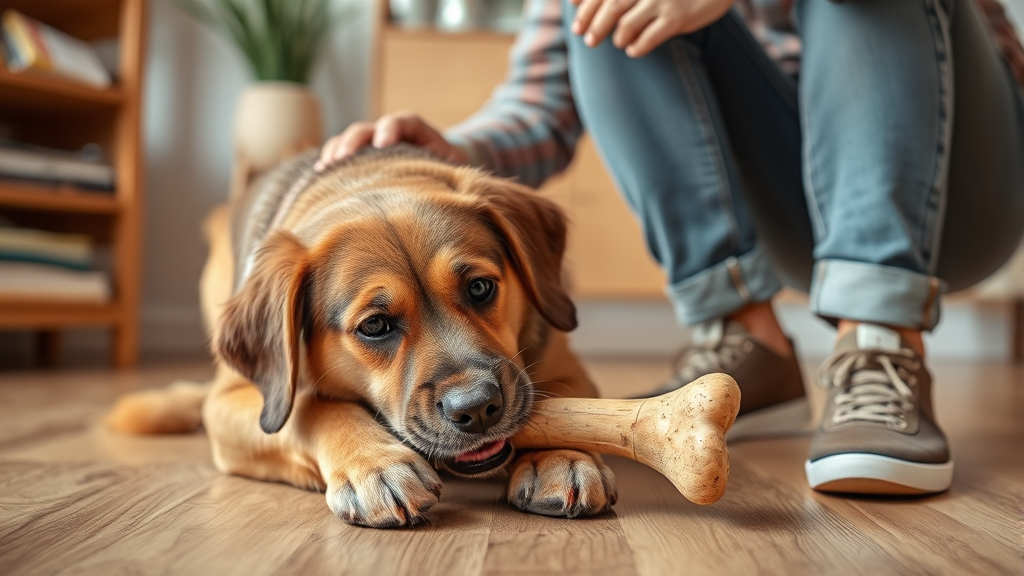
When deciding to offer lamb bones to dogs, proper supervision becomes non-negotiable. Dogs should never be left alone with bones, as emergency situations can develop rapidly. Constant monitoring allows owners to intervene if the dog begins to break the bone into dangerous pieces or shows signs of distress.
Establishing a controlled environment for bone consumption is essential. This includes providing adequate space, removing the bone when it becomes small enough to swallow whole, and ensuring fresh water is available. The feeding session should occur in a calm environment without competition from other pets, which could encourage rapid or aggressive consumption.
Time limits for bone access help prevent overconsumption and reduce the likelihood of the bone becoming small enough to pose swallowing risks. Many experts recommend limiting bone access to 15-30 minutes, depending on the dog’s size and the bone type. After this period, the bone should be removed and properly disposed of or stored for future supervised sessions.
Preparation guidelines include inspecting the bone for any obvious flaws, cracks, or sharp edges before offering it to the dog. Fresh bones should be used promptly, while stored bones require proper refrigeration and should be discarded if they show signs of spoilage. The Humane Society provides additional guidance on safe bone handling practices.
Safe Alternatives to Lamb Bones
For owners concerned about the risks associated with lamb bones, numerous safer alternatives can provide similar benefits without the same level of risk. Commercial bone alternatives made from compressed rawhide, synthetic materials, or processed natural ingredients offer chewing satisfaction while minimizing safety concerns.
Dental chews specifically designed for dogs provide oral health benefits similar to those claimed for raw bones but with controlled ingredients and consistent quality. These products undergo safety testing and are manufactured to reduce choking and digestive risks while still providing the mechanical cleaning action that helps maintain dental health.
Frozen treats made from safe ingredients can provide extended chewing time and mental stimulation without the risks associated with bones. Kong toys filled with appropriate treats, frozen carrots for teething puppies, or specially designed puzzle feeders can satisfy a dog’s natural urge to chew while maintaining safety.
Natural alternatives like antlers, bully sticks, or appropriately sized raw vegetables can provide chewing satisfaction with different risk profiles. However, each alternative comes with its own considerations, and owners should research and understand the specific benefits and risks of any chew toy or treat they provide to their pets, similar to researching whether can dogs have chicken bones or other specific food items.
Warning Signs and Emergency Situations
Recognizing the warning signs of bone-related complications can be life-saving for dogs. Immediate concerns include choking, indicated by pawing at the mouth, excessive drooling, or difficulty breathing. These situations require immediate intervention and potentially emergency veterinary care.
Gastrointestinal symptoms that may indicate bone fragment complications include vomiting, especially if blood is present, constipation or straining to defecate, loss of appetite, or unusual lethargy. These symptoms may not appear immediately and can develop hours or even days after bone consumption. The ASPCA Animal Poison Control Center provides 24-hour emergency consultation for pet poisoning and ingestion concerns.
Changes in bowel movements warrant close attention, particularly if stools become unusually hard, contain bone fragments, or show signs of blood. Difficulty defecating or unusual straining can indicate intestinal obstruction, which requires immediate veterinary intervention. Dogs may also show signs of abdominal pain through unusual posturing, reluctance to move, or sensitivity when touched.
Behavioral changes following bone consumption should be monitored carefully. Excessive thirst, restlessness, or unusual hiding behavior can indicate discomfort or developing complications. Any combination of these symptoms, particularly when they persist or worsen, requires prompt veterinary evaluation, as bone-related complications can escalate quickly and become life-threatening.
Emergency preparedness includes having contact information for local emergency veterinary clinics readily available and understanding basic first aid measures for choking dogs. However, owners should never attempt to remove lodged objects from a dog’s throat without professional guidance, as this can sometimes worsen the situation.
Professional veterinary guidance becomes essential when considering bone feeding for dogs with pre-existing health conditions, digestive sensitivities, or previous adverse reactions to bone consumption. Individual risk assessment should consider the dog’s overall health, age, size, and eating behaviors, much like evaluating whether can dogs eat turkey bones or other specific bone types. The decision to feed lamb bones should be made in consultation with a veterinary professional who understands the individual dog’s health profile and can provide personalized recommendations based on current veterinary science and the dog’s specific needs.
Frequently Asked Questions
Can puppies safely eat lamb bones?
Puppies face increased risks when consuming lamb bones due to their developing digestive systems and smaller size. Their teeth are also still developing, making them more susceptible to damage from hard bones. Most veterinarians recommend avoiding bones for puppies under six months old and introducing them gradually under strict supervision for older puppies. Softer alternatives like appropriate puppy chews are generally safer options.
How often can I give my dog lamb bones?
Frequency depends on your dog’s individual tolerance, size, and overall health. Most experts suggest limiting bone treats to once or twice per week at most, and only as an occasional treat rather than a regular meal component. Dogs with sensitive stomachs or those prone to pancreatitis may need to avoid bones entirely. Always consult with your veterinarian about appropriate frequency for your specific dog, similar to considerations for can dogs have ham bones and other bone types.
What should I do if my dog swallows a lamb bone piece?
If your dog swallows a small bone fragment, monitor them closely for signs of distress, choking, or digestive upset. Contact your veterinarian immediately for guidance, especially if the piece was sharp or large. Never induce vomiting unless specifically directed by a veterinary professional, as this can sometimes cause additional injury. Watch for symptoms like vomiting, constipation, loss of appetite, or unusual behavior that might indicate complications.
Are lamb bones better than other types of bones for dogs?
Lamb bones aren’t necessarily better or worse than other bone types – each has specific characteristics and risks. Lamb bones tend to be softer than beef bones but may contain more fat, which can trigger pancreatitis in sensitive dogs. The safety depends more on factors like whether the bone is raw or cooked, the size relative to your dog, and proper supervision rather than the animal source. Consider researching can dogs have pork rib bones and other options to make informed comparisons.
Can I give my dog cooked lamb bones from dinner leftovers?
No, cooked lamb bones should never be given to dogs. The cooking process makes bones brittle and prone to splintering, creating sharp fragments that can cause serious internal injuries, choking, or intestinal blockages. This applies to all cooked bones, whether they’re roasted, grilled, boiled, or prepared in any other way. If you want to give your dog lamb bones, they must be raw and fresh.
How do I know if a lamb bone is the right size for my dog?
The bone should be large enough that your dog cannot swallow it whole – generally larger than their mouth opening – but not so large that it strains their jaw or is difficult to handle. For small dogs, even lamb rib bones might be too large, while large breed dogs might handle lamb leg bones more safely. Consider your dog’s chewing style: aggressive chewers need larger, more durable bones, while gentle chewers might safely enjoy smaller options under supervision.
What are the signs that my dog is having trouble with a lamb bone?
Warning signs include choking sounds, excessive drooling, pawing at the mouth, difficulty swallowing, vomiting, constipation, loss of appetite, lethargy, or signs of abdominal pain like hunching or reluctance to move. Behavioral changes such as restlessness, hiding, or unusual thirst can also indicate problems. Any of these symptoms warrant immediate veterinary attention, as bone-related complications can become serious quickly. When in doubt, it’s always better to err on the side of caution and consult your veterinarian, especially when considering various bone types like can dogs eat bones chicken or lamb bones.





