
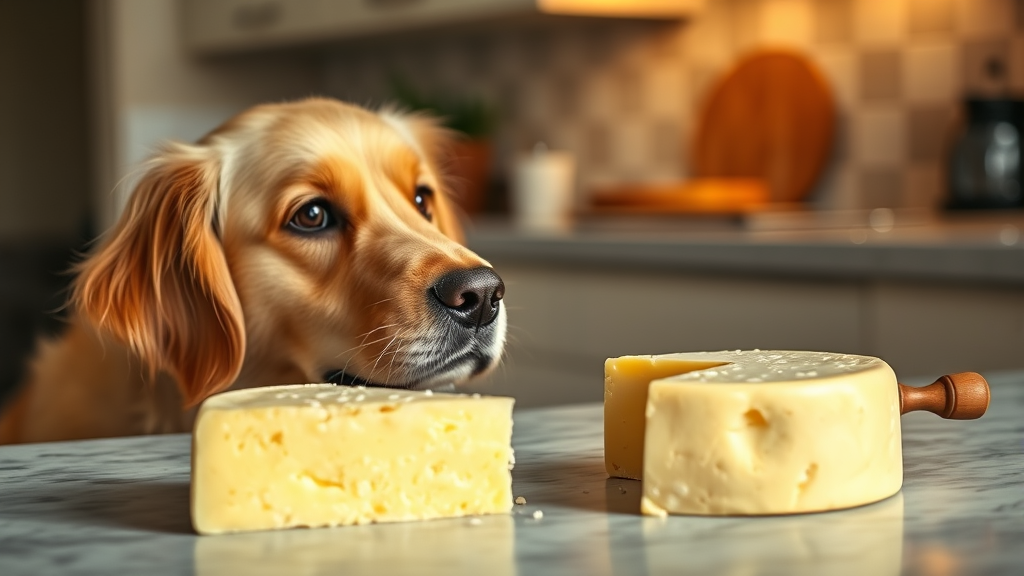
As a dog owner, you’ve probably caught your furry friend giving you those irresistible puppy eyes while you’re grating fresh Parmesan cheese over your pasta. The question naturally arises: can dogs safely enjoy this beloved Italian cheese as an occasional treat? While many dog parents wonder about sharing their favorite foods with their pets, it’s crucial to understand the potential benefits and risks before offering any human food to your canine companion.
Parmesan cheese, known for its sharp, nutty flavor and hard texture, is a staple in many households. However, when it comes to our four-legged family members, the answer isn’t as straightforward as you might think. Understanding the nutritional composition, potential health implications, and safe serving guidelines will help you make an informed decision about whether to include this cheese in your dog’s diet.
Nutritional Profile of Parmesan Cheese
Parmesan cheese is renowned for its impressive nutritional density, containing high levels of protein, calcium, and various essential nutrients. A typical one-ounce serving of Parmesan cheese contains approximately 10 grams of protein, 330 milligrams of calcium, and significant amounts of phosphorus, zinc, and vitamin A. These nutrients can potentially benefit dogs when consumed in appropriate quantities.
The protein content in Parmesan is particularly noteworthy, as dogs require high-quality protein sources for muscle development, immune function, and overall health maintenance. Additionally, the calcium content supports bone health and dental strength, which is especially important for growing puppies and senior dogs. However, it’s essential to remember that dogs should receive these nutrients primarily from their balanced commercial dog food.
Unlike many other dairy products, aged Parmesan cheese contains relatively low levels of lactose due to the aging process. During the 12-36 month aging period, naturally occurring bacteria consume most of the lactose, making it more tolerable for lactose-sensitive individuals, including dogs. This characteristic makes Parmesan potentially safer than other types of cheese for canine consumption.
Safety Considerations for Dogs
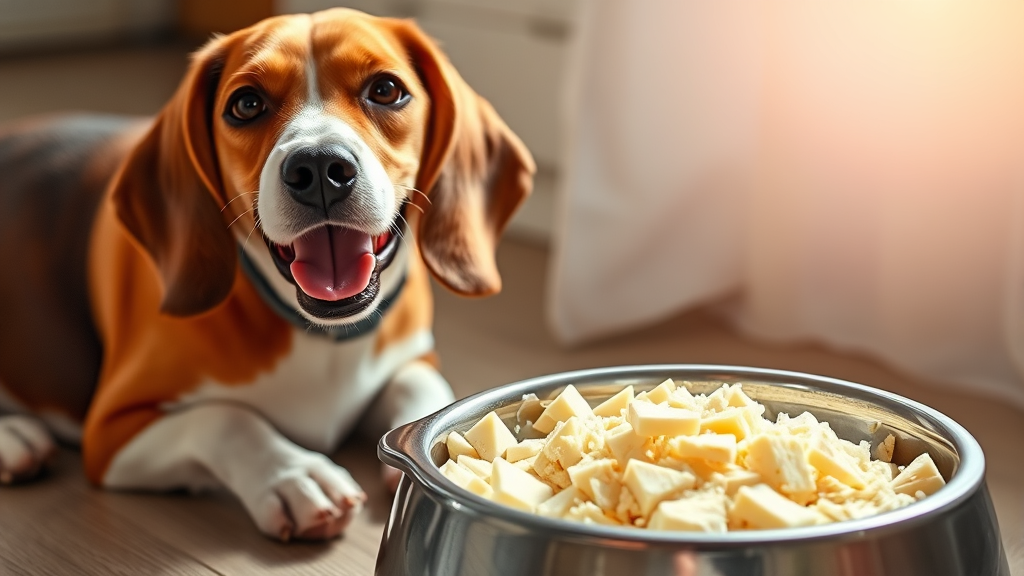
When considering whether dogs can safely consume Parmesan cheese, several factors must be evaluated. The primary concerns include sodium content, fat levels, and potential additives or preservatives. Parmesan cheese is naturally high in sodium, with one ounce containing approximately 450 milligrams of salt. Excessive sodium intake can lead to dehydration, increased thirst, and in severe cases, sodium poisoning in dogs.
The fat content in Parmesan, while not as high as some other cheeses, can still contribute to digestive upset if consumed in large quantities. Dogs with sensitive stomachs or those prone to pancreatitis should be particularly cautious with high-fat foods. Additionally, some commercial Parmesan products may contain artificial additives, preservatives, or flavor enhancers that could be harmful to dogs.
Size and breed considerations also play a crucial role in determining safety. Small dogs are more susceptible to the negative effects of excess sodium and fat due to their lower body weight and faster metabolism. Large breed dogs may tolerate small amounts better, but portion control remains essential regardless of size. Always consult with your veterinarian before introducing any new foods, especially if your dog has existing health conditions.
Lactose Intolerance in Dogs
Most adult dogs experience some degree of lactose intolerance, as they naturally lose the enzyme lactase needed to properly digest lactose after weaning. This biological process is normal and occurs because dogs don’t typically consume milk products in their natural diet beyond puppyhood. Lactose intolerance can cause digestive symptoms including diarrhea, gas, bloating, and stomach discomfort.
Fortunately, aged Parmesan cheese contains significantly less lactose than fresh dairy products like milk or soft cheeses. The aging process allows beneficial bacteria to break down most of the lactose, making it more digestible for lactose-intolerant dogs. However, this doesn’t mean all dogs will tolerate it equally well, and individual sensitivity levels vary greatly.
If you’re unsure about your dog’s lactose tolerance, it’s wise to start with an extremely small amount and monitor for any adverse reactions. Some dogs may show symptoms immediately, while others might not display signs until several hours after consumption. Unlike mozzarella cheese, which contains higher lactose levels, Parmesan may be better tolerated by sensitive dogs.
Proper Portion Control and Serving Guidelines
If you decide to offer Parmesan cheese to your dog, proper portion control is absolutely critical. For small dogs (under 25 pounds), no more than a small pinch or about 1/8 teaspoon should be offered as an occasional treat. Medium-sized dogs (25-60 pounds) can handle slightly larger portions, approximately 1/4 teaspoon, while large dogs (over 60 pounds) might tolerate up to 1/2 teaspoon safely.
Frequency is just as important as portion size. Parmesan cheese should never be a regular part of your dog’s diet and should only be offered as an occasional special treat, perhaps once or twice per week at most. Remember that treats should never comprise more than 10% of your dog’s daily caloric intake, and cheese treats should represent an even smaller percentage due to their high sodium and fat content.
When serving Parmesan to your dog, always use freshly grated cheese rather than pre-packaged varieties, which often contain additional preservatives and anti-caking agents. Ensure the cheese is at room temperature to prevent any potential choking hazards, and supervise your dog while they’re eating to monitor for any immediate adverse reactions.
Potential Health Benefits
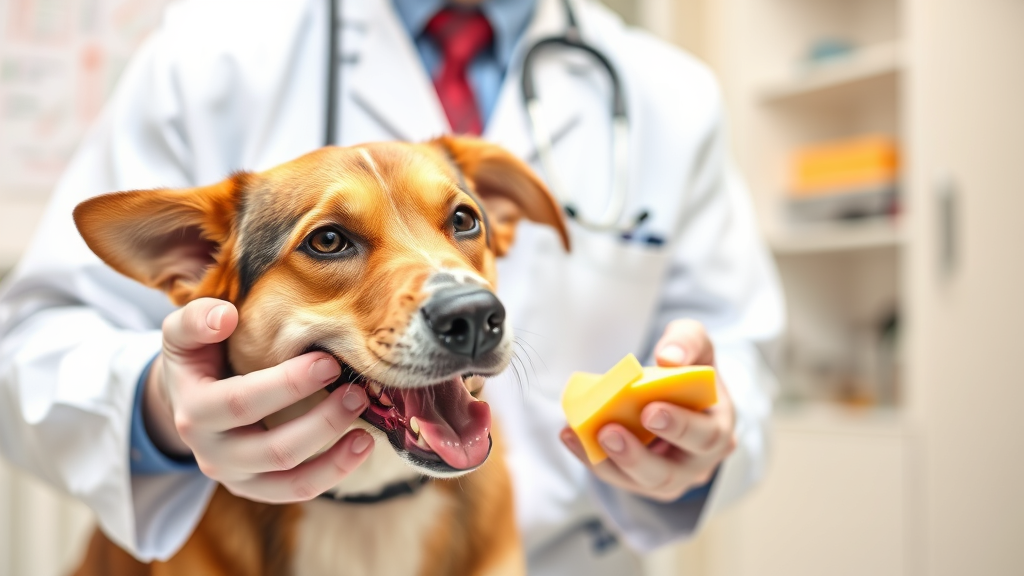
When given in appropriate amounts, Parmesan cheese can offer several potential health benefits for dogs. The high-quality protein content supports muscle maintenance and development, making it particularly beneficial for active dogs or those recovering from illness. The calcium and phosphorus content can contribute to bone health, though dogs should primarily receive these nutrients from their regular balanced diet.
Parmesan cheese also contains beneficial probiotics that develop during the aging process. These probiotics can potentially support digestive health and immune function, though the amounts in small portions are minimal. The cheese also provides zinc, which supports skin and coat health, and vitamin A, which is essential for vision and immune function.
Some dog owners find that small amounts of Parmesan cheese can be useful for medication administration, as the strong flavor can help mask the taste of pills or liquid medications. However, this should only be done under veterinary guidance, and other cheese options might be more appropriate for regular medication delivery.
Risks and Warning Signs
Despite potential benefits, there are significant risks associated with feeding Parmesan cheese to dogs that owners must understand. The high sodium content poses the greatest concern, as excessive salt intake can lead to increased blood pressure, kidney strain, and electrolyte imbalances. Dogs with heart conditions, kidney disease, or hypertension should avoid Parmesan cheese entirely.
Digestive upset is another common risk, even with the lower lactose content. Symptoms to watch for include vomiting, diarrhea, excessive gas, abdominal discomfort, and changes in appetite. If your dog experiences any of these symptoms after consuming Parmesan cheese, discontinue immediately and consult your veterinarian if symptoms persist or worsen.
Long-term risks of regular consumption include obesity, pancreatitis, and nutritional imbalances. The high caloric density of cheese can contribute to weight gain if not properly accounted for in your dog’s overall diet. According to the American Veterinary Medical Association, obesity affects over 50% of dogs in the United States and can lead to serious health complications.
Healthier Alternatives to Parmesan
If you’re looking for safer alternatives to Parmesan cheese for treating your dog, several options provide similar satisfaction without the associated risks. Cottage cheese offers high protein content with lower sodium levels, making it a healthier choice for most dogs. Plain, unsweetened yogurt provides probiotics and calcium while being easier to digest.
For dogs who enjoy the umami flavor of Parmesan, consider offering small pieces of cooked chicken or fish, which provide high-quality protein without the sodium concerns. Freeze-dried meat treats or dehydrated sweet potato chips can satisfy the desire for a special snack while providing nutritional benefits.
Commercial dog treats specifically formulated to be cheese-flavored offer another alternative. These products are designed with canine nutritional needs in mind and typically contain appropriate levels of sodium and fat. Always read ingredient lists carefully and choose products from reputable manufacturers with good safety records, as recommended by the FDA’s Center for Veterinary Medicine.
Frequently Asked Questions
Can puppies eat Parmesan cheese?
Puppies should not be given Parmesan cheese, as their developing digestive systems are more sensitive to high-sodium and high-fat foods. Young puppies are also more susceptible to lactose intolerance symptoms and digestive upset. It’s best to wait until your dog is fully mature and establish their tolerance to dairy products before considering any cheese treats.
How much Parmesan cheese is too much for dogs?
Any amount exceeding the recommended portions (1/8 teaspoon for small dogs, 1/4 teaspoon for medium dogs, and 1/2 teaspoon for large dogs) is considered too much. Signs of overconsumption include excessive thirst, vomiting, diarrhea, and lethargy. If your dog accidentally consumes a large amount, monitor them closely and contact your veterinarian for guidance.
Is grated Parmesan cheese safer than block cheese for dogs?
Freshly grated Parmesan cheese is generally safer than pre-packaged grated varieties, which often contain anti-caking agents and preservatives. However, grated cheese can be easier for dogs to consume quickly, potentially leading to overconsumption. Block cheese allows for better portion control but should be cut into appropriate sizes to prevent choking.
Can dogs with kidney disease eat Parmesan cheese?
Dogs with kidney disease should not consume Parmesan cheese due to its high sodium and phosphorus content. These nutrients can put additional strain on already compromised kidneys and worsen the condition. Always follow your veterinarian’s dietary recommendations for dogs with kidney disease, as outlined by the Cornell University College of Veterinary Medicine.
What should I do if my dog shows allergic reactions to Parmesan cheese?
If your dog shows signs of an allergic reaction such as itching, swelling, difficulty breathing, or hives, discontinue the cheese immediately and contact your veterinarian or emergency animal hospital. Severe allergic reactions require immediate medical attention. Future exposure should be avoided entirely once an allergy is confirmed.
Is Parmesan cheese better than other cheeses for dogs?
Compared to many other cheeses, Parmesan has lower lactose content due to aging, which may make it more tolerable for some dogs. However, it’s higher in sodium than cheddar cheese and some other varieties. The “best” cheese for dogs depends on individual tolerance levels and health status, but all should be given sparingly.
Can I use Parmesan cheese for training treats?
While Parmesan cheese can be highly motivating for some dogs due to its strong flavor, it’s not ideal for regular training sessions due to its high sodium content and caloric density. Training treats should be small, low-calorie, and given frequently, making Parmesan unsuitable for this purpose. Consider using specifically formulated training treats or small pieces of cooked chicken instead.





