
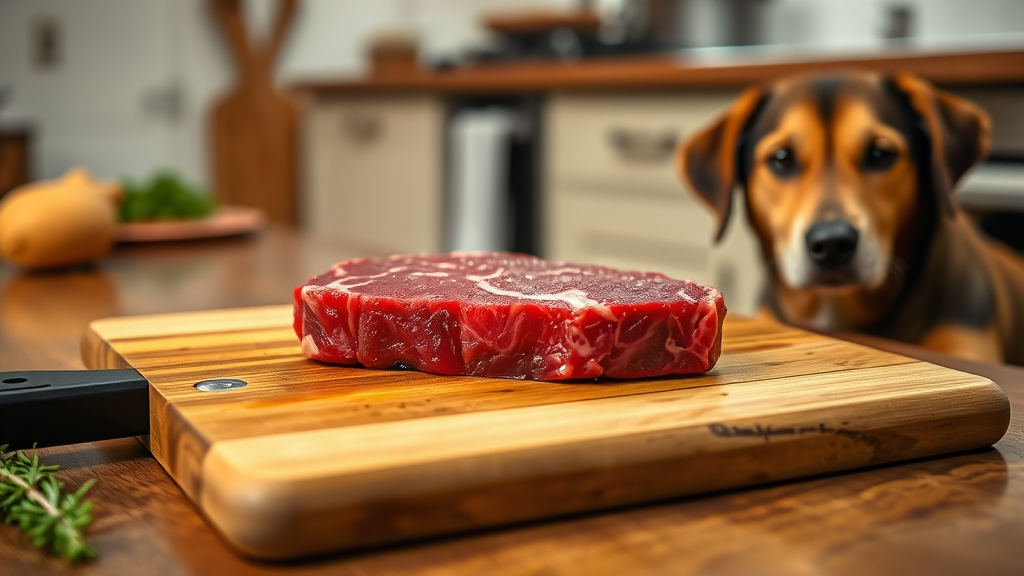
As a dog owner, you’ve probably wondered whether it’s safe to share your high-quality raw steak with your furry companion. The sight of your dog’s eager eyes watching you prepare dinner might make you consider offering a piece of that premium ribeye or filet mignon. While the question “can dogs eat raw steak” has a nuanced answer, understanding the risks and benefits is crucial for your pet’s health and safety.
Raw feeding has gained popularity among pet owners seeking to provide a more “natural” diet for their dogs. However, feeding raw steak to dogs involves significant considerations regarding food safety, nutritional balance, and potential health risks. This comprehensive guide will explore everything you need to know about giving raw steak to your dog, helping you make an informed decision that prioritizes your pet’s wellbeing.
Understanding Raw Diets for Dogs
Raw diets for dogs, often called BARF (Biologically Appropriate Raw Food) or PMR (Prey Model Raw), have become increasingly popular among pet owners seeking alternatives to commercial kibble. Proponents argue that raw diets more closely mimic what dogs would eat in the wild, potentially offering benefits such as improved coat condition, better dental health, and increased energy levels.
However, domestic dogs have evolved alongside humans for thousands of years, and their digestive systems have adapted to cooked foods. Unlike their wild counterparts, most domestic dogs have shorter digestive tracts and different enzyme production patterns. The American Veterinary Medical Association (AVMA) has expressed concerns about raw diets due to potential health risks.
When considering raw steak specifically, it’s important to understand that high-quality, human-grade meat may seem like the safest option. However, even premium cuts can harbor harmful bacteria and parasites that pose risks to both dogs and their human families. The processing, storage, and handling of raw meat all play crucial roles in food safety.
Safety Concerns with Raw Steak
The primary concern with feeding raw steak to dogs revolves around bacterial contamination. Raw beef can contain dangerous pathogens including Salmonella, E. coli, Listeria, and Campylobacter. These bacteria can cause severe gastrointestinal illness in dogs, leading to symptoms such as vomiting, diarrhea, lethargy, and dehydration. In severe cases, bacterial infections can be life-threatening.
Parasites present another significant risk. Raw beef may contain parasites like Toxoplasma gondii, Sarcocystis, and various tapeworm species. These parasites can establish infections in dogs, potentially causing long-term health issues. The Centers for Disease Control and Prevention (CDC) warns that pets consuming raw meat have higher rates of shedding harmful bacteria in their feces, creating risks for human family members as well.
Cross-contamination is another critical consideration. Dogs that consume raw meat can spread bacteria throughout the home through their saliva, paws, and waste. This creates particular risks for households with young children, elderly individuals, or immunocompromised family members. Similar concerns apply to other raw meats – for instance, questions about whether can dogs eat raw bacon carry similar bacterial contamination risks.
Additionally, the quality and source of raw steak matter significantly. Meat from unknown sources or with questionable handling practices carries elevated risks. Even high-end steaks from reputable sources undergo processing and transportation that can introduce contamination opportunities.
Nutritional Considerations
While steak provides high-quality protein and essential nutrients, feeding raw steak alone doesn’t constitute a balanced diet for dogs. Dogs require a complex mix of proteins, carbohydrates, fats, vitamins, and minerals in specific proportions. Raw steak, while nutritious, lacks many essential nutrients dogs need for optimal health.
The protein content in steak is excellent for dogs, providing all essential amino acids necessary for muscle development and maintenance. However, the fat content can vary significantly depending on the cut. High-fat cuts may cause digestive upset or pancreatitis in some dogs, particularly those not accustomed to rich foods.
Raw steak lacks calcium, which is crucial for bone health, especially in growing puppies. It also doesn’t provide adequate amounts of certain vitamins and minerals found in balanced commercial diets. The American Kennel Club emphasizes the importance of nutritionally complete diets for dogs.
Portion control becomes critical when offering raw steak. Large amounts can overwhelm a dog’s digestive system, leading to gastrointestinal upset. The rich nature of steak means even small portions pack significant calories, which must be accounted for in the dog’s overall daily caloric intake to prevent obesity.
For dogs accustomed to processed commercial diets, the sudden introduction of raw steak can cause digestive disturbances. A gradual transition, if attempted at all, would be necessary to allow the digestive system to adapt. This consideration applies to other protein sources as well – transitioning to options like can dogs eat ground beef requires similar careful introduction.

Proper Preparation and Handling
If you decide to offer raw steak to your dog despite the risks, proper preparation and handling are absolutely essential. Start by sourcing the highest quality meat possible from reputable suppliers who maintain strict food safety standards. Human-grade meat from trusted butchers or high-end grocery stores represents the safest option.
Temperature control is crucial throughout the process. Raw steak should be kept refrigerated until serving and never left at room temperature for extended periods. The USDA recommends keeping raw meat at temperatures below 40°F (4°C) to minimize bacterial growth.
Preparation should occur on sanitized surfaces using clean utensils. Cut the steak into appropriately sized pieces for your dog’s size and chewing ability. Remove any visible fat, gristle, or connective tissue that could pose choking hazards or cause digestive issues. Avoid seasoning or marinades, as many common seasonings are toxic to dogs.
Freezing raw steak for at least 24-48 hours before serving can help eliminate some parasites, though it won’t eliminate bacterial contamination. Some raw feeding advocates recommend freezing for 2-3 weeks to ensure parasite elimination, but this practice doesn’t address bacterial concerns.
After handling raw meat, thoroughly sanitize all surfaces, utensils, and your hands with hot, soapy water and appropriate disinfectants. This prevents cross-contamination to other foods or surfaces your family might contact.
Alternatives and Safer Options
Given the risks associated with raw steak, many veterinarians recommend safer alternatives that can still provide nutritional benefits and satisfy your dog’s desire for meat. Cooking steak thoroughly eliminates bacterial and parasitic risks while preserving much of its nutritional value.
When preparing cooked steak for dogs, avoid using oils, butter, seasonings, or marinades. Simple grilling, broiling, or pan-searing in a dry pan provides safe, flavorful meat. Allow the cooked steak to cool completely before serving, and cut it into appropriate sizes for your dog.
High-quality commercial raw diets represent another option for owners interested in raw feeding. These products undergo high-pressure pasteurization (HPP) or other safety treatments that eliminate pathogens while maintaining the raw texture and many nutritional benefits. However, these products are significantly more expensive than traditional kibble.
Freeze-dried raw treats offer another compromise, providing the taste and texture dogs crave while eliminating many safety concerns. The freeze-drying process removes moisture that bacteria need to survive, creating a shelf-stable product that’s safer than fresh raw meat.
For protein variety, consider safer cooked alternatives. Learning how to boil chicken for dogs provides a lean, easily digestible protein source. Other options include exploring whether can dogs eat ground turkey or can dogs eat cooked shrimp might suit your dog’s preferences.
When to Consult Your Veterinarian
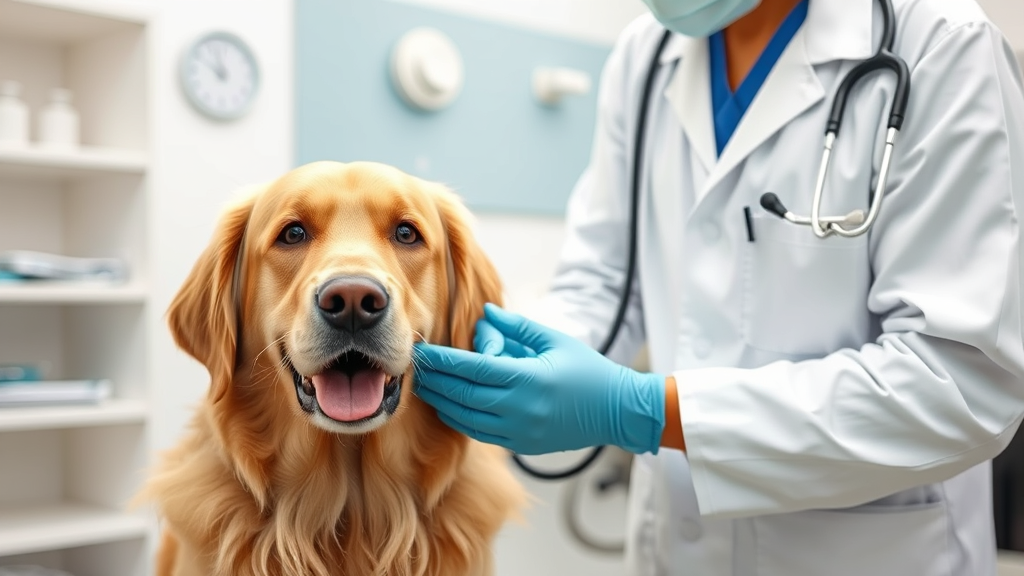
Before making any significant dietary changes, including introducing raw steak, consult with your veterinarian. They can assess your individual dog’s health status, age, breed, and specific nutritional needs to provide personalized recommendations. Some dogs with compromised immune systems, chronic health conditions, or digestive sensitivities may be at higher risk for complications from raw diets.
Puppies, senior dogs, and pregnant or nursing females have unique nutritional requirements that raw steak alone cannot meet. The ASPCA recommends working with veterinary nutritionists when considering alternative diets for these vulnerable populations.
If you notice any signs of illness after your dog consumes raw steak, seek veterinary attention immediately. Symptoms to watch for include vomiting, diarrhea, lethargy, loss of appetite, excessive thirst, or changes in behavior. Early intervention can prevent complications from bacterial infections or other food-related illnesses.
Your veterinarian can also provide guidance on bone safety, as many raw diet enthusiasts also consider giving bones. Understanding whether can dogs eat chicken bones or exploring broader questions about whether can dogs eat bones requires professional input due to serious safety concerns.
Regular health monitoring becomes even more important for dogs consuming raw diets. Your veterinarian may recommend more frequent check-ups and fecal examinations to monitor for parasites or other health issues that could arise from raw feeding.
Frequently Asked Questions
Can I give my dog raw steak as an occasional treat?
While an occasional small piece of high-quality raw steak is less risky than regular feeding, it still carries potential for bacterial contamination and digestive upset. Cooked steak without seasonings represents a safer treat option that provides similar nutritional benefits without the associated risks.
What are the signs that my dog has gotten sick from raw steak?
Watch for symptoms including vomiting, diarrhea (which may contain blood or mucus), lethargy, loss of appetite, excessive thirst or urination, abdominal pain, and fever. Any of these symptoms warrant immediate veterinary attention, especially if they persist or worsen.
Is expensive, high-grade steak safer for dogs than cheaper cuts?
While higher-grade meat may have better handling and storage practices, it can still harbor dangerous bacteria and parasites. Price and quality don’t eliminate the fundamental risks associated with raw meat consumption. Even premium steaks require the same safety precautions.
How much raw steak can I safely give my dog?
If you choose to offer raw steak despite the risks, limit portions to very small amounts – no more than 10% of your dog’s daily caloric intake. Large portions increase the risk of digestive upset and nutritional imbalances. Always introduce new foods gradually over several days.
Can puppies eat raw steak?
Puppies are particularly vulnerable to foodborne illnesses due to their developing immune systems. The AVMA recommends avoiding raw diets for puppies, pregnant dogs, and immunocompromised animals. Stick to age-appropriate commercial puppy foods or veterinarian-approved diets.
Are there any dog breeds that handle raw meat better than others?
No dog breed has evolved specific adaptations that make them significantly safer from foodborne pathogens in raw meat. While some breeds may have stronger digestive systems, all dogs face similar risks from bacterial contamination and parasites when consuming raw meat.
What should I do if my dog steals raw steak from the counter?
Monitor your dog closely for the next 24-48 hours for signs of digestive upset or illness. Contact your veterinarian if you notice vomiting, diarrhea, lethargy, or other concerning symptoms. Most healthy dogs can handle a single incident without serious consequences, but observation is important.





