

As a loving dog owner, you’ve probably wondered whether your sniffles and sneezes could be contagious to your furry companion. When you’re battling a cold, it’s natural to worry about whether your close contact with your pet might put them at risk. This concern becomes even more pressing when you notice your dog exhibiting symptoms like coughing, sneezing, or seeming under the weather.
The relationship between human and canine respiratory illnesses is more complex than many pet owners realize. While dogs and humans share many similarities, our immune systems and the pathogens that affect us can be quite different. Understanding whether can dogs catch the cold from humans requires examining the science behind cross-species transmission and the specific viruses that cause respiratory symptoms in both species.
Understanding Human Colds vs. Dog Respiratory Issues
Human colds are primarily caused by rhinoviruses, which account for approximately 30-50% of all cold cases according to the Centers for Disease Control and Prevention. These viruses are specifically adapted to human physiology and respiratory systems. When humans experience cold symptoms like runny noses, sore throats, and congestion, we’re dealing with viral infections that have evolved to thrive in human hosts.
Dogs, on the other hand, have their own set of respiratory pathogens that cause similar symptoms. The question “can dogs get colds” is often asked by concerned pet owners, but the answer requires understanding that what we call a “cold” in dogs is typically caused by different viruses altogether. Canine respiratory infections are usually caused by parainfluenza virus, adenovirus, or bacterial infections like Bordetella bronchiseptica.
The fundamental difference lies in species specificity. Most viruses that cause human colds have evolved to bind to specific receptors found in human cells, making them highly ineffective at infecting canine cells. This biological barrier is one of nature’s ways of preventing widespread cross-species viral transmission, though exceptions do exist in certain circumstances.
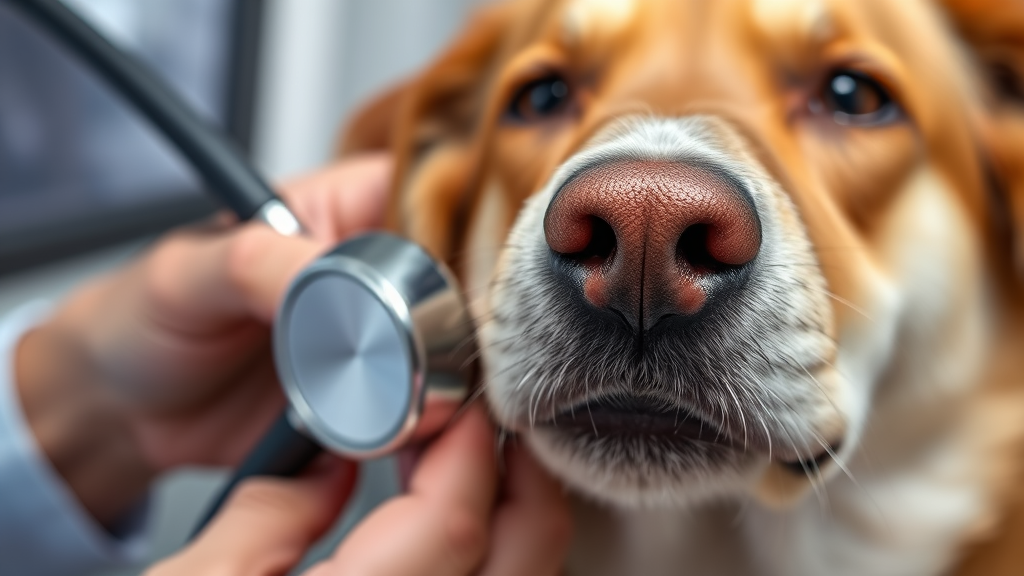
Cross-Species Transmission: The Scientific Reality
The scientific community has extensively studied zoonotic diseases—those that can transmit between animals and humans. According to research published in veterinary journals, the common cold viruses that affect humans are generally not transmissible to dogs. The American Veterinary Medical Association emphasizes that while some respiratory pathogens can cross species barriers, the typical human cold virus is not among them.
However, there are notable exceptions to this rule. Influenza viruses, for instance, have shown the ability to jump between species under certain conditions. This is why questions about whether can dogs get the flu from humans are more legitimate concerns that require careful consideration and monitoring by veterinary professionals.
The concept of viral host specificity is crucial to understand. Viruses have evolved alongside their preferred hosts over millions of years, developing mechanisms to efficiently invade and replicate within specific cell types. Human rhinoviruses, the primary culprits behind common colds, have surface proteins that are designed to bind with human cell receptors. These same proteins are largely incompatible with canine cellular structures, making successful infection highly unlikely.
Recent studies have also examined whether dogs might serve as intermediate hosts for human viruses, potentially allowing for viral mutation and adaptation. While this remains a theoretical concern for some pathogens, current evidence suggests that common cold viruses do not utilize dogs as reservoir species or stepping stones for further transmission.
Recognizing Cold-Like Symptoms in Dogs
When dog owners notice their pets exhibiting respiratory symptoms, it’s important to recognize what these signs might indicate. Dogs can indeed develop conditions that mimic human cold symptoms, but these are typically caused by canine-specific pathogens. Understanding whether do dogs get colds requires recognizing the difference between human-like symptoms and actual canine respiratory conditions.
Common symptoms that might appear “cold-like” in dogs include persistent coughing, sneezing, nasal discharge, lethargy, and reduced appetite. However, these symptoms can indicate various conditions ranging from kennel cough to more serious respiratory infections. The timing of symptom onset in relation to human illness in the household is often coincidental rather than causal.
Canine respiratory symptoms often have different characteristics than human cold symptoms. For example, dogs rarely develop the stuffy nose sensation that humans experience, and their coughing patterns may be more consistent with specific canine respiratory conditions. Additionally, dogs may show symptoms like reverse sneezing, which is uncommon in human cold presentations.
Environmental factors play a significant role in canine respiratory health. Changes in weather, exposure to allergens, or stress can trigger symptoms that might be mistaken for contagious illness. Many pet owners notice their dogs developing symptoms during the same time they’re sick, leading to assumptions about transmission when the correlation may be purely coincidental.

Common Causes of Respiratory Symptoms in Dogs
Several factors can cause respiratory symptoms in dogs that have nothing to do with human illness transmission. Kennel cough, scientifically known as canine infectious tracheobronchitis, is one of the most common causes of coughing in dogs. This condition is caused by a combination of viruses and bacteria specific to canines and is highly contagious among dogs but not transmissible from humans.
Allergies represent another major cause of respiratory symptoms in dogs. Seasonal allergens, dust mites, and environmental irritants can cause sneezing, coughing, and nasal discharge that closely resembles cold symptoms. The American Kennel Club notes that allergic reactions in dogs often coincide with seasonal changes that also affect human health, creating apparent correlations between human and canine symptoms.
Bacterial infections, particularly those caused by Bordetella bronchiseptica, can create symptoms similar to human colds. These infections are often contracted in environments where dogs congregate, such as boarding facilities, dog parks, or grooming establishments. The question “why is my dog coughing” often leads to the discovery of these bacterial infections rather than viral transmission from humans.
Environmental irritants such as smoke, strong cleaning chemicals, or poor air quality can also trigger respiratory symptoms in sensitive dogs. These factors can cause inflammation in the respiratory tract, leading to symptoms that might be mistaken for infectious illness. Understanding these various causes helps pet owners make more informed decisions about their dog’s health care.
When to Seek Veterinary Care
While most canine respiratory symptoms are not related to human cold transmission, there are specific situations that warrant immediate veterinary attention. Persistent coughing, especially if it’s accompanied by difficulty breathing, lethargy, or loss of appetite, should be evaluated by a professional. The question of whether can dogs get a cold becomes less important than addressing the underlying cause of symptoms.
Certain red flag symptoms require urgent care, including labored breathing, blue-tinged gums or tongue, excessive drooling, or complete loss of appetite. These symptoms can indicate serious respiratory distress that requires immediate intervention, regardless of the suspected cause. Pet owners should never delay seeking care when their dog shows signs of breathing difficulty.
The timing and progression of symptoms can provide valuable clues to veterinarians. If symptoms appear suddenly and worsen rapidly, this pattern often suggests infectious causes that require specific treatment protocols. Conversely, gradual onset symptoms might indicate chronic conditions like allergies or environmental sensitivities that require different management approaches.
Age and breed considerations also play important roles in determining when veterinary care is necessary. Senior dogs and certain breeds with compromised respiratory systems, such as brachycephalic breeds, may be more susceptible to complications from respiratory symptoms. Young puppies with developing immune systems also require more careful monitoring when respiratory symptoms develop.
Prevention and Protection Strategies
Protecting your dog from respiratory illness involves understanding the actual risk factors rather than worrying about human cold transmission. Maintaining good hygiene practices, such as regular handwashing and avoiding close contact with your pet when you’re ill, can help prevent the transmission of the few pathogens that can cross species barriers. However, these measures are more about general health maintenance than preventing common cold transmission.
Vaccination plays a crucial role in preventing canine respiratory infections. The AVMA vaccination guidelines recommend core vaccines that protect against common canine respiratory pathogens. Keeping your dog’s vaccinations current is far more effective than worrying about human cold transmission for protecting their respiratory health.
Environmental management is equally important for respiratory health. Maintaining good air quality in your home, using air purifiers if necessary, and avoiding exposure to smoke or strong chemicals can help prevent respiratory irritation. Regular cleaning of your dog’s bedding and living areas also reduces exposure to allergens and irritants that might trigger symptoms.
Stress management plays an often-overlooked role in canine respiratory health. Stressed dogs may be more susceptible to respiratory infections and may develop symptoms that could be mistaken for transmitted illness. Maintaining consistent routines, providing adequate exercise, and ensuring proper nutrition all contribute to overall immune system health and respiratory wellness.
For pet owners concerned about issues like whether why is my dog sneezing so much, focusing on these preventive measures provides more practical protection than worrying about human-to-dog cold transmission. Regular veterinary checkups can help identify and address respiratory issues before they become serious problems.
Frequently Asked Questions
Can I give my dog a cold by sneezing or coughing near them?
No, the viruses that cause human colds, primarily rhinoviruses, are species-specific and cannot infect dogs. Your sneezing and coughing will not transmit a cold to your pet. However, it’s still good practice to maintain basic hygiene when you’re ill to prevent transmission of other potential pathogens.
Why does my dog seem sick when I have a cold?
This is likely coincidental timing rather than transmission. Both humans and dogs can be affected by seasonal changes, environmental factors, or allergens that cause similar symptoms around the same time. Dogs may also pick up on your behavioral changes when you’re ill, which could affect their appetite or activity level.
What should I do if my dog develops cold-like symptoms?
Monitor your dog’s symptoms closely and contact your veterinarian if they persist for more than a few days or worsen. Symptoms like persistent coughing, difficulty breathing, lethargy, or loss of appetite warrant professional evaluation regardless of whether you’ve been ill recently.
Are there any human illnesses that dogs can catch?
While common colds are not transmissible, some pathogens can potentially cross species barriers. Certain strains of influenza and some bacterial infections have shown limited ability to transmit between humans and dogs. However, such transmission is rare and typically requires specific circumstances. Questions about whether can dogs get bird flu or similar concerns should be discussed with veterinary professionals.
How can I tell the difference between a dog cold and kennel cough?
True “dog colds” are rare, while kennel cough is common and characterized by a distinctive dry, honking cough. Kennel cough is highly contagious among dogs and often develops after exposure to other dogs in boarding facilities, parks, or grooming establishments. Your veterinarian can provide a definitive diagnosis.
Should I isolate my dog if they have respiratory symptoms?
While isolation from other dogs may be advisable depending on the suspected cause, you don’t need to isolate yourself from your dog due to concerns about cold transmission. However, if your dog has been diagnosed with a contagious canine respiratory condition, limiting contact with other dogs is recommended until they recover.
Can my dog get other illnesses from me besides colds?
The risk of transmitting common human illnesses to dogs is generally low. However, some concerns exist regarding certain viral infections and gastrointestinal issues. For instance, pet owners sometimes wonder about conditions like whether can dogs get norovirus from humans. These concerns should be discussed with your veterinarian, who can provide guidance based on current scientific understanding and your specific situation.





