
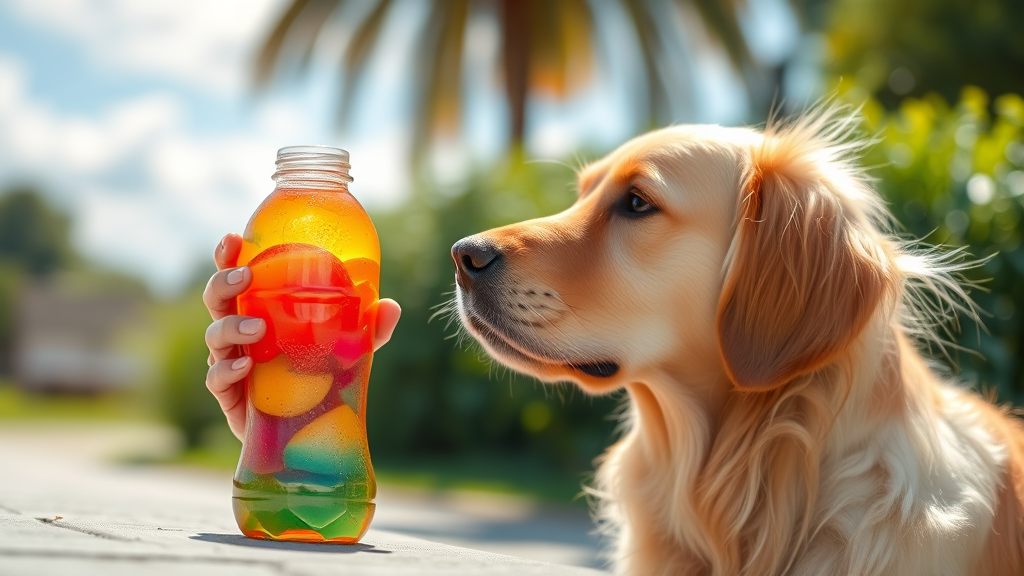
As pet owners, we often wonder if we can share our favorite beverages with our furry companions, especially during hot summer days or after exercise. One common question that arises is whether dogs can safely consume Gatorade, the popular sports drink designed to replenish electrolytes in humans. While it might seem like a logical choice for rehydrating an active dog, the answer isn’t as straightforward as you might think.
Understanding what’s safe for your canine companion is crucial for their health and wellbeing. Dogs have different nutritional needs and metabolic processes than humans, which means that beverages formulated for people may not always be appropriate for our four-legged friends. Before reaching for that bottle of Gatorade to help your dog cool down or recover from activity, it’s essential to understand the potential risks and benefits involved.
What Is Gatorade and Its Ingredients
Gatorade is a sports drink specifically formulated to help athletes and active individuals replace fluids, electrolytes, and carbohydrates lost during intense physical activity. The drink was originally developed in 1965 at the University of Florida for the school’s football team, the Gators, hence the name. Since then, it has become one of the most popular sports beverages worldwide.
The primary ingredients in Gatorade include water, sugar (typically high fructose corn syrup or sucrose), salt, potassium, and various artificial flavors and colors. The drink is designed to have an optimal balance of sodium and potassium to help maintain proper electrolyte levels in the human body. Additionally, most Gatorade products contain citric acid for flavor enhancement and preservation.
While these ingredients serve important functions for human athletes, their effects on dogs can be quite different. Dogs process sugars, sodium, and artificial additives differently than humans, which is why understanding these ingredients is crucial when considering whether dogs can drink Gatorade safely.
Can Dogs Have Gatorade? The Short Answer
The short answer is that Gatorade is not recommended for dogs and should generally be avoided. While small amounts are unlikely to cause immediate harm to most dogs, Gatorade is not formulated for canine consumption and can potentially lead to various health issues. The American Kennel Club and veterinary professionals generally advise against giving sports drinks to dogs.
Dogs have different hydration and electrolyte needs compared to humans. Their bodies are designed to maintain proper fluid balance primarily through fresh water consumption, and they don’t typically require the additional electrolytes and sugars found in sports drinks. In fact, these additives can sometimes do more harm than good for our canine companions.
The primary concerns with giving Gatorade to dogs include the high sugar content, artificial additives, and sodium levels that may not be appropriate for canine physiology. Unlike humans who lose significant amounts of electrolytes through sweat during intense exercise, dogs primarily regulate their body temperature through panting and have minimal sweat production, making electrolyte replacement less critical.
Potential Risks of Giving Dogs Gatorade
Several potential risks are associated with giving Gatorade to dogs, ranging from mild digestive upset to more serious health complications. Understanding these risks can help pet owners make informed decisions about their dog’s hydration needs.
The high sugar content in Gatorade poses one of the most significant concerns. Dogs can develop digestive issues such as diarrhea, vomiting, and stomach upset when consuming high amounts of sugar. Additionally, excessive sugar intake can contribute to weight gain, dental problems, and potentially increase the risk of diabetes in susceptible dogs.
Artificial sweeteners present another serious risk. Some Gatorade products may contain xylitol or other artificial sweeteners that are toxic to dogs. Xylitol can cause a rapid drop in blood sugar levels, leading to weakness, loss of coordination, and potentially life-threatening hypoglycemia. Always check ingredient labels carefully, as formulations can vary between products and regions.
The sodium content in Gatorade, while beneficial for humans during intense exercise, can be problematic for dogs. Excessive sodium intake can lead to increased thirst, frequent urination, and in severe cases, sodium ion poisoning. Dogs with pre-existing heart conditions, kidney disease, or high blood pressure are particularly vulnerable to the negative effects of high sodium consumption.
Artificial colors and flavors in Gatorade may also cause allergic reactions or sensitivities in some dogs. These additives serve no nutritional purpose for dogs and can potentially trigger gastrointestinal upset or skin reactions in sensitive individuals.
When Might Gatorade Be Considered for Dogs
While Gatorade is generally not recommended for dogs, there are rare circumstances where a veterinarian might suggest diluted electrolyte solutions for specific medical situations. These instances are typically limited to cases of severe dehydration, illness, or recovery from certain medical procedures, and should only be administered under professional veterinary guidance.
Some veterinarians might recommend heavily diluted Gatorade (mixed with water in a 1:1 or even 1:2 ratio) as a temporary measure for dogs experiencing mild dehydration due to illness, particularly if the dog is reluctant to drink plain water. However, this should never be a first-line treatment or a substitute for proper veterinary care.
It’s important to note that even in these limited circumstances, there are usually better alternatives specifically designed for dogs. Veterinary-approved electrolyte solutions are formulated with canine physiology in mind and provide a safer option for addressing dehydration and electrolyte imbalances in dogs.
The key point to remember is that any decision to give a dog Gatorade, even in diluted form, should always be made in consultation with a veterinarian who can assess the individual dog’s health status and specific needs. Self-medicating pets with human products can lead to unintended consequences and potentially worsen underlying health conditions.
Safer Alternatives for Dog Hydration
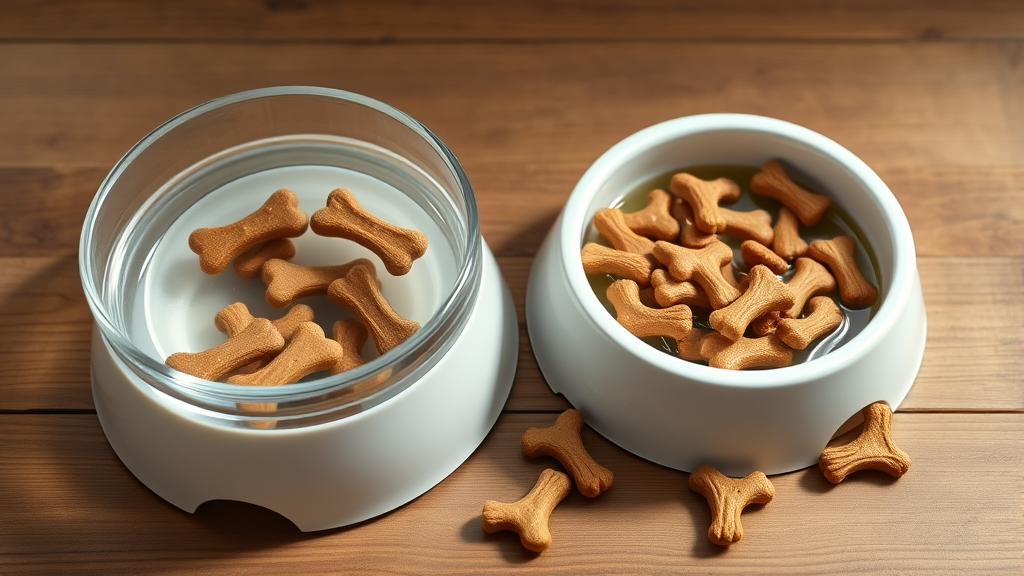
Fresh, clean water remains the best and safest option for keeping dogs properly hydrated. Unlike humans, dogs don’t typically need additional electrolytes or sugars to maintain proper hydration levels during normal activities. However, there are several safe alternatives to consider when your dog needs extra encouragement to drink or requires additional hydration support.
Bone broth made specifically for dogs or low-sodium versions can provide both hydration and nutritional benefits. Many pet stores carry dog-safe bone broths that are free from harmful ingredients like onions, garlic, and excessive sodium. You can also make homemade bone broth using dog-safe ingredients, ensuring it’s properly cooled before serving.
Coconut water is another alternative that some dog owners consider, though it should be given in moderation. Plain, unsweetened coconut water contains natural electrolytes and is generally safer than sports drinks. However, it’s worth exploring whether dogs can drink coconut water safely, as even natural alternatives require careful consideration.
For dogs who are reluctant to drink water, adding small amounts of low-sodium chicken broth to their water bowl can encourage consumption. Ice cubes made from broth or even plain water can also serve as both a hydration source and an entertaining treat, especially during hot weather.
Some pet stores also carry electrolyte supplements specifically formulated for dogs. These products are designed with canine nutritional needs in mind and provide a safer alternative to human sports drinks when additional electrolyte support is needed.
It’s also worth considering other beverage options that dog owners commonly ask about. For instance, understanding whether dogs can drink milk or exploring questions about cranberry juice for dogs can help create a comprehensive understanding of safe hydration options.
Recognizing Signs of Dehydration in Dogs
Understanding how to recognize dehydration in dogs is crucial for every pet owner. Early detection allows for prompt intervention and can prevent more serious health complications. Dehydration can occur due to various factors including illness, hot weather, excessive exercise, or inadequate water intake.
One of the most reliable tests for dehydration is the skin tent test. Gently pinch the skin on the back of your dog’s neck or between the shoulder blades and lift it up. In a well-hydrated dog, the skin should quickly snap back into place when released. If the skin remains tented or returns slowly to its normal position, this may indicate dehydration.
Other physical signs of dehydration include sticky or dry gums, excessive panting, lethargy, loss of appetite, and sunken eyes. A dehydrated dog’s saliva may become thick and sticky, and their nose might feel dry and warm. Severe dehydration can also cause weakness, collapse, and changes in mental alertness.
Monitoring your dog’s water consumption is also important. Most dogs should drink approximately one ounce of water per pound of body weight daily, though this can vary based on activity level, weather, and diet. If you notice significant changes in drinking patterns, it’s worth understanding why dogs might drink excessively or conversely, why they might drink less than usual.
Environmental factors can significantly impact a dog’s hydration needs. Hot weather, intense exercise, and certain medical conditions can increase fluid requirements. It’s also important to know how long dogs can survive without water to understand the urgency of addressing hydration issues.
When to Seek Veterinary Guidance
Knowing when to consult with a veterinarian about your dog’s hydration needs is essential for maintaining their health and wellbeing. While mild dehydration can sometimes be addressed at home with increased water access, more serious cases require professional medical attention.
Immediate veterinary care should be sought if your dog shows severe signs of dehydration such as vomiting, diarrhea lasting more than 24 hours, extreme lethargy, collapse, or if the skin tent test indicates significant dehydration. Puppies, senior dogs, and those with pre-existing health conditions are at higher risk for dehydration-related complications and should be monitored more closely.
According to the American Veterinary Medical Association, dehydration can quickly become life-threatening, especially in small dogs, puppies, and elderly pets. Professional veterinary assessment can determine the severity of dehydration and the most appropriate treatment approach.
Veterinarians have access to specialized treatments for dehydration, including subcutaneous or intravenous fluid therapy, which can quickly restore proper hydration levels. They can also identify and address underlying causes of dehydration, such as kidney disease, diabetes, or gastrointestinal disorders.
If you’re ever unsure about your dog’s hydration status or considering giving them any human beverages, consulting with your veterinarian is always the safest approach. They can provide personalized advice based on your dog’s specific health needs, age, size, and medical history. The Pet Poison Helpline also provides valuable resources for pet owners dealing with hydration emergencies.
Frequently Asked Questions
Can I give my dog a small amount of Gatorade as a treat?
While a small lick or sip of Gatorade is unlikely to cause immediate harm to most healthy dogs, it’s not recommended as a treat. The high sugar content, artificial additives, and sodium levels make it an inappropriate choice for dogs. Instead, offer dog-safe treats or fresh water with a splash of low-sodium broth for flavor.
What should I do if my dog accidentally drank a lot of Gatorade?
If your dog consumed a significant amount of Gatorade, monitor them closely for signs of digestive upset such as vomiting, diarrhea, excessive thirst, or lethargy. Provide plenty of fresh water and contact your veterinarian for guidance. The severity of the situation will depend on the amount consumed, your dog’s size, and their individual sensitivity to the ingredients.
Are there any Gatorade flavors that are safer for dogs than others?
No Gatorade flavors are specifically safe for dogs, as they all contain high amounts of sugar, sodium, and artificial additives that are inappropriate for canine consumption. Some flavors may contain additional ingredients like artificial sweeteners (particularly xylitol) that are toxic to dogs, making certain varieties even more dangerous.
Can I dilute Gatorade with water to make it safer for my dog?
While diluting Gatorade with water reduces the concentration of problematic ingredients, it doesn’t eliminate the risks entirely. Even diluted Gatorade still contains sugar, sodium, and artificial additives that aren’t beneficial for dogs. Fresh water or veterinary-approved electrolyte solutions designed for dogs are much safer alternatives.
How can I tell if my dog needs electrolyte replacement?
Most healthy dogs maintain proper electrolyte balance through normal water consumption and don’t require additional electrolyte supplementation. Signs that might indicate electrolyte imbalance include persistent vomiting, diarrhea, extreme lethargy, muscle weakness, or seizures. These symptoms warrant immediate veterinary attention rather than home treatment with sports drinks.
What’s the best way to keep my dog hydrated during hot weather?
The best way to keep dogs hydrated in hot weather is to provide constant access to fresh, cool water. Create shaded areas, limit outdoor activity during peak heat hours, and consider offering ice cubes or frozen treats made from dog-safe ingredients. Never leave dogs in hot cars, and watch for signs of heat exhaustion or dehydration.
Are there any dogs that should never have Gatorade under any circumstances?
Dogs with diabetes, heart disease, kidney problems, or those on sodium-restricted diets should never be given Gatorade. Additionally, puppies under six months old and senior dogs are more sensitive to dietary changes and should stick to water and veterinary-approved supplements only. When in doubt, always consult with your veterinarian before introducing any new beverages or treats to your dog’s diet.





