
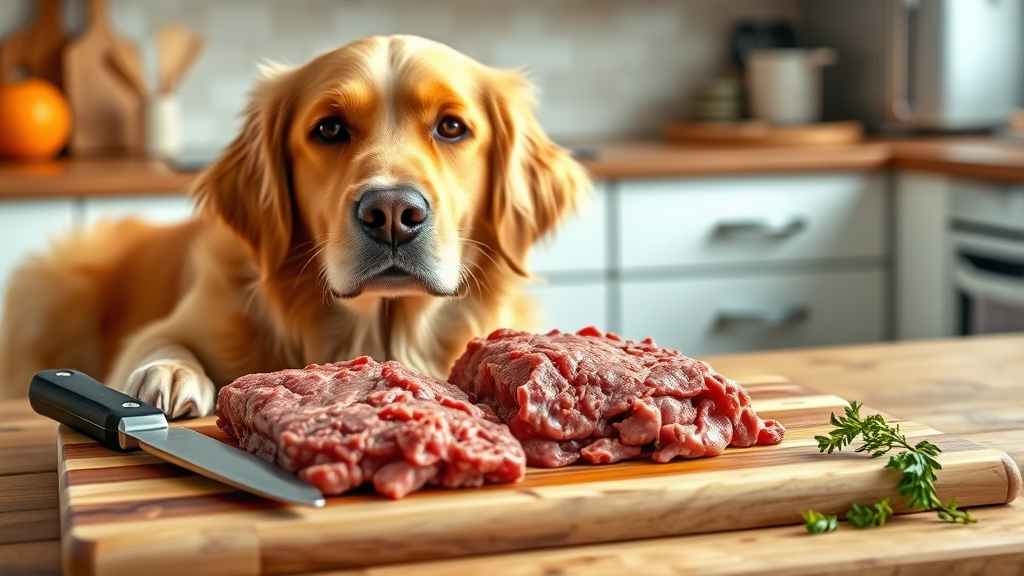
Many pet owners find themselves wondering about the safety of feeding their dogs human foods, particularly when it comes to protein sources like ground beef. As one of the most common ingredients in many households, ground beef often catches our attention as a potential treat or meal supplement for our canine companions. Understanding whether can dogs eat ground beef is crucial for maintaining your pet’s health and wellbeing.
The relationship between dogs and beef is complex, involving considerations of preparation methods, nutritional benefits, potential risks, and proper serving guidelines. While dogs are naturally carnivorous and can benefit from high-quality protein sources, not all forms of beef are created equal when it comes to canine consumption. This comprehensive guide will explore everything you need to know about feeding ground beef to your furry friend, from safety considerations to preparation methods.
Nutritional Benefits of Ground Beef for Dogs
Ground beef offers several nutritional advantages that can benefit your dog’s overall health when prepared and served correctly. As a complete protein source, ground beef contains all essential amino acids that dogs require for muscle development, tissue repair, and overall bodily functions. The high protein content, typically ranging from 15-20 grams per 100 grams of meat, supports your dog’s energy needs and helps maintain lean muscle mass.
The iron content in ground beef is particularly beneficial for dogs, as it helps prevent anemia and supports healthy blood cell production. Additionally, ground beef provides essential B vitamins, including B12, niacin, and riboflavin, which are crucial for nervous system function and energy metabolism. The zinc present in beef supports immune system function and promotes healthy skin and coat.
Ground beef also contains phosphorus, which works alongside calcium to maintain strong bones and teeth. The selenium found in beef acts as an antioxidant, helping to protect cells from damage and supporting immune function. According to the American Kennel Club, high-quality protein sources like beef can significantly contribute to a dog’s nutritional requirements when incorporated properly into their diet.

Safety Considerations and Potential Risks
While ground beef can be a nutritious addition to your dog’s diet, several safety considerations must be addressed before serving it to your pet. The primary concern revolves around the fat content, as many commercial ground beef products contain high levels of saturated fats that can lead to pancreatitis, obesity, and digestive issues in dogs. Choosing lean ground beef with a fat content of 90/10 or higher is essential for minimizing these risks.
Bacterial contamination poses another significant risk, particularly with can dogs eat raw ground beef preparations. Raw ground beef can harbor dangerous pathogens such as E. coli, Salmonella, and Listeria, which can cause severe illness in both dogs and humans. The FDA strongly advises against feeding raw meat to pets due to these bacterial risks.
Seasoning and additives commonly found in ground beef prepared for human consumption can be toxic to dogs. Onions, garlic, salt, and various spices can cause serious health problems ranging from gastrointestinal upset to more severe conditions like hemolytic anemia. Always ensure that any ground beef given to dogs is plain and free from seasonings or additives.
Proper Preparation Methods
The key to safely preparing ground beef for your dog lies in proper cooking techniques and handling procedures. Start by selecting the leanest ground beef available, preferably with a fat ratio of 90/10 or 95/5. Thoroughly cook the meat to an internal temperature of at least 160°F (71°C) to eliminate harmful bacteria and pathogens that could cause illness.
When cooking ground beef for dogs, avoid using any oils, butter, or seasonings. Simply brown the meat in a clean pan over medium heat, breaking it into small, manageable pieces that are appropriate for your dog’s size. Once cooked, drain any excess fat thoroughly and allow the meat to cool to room temperature before serving. This preparation method ensures maximum safety while preserving the nutritional benefits.
Storage is equally important in maintaining food safety. Cooked ground beef for dogs should be refrigerated within two hours of cooking and consumed within 3-4 days. For longer storage, freeze portions in airtight containers for up to three months. Similar to how to boil chicken for dogs, proper preparation and storage are essential for maintaining food safety.
Serving Size Guidelines and Frequency
Determining the appropriate serving size of ground beef for your dog depends on several factors, including your pet’s size, weight, activity level, and overall dietary needs. As a general rule, treats and supplemental foods like ground beef should not exceed 10% of your dog’s daily caloric intake. For a typical 50-pound dog, this translates to approximately 2-3 ounces of cooked ground beef per day.
Smaller dogs require proportionally smaller amounts, with toy breeds needing only 1-2 tablespoons of cooked ground beef as an occasional treat. Larger breeds may handle slightly larger portions, but it’s crucial to monitor your dog’s weight and adjust accordingly. The American Veterinary Medical Association recommends consulting with your veterinarian to determine appropriate portion sizes based on your dog’s individual needs.
Frequency of feeding is equally important. Ground beef should be considered an occasional treat rather than a daily staple. Offering ground beef 2-3 times per week is generally safe for most healthy dogs, but this can vary based on your pet’s specific dietary requirements and health conditions. Always introduce new foods gradually to monitor for any adverse reactions.

Raw vs. Cooked Ground Beef Debate
The debate between feeding raw versus cooked ground beef to dogs continues to divide pet owners and even some veterinary professionals. Proponents of raw feeding argue that dogs’ digestive systems are naturally designed to process raw meat and that cooking destroys essential enzymes and nutrients. However, the scientific evidence supporting these claims remains limited and controversial.
From a safety perspective, cooked ground beef significantly reduces the risk of bacterial contamination and foodborne illness. The cooking process eliminates harmful pathogens while still preserving most of the nutritional benefits that make beef valuable for dogs. The Centers for Disease Control and Prevention supports cooking meat thoroughly to prevent foodborne illnesses in both pets and their human families.
If you’re considering raw feeding, it’s essential to source high-quality, human-grade meat from reputable suppliers and follow strict food safety protocols. However, most veterinarians recommend cooked ground beef as the safer option for the majority of pet owners. The question of whether can dogs eat raw steak involves similar considerations regarding bacterial risks and food safety.
Alternative Protein Sources
While ground beef can be a nutritious option for dogs, it’s important to consider alternative protein sources that may be more suitable for certain pets or situations. Ground turkey is often recommended as a leaner alternative to beef, with lower fat content and similar protein benefits. Many dogs with beef sensitivities can tolerate can dogs eat ground turkey without issues.
Chicken is another excellent protein source that’s generally well-tolerated by most dogs and often more affordable than beef. Fish provides omega-3 fatty acids that support skin, coat, and joint health. Lamb can be a good option for dogs with common protein allergies, though it tends to be higher in fat than other options.
For dogs with sensitive stomachs or digestive issues, easily digestible proteins become particularly important. Understanding what to feed a dog with diarrhea can help guide protein choices during digestive upset. The Humane Society provides comprehensive guidelines for selecting appropriate protein sources based on individual dog needs.
When to Avoid Ground Beef
Certain circumstances and health conditions warrant avoiding ground beef entirely or seeking veterinary guidance before introduction. Dogs with pancreatitis or a history of digestive issues may not tolerate the fat content in ground beef, even lean varieties. The high protein content can also be problematic for dogs with kidney disease or liver problems.
Food allergies and sensitivities are common reasons to avoid beef products. Signs of beef allergy include skin irritation, excessive scratching, digestive upset, and chronic ear infections. If your dog shows any of these symptoms after consuming beef, discontinue feeding and consult your veterinarian for proper allergy testing.
Dogs on prescription diets for medical conditions should not receive ground beef without veterinary approval, as it may interfere with their therapeutic nutrition plan. Similarly, overweight dogs may need to avoid high-calorie treats like ground beef until they reach a healthy weight. It’s worth noting that processed beef products like can dogs eat beef jerky present additional risks and should generally be avoided.
Puppies under 12 weeks old have developing digestive systems that may not handle rich foods like ground beef well. Senior dogs with compromised immune systems may also be more susceptible to foodborne illnesses from improperly prepared meat. The ASPCA provides detailed guidance on age-appropriate nutrition for dogs at different life stages.
Frequently Asked Questions
Can dogs eat ground beef every day?
No, dogs should not eat ground beef every day. While ground beef is nutritious, it should be considered an occasional treat rather than a daily meal component. Daily consumption can lead to nutritional imbalances, weight gain, and digestive issues. Limit ground beef to 2-3 times per week and ensure it doesn’t exceed 10% of your dog’s daily caloric intake.
How much ground beef can I give my dog?
The amount of ground beef depends on your dog’s size and weight. For a 50-pound dog, 2-3 ounces of cooked ground beef is appropriate as an occasional treat. Smaller dogs need proportionally less, while larger dogs may handle slightly more. Always consult with your veterinarian to determine the right portion size for your specific dog’s needs and dietary requirements.
Should ground beef be cooked before giving it to dogs?
Yes, ground beef should always be cooked before feeding it to dogs. Cooking eliminates harmful bacteria like E. coli and Salmonella that can cause serious illness. Cook ground beef to an internal temperature of 160°F (71°C), drain excess fat, and avoid using any seasonings, oils, or additives that could be harmful to dogs.
What are the signs that ground beef doesn’t agree with my dog?
Signs that ground beef may not agree with your dog include vomiting, diarrhea, excessive gas, loss of appetite, lethargy, or skin irritation. Some dogs may also experience allergic reactions manifesting as itching, ear infections, or respiratory issues. If you notice any of these symptoms after feeding ground beef, discontinue use and consult your veterinarian.
Is lean ground beef better for dogs than regular ground beef?
Yes, lean ground beef is significantly better for dogs than regular ground beef. Choose ground beef with a fat ratio of 90/10 or 95/5 to minimize the risk of pancreatitis and digestive upset. High-fat content can lead to serious health problems in dogs, so selecting the leanest option available is always recommended.
Can puppies eat ground beef?
Puppies can eat small amounts of properly cooked, lean ground beef, but it should be introduced gradually and in very small portions. Puppies have sensitive digestive systems and specific nutritional needs that are best met through high-quality puppy food. Always consult with your veterinarian before introducing new foods to puppies, especially those under 12 weeks old.
What’s the difference between feeding ground beef and beef jerky to dogs?
Ground beef, when properly prepared, is much safer than commercial beef jerky for dogs. The question of whether can dogs have beef jerky involves additional concerns about high sodium content, preservatives, and seasonings that can be toxic to dogs. Plain, cooked ground beef is a much healthier option that provides protein without the additives found in processed jerky products.





