
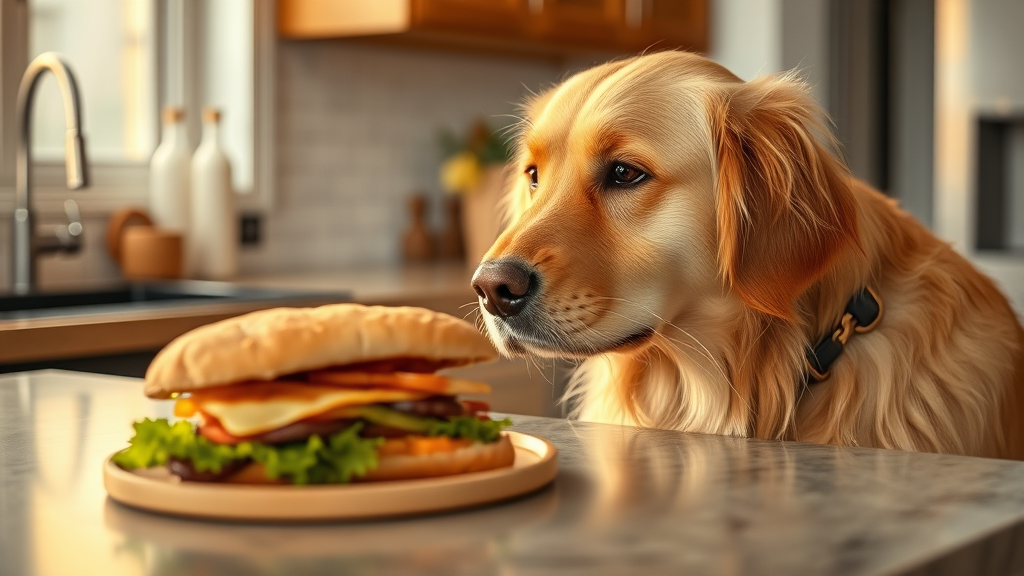
As a pet owner, you’ve likely found yourself wondering whether common household foods are safe for your furry companion. Mayonnaise, a popular condiment found in most kitchens, often raises questions among dog parents. Whether your curious pup has snatched a dollop from your sandwich or you’re considering sharing a mayo-based dish, understanding the safety implications is crucial for your dog’s health and wellbeing.
While dogs can technically consume small amounts of mayonnaise without immediate harm, this creamy condiment isn’t an ideal treat for our canine friends. The high fat content, potential allergens, and various ingredients in commercial mayonnaise can pose health risks that every responsible pet owner should understand. Let’s explore the comprehensive guide to mayonnaise and dogs, covering everything from ingredients to safer alternatives.
What is Mayonnaise and Its Ingredients
Mayonnaise is an emulsion-based condiment primarily composed of egg yolks, oil, vinegar or lemon juice, and various seasonings. Commercial varieties often contain additional preservatives, stabilizers, and flavor enhancers that can affect dogs differently than humans. Understanding these ingredients helps pet owners make informed decisions about can dogs have mayonnaise safely.
The primary concern with mayonnaise lies in its high fat content, typically ranging from 70-80% fat. This concentration comes mainly from vegetable oils like soybean, canola, or sunflower oil. While these oils aren’t inherently toxic to dogs, the quantity present in mayonnaise can overwhelm a dog’s digestive system, particularly in smaller breeds or dogs with sensitive stomachs.
Egg yolks, another key ingredient, are generally safe for dogs in moderation. However, some dogs may have egg allergies, making mayonnaise problematic. Additionally, commercial mayonnaise often contains garlic powder, onion powder, or other seasonings that are toxic to dogs, even in small amounts.
Can Dogs Eat Mayonnaise Safely
The short answer is that dogs can consume small amounts of plain mayonnaise occasionally without immediate danger, but it’s not recommended as a regular treat or food addition. The American Kennel Club emphasizes that high-fat foods like mayonnaise should be avoided to prevent digestive issues and long-term health problems.
A tiny lick or accidental consumption of mayonnaise typically won’t harm most healthy adult dogs. However, puppies, senior dogs, and those with existing health conditions face higher risks. Dogs with pancreatitis, obesity, or digestive sensitivities should never consume mayonnaise, as it can trigger serious health complications.
The size of your dog also matters significantly. A large German Shepherd might tolerate a small amount better than a Chihuahua, simply due to body mass and metabolic differences. However, regardless of size, mayonnaise offers no nutritional benefits to dogs and should never replace proper dog treats or food.
Health Risks and Concerns
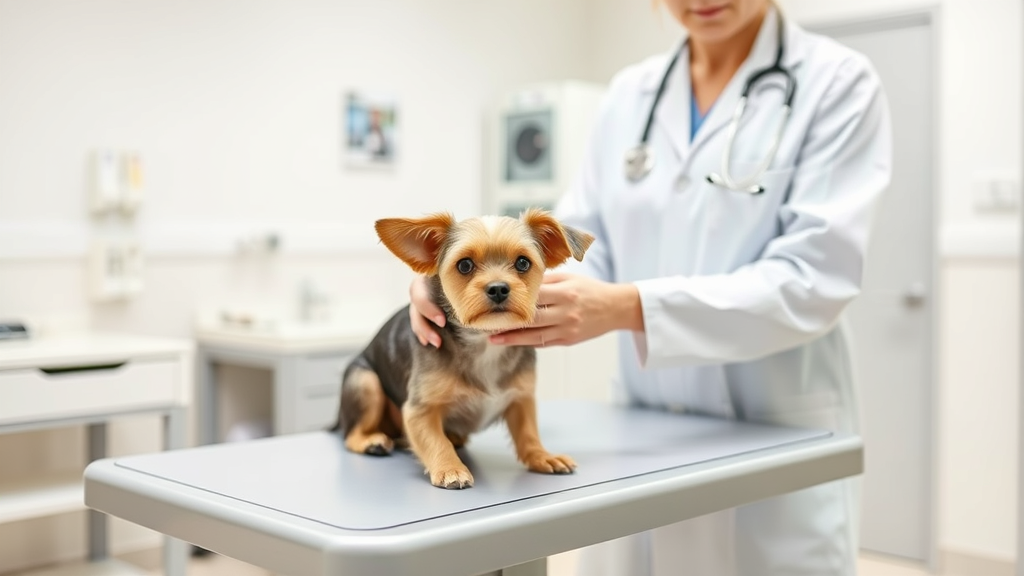
Several serious health risks accompany mayonnaise consumption in dogs. The most immediate concern is pancreatitis, an inflammation of the pancreas triggered by high-fat foods. This condition can be life-threatening and requires immediate veterinary attention. According to the American Veterinary Medical Association, pancreatitis symptoms include vomiting, diarrhea, lethargy, and abdominal pain.
Obesity represents another significant long-term risk. Regular consumption of high-calorie, high-fat foods like mayonnaise can contribute to weight gain, leading to joint problems, diabetes, and cardiovascular issues. The excess calories in just one tablespoon of mayonnaise can represent a substantial portion of a small dog’s daily caloric needs.
Gastrointestinal upset is common after mayonnaise consumption, manifesting as diarrhea, vomiting, or stomach discomfort. Some dogs may also experience allergic reactions to eggs or other ingredients, resulting in skin irritation, itching, or more severe allergic responses. Additionally, many commercial mayonnaises contain preservatives and artificial ingredients that can cause adverse reactions in sensitive dogs.
Symptoms to Watch For
If your dog has consumed mayonnaise, monitor them closely for several hours to days afterward. Immediate symptoms may include vomiting, diarrhea, excessive drooling, or signs of stomach discomfort such as whining or restlessness. These symptoms typically appear within 2-6 hours of consumption.
More serious symptoms requiring immediate veterinary attention include persistent vomiting, bloody diarrhea, severe lethargy, loss of appetite, or signs of abdominal pain such as a hunched posture or reluctance to move. Difficulty breathing, swelling, or hives may indicate an allergic reaction and constitute a veterinary emergency.
For dogs prone to pancreatitis, watch for fever, dehydration, and severe abdominal tenderness. The PetMD veterinary resource notes that pancreatitis symptoms can develop 24-72 hours after consuming high-fat foods, making continued monitoring essential.
Safe Alternatives and Healthy Options
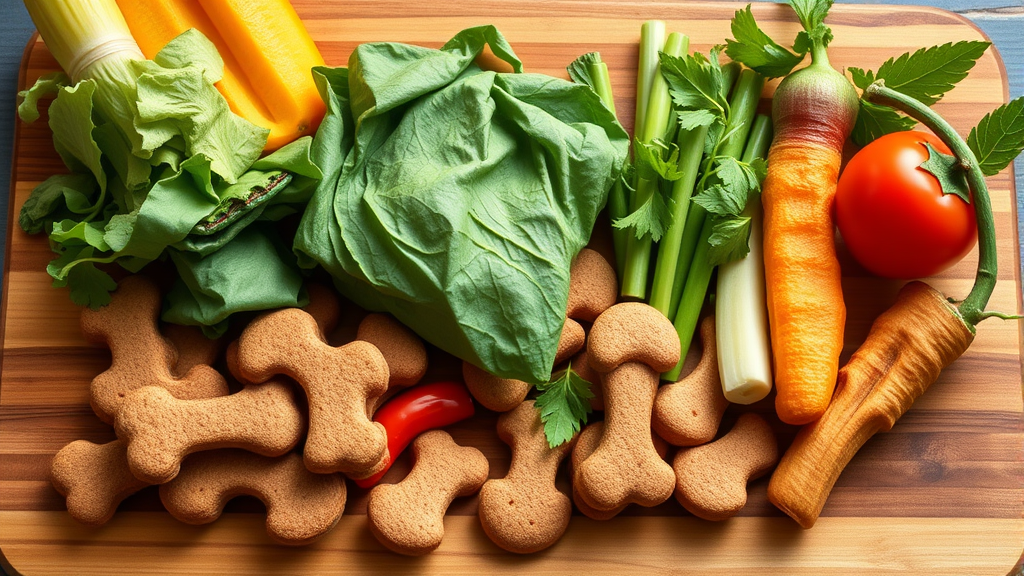
Instead of mayonnaise, consider healthier alternatives that provide flavor and nutrition without the associated risks. Plain, unsweetened Greek yogurt in small amounts can offer probiotics and protein, though you should research whether can dogs eat greek yogurt based on your pet’s specific dietary needs.
For dogs who enjoy creamy textures, small amounts of plain pumpkin puree (not pie filling) provide fiber, vitamins, and a naturally sweet taste. Mashed banana or sweet potato can also satisfy a dog’s desire for rich, creamy foods while providing beneficial nutrients.
When considering dairy alternatives, investigate whether can dogs eat cheese or can dogs eat sour cream, as these options may be safer in moderation. For cooking purposes, small amounts of certain oils might be acceptable, such as exploring whether can dogs have olive oil or can dogs have avocado oil in minimal quantities.
What to Do If Your Dog Eats Mayo
If your dog consumes mayonnaise, remain calm and assess the situation. Note the amount consumed, the time of ingestion, and your dog’s current condition. For small amounts (a lick or small spoonful), monitor your dog closely but don’t panic. Ensure fresh water is available and withhold food for a few hours to allow their stomach to settle.
For larger quantities or if your dog shows immediate distress, contact your veterinarian or pet poison control hotline. The ASPCA Animal Poison Control Center provides 24/7 guidance for pet emergencies. Never induce vomiting unless specifically instructed by a veterinary professional, as this can sometimes cause more harm than good.
Document all symptoms and their timeline, as this information helps veterinarians provide appropriate treatment. If veterinary care is needed, bring the mayonnaise container to show ingredients and help the vet assess potential complications. Early intervention often prevents minor incidents from becoming serious health issues.
Prevention and Safe Storage Tips
Prevention remains the best strategy for keeping your dog safe from potentially harmful foods. Store mayonnaise and other condiments in cabinets or refrigerator areas inaccessible to curious pets. Many dogs are remarkably resourceful at accessing food, so consider childproof latches for lower cabinets.
Educate family members, especially children, about not sharing human food with pets without permission. Create designated eating areas where dogs aren’t allowed during meal preparation or consumption. This reduces opportunities for accidental ingestion and teaches boundaries.
When preparing meals, clean up spills immediately and dispose of food scraps properly. Consider using dog-proof trash cans with secure lids to prevent scavenging. If you’re exploring other egg-based foods for your pet, research topics like whether can dogs eat scrambled eggs or can dogs eat egg shells to make informed decisions about safe alternatives.
Training your dog with commands like “leave it” or “drop it” can prevent many food-related incidents. Regular training reinforcement helps ensure your dog responds appropriately when encountering potentially harmful foods. The Humane Society offers excellent resources for basic obedience training that can prevent food-related emergencies.
Frequently Asked Questions
Can a small amount of mayonnaise kill my dog?
A small amount of mayonnaise is unlikely to kill a healthy dog, but it can cause digestive upset and contribute to long-term health issues. However, dogs with pre-existing conditions like pancreatitis or those with severe allergies could face serious complications. Always consult your veterinarian if you’re concerned about your dog’s reaction to any human food.
What should I do if my dog ate a sandwich with mayonnaise?
Monitor your dog closely for symptoms like vomiting, diarrhea, or lethargy. Remove any remaining food and provide fresh water. If your dog consumed a large amount or shows signs of distress, contact your veterinarian. Most dogs will experience mild digestive upset that resolves within 24-48 hours, but professional guidance ensures proper care.
Are there any types of mayonnaise that are safer for dogs?
Homemade mayonnaise using only egg yolks, oil, and vinegar (without garlic, onion, or other seasonings) is marginally safer than commercial varieties, but it’s still not recommended due to high fat content. No mayonnaise is truly “safe” for regular consumption by dogs, regardless of ingredients or preparation method.
How much mayonnaise is too much for a dog?
Any amount of mayonnaise is considered “too much” for dogs from a nutritional standpoint. Even a teaspoon can cause digestive upset in small dogs or those with sensitive stomachs. Larger dogs might tolerate slightly more, but the high fat content makes any amount potentially problematic, especially with repeated exposure.
Can mayonnaise cause pancreatitis in dogs?
Yes, mayonnaise can trigger pancreatitis in dogs due to its extremely high fat content. This is especially true for dogs with previous episodes of pancreatitis or those predisposed to the condition. Pancreatitis is a serious medical emergency requiring immediate veterinary care, and prevention through dietary management is crucial.
What are the signs of food poisoning from mayonnaise in dogs?
Signs include vomiting, diarrhea, loss of appetite, lethargy, excessive drooling, and abdominal discomfort. Severe cases may involve dehydration, fever, or signs of pain. Food poisoning symptoms typically develop within hours of consumption and may persist for 24-72 hours depending on the amount consumed and the dog’s individual sensitivity.
Are there healthy alternatives to mayonnaise I can give my dog?
Yes, safer alternatives include small amounts of plain Greek yogurt, pumpkin puree, mashed banana, or specially formulated dog treats. These options provide creamy textures and flavors without the excessive fat content and potential toxins found in mayonnaise. Always introduce new foods gradually and in moderation to assess your dog’s tolerance.





