

As pet owners, we often find ourselves questioning whether common household herbs and spices are safe for our furry companions. Oregano, a popular Mediterranean herb used in countless recipes, frequently raises concerns among dog parents who want to ensure their pets’ safety while potentially sharing beneficial foods.
Understanding which herbs are safe for dogs is crucial for responsible pet ownership. While some herbs can offer health benefits, others may pose serious risks to our canine friends. This comprehensive guide will explore everything you need to know about oregano and dogs, helping you make informed decisions about your pet’s diet and health.
Understanding Oregano: The Herb Breakdown
Oregano (Origanum vulgare) is a perennial herb belonging to the mint family, widely cultivated for its aromatic leaves used in cooking and traditional medicine. This Mediterranean native contains several active compounds, including carvacrol, thymol, and rosmarinic acid, which contribute to its distinctive flavor and potential therapeutic properties.
There are several varieties of oregano, with common oregano (Origanum vulgare) being the most widely used in culinary applications. Mediterranean oregano tends to have a stronger flavor profile, while Mexican oregano, despite its name, belongs to a different plant family entirely. Understanding these distinctions is important when considering what spices might be appropriate for your dog.
The herb has been used for centuries in traditional medicine for its antimicrobial, antioxidant, and anti-inflammatory properties. Modern research has identified oregano’s potential benefits, including its ability to support digestive health and boost immune system function. However, the concentration of active compounds can vary significantly between fresh, dried, and oil forms of oregano.
Is Oregano Safe for Dogs?
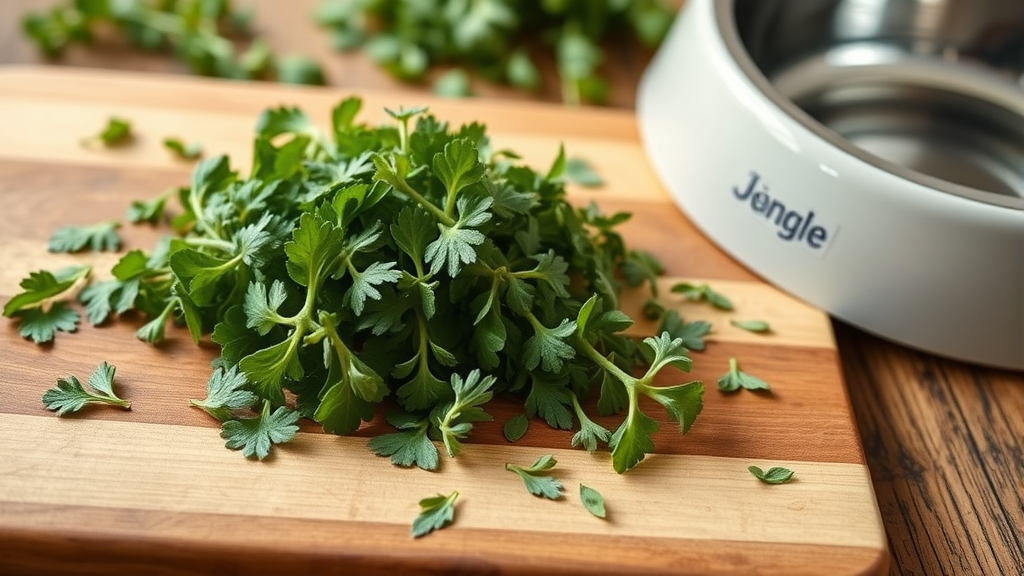
The good news for dog owners is that oregano is generally considered safe for dogs when used in small amounts. According to the ASPCA’s list of toxic and non-toxic plants, oregano is not listed among the plants that are toxic to dogs, cats, or horses.
However, safety doesn’t mean unlimited consumption. Like many herbs and spices, oregano should be given to dogs in moderation. The key lies in understanding the difference between oregano as a occasional dietary addition versus concentrated forms like essential oils, which can be problematic for pets.
Fresh oregano leaves are typically the safest option for dogs, as they contain lower concentrations of active compounds compared to dried oregano or oregano oil. When considering herbs for your pet, it’s worth exploring other safe options like basil or understanding what seasonings are generally appropriate for canine consumption.
The American Kennel Club emphasizes that while many herbs can be beneficial for dogs, proper dosage and preparation are crucial factors in ensuring safety. Individual dogs may also have varying tolerances to different herbs and spices.
Potential Health Benefits of Oregano for Dogs
When used appropriately, oregano may offer several health benefits for dogs. The herb’s antimicrobial properties, primarily attributed to compounds like carvacrol and thymol, may help support your dog’s immune system and fight against harmful bacteria and fungi.
Oregano’s antioxidant properties can help combat free radicals in your dog’s body, potentially supporting overall cellular health and reducing inflammation. Some pet owners and holistic veterinarians believe that oregano may help with digestive issues, though scientific research specifically focused on dogs is limited.
The anti-inflammatory compounds in oregano might provide relief for dogs with certain inflammatory conditions, though this should never replace proper veterinary treatment. Additionally, oregano’s natural antimicrobial properties have led some to use it as a natural approach to supporting respiratory health in pets.
Research published in veterinary journals suggests that certain herbs, including oregano, may have prebiotic effects, potentially supporting beneficial gut bacteria in dogs. However, more research is needed to fully understand these effects and establish appropriate dosing guidelines for canine use.

Risks and Considerations
While oregano is generally safe for dogs, there are several important considerations and potential risks to keep in mind. Oregano essential oil is significantly more concentrated than fresh or dried oregano and can be toxic to dogs in even small amounts. Never give your dog oregano essential oil without explicit veterinary guidance.
Some dogs may be allergic to oregano or other members of the mint family. Signs of an allergic reaction can include itching, skin irritation, digestive upset, or more severe symptoms. Always introduce any new food or herb gradually and monitor your dog closely for adverse reactions.
Pregnant or nursing dogs should avoid oregano, as some compounds in the herb may affect hormone levels or milk production. Dogs with certain medical conditions, particularly those affecting the liver or kidneys, should also avoid oregano unless specifically approved by a veterinarian.
The American Veterinary Medical Association reminds pet owners that herbs can interact with medications, so dogs taking prescription drugs should have herb supplementation discussed with their veterinarian first.
How to Safely Give Oregano to Your Dog
If you decide to give your dog oregano, start with very small amounts to assess tolerance. Fresh oregano leaves can be finely chopped and sprinkled over your dog’s regular food. A pinch or two for a medium-sized dog is typically sufficient to start.
Dried oregano can also be used, but use even smaller amounts as it’s more concentrated than fresh. Avoid oregano blends that contain other spices, particularly garlic or onion powder, which are toxic to dogs. Pure, organic oregano is the best choice when selecting dried versions.
Never use oregano essential oil topically or internally for dogs without veterinary supervision. The concentration is too high and can cause serious adverse reactions. Stick to culinary forms of oregano for safety.
Consider incorporating oregano occasionally rather than daily. Like other herbs such as rosemary or mint, oregano should be treated as an occasional addition rather than a regular supplement unless specifically recommended by your veterinarian.
Safe Herb Alternatives for Dogs
If you’re interested in incorporating herbs into your dog’s diet, there are several safe alternatives to consider alongside or instead of oregano. Cilantro is generally well-tolerated by dogs and may help with digestive health and breath freshening.
Parsley is another popular herb for dogs, though it should be given in moderation. It can help freshen breath and provides vitamins A, C, and K. However, avoid parsley if your dog has kidney issues, as it can be mildly diuretic.
Ginger is worth considering for dogs with digestive issues or motion sickness. Ginger has been used traditionally to support digestive health and may help with nausea, though proper dosing is important.
The Humane Society recommends consulting with veterinarians before making significant changes to your dog’s diet, including the addition of herbs and spices, to ensure they complement your pet’s individual health needs.
When to Consult Your Veterinarian
Before adding oregano or any new herb to your dog’s diet, it’s wise to consult with your veterinarian, especially if your dog has existing health conditions or takes medications. Veterinarians can provide personalized advice based on your dog’s specific health status, size, and dietary needs.
Seek immediate veterinary attention if your dog shows signs of adverse reactions after consuming oregano, including vomiting, diarrhea, difficulty breathing, excessive drooling, or unusual behavior. These symptoms could indicate an allergic reaction or toxicity.
Dogs with chronic conditions such as diabetes, heart disease, liver problems, or kidney issues should have any dietary additions approved by their veterinary team. Herbs can interact with medications and may not be appropriate for all health conditions.
Regular wellness checks with your veterinarian provide opportunities to discuss your dog’s diet and any supplements or herbs you’re considering. This proactive approach helps ensure your pet’s safety while exploring natural health options.
Frequently Asked Questions
Can dogs eat fresh oregano leaves?
Yes, dogs can safely eat small amounts of fresh oregano leaves. Fresh oregano is generally the safest form for dogs as it contains lower concentrations of active compounds compared to dried oregano or oregano oil. Start with just a pinch sprinkled over their food and monitor for any adverse reactions.
Is oregano oil safe for dogs?
No, oregano oil is not recommended for dogs without veterinary supervision. Essential oils are highly concentrated and can be toxic to pets even in small amounts. The concentration of active compounds in oregano oil is much higher than what dogs can safely process, potentially causing digestive upset, skin irritation, or more serious health issues.
How much oregano can I give my dog?
For most dogs, a small pinch of fresh oregano or a tiny amount of dried oregano (about 1/8 teaspoon for a medium-sized dog) is sufficient. Always start with smaller amounts and gradually increase if your dog tolerates it well. The key is moderation – oregano should be an occasional treat, not a daily supplement.
Can oregano help with my dog’s digestive issues?
While oregano has antimicrobial and anti-inflammatory properties that may support digestive health, it should not be used as a primary treatment for digestive problems. If your dog has ongoing digestive issues, consult with your veterinarian for proper diagnosis and treatment. Oregano might be used as a complementary approach under veterinary guidance.
Are there any dogs that should avoid oregano completely?
Pregnant or nursing dogs should avoid oregano, as some compounds may affect hormone levels. Dogs with liver or kidney conditions should also avoid oregano unless specifically approved by their veterinarian. Additionally, dogs with known allergies to plants in the mint family should not be given oregano.
Can I grow oregano in my garden if I have dogs?
Yes, you can safely grow oregano in your garden with dogs present. According to the ASPCA, oregano is not toxic to dogs. However, monitor your pets to ensure they don’t consume large quantities, and keep the plants well-maintained to prevent any issues with pesticides or fertilizers that might be harmful.
What should I do if my dog ate a large amount of oregano?
If your dog consumed a large amount of oregano, monitor them closely for signs of digestive upset such as vomiting, diarrhea, or unusual behavior. While oregano isn’t toxic, large quantities could cause stomach irritation. Contact your veterinarian if you notice any concerning symptoms or if your dog consumed oregano oil or oregano products containing other potentially harmful ingredients like garlic or onion.





