
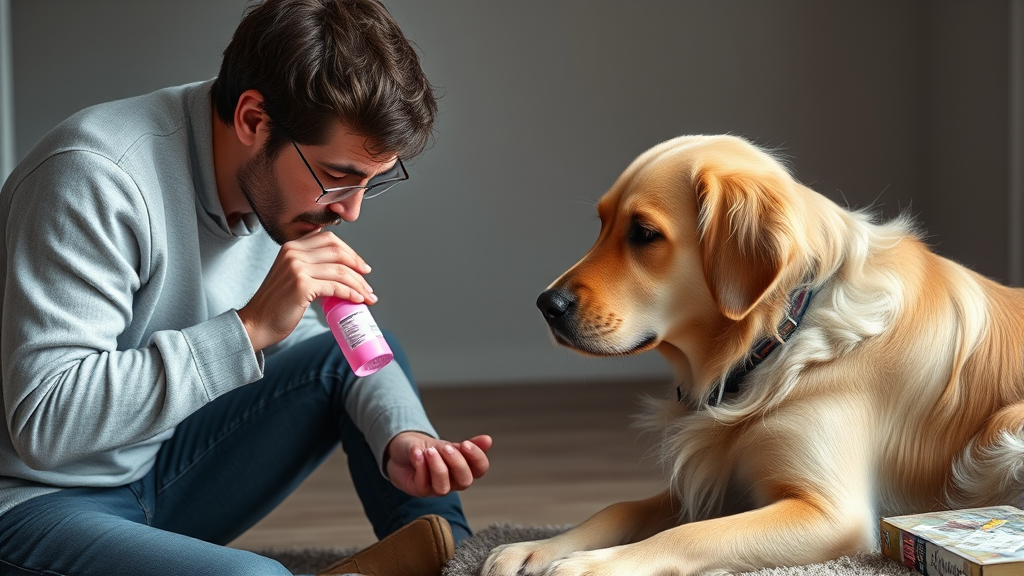
When your beloved canine companion is experiencing digestive distress, your first instinct might be to reach for the same remedy you’d use for yourself. Pepto-Bismol, the familiar pink liquid that has been a household staple for decades, often comes to mind when dealing with upset stomachs and diarrhea. However, before you consider giving this human medication to your dog, there are crucial safety considerations and potential risks that every pet owner must understand.
The question “can dogs have pepto” is more complex than it might initially seem. While some veterinarians may occasionally recommend Pepto-Bismol for dogs under specific circumstances, the medication contains ingredients that can be harmful to our four-legged friends. Understanding the composition, potential dangers, and safer alternatives is essential for responsible pet ownership and ensuring your dog’s health and wellbeing.
Understanding Pepto-Bismol and Its Ingredients
Pepto-Bismol contains bismuth subsalicylate as its active ingredient, which belongs to a class of medications called salicylates. This compound is closely related to aspirin and provides anti-inflammatory, antimicrobial, and antidiarrheal properties in humans. The medication works by coating the stomach lining, reducing inflammation, and slowing down the movement of fluids and electrolytes into the bowel.
The concern with can dogs have pepto bismol lies primarily in the salicylate component. Dogs metabolize salicylates much differently than humans, making them more susceptible to salicylate toxicity. Additionally, Pepto-Bismol contains other ingredients such as artificial flavors, colors, and preservatives that may not be suitable for canine consumption.
According to the ASPCA Animal Poison Control Center, salicylate-containing medications can cause serious health complications in dogs, particularly when given repeatedly or in inappropriate doses. The pink coloration that Pepto-Bismol is famous for comes from artificial dyes that serve no therapeutic purpose and may cause additional digestive upset in sensitive dogs.
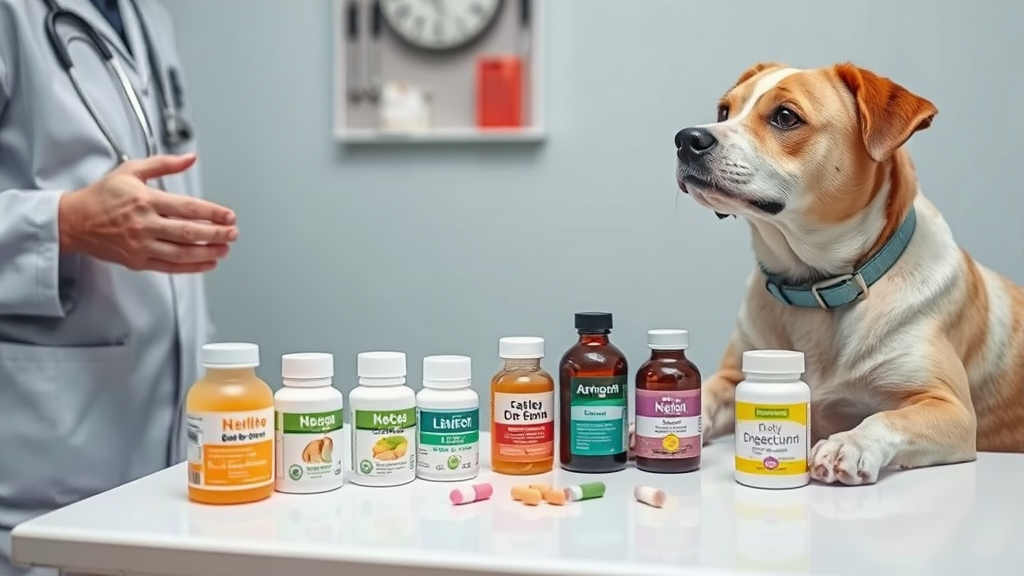
Risks and Dangers of Giving Pepto to Dogs
The primary danger of giving Pepto-Bismol to dogs stems from salicylate toxicity, which can manifest in various ways. Early signs of salicylate poisoning in dogs include vomiting, diarrhea, loss of appetite, and lethargy. More severe symptoms can include difficulty breathing, elevated heart rate, high body temperature, and even seizures in extreme cases.
Chronic administration of salicylates can lead to gastric ulceration and bleeding, particularly dangerous for dogs who already have sensitive stomachs or underlying gastrointestinal conditions. The medication can also interfere with blood clotting mechanisms, potentially causing prolonged bleeding times and complications if your dog requires surgery or suffers an injury.
Certain dog breeds and individual animals may be more susceptible to salicylate toxicity. Puppies, senior dogs, and those with kidney or liver disease face increased risks when exposed to these compounds. The question of can i give my dog pepto bismol becomes even more critical when considering these vulnerable populations.
The American Veterinary Medical Association emphasizes that human medications should never be given to pets without explicit veterinary guidance, as the dosing, metabolism, and potential interactions can vary significantly between species.
When Veterinarians Might Recommend Pepto
Despite the risks involved, there are rare instances when veterinarians might consider recommending Pepto-Bismol for dogs. This typically occurs only in specific situations where the benefits outweigh the potential risks, and always under strict professional supervision. Such circumstances might include mild, acute diarrhea in otherwise healthy adult dogs when other treatments are not immediately available.
When veterinarians do recommend Pepto-Bismol, they provide very specific dosing instructions based on the dog’s weight, age, and overall health status. The general guideline, when approved by a vet, is typically much lower than human doses – usually around 1 teaspoon per 10 pounds of body weight, given no more than twice daily for a maximum of 2-3 days.
However, many modern veterinarians prefer to avoid recommending Pepto-Bismol entirely due to the availability of safer, more effective alternatives specifically designed for canine digestive systems. The concern about can you give a dog pepto bismol has led to the development of veterinary-specific medications that provide similar benefits without the associated risks.
It’s crucial to understand that self-medicating your dog with Pepto-Bismol, even with the best intentions, can delay proper diagnosis and treatment of underlying conditions that may require specific veterinary intervention.
Safer Alternatives for Dog Digestive Issues
Fortunately, there are numerous safer alternatives to Pepto-Bismol for addressing canine digestive issues. When wondering what can you give a dog for upset stomach, consider these veterinarian-approved options that are specifically formulated for dogs or have been proven safe for canine use.
Probiotics designed for dogs can help restore healthy gut bacteria and improve digestive function naturally. These beneficial microorganisms support the immune system and can help prevent future digestive upsets. Many veterinary-grade probiotics are available in powder, capsule, or treat form, making administration easy and stress-free.
Plain, cooked white rice and boiled chicken breast provide a bland diet that can help settle upset stomachs while providing necessary nutrients. This combination is easily digestible and can help firm up loose stools. Pumpkin puree (not pie filling) is another excellent option, as it’s high in fiber and can help regulate both diarrhea and constipation.

For addressing how to stop diarrhea in dogs, veterinarians often recommend specific anti-diarrheal medications formulated for pets, such as loperamide (when prescribed by a vet) or kaolin-pectin products designed for animals. These medications work effectively without the risks associated with salicylate-containing products.
The American Kennel Club provides comprehensive resources on safe home remedies and when professional veterinary care is necessary for digestive issues in dogs.
Recognizing When Your Dog Needs Help
Understanding when your dog’s digestive upset requires professional attention is crucial for their health and wellbeing. While minor stomach issues can sometimes be managed at home with appropriate measures, certain symptoms warrant immediate veterinary consultation.
Persistent vomiting, especially when accompanied by blood or bile, requires prompt professional evaluation. Similarly, diarrhea that lasts more than 24 hours, contains blood, or has an unusually foul odor should be assessed by a veterinarian. Understanding why is my dog throwing up can help you determine the appropriate course of action.
Dehydration signs include dry gums, loss of skin elasticity, and excessive panting. Dogs can become dehydrated quickly, particularly when experiencing both vomiting and diarrhea simultaneously. Lethargy, loss of appetite lasting more than 24 hours, and abdominal pain or bloating are additional warning signs that professional care is needed.
Changes in behavior, such as hiding, reluctance to move, or unusual aggression when touched around the abdomen, can indicate significant discomfort that requires veterinary assessment. The Humane Society provides detailed guidance on recognizing signs of illness in dogs and when to seek professional help.
Emergency Situations and When to Call the Vet
Certain digestive symptoms in dogs constitute medical emergencies that require immediate veterinary attention. Recognizing these situations can be life-saving and prevent serious complications that might arise from delayed treatment.
Gastric dilatation-volvulus (GDV), commonly known as bloat, is a life-threatening emergency that can occur when a dog’s stomach fills with gas and potentially twists on itself. Symptoms include a distended abdomen, unsuccessful attempts to vomit, excessive drooling, and restlessness. This condition requires immediate surgical intervention.
Severe dehydration, indicated by sunken eyes, extremely dry gums, and skin that doesn’t return to normal when gently pinched, requires emergency fluid therapy. Continuous vomiting that prevents the dog from keeping water down for more than 12 hours also constitutes an emergency situation.
If you suspect your dog has ingested something toxic or inappropriate, contact your veterinarian or the ASPCA Poison Control hotline immediately, even if symptoms haven’t yet appeared. Time is often critical in poisoning cases, and early intervention can prevent serious complications.
When considering what painkillers can i give my dog for apparent discomfort, remember that many human pain medications are toxic to dogs, and professional guidance is essential for safe and effective pain management.
Prevention Strategies for Digestive Health
Preventing digestive issues in dogs is often more effective and less stressful than treating them after they occur. A proactive approach to canine digestive health involves multiple strategies that support overall wellness and reduce the likelihood of gastrointestinal problems.
Maintaining a consistent, high-quality diet appropriate for your dog’s age, size, and activity level is fundamental to digestive health. Sudden diet changes should be avoided, and when necessary, transitions should be made gradually over 7-10 days by slowly mixing increasing amounts of the new food with decreasing amounts of the old food.
Regular exercise promotes healthy digestion and helps maintain proper gastrointestinal motility. However, avoid vigorous exercise immediately before or after meals to prevent digestive upset. Establishing regular feeding schedules helps regulate digestive processes and makes it easier to monitor your dog’s eating habits and bowel movements.
Knowing what to feed a dog with diarrhea can help you respond appropriately if digestive issues do arise, potentially preventing the need for medication altogether. Stress management is also important, as anxiety and stress can significantly impact digestive health in dogs.
The Centers for Disease Control and Prevention provides valuable information on maintaining overall pet health, including digestive wellness strategies.
Frequently Asked Questions
Can I give my dog Pepto-Bismol for diarrhea?
While some veterinarians might occasionally recommend Pepto-Bismol under specific circumstances, it’s generally not recommended due to the salicylate content which can be toxic to dogs. The medication can cause serious side effects including gastric ulceration, bleeding disorders, and salicylate poisoning. Always consult your veterinarian before giving any human medication to your dog, as there are safer alternatives specifically designed for canine digestive issues.
What are the signs of Pepto-Bismol poisoning in dogs?
Signs of salicylate toxicity from Pepto-Bismol can include vomiting, diarrhea, loss of appetite, lethargy, difficulty breathing, elevated heart rate, high body temperature, and in severe cases, seizures. If you suspect your dog has consumed Pepto-Bismol or is showing these symptoms, contact your veterinarian immediately. Early intervention is crucial for preventing serious complications.
How much Pepto-Bismol is safe for dogs?
There is no universally safe dose of Pepto-Bismol for dogs, as the medication contains salicylates that dogs metabolize differently than humans. If a veterinarian does recommend it in rare circumstances, they will provide specific dosing based on your dog’s individual factors. Never attempt to dose your dog with Pepto-Bismol without explicit veterinary guidance, as even small amounts can cause toxicity in sensitive animals.
What can I give my dog instead of Pepto-Bismol for stomach upset?
Safer alternatives include veterinary-prescribed anti-diarrheal medications, probiotics designed for dogs, plain cooked rice and chicken, or plain pumpkin puree. These options provide digestive support without the risks associated with salicylate-containing medications. Always consult with your veterinarian to determine the most appropriate treatment for your dog’s specific situation.
When should I take my dog to the vet for digestive issues?
Seek veterinary care if your dog experiences persistent vomiting or diarrhea lasting more than 24 hours, blood in vomit or stool, signs of dehydration, severe lethargy, loss of appetite for more than 24 hours, or abdominal pain and bloating. Emergency situations include continuous vomiting preventing water intake, suspected bloat, or any signs of severe distress or toxicity.
Can puppies have Pepto-Bismol?
Puppies should never be given Pepto-Bismol, as they are even more susceptible to salicylate toxicity than adult dogs. Their developing systems cannot properly metabolize the medication, making even small doses potentially dangerous. For puppy digestive issues, consult your veterinarian for age-appropriate treatments and guidance on safe home remedies.
Are there any dogs that should never have Pepto-Bismol?
Dogs with kidney disease, liver problems, bleeding disorders, or those taking blood-thinning medications should never receive Pepto-Bismol. Pregnant or nursing dogs, puppies under 12 weeks, and senior dogs with health conditions are also at higher risk. Additionally, dogs with known sensitivities to salicylates or aspirin should avoid this medication entirely. Always disclose your dog’s complete health history to your veterinarian before considering any medication.





