

As a devoted dog parent, you’ve likely found yourself wondering whether certain human foods are safe for your four-legged companion. One such food that often raises questions is sauerkraut – that tangy, fermented cabbage dish that’s a staple in many cuisines. While you might enjoy this probiotic-rich food, the question remains: can dogs have sauerkraut safely?
The short answer is that plain, unseasoned sauerkraut can be given to dogs in very small amounts occasionally, but there are important considerations to keep in mind. The high sodium content, potential additives, and your dog’s individual digestive system all play crucial roles in determining whether sauerkraut is appropriate for your pet. Understanding these factors will help you make informed decisions about your dog’s diet and overall health.
What is Sauerkraut and How is it Made?
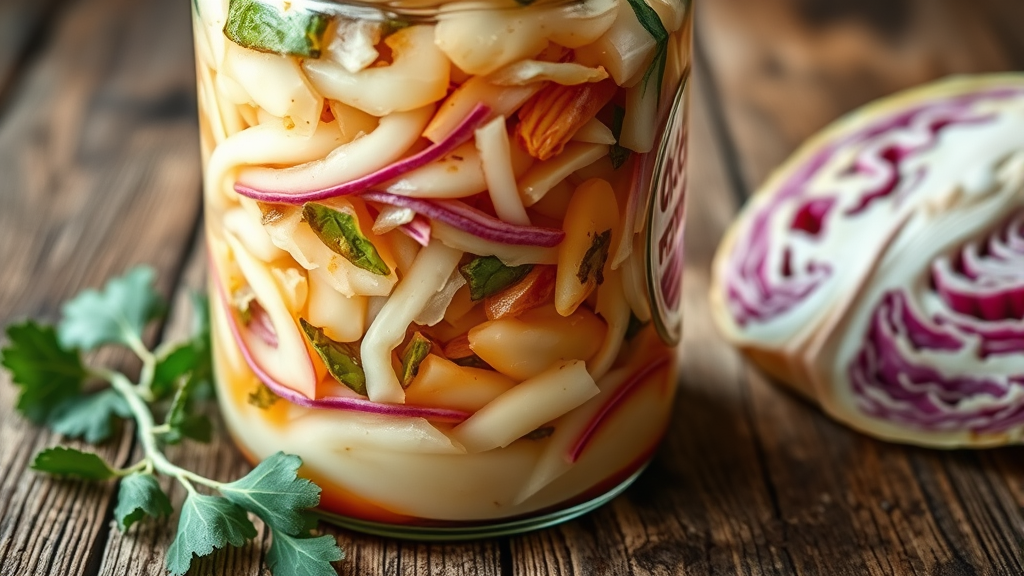
Sauerkraut is essentially fermented cabbage that has been transformed through a natural lacto-fermentation process. This traditional preservation method involves shredding fresh cabbage, salting it heavily, and allowing beneficial bacteria to convert the natural sugars into lactic acid. The process typically takes several weeks and results in the characteristic sour taste and distinctive aroma that sauerkraut is known for.
The fermentation process not only preserves the cabbage but also creates beneficial probiotics – live microorganisms that can support digestive health. However, commercial sauerkraut often contains additional ingredients like preservatives, excessive salt, spices, and sometimes even wine or vinegar, which can make it unsuitable for canine consumption.
Understanding the basic composition of sauerkraut is essential when considering whether can dogs eat sauerkraut safely. The fermentation process itself isn’t inherently harmful to dogs, but the additives and high sodium content present in most commercial varieties raise significant concerns for pet owners.
Nutritional Profile of Sauerkraut
Sauerkraut contains several nutrients that could theoretically benefit dogs, including vitamin C, vitamin K, fiber, and various B vitamins. The fermentation process also produces beneficial probiotics, particularly Lactobacillus species, which can support digestive health. Additionally, sauerkraut contains antioxidants and has anti-inflammatory properties.
However, the most concerning aspect of sauerkraut’s nutritional profile for dogs is its extremely high sodium content. A single cup of sauerkraut can contain anywhere from 800 to 1,500 milligrams of sodium, which is far more than what dogs should consume in an entire day. According to the Association of American Feed Control Officials (AAFCO), dogs should consume no more than 0.3% of their daily calories from sodium.
The fiber content in sauerkraut, while beneficial in small amounts, can also cause digestive upset if consumed in larger quantities. Dogs have different digestive systems than humans and may not process fermented foods as efficiently, potentially leading to gas, bloating, or diarrhea.
Safety Concerns for Dogs
The primary safety concern with sauerkraut for dogs is its high sodium content, which can lead to sodium ion poisoning in severe cases. Excessive sodium consumption can cause increased thirst, urination, and in extreme cases, seizures or even death. Dogs with pre-existing heart conditions, kidney disease, or high blood pressure are particularly at risk.
Many commercial sauerkraut products also contain ingredients that are toxic to dogs, such as garlic, onions, or certain spices. These additives can cause hemolytic anemia, a serious condition where red blood cells are destroyed faster than they can be produced. The ASPCA Animal Poison Control Center lists both garlic and onions as toxic to dogs.
Another concern is the potential for digestive upset. Just as some people experience discomfort when eating fermented foods, dogs may also suffer from gas, bloating, or diarrhea. This is particularly true for dogs who aren’t used to consuming fermented products or those with sensitive digestive systems.
Wine-based sauerkraut varieties pose an additional risk, as alcohol is highly toxic to dogs. Even small amounts of alcohol can cause vomiting, diarrhea, difficulty breathing, and in severe cases, coma or death. Always check ingredient labels carefully before considering any human food for your pet.
Potential Health Benefits
Despite the concerns, plain, homemade sauerkraut without added salt or seasonings could potentially offer some health benefits to dogs when given in very small amounts. The probiotics present in fermented foods can support digestive health by promoting beneficial gut bacteria, which may improve nutrient absorption and boost immune function.
The vitamin C content in sauerkraut could theoretically provide antioxidant benefits, though dogs naturally produce their own vitamin C, unlike humans. The fiber content might also aid in digestion and help maintain healthy bowel movements, provided it’s given in appropriate quantities.
Some pet nutritionists suggest that small amounts of fermented vegetables can be part of a varied diet for dogs, similar to how can dogs eat fermented foods in other forms. However, these potential benefits must be weighed against the risks, and it’s important to consult with a veterinarian before introducing any new foods to your dog’s diet.
Research from PubMed suggests that probiotics can indeed benefit canine digestive health, but there are safer, more appropriate ways to introduce beneficial bacteria to your dog’s system through specially formulated canine probiotics.
Safe Serving Guidelines
If you decide to give your dog sauerkraut after consulting with your veterinarian, it should only be plain, homemade sauerkraut without any added salt, spices, or preservatives. Even then, the amount should be extremely limited – no more than a small spoonful for a large dog, and even less for smaller breeds.
Start with just a tiny taste to see how your dog reacts, and monitor them closely for any signs of digestive upset or adverse reactions. Never make sauerkraut a regular part of your dog’s diet, and always ensure it represents less than 10% of their daily caloric intake, following the general rule for treats and supplemental foods.
Consider your dog’s size, age, and health status when determining appropriate serving sizes. Puppies, senior dogs, and those with health conditions should avoid sauerkraut altogether. Large, healthy adult dogs might tolerate very small amounts better than their smaller or more sensitive counterparts.
It’s also worth noting that many dogs simply don’t enjoy the strong, sour taste of sauerkraut, which can be a natural deterrent. If your dog shows no interest in the food, don’t force it – there are plenty of other healthy treats and vegetables they might prefer.
Healthier Alternatives
Instead of sauerkraut, consider offering your dog safer alternatives that can provide similar nutritional benefits without the associated risks. Fresh, raw cabbage in small amounts can be a healthier option, as it contains many of the same vitamins without the excessive sodium content. You can learn more about this by exploring whether can dogs eat cabbage safely.
Other dog-friendly fermented options include plain, unsweetened yogurt with live cultures, which can provide probiotics in a more appropriate form for canines. Kefir, when given in small amounts, can also offer probiotic benefits without the high sodium content of sauerkraut.
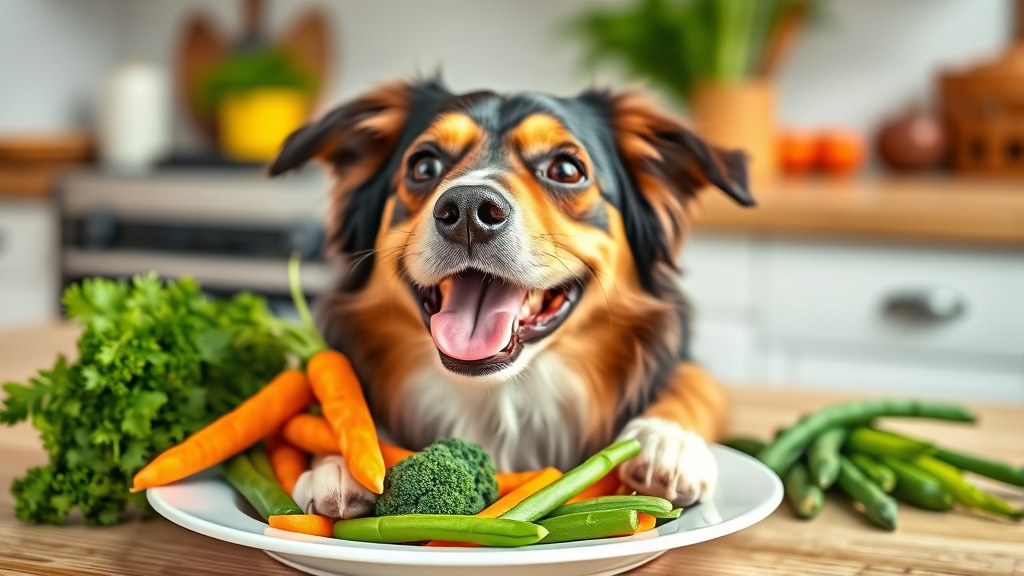
For dogs who enjoy crunchy vegetables, consider offering small pieces of carrots, green beans, or broccoli stems. These vegetables provide fiber, vitamins, and minerals without the fermentation-related concerns. The American Kennel Club provides comprehensive lists of safe vegetables for dogs.
If you’re specifically interested in supporting your dog’s digestive health, commercially available canine probiotics are a much safer and more effective option than trying to provide fermented foods. These products are specifically formulated for dogs and contain appropriate strains of beneficial bacteria in safe concentrations.
When considering what vegetables are safe for dogs, always prioritize those that are known to be well-tolerated and beneficial, rather than experimenting with potentially problematic foods like sauerkraut.
Warning Signs to Watch For
If your dog has consumed sauerkraut, either accidentally or intentionally, it’s important to monitor them closely for signs of adverse reactions. Immediate symptoms to watch for include excessive thirst, increased urination, vomiting, diarrhea, lethargy, or loss of appetite. These could indicate sodium toxicity or digestive upset.
More serious symptoms that require immediate veterinary attention include difficulty breathing, seizures, tremors, or collapse. These signs could indicate severe sodium poisoning or reactions to toxic ingredients that may have been present in the sauerkraut.
Gastrointestinal symptoms like gas, bloating, or changes in bowel movements are more common and less severe but still warrant attention. If these symptoms persist for more than 24 hours or worsen over time, contact your veterinarian for guidance.
The American Veterinary Medical Association emphasizes the importance of seeking professional veterinary care whenever you’re concerned about your pet’s health, especially after consuming unfamiliar foods.
Keep in mind that some reactions may be delayed, particularly digestive issues related to the high fiber content or fermentation byproducts. Continue monitoring your dog for several days after sauerkraut consumption, and don’t hesitate to contact your veterinarian if you notice any concerning changes in behavior or health.
Frequently Asked Questions
Can dogs eat sauerkraut from the store?
Commercial sauerkraut is generally not recommended for dogs due to its high sodium content and potential additives like garlic, onions, or preservatives. These ingredients can be harmful or toxic to dogs. If you want to give your dog sauerkraut, homemade versions without salt or seasonings are safer, but should still be given very sparingly.
How much sauerkraut can I give my dog?
If your veterinarian approves, only give your dog a very small amount – no more than a teaspoon for large dogs and even less for smaller breeds. Sauerkraut should never make up more than 10% of your dog’s daily caloric intake and should be considered an occasional treat at most, not a regular part of their diet.
What should I do if my dog ate a lot of sauerkraut?
If your dog consumed a large amount of sauerkraut, monitor them closely for signs of sodium toxicity, including excessive thirst, vomiting, diarrhea, or lethargy. Contact your veterinarian immediately, especially if the sauerkraut contained garlic, onions, or other potentially toxic ingredients. Provide fresh water and watch for any concerning symptoms.
Are there any dogs that should never eat sauerkraut?
Dogs with heart conditions, kidney disease, high blood pressure, or sodium-sensitive conditions should never be given sauerkraut. Puppies, senior dogs, and those with sensitive digestive systems should also avoid it. Additionally, dogs with a history of pancreatitis or other digestive disorders should not consume fermented foods without veterinary approval.
Can sauerkraut help my dog’s digestion?
While sauerkraut contains probiotics that could theoretically benefit digestion, the risks generally outweigh the benefits for dogs. There are much safer ways to support your dog’s digestive health, such as specially formulated canine probiotics or other can dogs eat vegetables that are more appropriate for their digestive systems.
Is homemade sauerkraut safer than store-bought for dogs?
Homemade sauerkraut without added salt, spices, or preservatives is generally safer than commercial varieties, but it still contains naturally occurring acids and may cause digestive upset. Even homemade versions should be given very sparingly and only after consulting with your veterinarian about your dog’s specific dietary needs and health status.
What are the signs of sodium poisoning in dogs?
Signs of sodium poisoning include excessive thirst and urination, vomiting, diarrhea, lethargy, loss of appetite, and in severe cases, seizures, tremors, or difficulty breathing. If you notice any of these symptoms after your dog has consumed sauerkraut or other high-sodium foods, contact your veterinarian immediately for proper treatment and guidance.





