
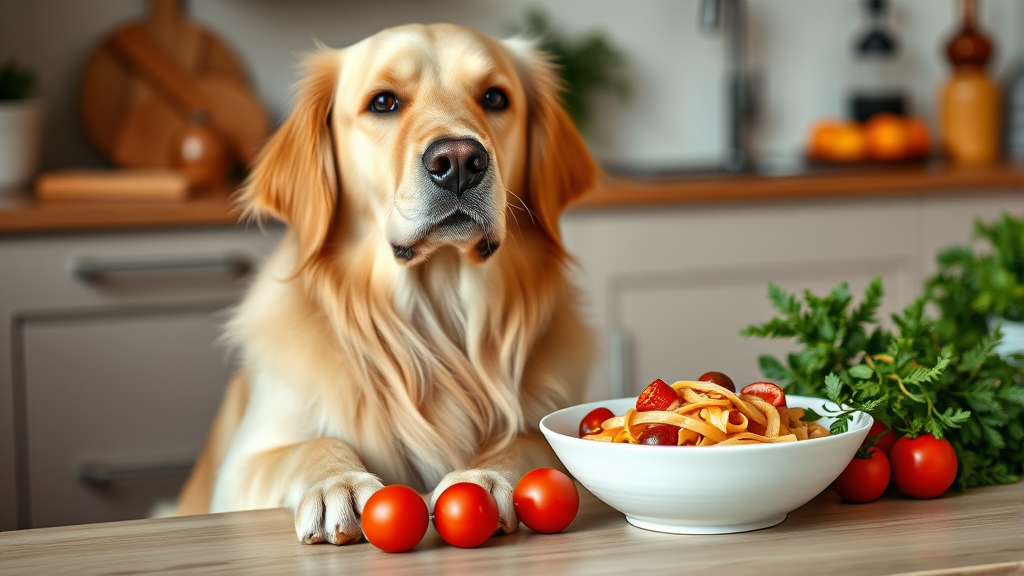
When preparing a delicious Italian meal, you might find your furry friend giving you those irresistible puppy dog eyes, hoping for a taste of your tomato-rich pasta sauce. As a responsible pet owner, you’re right to wonder whether sharing this common household staple is safe for your canine companion. The question “can dogs have tomato sauce” is more complex than it might initially appear, involving considerations about ingredients, preparation methods, and potential health risks.
While tomatoes themselves can be safe for dogs in certain circumstances, commercial tomato sauces present a different set of challenges and concerns. Understanding the distinction between fresh tomatoes and processed tomato products is crucial for making informed decisions about your dog’s diet. This comprehensive guide will explore everything you need to know about tomato sauce and dogs, helping you navigate the complexities of canine nutrition and food safety.
Understanding Tomato Sauce and Its Ingredients
Commercial tomato sauces are complex products containing numerous ingredients beyond simple tomatoes. Most store-bought varieties include a combination of tomato concentrate, water, sugar, salt, and various seasonings. The manufacturing process typically involves cooking tomatoes at high temperatures, concentrating flavors while adding preservatives and flavor enhancers to extend shelf life and improve taste.
The ingredient list on a typical jar of tomato sauce reveals why this seemingly simple condiment can be problematic for dogs. Common additives include onion powder, garlic powder, high fructose corn syrup, citric acid, and various spices. Many premium brands also incorporate herbs like basil, oregano, and thyme, while some varieties contain wine, cheese, or meat flavoring. These additional ingredients, while appealing to human palates, can pose significant health risks to our canine companions.
Understanding the manufacturing process helps explain why even “natural” tomato sauces may not be suitable for dogs. The concentration process increases the acidity levels, and the addition of sodium and sugar creates a product that’s far removed from fresh tomatoes. Even organic varieties often contain ingredients that are harmful to dogs, making it essential to read labels carefully and understand the potential risks involved.
Dangerous Ingredients Commonly Found in Tomato Sauce
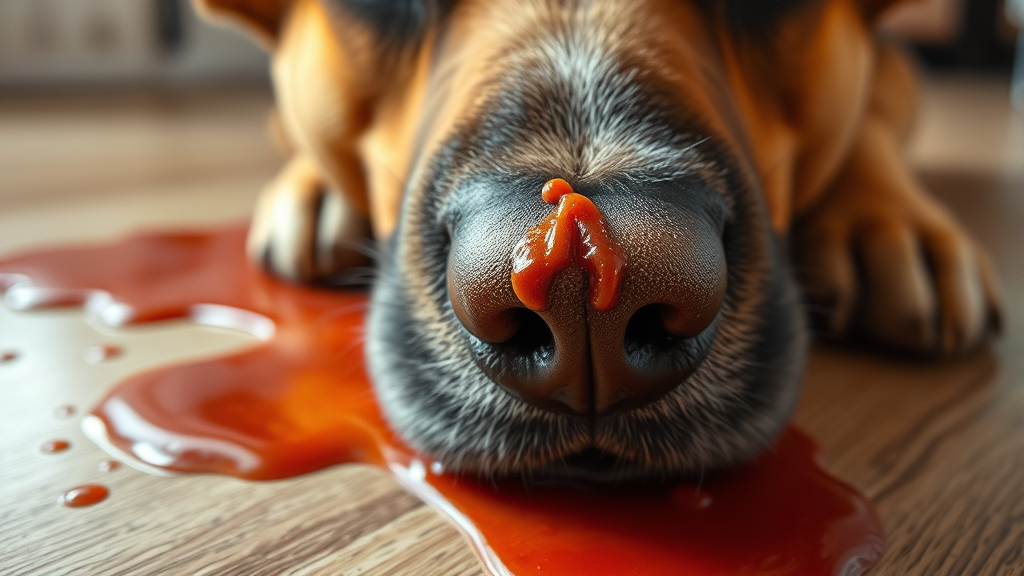
The primary concern with commercial tomato sauces lies not in the tomatoes themselves, but in the additional ingredients that manufacturers include. Onions and garlic, two of the most common flavor enhancers in tomato sauce, are highly toxic to dogs. These members of the allium family can cause hemolytic anemia, a serious condition where red blood cells are destroyed faster than they can be produced. Even small amounts of onion powder or garlic powder can be dangerous, as the dehydrated forms are more concentrated than fresh varieties.
High sodium content represents another significant risk factor. Most commercial tomato sauces contain excessive amounts of salt, which can lead to sodium poisoning in dogs. Symptoms include vomiting, diarrhea, excessive thirst, and in severe cases, seizures or coma. Dogs have much lower sodium requirements than humans, making even small amounts of salty foods potentially harmful. The FDA warns that high sodium intake can be particularly dangerous for dogs with heart conditions or kidney disease.
Sugar and artificial sweeteners present additional concerns. Many tomato sauces contain high fructose corn syrup or other sweeteners that can contribute to obesity, dental problems, and diabetes in dogs. Some sugar-free varieties may contain xylitol, an artificial sweetener that’s extremely toxic to dogs and can cause rapid insulin release, leading to hypoglycemia and potentially fatal liver damage. The concentration of these ingredients in processed sauces makes them particularly problematic compared to fresh tomatoes.
The Truth About Tomatoes and Dogs
The relationship between dogs and tomatoes is nuanced and depends largely on the ripeness and preparation of the fruit. Ripe, red tomatoes are generally considered safe for dogs in small quantities, as they contain lower levels of solanine and tomatine, the naturally occurring compounds that can be toxic to canines. However, green tomatoes, tomato plants, and stems contain higher concentrations of these alkaloids and should always be avoided.
Solanine and tomatine belong to a class of compounds called glycoalkaloids, which serve as natural pesticides in nightshade plants. While ripe tomatoes contain minimal amounts of these substances, unripe tomatoes and other parts of the plant can contain dangerous levels. According to research published by the National Center for Biotechnology Information, these compounds can cause gastrointestinal upset, neurological symptoms, and in severe cases, cardiac issues.
When considering whether tomatoes are bad for dogs, it’s important to understand that individual dogs may have different sensitivities. Some dogs may experience digestive upset even from small amounts of ripe tomatoes, while others may tolerate them well. Factors such as size, age, overall health, and individual sensitivity all play roles in determining how a dog might react to tomato consumption. The American Kennel Club recommends introducing any new food gradually and monitoring for adverse reactions.

Potential Health Risks and Symptoms
Dogs who consume tomato sauce may experience a range of symptoms, from mild digestive upset to serious toxicity, depending on the quantity consumed and the specific ingredients in the sauce. Immediate symptoms often include vomiting, diarrhea, loss of appetite, and lethargy. These gastrointestinal signs typically appear within a few hours of consumption and may persist for 24-48 hours. The high acidity in tomato sauce can also cause stomach irritation, leading to drooling, pawing at the mouth, or signs of abdominal discomfort.
More serious symptoms may develop if the tomato sauce contains toxic ingredients like onions or garlic. Signs of allium toxicity include weakness, pale gums, rapid breathing, and collapse. These symptoms may not appear immediately and can develop over several days as the toxic compounds accumulate in the dog’s system. The ASPCA Animal Poison Control Center emphasizes that even small amounts of onion or garlic can cause cumulative toxicity over time.
Long-term health consequences of regular tomato sauce consumption can include obesity due to high sugar content, dental problems from acidic ingredients, and potential kidney or heart issues from excessive sodium intake. Dogs with pre-existing conditions such as diabetes, heart disease, or kidney problems are at higher risk for complications. The concentrated nature of processed tomato products means that even small amounts can deliver significant doses of problematic ingredients, making prevention the best approach to avoiding these health risks.
Safe Alternatives and Homemade Options
For dog owners who want to share tomato flavors with their pets safely, several alternatives exist that can satisfy both human and canine tastes. Fresh, ripe tomatoes can be offered in very small quantities as an occasional treat, provided they’re thoroughly washed and the stems and leaves are completely removed. However, many dogs don’t particularly enjoy the taste of plain tomatoes, making this option less appealing than it might initially seem.
Creating homemade, dog-safe tomato sauce represents a better approach for pet owners who want to include their dogs in family meals. A simple recipe might include pureed ripe tomatoes, a small amount of water, and dog-safe herbs like parsley or basil. Avoid adding salt, sugar, onions, garlic, or any other seasonings that could be harmful. This homemade version can be used sparingly as a food topper or mixed with your dog’s regular meals for variety. Remember that even homemade versions should be given in moderation.
When considering pasta dishes, it’s worth exploring whether dogs can eat spaghetti or if dogs can have spaghetti as part of a shared meal. Plain, cooked pasta in small amounts is generally safe for dogs, but the sauce remains the primary concern. Other condiment alternatives include plain Greek yogurt mixed with small amounts of pureed vegetables, or commercial dog-specific sauces designed to be both safe and appealing to canine palates.
What to Do If Your Dog Eats Tomato Sauce
If your dog has consumed tomato sauce, the first step is to remain calm and assess the situation objectively. Determine how much sauce was consumed, what brand or type it was, and check the ingredient list if possible. This information will be crucial for veterinary professionals if treatment becomes necessary. Remove any remaining sauce from your dog’s reach and observe them closely for the next several hours.
For small amounts of tomato sauce without obviously toxic ingredients, monitor your dog for signs of digestive upset and ensure they have access to fresh water. Many dogs will experience mild stomach upset that resolves on its own within 24 hours. However, if the sauce contained onions, garlic, or if your dog consumed a large quantity, contact your veterinarian immediately. The Pet Poison Helpline provides 24-hour assistance and can help determine whether immediate treatment is necessary.
Document any symptoms you observe, including the time they appear and their severity. Take photos or videos if possible, as this information can help veterinarians make treatment decisions. Signs that warrant immediate veterinary attention include persistent vomiting, diarrhea with blood, difficulty breathing, weakness, pale gums, or any neurological symptoms like confusion or loss of coordination. Early intervention often leads to better outcomes, so don’t hesitate to seek professional help when in doubt.
Prevention and Safe Feeding Practices
Preventing accidental tomato sauce consumption requires a combination of secure food storage and family education. Store all tomato-based products in cabinets or areas that are inaccessible to curious dogs. This includes not just jars of sauce, but also leftover pasta dishes, pizza, and other foods containing tomato sauce. Many dogs are skilled at counter-surfing or accessing seemingly secure areas, so consider your individual pet’s abilities and tendencies when determining safe storage locations.
Educate all family members and visitors about foods that are off-limits for dogs. Children, in particular, may not understand why sharing their ketchup or other tomato-based condiments with the family dog could be harmful. Create clear guidelines about human food sharing and consider posting a list of dangerous foods in your kitchen as a reminder. Similar precautions apply to other common condiments, such as understanding whether dogs can have soy sauce.
Establish consistent feeding routines that satisfy your dog’s nutritional needs and reduce their motivation to seek human food. A well-fed dog is less likely to engage in food-seeking behaviors that could lead to accidental consumption of harmful substances. Consider puzzle feeders or interactive feeding toys that make mealtime more engaging and satisfying. The American Veterinary Medical Association recommends structured feeding schedules as part of comprehensive pet health management.
Frequently Asked Questions
Can dogs eat a small amount of tomato sauce?
Even small amounts of commercial tomato sauce can be problematic for dogs due to the presence of onions, garlic, and high sodium content. While a tiny lick might not cause serious harm, it’s best to avoid giving any tomato sauce to dogs. The concentrated nature of commercial sauces means that even small quantities can contain significant amounts of harmful ingredients.
What should I do if my dog accidentally licks some tomato sauce?
If your dog has only had a small lick of tomato sauce, monitor them closely for the next 24 hours for signs of digestive upset like vomiting or diarrhea. Ensure they have access to fresh water and contact your veterinarian if any symptoms develop. For larger amounts or if the sauce contained obvious toxic ingredients, contact your vet immediately.
Are homemade tomato sauces safer for dogs?
Homemade tomato sauces can be safer if they’re made specifically for dogs without harmful ingredients like onions, garlic, salt, or sugar. However, even dog-safe homemade versions should only be given in very small amounts as occasional treats. The high acidity of tomatoes can still cause stomach upset in sensitive dogs.
Can puppies have tomato sauce?
Puppies should never be given tomato sauce, as their developing digestive systems are more sensitive to toxic ingredients and high sodium content. Puppies are also more susceptible to the effects of solanine and tomatine found in tomato products. Stick to puppy-appropriate foods and treats that are specifically designed for their nutritional needs.
What are the signs of tomato sauce poisoning in dogs?
Signs of tomato sauce toxicity can include vomiting, diarrhea, loss of appetite, lethargy, excessive thirst, drooling, and abdominal pain. If the sauce contained onions or garlic, more serious symptoms may develop over time, including weakness, pale gums, rapid breathing, and collapse. Any of these symptoms warrant immediate veterinary attention.
How much tomato sauce is toxic to dogs?
There’s no safe amount of commercial tomato sauce for dogs due to the presence of toxic ingredients like onions and garlic, along with high sodium content. Even small amounts can cause problems, especially in smaller dogs or those with existing health conditions. The toxic dose depends on the dog’s size, the specific ingredients in the sauce, and individual sensitivity levels.
Can dogs eat pizza sauce or marinara sauce?
Pizza sauce and marinara sauce are typically even more problematic than regular tomato sauce because they often contain higher concentrations of garlic, onions, and herbs. These sauces are specifically formulated for human taste preferences and contain multiple ingredients that can be harmful to dogs. It’s best to keep all pizza and Italian dishes away from your canine companion.





