
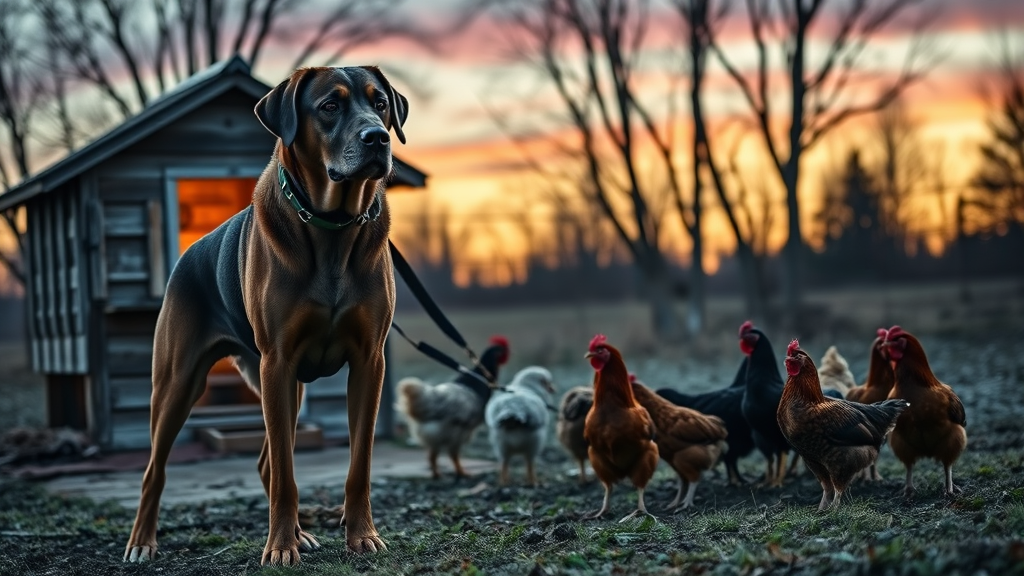
Protecting backyard chickens from predators is one of the biggest challenges faced by poultry keepers. Among the various threats that lurk in the darkness, opossums pose a significant risk to your feathered friends. These nocturnal marsupials are opportunistic feeders that can devastate a chicken coop, stealing eggs and potentially harming or killing chickens. While traditional security measures like secure cooping and fencing are essential, many chicken owners wonder: can dogs protect chickens from opossums?
The answer is a resounding yes. Dogs have been used as livestock guardians for thousands of years, and their natural protective instincts make them excellent deterrents against opossum threats. When properly trained and selected, dogs can provide an effective, natural solution to keeping your chickens safe from these persistent predators. Understanding how to leverage your canine companion’s abilities while ensuring the safety of both your dog and chickens is key to successful predator management.
Understanding Opossum Threats to Chickens
Opossums are North America’s only native marsupial and are notorious for their adaptability and opportunistic feeding habits. These nocturnal creatures pose several specific threats to chicken flocks that every poultry keeper should understand. Opossums are excellent climbers and can easily scale most standard chicken coop fencing, making them particularly challenging predators to deter through physical barriers alone.
The primary threat opossums pose to chickens involves egg theft and consumption. These marsupials have a particular fondness for fresh eggs and will systematically raid nests, often consuming entire clutches. Unlike some predators that might take one or two eggs, opossums can clean out multiple nesting boxes in a single visit. According to the United States Department of Agriculture, opossums are responsible for significant economic losses in small-scale poultry operations across rural America.
Beyond egg theft, opossums can also attack and kill chickens, particularly smaller birds, chicks, and injured or weak adult chickens. They typically target the head and neck area, and their attacks can be brutal and messy. The USDA Animal and Plant Health Inspection Service reports that opossum attacks often leave distinctive bite marks and evidence of struggle, making them relatively easy to identify compared to other predator attacks.
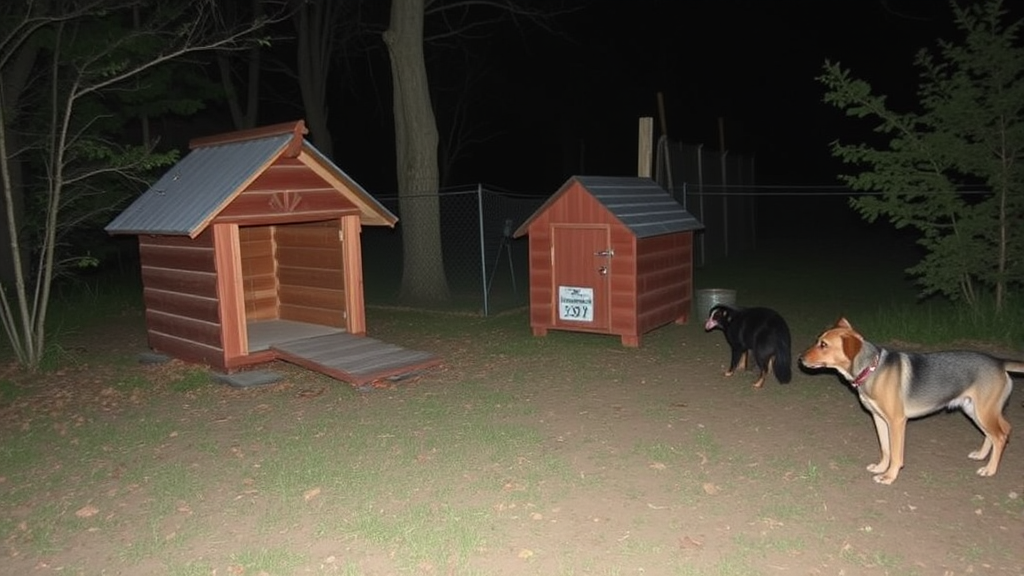
Natural Guardian Instincts in Dogs
Dogs possess innate protective instincts that have been refined through thousands of years of selective breeding and domestication. These natural guardian abilities make them ideally suited for protecting livestock, including chickens, from various predators. The key lies in understanding and properly channeling these instincts to create an effective defense system against opossum threats.
Territorial behavior is one of the most important protective traits dogs bring to chicken protection. Most dogs naturally establish and defend territory, marking boundaries and patrolling their designated areas. This territorial instinct extends to protecting anything within their domain, including chickens under their care. The presence of a dog’s scent alone can be enough to deter many opossums from approaching a chicken coop, as these marsupials prefer to avoid confrontation with larger predators.
Pack mentality also plays a crucial role in a dog’s protective behavior. Dogs that have bonded with chickens often consider them part of their pack and will instinctively defend them from threats. This bond can be strengthened through proper socialization and training, creating a natural guardian-flock relationship. Interestingly, some dogs exhibit behaviors similar to howling at sirens when they detect potential threats to their chickens, using vocalizations to alert their owners and potentially scare away predators.
Best Dog Breeds for Chicken Protection
Not all dog breeds are equally suited for protecting chickens from opossums. Livestock guardian dogs (LGDs) have been specifically bred for centuries to protect farm animals and possess the ideal combination of size, temperament, and protective instincts needed for effective predator deterrence. These breeds typically have lower prey drives toward the animals they’re meant to protect while maintaining strong defensive instincts against threats.
Great Pyrenees are among the most popular choices for chicken protection. These large, white dogs were originally bred in the Pyrenees mountains to guard sheep and have excellent night vision and hearing, making them particularly effective against nocturnal predators like opossums. Their imposing size and deep bark serve as powerful deterrents, while their gentle nature with livestock makes them safe around chickens.
Anatolian Shepherds represent another excellent choice for chicken protection. These Turkish dogs are known for their independence and strong protective instincts. They’re naturally suspicious of strangers and predators while being gentle with the animals under their care. The American Kennel Club recognizes Anatolian Shepherds as exceptional livestock guardians with the stamina and dedication needed for round-the-clock protection.
Other effective breeds include Maremma Sheepdogs, Akbash dogs, and even some mixed breeds with strong protective instincts. The key is selecting a dog with appropriate temperament, size, and training potential rather than focusing solely on breed. Some dogs naturally enjoy activities like belly rubs and gentle interaction, which can be positive traits when socializing with chickens.
Training Your Dog to Protect Chickens
Proper training is essential for developing an effective chicken-protecting dog. The training process should begin early and focus on building positive associations between the dog and the chickens while establishing clear boundaries and expectations. Successful training requires patience, consistency, and a deep understanding of both canine and chicken behavior patterns.
Socialization forms the foundation of effective chicken protection training. Young dogs should be gradually introduced to chickens under controlled circumstances, allowing them to become familiar with chicken sounds, movements, and behaviors. This early exposure helps prevent the dog from viewing chickens as prey or toys. The introduction process should be slow and supervised, with the dog on a leash initially to maintain control and prevent any aggressive or overly excited behavior.
Command training is equally important for establishing control and communication between the handler and the protection dog. Basic commands like “leave it,” “stay,” and “quiet” become crucial tools for managing the dog’s behavior around chickens. Advanced training might include teaching the dog to patrol specific areas, respond to chicken distress calls, or alert the owner to potential threats without unnecessarily disturbing the flock.
Positive reinforcement techniques work best for chicken protection training. Rewarding the dog for calm, protective behavior around chickens helps reinforce desired responses. Some dogs respond well to play rewards, such as games with squeaky toys, after successful training sessions. The American Veterinary Medical Association emphasizes the importance of positive training methods for developing reliable, well-adjusted working dogs.

Establishing Boundaries and Safe Zones
Creating clear boundaries and safe zones is crucial for successful integration of protection dogs with chicken flocks. These boundaries serve multiple purposes: they define the dog’s patrol area, establish safe spaces for chickens, and create management zones that make supervision and training easier. Proper boundary establishment requires careful planning and consideration of both dog and chicken behavior patterns.
Physical barriers play an important role in boundary establishment. Fencing can be used to create designated areas where dogs patrol while keeping chickens safely contained. However, the fencing must be designed to keep opossums out while allowing the dog to effectively monitor and protect the area. This might involve using taller fencing with inward-angled tops or adding electric wire components to deter climbing predators.
Invisible boundaries can be established through training and consistent reinforcement. Teaching dogs to respect property lines, stay within designated areas, and avoid entering certain zones (like nesting boxes during laying time) helps create a harmonious environment. Some dogs naturally exhibit territorial behaviors like scratching their sleeping areas, which can be channeled into positive boundary-marking behaviors.
Safe zones for chickens should include secure coops for nighttime roosting and emergency shelters that chickens can access quickly if threatened. These areas should be dog-accessible for protection purposes but designed so that chickens feel secure and comfortable. The integration of these safe zones with the dog’s patrol routes ensures comprehensive protection while maintaining chicken welfare.
Nighttime Protection Strategies
Nighttime represents the highest risk period for opossum attacks on chickens, making effective nocturnal protection strategies essential. Opossums are primarily nocturnal creatures that do most of their hunting and foraging under cover of darkness. This timing coincides with when chickens are most vulnerable, as they typically roost and have limited mobility and awareness during nighttime hours.
Guard dogs provide exceptional nighttime protection due to their enhanced sensory abilities in low-light conditions. Many livestock guardian breeds have excellent night vision and acute hearing that allows them to detect approaching predators long before chickens become aware of the threat. Their presence alone often deters opossums, as these marsupials prefer to avoid confrontation and will typically seek easier targets elsewhere.
Patrol schedules and strategic positioning become crucial elements of nighttime protection. Some dogs naturally adjust their activity patterns to provide increased vigilance during high-risk hours. Others may need training and encouragement to maintain alertness throughout the night. Understanding your dog’s natural rhythms and energy patterns, including behaviors like seeking comfort through petting, can help optimize their protective effectiveness.
Environmental modifications can enhance a dog’s nighttime protection capabilities. Strategic lighting that doesn’t disturb chicken roosting but provides visibility for the guard dog can improve detection and deterrence. Motion-activated lights can startle approaching opossums while alerting the dog to potential threats. The Humane Society recommends combining multiple protection strategies for maximum effectiveness against nocturnal predators.
Safety Considerations for Dogs and Chickens
Ensuring the safety of both dogs and chickens requires careful consideration of potential risks and implementation of appropriate safety measures. While dogs can provide excellent protection against opossums, improper management can lead to injuries, stress, or conflicts between the guardian dog and the animals they’re meant to protect.
Health considerations for protection dogs include regular veterinary care, appropriate vaccinations, and parasite prevention. Dogs that spend significant time outdoors protecting chickens may be exposed to various health risks, including tick-borne diseases, parasites, and potential injuries from encounters with predators. Regular health monitoring ensures that protection dogs remain healthy and effective in their guardian role.
Behavioral monitoring helps identify potential problems before they escalate into serious issues. Signs of stress, aggression, or inappropriate behavior toward chickens should be addressed immediately through additional training or management modifications. Some dogs may exhibit destructive behaviors like excessive digging when stressed or under-stimulated, which may require intervention and environmental enrichment.
Emergency protocols should be established for various scenarios, including dog injuries, chicken injuries, or encounters with dangerous predators. Having a clear action plan and necessary supplies readily available can prevent minor incidents from becoming major problems. The Centers for Disease Control and Prevention provides guidelines for safe animal handling and disease prevention that apply to mixed-species farm management.
Nutritional needs of working dogs differ from those of pets, requiring diets that support their energy levels and physical demands. Protection dogs may need higher calorie intake and specific nutrients to maintain their health and effectiveness. Consultation with a veterinarian can help determine appropriate feeding programs for dogs in guardian roles.
Frequently Asked Questions
Can any dog breed protect chickens from opossums?
While many dog breeds can provide some level of protection, livestock guardian dogs (LGDs) are specifically bred for this purpose and are most effective. Breeds like Great Pyrenees, Anatolian Shepherds, and Maremma Sheepdogs have the ideal combination of size, temperament, and protective instincts. However, mixed breeds with appropriate training and temperament can also be successful chicken guardians. The key factors are the dog’s size, protective instincts, and ability to be trained to coexist peacefully with chickens.
How long does it take to train a dog to protect chickens?
Training timeline varies significantly depending on the dog’s age, breed, and previous experience. Young puppies typically require 6-12 months of consistent training to become reliable chicken protectors. Adult dogs with existing training may adapt more quickly, often within 2-4 months. The process involves gradual socialization, command training, and boundary establishment. Continuous reinforcement and monitoring are necessary even after initial training is complete.
Will my dog hurt my chickens?
Properly trained and selected dogs should not harm chickens. Livestock guardian breeds have naturally low prey drives toward the animals they protect. However, any dog requires proper socialization and training to ensure safe interaction with chickens. Dogs with high prey drives, such as many hunting breeds, may not be suitable for chicken protection without extensive training. Always supervise initial interactions and provide ongoing monitoring to ensure safe coexistence.
What should I do if an opossum confronts my guard dog?
Most opossums will flee when confronted by a large dog, as they prefer to avoid confrontation. However, if cornered, opossums may “play dead” or show defensive behaviors. Ensure your dog is up-to-date on rabies vaccinations as a precaution. Do not allow your dog to make physical contact with opossums, as both animals could be injured. Instead, the dog’s presence and barking should be sufficient deterrent. If encounters become frequent, consider additional fencing or environmental modifications.
Do I still need to lock my chickens up at night if I have a guard dog?
Yes, secure nighttime housing remains essential even with a guard dog. Guard dogs provide an excellent additional layer of protection, but they cannot guarantee 100% security against all threats. Chickens should still be locked in secure coops at night for maximum protection. The guard dog can patrol the area around the coop and provide early warning of potential threats, but secure housing remains the primary defense.
How many chickens can one dog protect?
The number of chickens one dog can effectively protect depends on several factors including the dog’s size, breed, training level, and the layout of the property. Generally, one well-trained livestock guardian dog can protect flocks ranging from 20 to 100+ chickens, depending on these variables. Larger properties or higher predator pressure may require multiple dogs or additional protection measures. The key is ensuring the dog can effectively patrol and monitor the entire area where chickens range.
What are signs that my dog is effectively deterring opossums?
Signs of effective opossum deterrence include absence of opossum tracks or droppings around the chicken area, no missing eggs or disturbed nests, and reduced nighttime disturbances to the flock. You may also notice your dog showing increased alertness during peak opossum activity hours (dusk and dawn) or finding evidence that opossums are avoiding the area entirely. Regular monitoring for opossum sign and chicken welfare indicators will help assess your dog’s effectiveness as a guardian.





