

The question “can humans eat dog food” might seem unusual, but it’s more common than you’d think. Whether driven by curiosity, emergency situations, or genuine concern about pet food safety, many people wonder about the implications of consuming food designed for our canine companions. This topic has gained attention as pet food quality has improved dramatically over the years, with some premium brands boasting human-grade ingredients.
Understanding the safety and nutritional implications of humans consuming dog food requires examining multiple factors, including ingredients, manufacturing processes, regulatory standards, and potential health risks. While the occasional taste or emergency consumption might not cause immediate harm, there are important distinctions between pet food and human food standards that every pet owner should understand.
Nutritional Differences Between Human and Dog Food
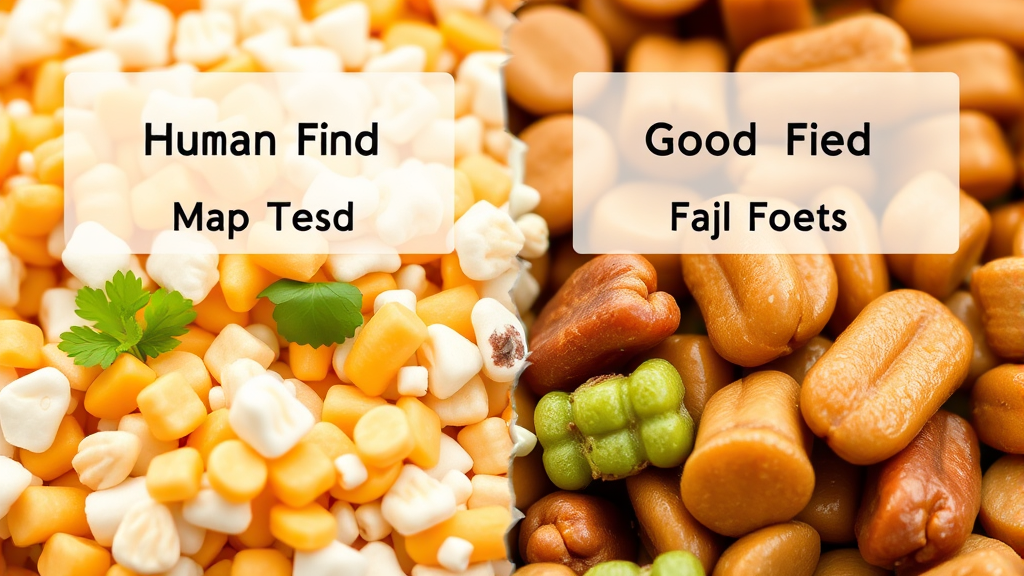
The fundamental difference between human and dog nutrition lies in their evolutionary dietary requirements. Dogs are omnivores with specific nutritional needs that differ significantly from humans. Dog food is formulated to meet the Association of American Feed Control Officials (AAFCO) standards, which establish nutritional profiles specifically for canines at different life stages.
Human nutritional requirements are regulated by the FDA’s daily value recommendations, which differ substantially from canine needs. For instance, dogs require different ratios of protein, fat, and carbohydrates compared to humans. They also need specific nutrients like taurine in different amounts, and some nutrients that are essential for humans may be less critical for dogs, or vice versa.
When examining what is chicken meal in dog food, it becomes clear that many dog food ingredients are processed differently than human food ingredients. While chicken meal is a concentrated protein source that’s nutritionally appropriate for dogs, the processing methods may not align with human food safety standards.
Safety Concerns and Health Risks
The primary safety concerns regarding human consumption of dog food center around bacterial contamination, preservatives, and ingredient quality. Dog food manufacturing doesn’t always follow the same stringent safety protocols required for human food production. The FDA’s Center for Veterinary Medicine oversees pet food safety, but the standards differ from those applied to human food.
Bacterial contamination represents one of the most significant risks. Dog food, particularly dry kibble, may contain higher levels of bacteria that could be harmful to humans. Salmonella and E. coli contamination have been documented in various pet food recalls, and while dogs may have developed some resistance to these pathogens, humans have not.
Preservatives used in dog food may also pose concerns for human consumption. Some preservatives approved for pet food use are not approved for human consumption, or are approved at different concentration levels. Additionally, the long-term effects of consuming these preservatives in the quantities present in dog food haven’t been studied in humans.
Heavy metal contamination is another consideration, as pet food regulations may allow higher levels of certain metals compared to human food standards. Regular consumption could potentially lead to accumulation of these substances in the human body.
Manufacturing Standards and Regulations
Manufacturing standards for pet food and human food operate under different regulatory frameworks. Human food manufacturing must comply with Hazard Analysis and Critical Control Points (HACCP) protocols, which require comprehensive food safety management systems.
Pet food manufacturing, while regulated, doesn’t always require the same level of oversight. Facilities may not need to maintain the same sanitation standards, temperature controls, or testing protocols required for human food production. This doesn’t mean pet food is inherently unsafe for pets, but rather that it’s manufactured with different safety parameters in mind.
Quality control testing frequency and methodology may also differ between human and pet food production. Human food typically undergoes more frequent testing for pathogens, and the acceptable limits for various contaminants are often stricter.
When considering brands like Pedigree for dogs, it’s important to understand that even reputable pet food manufacturers operate under different standards than human food producers, despite producing nutritionally complete products for canines.
Common Ingredients Analysis
Many dog food ingredients are similar or identical to those found in human food, but the sourcing, processing, and quality standards may differ. Premium dog foods often contain ingredients like chicken, beef, sweet potatoes, and vegetables that are commonly consumed by humans. However, the grade and processing of these ingredients may not meet human consumption standards.
Protein sources in dog food, such as meat meals and by-products, are processed differently than proteins intended for human consumption. While these ingredients provide appropriate nutrition for dogs, they may not be suitable for human dietary preferences or safety requirements. The rendering process used to create meat meals, for example, involves high temperatures and pressures that create a product safe and nutritious for pets but not necessarily appealing or appropriate for human consumption.
Grain ingredients in dog food, such as corn, wheat, and rice, are generally similar to those in human food but may be of lower grade or processed under different conditions. Some dog foods also contain ingredients that humans wouldn’t typically consume, such as certain organ meats or fish meals.
Understanding the quality variations becomes important when evaluating different brands. Purina One dog food and Purina Pro Plan dog food represent different quality tiers within the same company, with varying ingredient standards that might affect their suitability for human consumption.
Emergency Situations and Survival Scenarios
In genuine emergency or survival situations, the question of whether humans can eat dog food becomes more practical than theoretical. From a pure survival standpoint, dog food can provide calories and some nutrition to humans in extreme circumstances. However, it should never be considered a long-term dietary solution.
Dry dog food (kibble) has a long shelf life and provides concentrated calories, making it potentially useful in emergency preparedness scenarios. However, the high sodium content in many dog foods could lead to dehydration issues if water is scarce. Additionally, the nutrient profile isn’t optimized for human health needs.
Wet or canned dog food might be more palatable to humans in emergency situations, but it also carries higher risks of bacterial contamination and has a shorter shelf life once opened. The texture and flavor of most dog foods would make them unappetizing choices for human consumption under normal circumstances.
Emergency preparedness experts generally recommend stocking human food supplies rather than relying on pet food as a backup option. However, understanding that dog food won’t immediately poison a human in a true survival situation can provide peace of mind for pet owners concerned about extreme scenarios.
Quality Variations Among Dog Food Brands
The pet food industry includes a wide range of quality levels, from budget-friendly options to premium, human-grade products. This variation significantly impacts the safety and palatability of dog food for potential human consumption. Budget brands may use lower-quality ingredients, more preservatives, and less stringent manufacturing processes.
Premium brands often advertise “human-grade” ingredients, which means the ingredients meet standards for human consumption before being processed into pet food. However, this doesn’t guarantee that the final product meets human food safety standards, as the manufacturing process and facility standards may still differ.
Some newer companies in the pet food space, like Fresh Pet for dogs, focus on fresh, refrigerated products that more closely resemble human food in terms of ingredients and processing. These products might be safer for human consumption than traditional dry kibble, but they’re still formulated for canine nutrition needs.
Raw and freeze-dried dog foods present their own considerations. While these products may contain higher-quality ingredients, they also carry increased risks of bacterial contamination, particularly for humans who haven’t developed the same digestive resilience as dogs.
The nutritional formulation also varies significantly between brands and product lines. Understanding dog food portions reveals that these products are carefully calibrated for canine metabolism and activity levels, not human nutritional needs.
Expert Opinions and Scientific Studies
Veterinary nutritionists and food safety experts generally advise against humans consuming dog food, even occasionally. Dr. Lisa Freeman from Tufts University’s Cummings School of Veterinary Medicine has noted that while an occasional taste is unlikely to cause immediate harm, regular consumption could lead to nutritional imbalances and potential health risks.
The American Veterinary Medical Association (AVMA) emphasizes that pet foods are formulated specifically for the nutritional needs of animals, not humans. The organization points out that the regulatory oversight, while adequate for pet consumption, doesn’t provide the same safety assurances required for human food.
Food safety researchers have identified several concerns specific to human consumption of pet food, including the potential for foodborne illness, exposure to preservatives not approved for human use, and nutritional inadequacies over time. Studies on pet food contamination have found higher rates of pathogenic bacteria compared to human food products.
Toxicologists have also raised concerns about certain additives used in pet food that may be safe for dogs but could pose risks to humans with different metabolic processes. The concentration of certain vitamins and minerals in dog food, while appropriate for canines, could lead to toxicity in humans if consumed regularly.
It’s worth noting that the relationship between human and pet food safety works both ways. Research into whether cat food is bad for dogs demonstrates how even closely related species can have different dietary safety requirements.
Interestingly, some people have experimented with eating dog food out of curiosity or to better understand their pet’s experience. While anecdotal reports suggest that high-quality dog foods may be more palatable than expected, these experiences don’t negate the potential health risks or nutritional inadequacies associated with regular consumption.
Economic factors also play a role in this discussion. Some people have wondered about the cost-effectiveness of dog food compared to human food, especially given that dog food cannot be purchased with food stamps, indicating a clear regulatory distinction between pet food and human nutrition assistance programs.
Frequently Asked Questions
Is it dangerous for humans to accidentally eat dog food?
Accidentally consuming a small amount of dog food is generally not dangerous for humans. However, it’s not recommended as a regular practice due to different safety standards, potential bacterial contamination, and nutritional formulations designed specifically for dogs rather than humans.
Can dog food make humans sick?
Yes, dog food can potentially make humans sick due to higher levels of bacteria like Salmonella and E. coli that may be present. Additionally, some preservatives and additives used in dog food are not approved for human consumption and could cause adverse reactions in sensitive individuals.
What happens if a human eats dog food regularly?
Regular consumption of dog food by humans could lead to nutritional imbalances, as dog food is formulated for canine nutritional needs, not human requirements. Long-term consumption might result in deficiencies in certain nutrients while providing excessive amounts of others, potentially leading to health complications.
Are there any dog foods that are safe for humans to eat?
While some premium dog foods use “human-grade” ingredients, this doesn’t guarantee the final product meets human food safety standards. The manufacturing processes, facility standards, and quality control measures may still differ from those required for human food production.
Why does dog food taste different from human food?
Dog food is formulated to appeal to canine taste preferences, which differ significantly from human preferences. Dogs have different taste receptors and are attracted to flavors and textures that humans might find unpalatable. Additionally, dog food often contains ingredients and flavor enhancers not commonly used in human food.
Can eating dog food cause food poisoning in humans?
Yes, eating dog food can potentially cause food poisoning in humans. Pet food manufacturing standards may allow for higher levels of bacteria that could be harmful to humans, even though these levels might be acceptable for dogs who have different digestive systems and bacterial resistance.
Is expensive dog food safer for humans to eat than cheap dog food?
While premium dog foods may use higher-quality ingredients and better manufacturing processes, they are still not designed or regulated for human consumption. Even expensive dog food should not be considered safe for regular human consumption, though the risk profile might be slightly different than lower-quality options.





